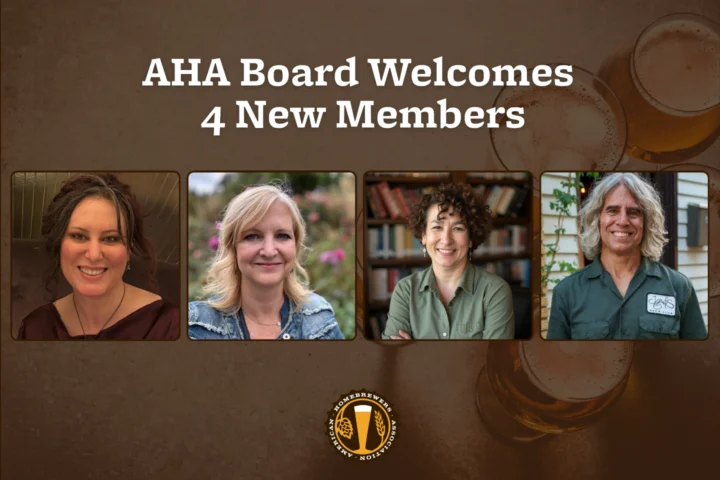

The American Homebrewers Association (AHA) has officially concluded its first-ever democratic board election since transitioning to an independent nonprofit structure, marking a pivotal moment in the organization’s nearly 50-year history. In a vote held throughout March 2024, the association’s membership selected four new leaders to guide the organization as it navigates its new status as a dual 501(c)(6) and 501(c)(3) entity. This election represents the culmination of a multi-year strategic shift intended to grant the AHA greater autonomy over its mission to promote the hobby of home fermentation and advocacy for amateur brewers across the United States.
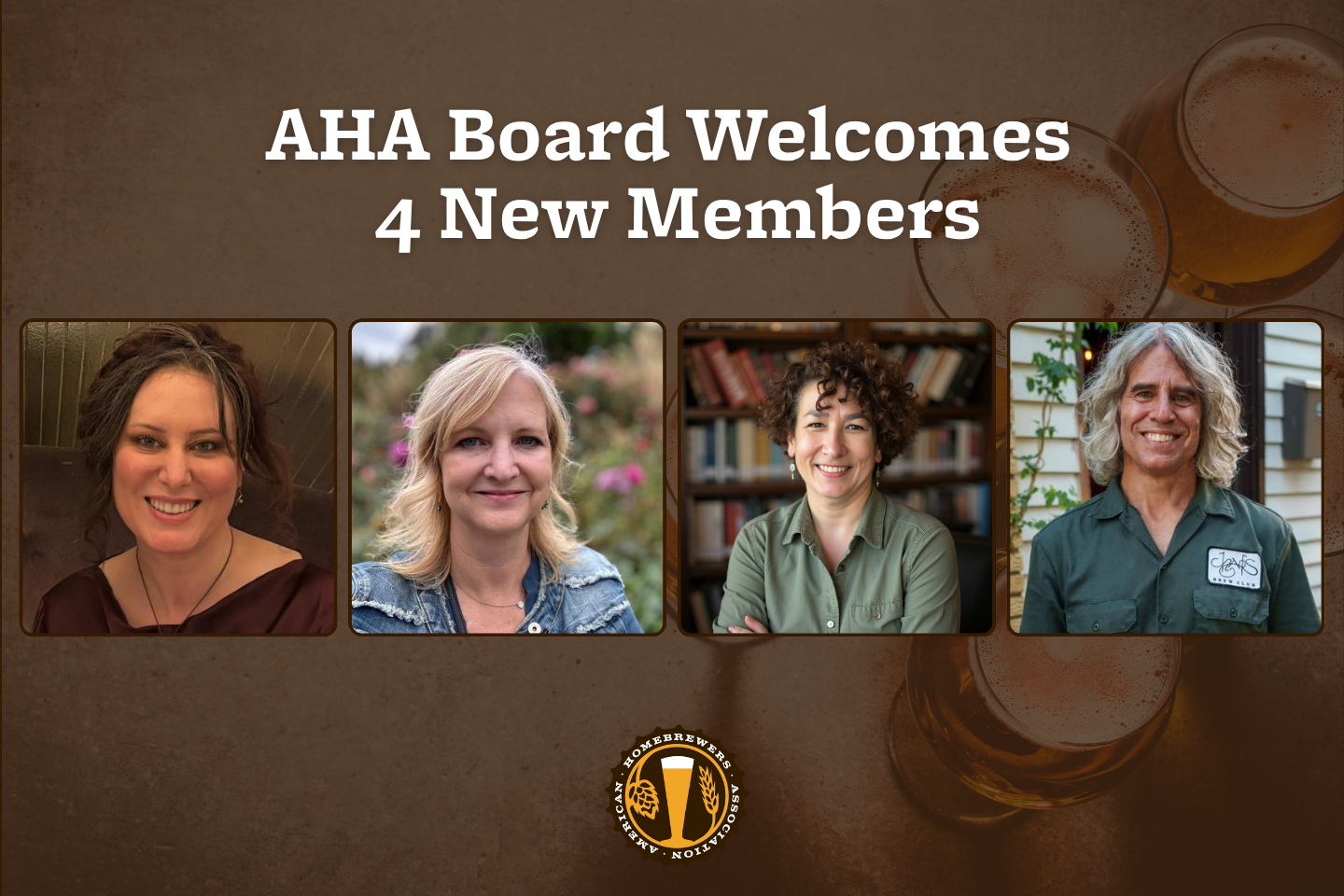
The newly elected board members—Jen Blair, Stephanie Butler, Jen Pereira, and Jeff Whelpley—emerged from a highly competitive field. According to election data released by the AHA, the process began with an initial pool of 28 nominees, which was eventually narrowed down to a slate of 10 candidates by a nominating committee. The four winners will each serve a three-year term, providing fresh perspectives to a leadership team tasked with revitalizing a hobby that has seen significant evolution in the post-pandemic era. They join three continuing board members: Shawna Cormier, Drew Beechum, and Gregory Roskopf.
The formal seating of the new board is scheduled for June 20, 2026, during the AHA’s annual meeting at Homebrew Con in Asheville, North Carolina. This event serves as the primary gathering for the association’s national membership, featuring educational seminars, the final round of the National Homebrew Competition, and the announcement of major industry awards.
A New Chapter of Independence
The 2024 election is more than a routine change in leadership; it is a structural milestone. For decades, the AHA operated as a division of the Brewers Association (BA), the trade group representing small and independent professional craft brewers. While the two organizations shared a symbiotic relationship—many professional brewers began as homebrewers—the AHA leadership and the BA leadership determined that the interests of amateur brewers would be best served by a dedicated, independent governance structure.
The transition to a standalone 501(c)(6) membership organization allows the AHA to focus exclusively on the needs of its members, which include legislative advocacy for homebrewing rights, the publication of Zymurgy magazine, and the management of large-scale events. Simultaneously, the establishment of the A-HA Foundation as a 501(c)(3) supporting organization creates a vehicle for tax-deductible donations aimed at education and the promotion of the craft’s cultural heritage.
This independence gives the newly elected board members significant responsibility. They are no longer advisors within a larger corporate structure but are now the primary fiduciaries of an organization that represents tens of thousands of hobbyists.
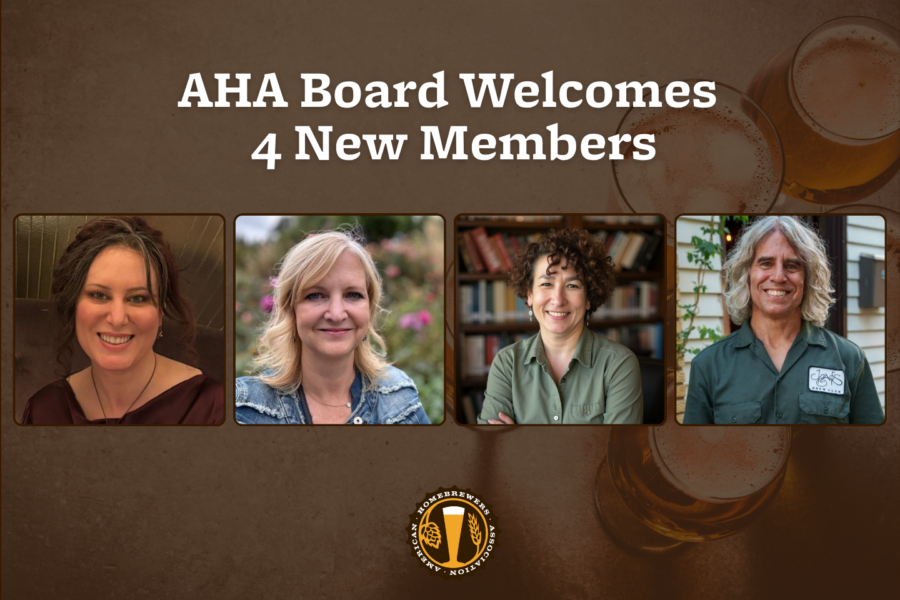
Profiles in Leadership: The New Board Members
The four individuals joining the board bring a diverse array of skills ranging from professional sensory analysis and technical brewing expertise to organizational management and community building.
- Jen Blair: A well-known figure in the beer judging community, Blair is a National Program Judge for the Beer Judge Certification Program (BJCP) and an Advanced Cicerone®. Her background in beer education and sensory evaluation is expected to bolster the AHA’s educational initiatives and the rigor of its competition standards.
- Stephanie Butler: Known for her contributions to brewing literature and community outreach, Butler brings a focus on the social and cultural aspects of homebrewing. Her involvement suggests a commitment to the AHA’s goal of fostering a "homebrew club in every community."
- Jen Pereira: With experience in both the hobbyist and professional spheres, Pereira offers a bridge between the grassroots brewing community and the technical standards required for high-level production.
- Jeff Whelpley: Whelpley’s background in technology and community engagement aligns with the AHA’s need to modernize its digital resources and member interaction platforms. As the association looks to attract a younger, more tech-savvy demographic, his expertise will likely be central to digital strategy.
Chronology of the Transition
The path to this historic election followed a deliberate timeline established by the AHA’s Founding Board:
- Late 2023: The American Homebrewers Association and the Brewers Association announced the plan for the AHA to become a fully independent entity.
- Early 2024: The AHA Founding Board, led by industry veterans including Sandy Cockerham and Gary Glass, established the legal framework for the 501(c)(6) and 501(c)(3) status.
- February 2024: The nomination period opened, drawing 28 applicants from across the country.
- March 2024: Membership voting took place, allowing dues-paying members to select their representatives from the finalized slate of 10 candidates.
- April 2024: Official announcement of the election results and the naming of the four new directors.
- June 20, 2026: The scheduled "Changing of the Guard" at Homebrew Con in Asheville, where the new directors will take their seats.
Honoring the Founding Board
As the association looks toward the future, it has expressed profound gratitude for the departing members of the Founding Board, specifically Sandy Cockerham and Gary Glass. Glass, in particular, has been a synonymous figure with the AHA for nearly two decades, having served as its Executive Director during years of explosive growth in the craft beer sector.
Shawna Cormier, the current AHA Board Chair, emphasized the importance of their contributions during this sensitive transitional phase. "The work started by the AHA Founding Board to bring the association to a new future has been impressive to say the least," Cormier stated. She noted that the groundwork laid by Cockerham and Glass ensured that the organization remained stable while undergoing one of the most significant administrative shifts since its founding in 1978.
Strategic Implications and the Future of Homebrewing
The election comes at a critical juncture for the homebrewing hobby. After a surge in interest during the 1990s and 2010s, the hobby has faced headwinds. The proliferation of high-quality craft beer in retail environments has reduced the "necessity" of brewing at home to access diverse styles. Furthermore, the aging demographic of traditional homebrew clubs has prompted a need for a strategic pivot.
The AHA’s new vision—"a homebrewer in every neighborhood and a homebrew club in every community"—reflects an effort to decentralize the hobby and make it more accessible. To achieve this, the new board is expected to focus on several key areas:
1. Legislative Advocacy: While homebrewing is legal in all 50 states, many local regulations regarding the transport of homebrew to competitions or the sharing of beer at festivals remain murky. The 501(c)(6) status provides the AHA with a robust platform to lobby for "fair pour" laws and other regulatory reliefs.
2. Diversity and Inclusion: The board is tasked with expanding the hobby beyond its traditional demographics. By supporting clubs in diverse neighborhoods and emphasizing the "Joy" and "Community" aspects of brewing, the AHA aims to ensure the hobby’s longevity.
3. Educational Resources: With the rise of all-grain brewing systems and advanced fermentation technology, the AHA must continue to provide high-level technical content. The association’s flagship publication, Zymurgy, remains a primary benefit of membership, alongside a vast library of "National Homebrew Competition-validated" recipes.
4. Economic Impact: While homebrewing is an amateur pursuit, it serves as a massive pipeline for the professional industry. Data from the Brewers Association has historically shown that a significant percentage of professional brewery owners and head brewers began as AHA members. By strengthening the AHA, the board is effectively strengthening the foundation of the entire American craft beer industry.
The Significance of Asheville 2026
The choice of Asheville for the 2026 annual meeting and board seating is symbolic. Known as "Beer City, USA," Asheville represents the successful integration of brewing culture into a city’s identity. For the AHA, holding its first official independent meeting in such a hub reinforces its relevance in the broader fermentation landscape.
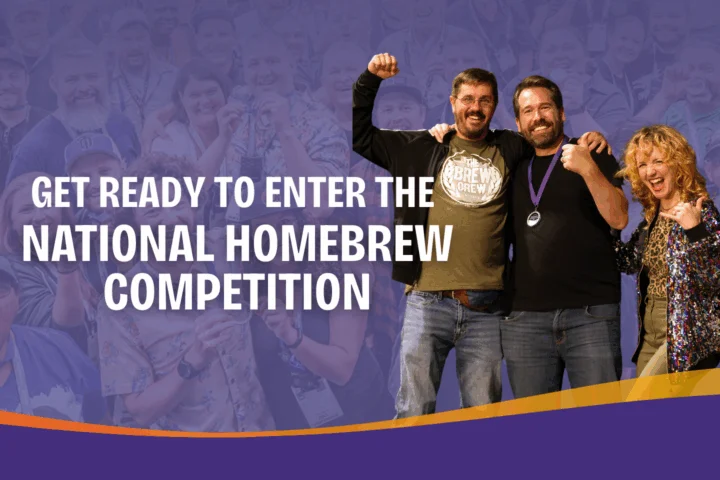
The event will not only serve as a business meeting but also as a celebration of the association’s resilience. Attendees will participate in the National Homebrew Competition, which remains the world’s largest international competition for amateur brewers. The competition provides the new board with an immediate opportunity to showcase the association’s commitment to excellence and objective standards.
Conclusion
The election of Jen Blair, Stephanie Butler, Jen Pereira, and Jeff Whelpley marks the end of the American Homebrewers Association’s "Founding" era and the beginning of its era of true self-governance. By moving to an independent nonprofit model, the AHA has reclaimed direct control over its financial and strategic destiny.
As the association prepares for the transition in Asheville, the focus remains on the core values established by founder Charlie Papazian in 1978: Community, Education, Joy, and Volunteerism. With a balanced board of experienced incumbents and fresh electees, the AHA is positioned to navigate the challenges of the modern hobbyist landscape while continuing to advocate for the millions of Americans who find passion in the art of the ferment. For the membership, this election is a clear signal that the future of homebrewing will be shaped by the brewers themselves.