The humble bagel, a staple of breakfast tables worldwide, is undergoing a culinary renaissance, and at the forefront of this evolution is a meticulously crafted "new wave" sourdough bagel recipe. This refined approach moves beyond traditional textures and flavors, offering a lighter, more nuanced experience for the discerning palate. The development of this recipe is a testament to the iterative process of culinary innovation, where small adjustments to ingredients and techniques culminate in a significantly elevated final product.
At its core, the pursuit of this new bagel recipe stemmed from a series of culinary inquiries. The baker, driven by a desire to push the boundaries of sourdough baking, posed several key questions: Could the levain contribute a subtle sweetness, rather than relying solely on the final dough for saccharine notes? What if a blend of flours, incorporating whole grains and a lower protein content for enhanced tenderness and openness, replaced a single type of flour? How could shaping methods be adapted, and what would be the impact of an overnight cold rest, followed by a boil in a solution other than plain water? This evolved recipe is the answer to those persistent questions, representing a significant, albeit refined, departure from conventional sourdough bagel preparations.
The journey to this perfected formula involved a systematic, one-variable-at-a-time approach. The initial alteration focused on the flour blend, transitioning to a sophisticated mix of high- and medium-protein white flours, complemented by whole wheat and a touch of whole rye. This combination was carefully chosen to impart a more complex character and a desirable crumb structure. Subsequently, the levain itself was modified. By incorporating a small quantity of sugar into the levain, the balance was shifted towards a more yeast-forward culture, effectively reducing the sourness that can sometimes dominate sourdough baked goods.
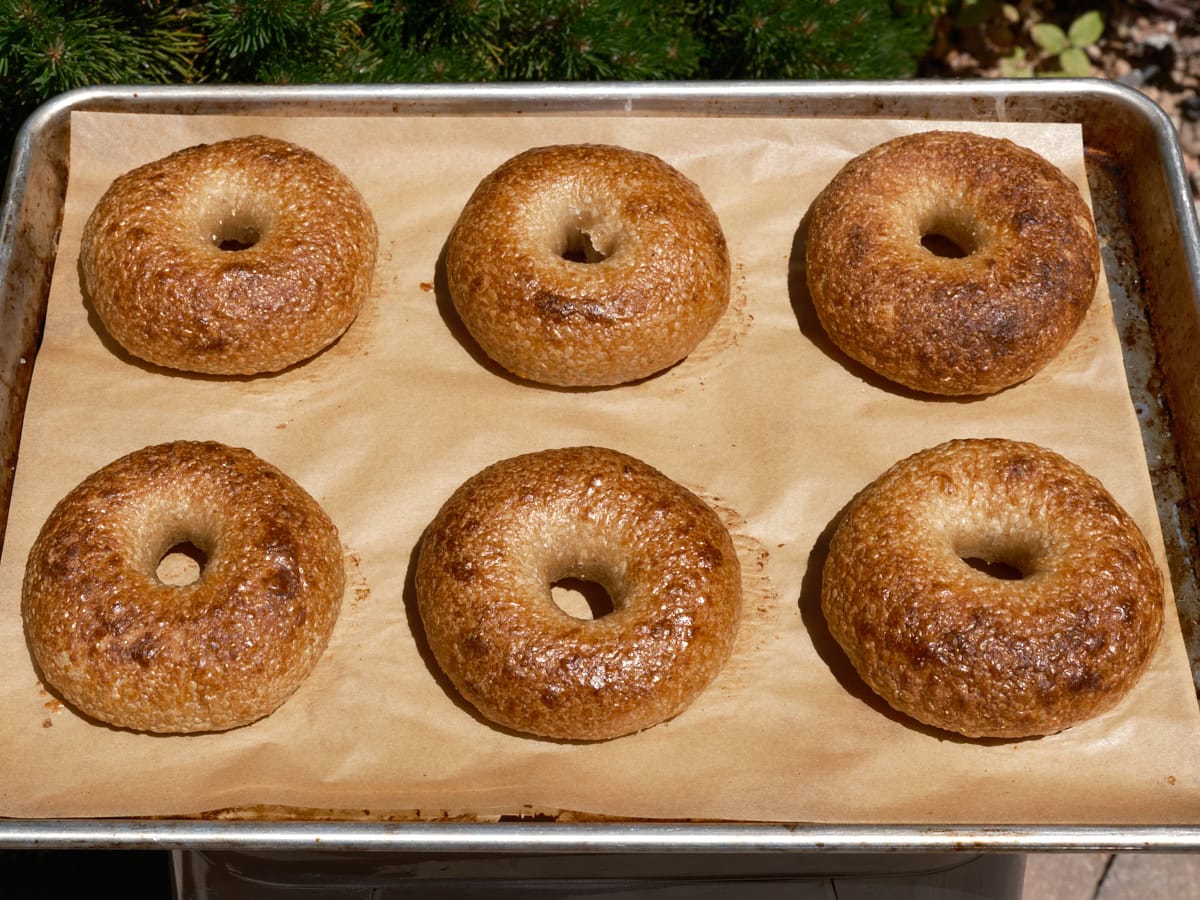
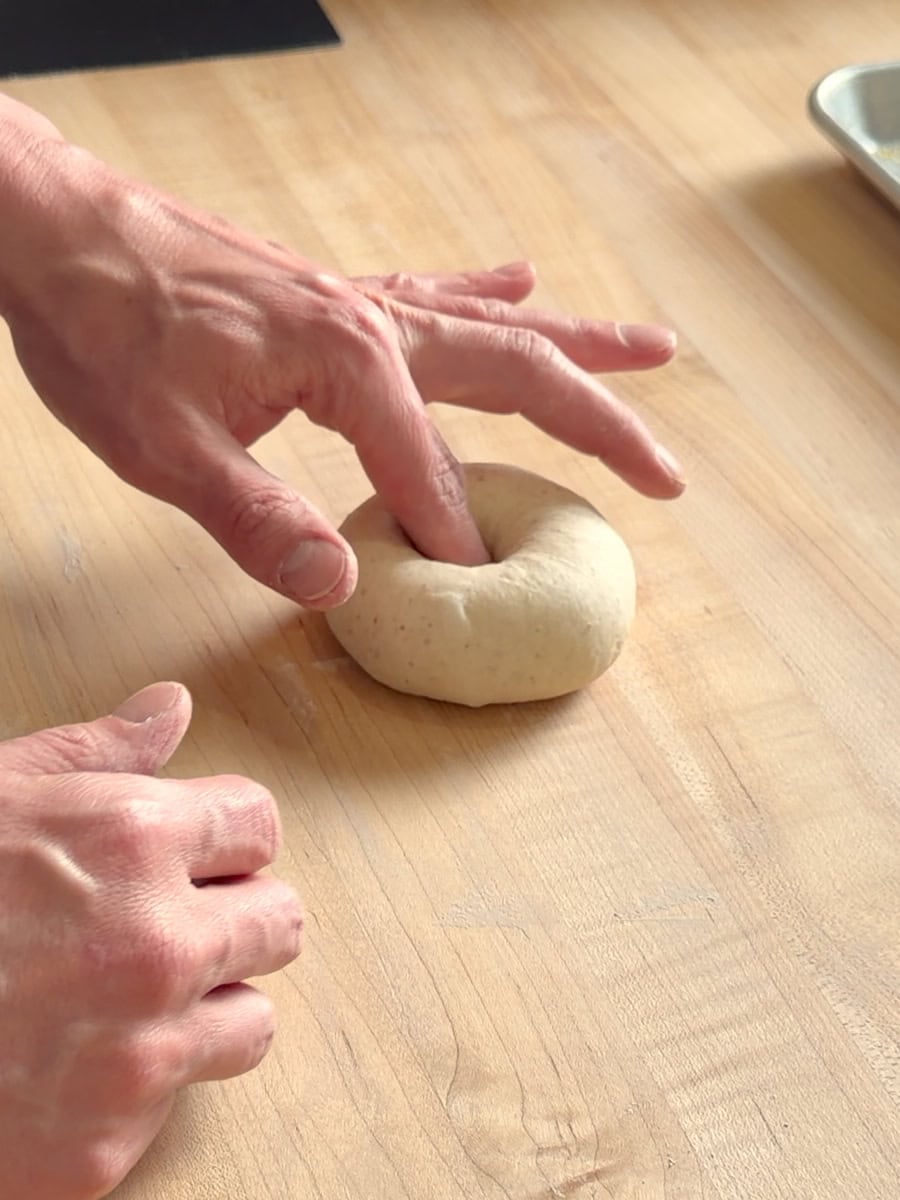
The shaping technique also underwent a significant transformation. The adoption of the "poke method," a simpler and more forgiving approach for higher-hydration doughs, replaced more traditional rolling and joining techniques. This method not only simplifies the process but also contributes to a more uniform and aesthetically pleasing bagel shape. The final, and perhaps most impactful, adjustment was the implementation of an overnight cold retard. This extended resting period in the refrigerator proved to be a game-changer, profoundly influencing the crust and flavor profile. The result was a crumb that opened up slightly, a crust adorned with more pronounced blisters, and an overall flavor that was more complex and delightfully crisp when baked.
This new wave sourdough bagel is not a radical departure from its predecessor but rather a sharpened iteration, building upon the foundational principles of sourdough baking while introducing elements that cater to contemporary preferences. It embodies a philosophy of culinary exploration, where every component, from the starter to the final bake, is considered for its contribution to the overall sensory experience.
The Evolution of the Bagel: A New Wave Emerges
The sourdough bagel recipe featured in the author’s first cookbook offered a more traditional New York-style profile: characterized by its inherent chewiness, a slightly thicker crust, and a predominantly closed crumb. This established recipe served as a benchmark, but the evolving landscape of artisanal baking inspired a new direction.
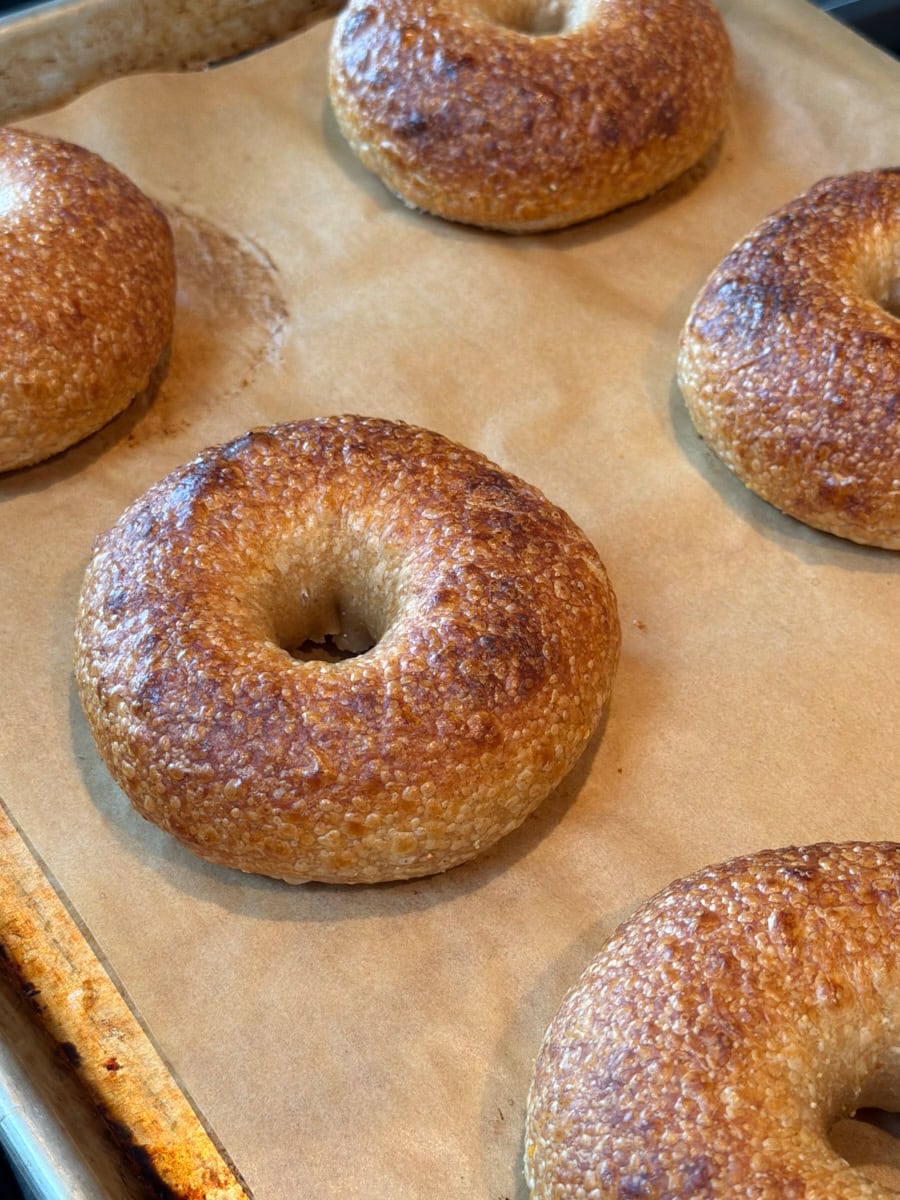
The "new wave" sourdough bagel, as it has come to be known, draws inspiration from contemporary bakeries that are pushing the envelope of bagel artistry. Establishments like Courage Bagels in Los Angeles, known for their distinctive approach, have popularized a lighter, more visually striking bagel. This new iteration aims to capture that essence: a bagel that is airy, boasts a glossy, blistered crust with a subtle crispness, exhibits a less uniform and more artisanal shape, and features a more open, tender crumb.
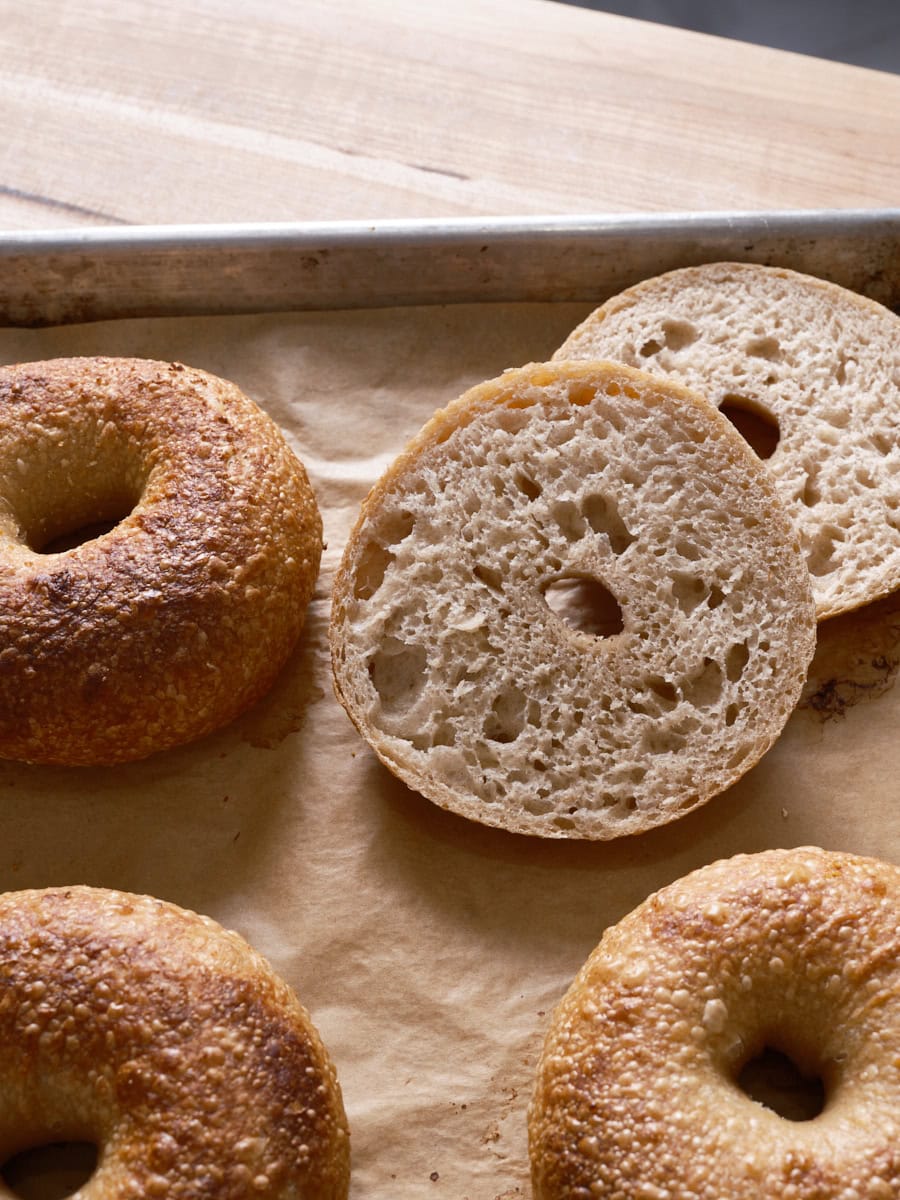
The development process highlights the meticulous nature of high-level baking. Each modification was not arbitrary but a calculated step towards achieving a specific textural and flavor profile. The choice of flours, for instance, is crucial. A blend of high-protein white flour (ranging from 12-14% protein, akin to King Arthur Bread Flour or Central Milling Great Northern) forms the backbone, providing the essential chew and structural integrity. This is balanced by a medium-strength, finely milled bread flour, such as Central Milling’s Artisan Bakers Craft, which contributes to the dough’s workability and overall texture.
The addition of whole grains, specifically whole wheat and whole rye, plays a pivotal role not in adding bulk but in enhancing complexity. The whole wheat introduces a warm, nutty depth, while the whole rye contributes a subtle earthiness and supports the fermentation process, aiding in achieving a desirable crust color. This careful integration of whole grains prevents the bagel from feeling heavy, ensuring a balanced flavor profile.
Sweetness and Structure: The Role of Malt and Sugar
The interplay of sweeteners in this recipe is key to its distinctive character. Three distinct sweeteners are employed, each serving a unique purpose:
-
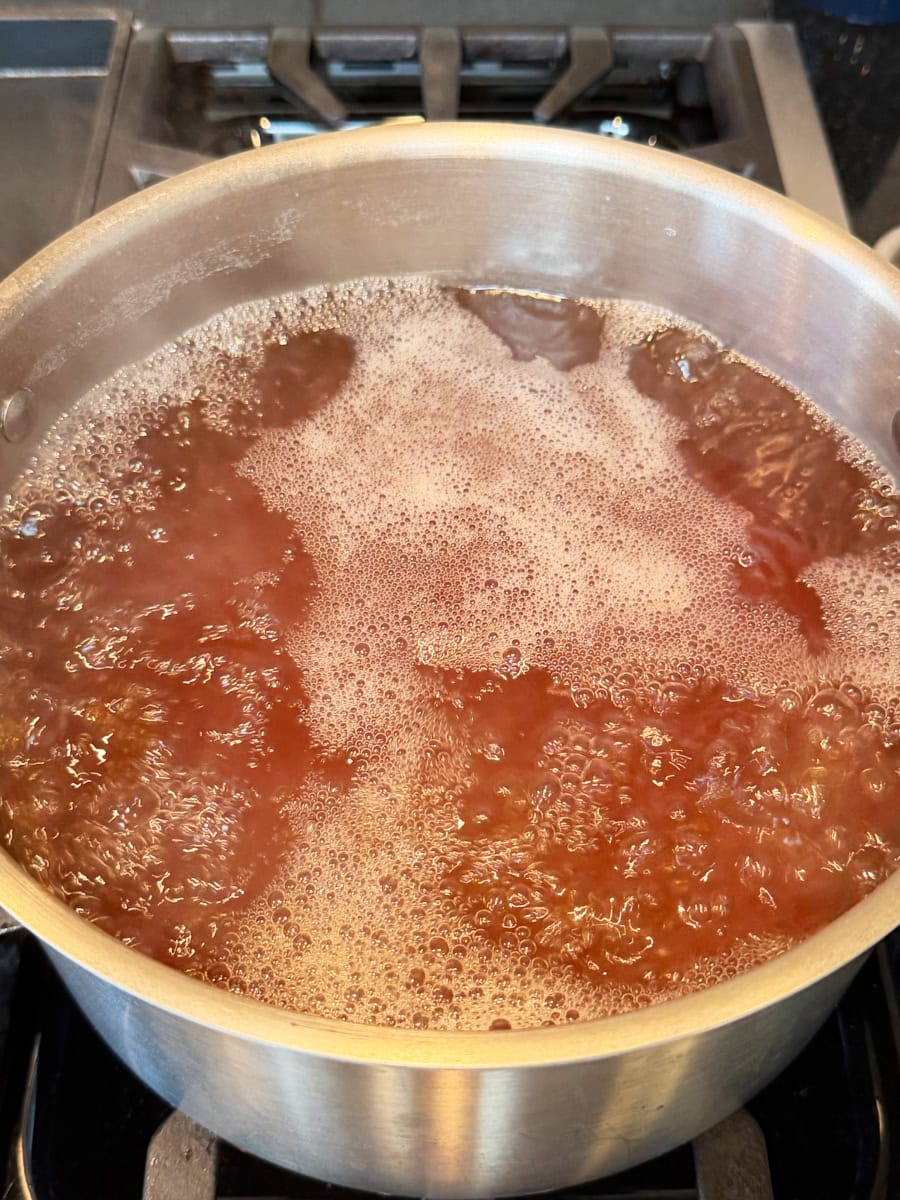
Barley Malt Syrup: This classic bagel ingredient is incorporated both into the final dough and, more significantly, into the boiling water. It is the source of the signature malty flavor, a complex profile that is both sweet and subtly bitter, with a deeply savory undertone. Furthermore, barley malt syrup is instrumental in promoting rich browning during the baking process.
-
Diastatic Malt Powder: This ingredient is functionally different from barley malt syrup. Unlike its non-diastatic counterpart, diastatic malt powder contains active enzymes that break down starches into sugars during fermentation and baking. This enzymatic action significantly contributes to crust color, enhances oven spring, and helps achieve a more open crumb. A small percentage, around 1%, is used, but its impact is substantial.
-
Superfine (Caster) Sugar: This fine sugar is strategically added to the levain, not the final dough. By creating a "sweet levain" or "sweet starter," the aim is to stimulate yeast activity for maximum rise while minimizing the transfer of sourness to the finished bagel. This targeted approach ensures a well-risen bagel with a balanced flavor.
Mastering the Craft: Tips for Shaping, Boiling, and Baking
The creation of these new wave sourdough bagels involves several key techniques that contribute to their unique characteristics.
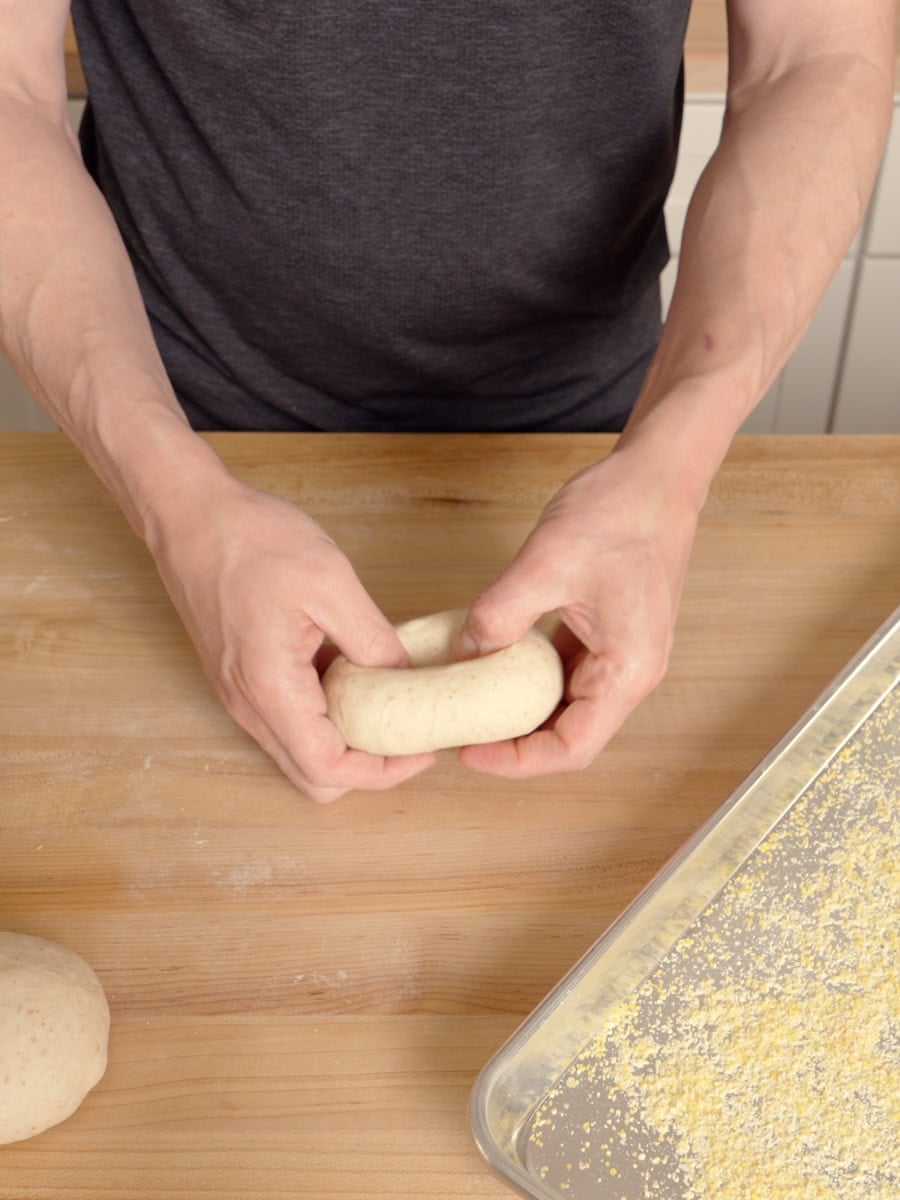
Shaping with the Poke Method: This technique involves creating a hole through the center of each dough ball and gently stretching it to form a ring. It is preferred over the traditional method of rolling a rope and joining the ends, which can lead to separation during boiling and is more challenging with higher-hydration doughs. The poke method is faster, more forgiving, and results in a more consistently shaped bagel.
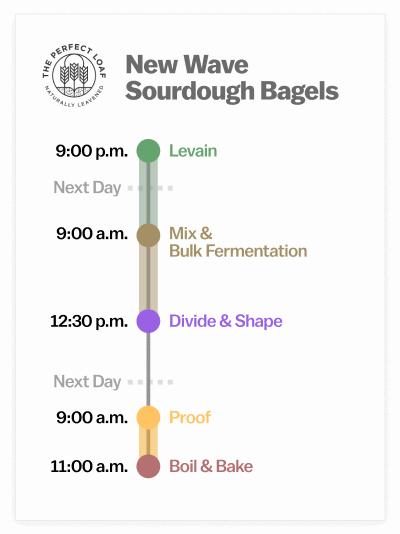
The Overnight Retard: While same-day baking is possible, the overnight cold proof in the refrigerator is highly recommended. This extended resting period allows flavors to deepen significantly. It also offers a convenient scheduling advantage: shaping one evening and boiling and baking the following morning.
The Boil Water Concoction: The boiling water is far from ordinary. A generous amount of barley malt syrup is added, along with a teaspoon of baking soda. The baking soda increases the alkalinity of the water, further enhancing crust browning. The resulting water is noticeably dark, a visual indicator of the potent caramelizing agents at play.
Boil Time and Intensity: The boil time is intentionally kept short, typically 20 to 30 seconds per side. This brief immersion gelatinizes and caramelizes the outer layer of the dough, contributing to a thinner, crispier crust. A longer boil would result in a chewier texture and a denser skin. Crucially, the water must be maintained at a vigorous, rolling boil throughout the process to ensure proper crust development.
The Baking Surface: Just as with artisanal breads and pizzas, a preheated baking surface is essential for achieving optimal oven spring and a well-developed bottom crust. A baking steel is ideal due to its superior heat retention, though a thick baking stone can also be employed. The steel or stone should be preheated for at least one hour to ensure intense, direct heat.
Oven Steam: Introducing steam into the oven shortly after loading the bagels plays a vital role in fostering the formation of microblisters on the crust. This technique, common in hearth bread baking, contributes to the visual appeal and textural complexity of the final product.
A Structured Approach to Bagel Creation
The production of these new wave sourdough bagels is a multi-day process, designed for optimal flavor development and manageable execution.
Day One: The process begins in the evening with the preparation of the levain. A sweet levain, incorporating superfine caster sugar, is mixed and left to ferment overnight at room temperature (around 74-76°F / 23-24°C). This ensures a well-fermented, bubbly starter with minimal sourness by morning.
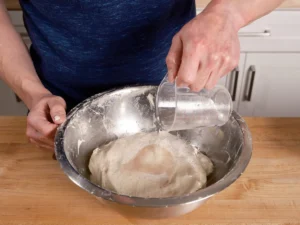
Day Two: The following morning, the main dough is mixed. This involves combining high-protein white flour, medium-protein white flour, whole wheat flour, whole rye flour, salt, barley malt syrup, diastatic malt powder, and the initial portion of water. After a brief mix, the levain and a second portion of water (bassinage) are incorporated. The dough is mixed until smooth, strong, and slightly tacky, aiming for a final dough temperature of 76-78°F (24-26°C). This is followed by a bulk fermentation period of approximately three hours at a warm room temperature. Crucially, due to the intensive mixing and stiff nature of this dough, no stretches or folds are required during bulk fermentation.
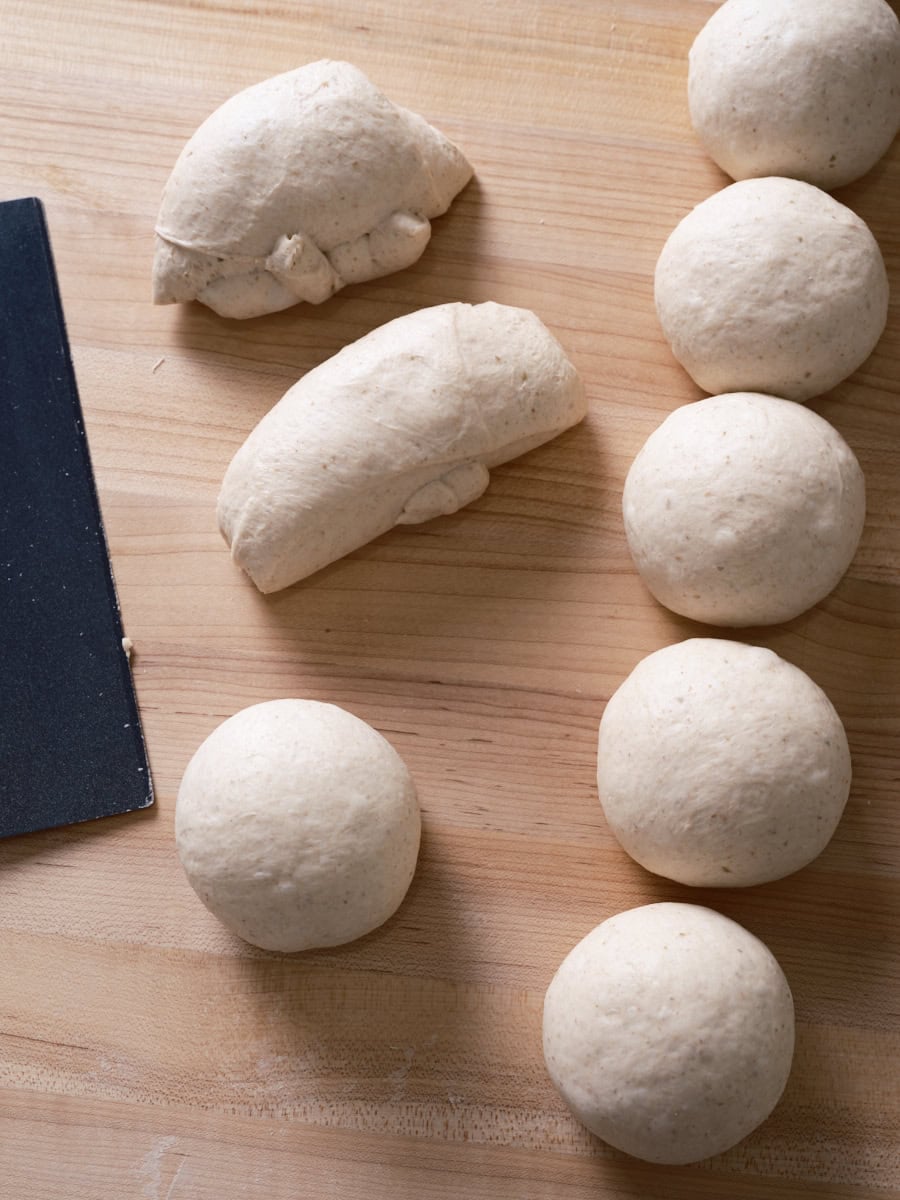
Following bulk fermentation, the dough is divided into twelve 130-gram portions. Each piece is then shaped into a tight ball, followed by the poke method to create the characteristic bagel ring. These shaped bagels are then placed on baking sheets lightly dusted with cornmeal and transferred to the refrigerator for an overnight retard.
Day Three: The next morning, the chilled bagels are removed from the refrigerator and allowed to proof at warm room temperature for two hours. During this time, a baking steel is preheated in the oven to 500°F (260°C) using convection (or 525°F / 270°C without convection), ensuring at least an hour of preheating.
The boiling process commences with a vigorous boil of water infused with baking soda and a significant quantity of barley malt syrup. Bagels are boiled in batches for 20 to 25 seconds per side, then removed and placed on a wire rack. This is the opportune moment to add toppings like sesame seeds, poppy seeds, or everything seasoning, as the wet surface allows them to adhere without the need for an egg wash.
Finally, the boiled bagels are transferred to the preheated baking steel. They are baked for 10 minutes at 500°F (260°C), then the temperature is reduced to 450°F (230°C) for an additional 5 minutes, rotating the pan halfway through. The bagels are considered done when they achieve a deep golden-brown hue, indicating thorough caramelization. They are then cooled on a wire rack for at least 15 to 20 minutes before slicing to allow the crumb to set properly.
Frequently Asked Questions About New Wave Sourdough Bagels
How can I make my sourdough bagels less sour?
The inclusion of a sweet levain and the careful balance of flours in this recipe are designed to minimize sourness. For an even milder flavor, consider omitting the whole rye flour. Ensuring your sourdough starter is not overly ripe when making the levain is also critical.
How can I achieve an open crumb with my sourdough bagels?
The current recipe yields a commendably open crumb. For an even more pronounced openness, a slight increase in hydration (3-4% or more) can be explored. However, be mindful that higher hydration levels will increase the difficulty of handling the dough during the boiling stage.
Why are my bagels flat?
Several factors can contribute to flat bagels. Over-fermentation during bulk fermentation or excessive cold proofing can weaken the dough’s structure. Insufficiently tight shaping can also lead to spreading. A common culprit is an insufficiently vigorous boil; ensure the water is at a rolling boil before adding the bagels, as lukewarm water will cause them to flatten.
Can I bake these the same day without the overnight retard?
Yes, same-day baking is possible. After shaping, proof the bagels at room temperature for approximately 2 to 3 hours, or until they float when tested in water. While this method will produce delicious bagels, they will possess a slightly less complex flavor profile compared to those that have undergone the cold retard.
How long should I boil bagels?
The duration of the boil influences the crust’s texture. A 20 to 25-second boil per side results in a thinner, crispier crust, while a 30 to 60-second boil on each side will yield a thicker, chewier skin and a denser interior. For this specific dough, a 20-second boil per side is recommended for optimal texture, but experimentation is encouraged.
Is diastatic malt powder essential? Can it be omitted?
While not strictly essential for a good bagel, diastatic malt powder significantly enhances oven spring, crust coloration, and crumb texture. For bakers who frequently make bread, it is a worthwhile ingredient to keep on hand due to its pronounced positive impact.
What toppings are recommended?
Classic toppings such as sesame seeds, poppy seeds, everything seasoning (a blend of sesame, poppy, dried garlic, dried onion, and flaky salt), or coarse sea salt are excellent choices. For a plain bagel, simply omit any toppings. The wet surface of the boiled bagel provides ample adhesion for seeds and seasonings.
A Culinary Triumph
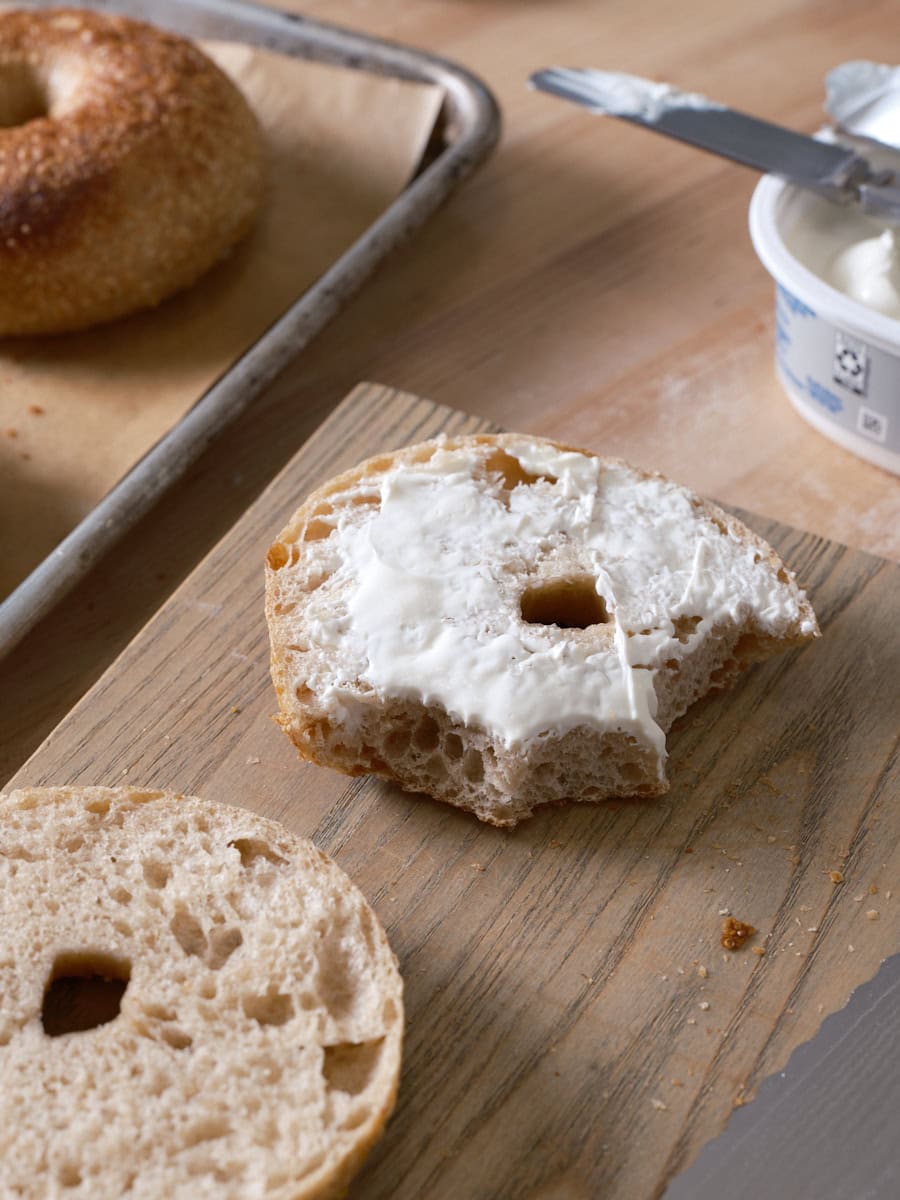
The creation of these new wave sourdough bagels represents a significant achievement in home baking. Their delicate balance of a thin, crispy, blistered crust and a light, tender, and open interior is a testament to the power of refined technique and ingredient selection. These bagels are perfectly suited for enjoying with a simple smear of cream cheese or as the foundation for more elaborate preparations like lox, capers, and dill. For those who prefer a more traditional, chewy New York-style bagel with a thicker crust, the author’s original sourdough bagel recipe remains an excellent option.
The development of this recipe was significantly aided by the expertise of baking friend Josh Fairbanks, whose insights helped to hone the formula. Fairbanks, based in Portland, Oregon, is renowned for his exceptional sourdough bread and bagels, and his contribution underscores the collaborative spirit within the artisanal baking community.