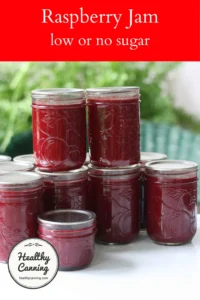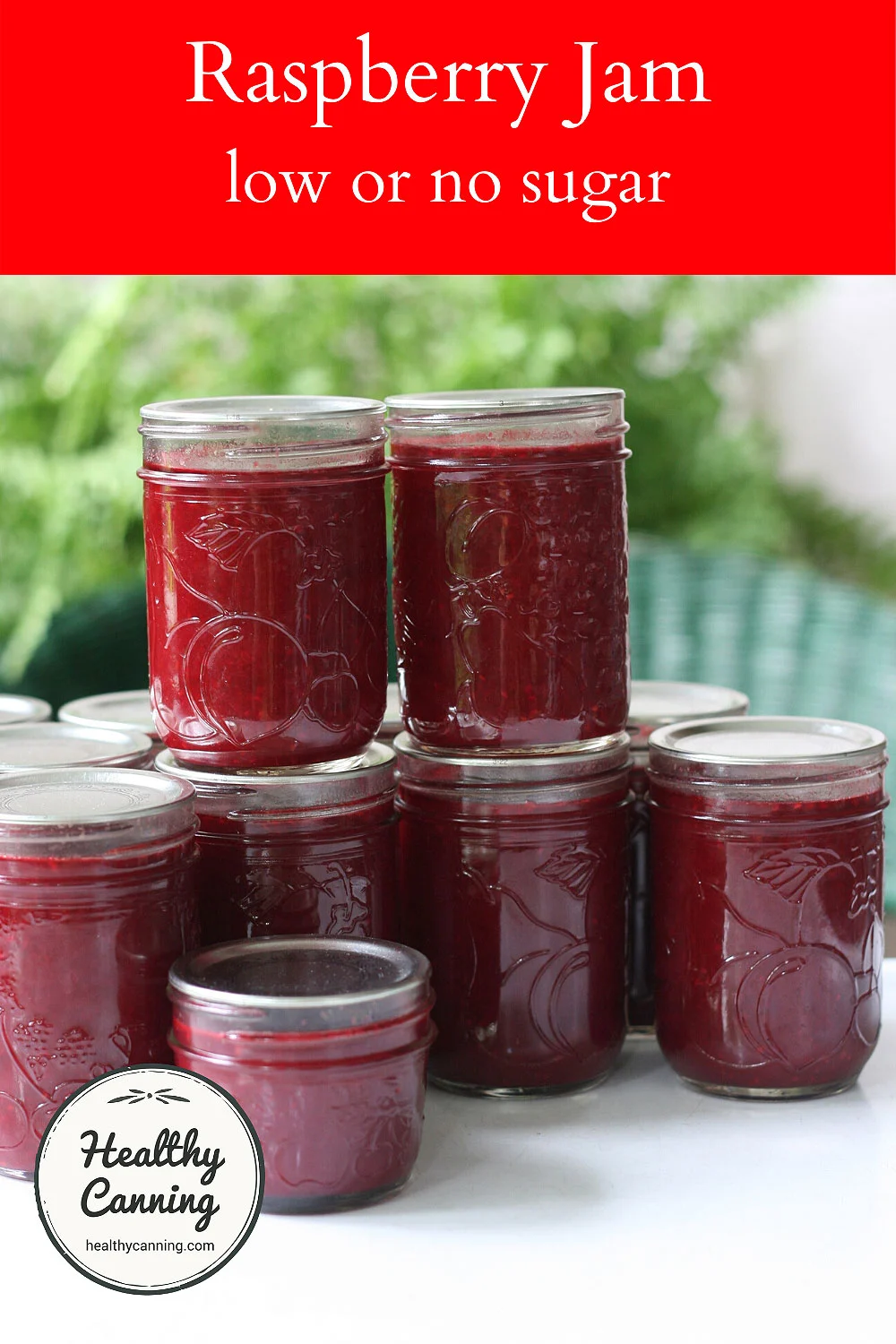

The landscape of home food preservation has undergone a significant transformation in recent years, shifting from a traditional reliance on high-sugar recipes to more versatile, health-oriented methodologies. This evolution is perhaps most evident in the production of raspberry jam, a staple of the domestic pantry that has been reimagined through the use of low-methoxyl pectins, such as Pomona’s Universal Pectin. By decoupling the gelling process from sugar concentration, modern canners are now able to produce shelf-stable preserves that cater to a variety of dietary requirements, including low-glycemic, ketogenic, and sugar-free lifestyles. The following report details the technical requirements, nutritional implications, and safety protocols associated with modern low-sugar raspberry jam production, specifically utilizing the calcium-activated pectin method.
The Technological Shift in Pectin Chemistry
To understand the current standards in raspberry jam production, one must first examine the role of pectin in the gelling process. Traditional pectins, known as high-methoxyl (HM) pectins, require a specific and high concentration of sugar—usually between 55% and 85%—and a precise acidic environment to form a bond. Without these exact conditions, the jam remains liquid. This requirement has historically forced home canners to use vast quantities of refined sugar, often masking the natural tartness of the raspberries.
In contrast, the method currently favored by organizations such as Healthy Canning and Pomona Pectin involves low-methoxyl (LM) pectin. This substance is derived from citrus peels and is chemically altered to react with calcium rather than sugar. This allows for the creation of a firm "set" regardless of the sweetener used, or even in the absence of any sweetener at all. This scientific advancement has empowered home preservers to utilize alternative sweeteners such as honey, stevia, or sucralose, or to simply rely on the fruit’s inherent sweetness.
Production Specifications and Methodology
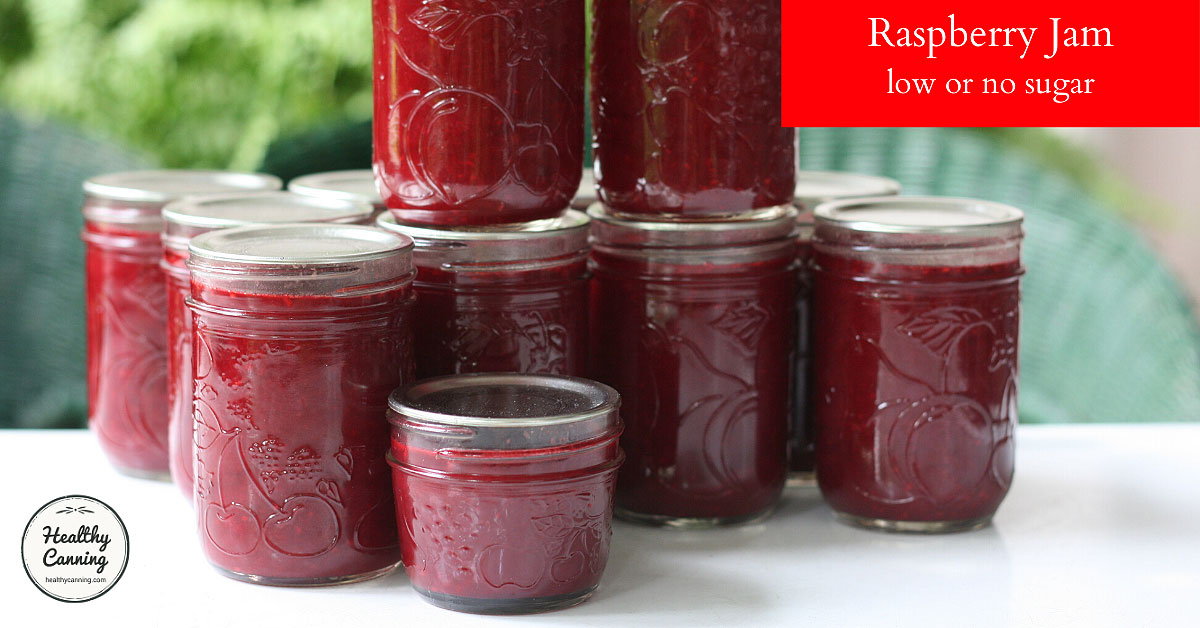
The production of low-sugar raspberry jam requires a precise adherence to measurements and processing times to ensure both quality and microbiological safety. Based on established standards, a standard batch yielding four quarter-litre (250 ml / 8 oz) jars follows a rigorous protocol.
Preparation and Ingredient Integration
The process begins with the selection of fruit. While fresh raspberries are preferred during the peak harvest season, the industry standard confirms that frozen raspberries are a viable alternative, provided they are thawed and handled correctly. For those seeking a refined texture, the removal of seeds through straining is a common optional step, though it reduces the overall fiber content of the final product.
The core of the LM pectin method involves the preparation of "calcium water." This is a solution of water and monocalcium phosphate, which is included in pectin kits. This solution is added to the fruit mash to provide the ions necessary for the pectin to bond. Simultaneously, the pectin powder is mixed into the dry or liquid sweetener of choice to prevent clumping before being introduced to the boiling fruit mixture.
Thermal Processing Standards
Safety in home canning is paramount, particularly regarding the prevention of spoilage and the elimination of enzymatic activity that could degrade food quality. The raspberry jam recipe specifies a 10-minute processing time in either a boiling water bath or a steam canner.
- Headspace: A critical technical requirement is the maintenance of a 1-centimetre (1/4 inch) headspace. This gap between the surface of the jam and the lid allows for the expansion of the food during boiling and ensures the creation of a proper vacuum seal as the jar cools.
- Processing Methods: Modern canning recognizes both traditional water bath canning—where jars are fully submerged—and steam canning as equivalent methods for high-acid foods like raspberries.
- Altitude Adjustments: It is a standard safety mandate that processing times must be adjusted for altitude. As atmospheric pressure decreases at higher elevations, the boiling point of water drops, necessitating longer processing times to achieve the same level of lethality against potential pathogens.
Nutritional Profile and Comparative Analysis
The nutritional impact of switching from traditional jam to low-sugar versions is substantial. According to data provided by Healthy Canning, the caloric density of raspberry jam varies dramatically based on the sweetener utilized.
Sugar-Based vs. Alternative Sweeteners
When utilizing one cup (200 g) of granulated sugar for a standard batch, the resulting jam contains approximately 21 calories per tablespoon. This version provides 5 grams of carbohydrates and 4 grams of sugar per serving. While significantly lower than commercial "high-sugar" jams, it still contributes to daily caloric intake.
In contrast, the use of granulated sucralose (Splenda) reduces the caloric count to approximately 10 calories per tablespoon, with carbohydrate levels dropping to 2 grams. For individuals managing diabetes or obesity, this 50% reduction in caloric density represents a vital tool in dietary management.
Micronutrient Preservation
Raspberries are a nutrient-dense fruit, and the relatively short processing time of 10 minutes helps preserve a portion of their natural vitamins. A single tablespoon of this jam provides:
- Vitamin C: 4 mg (supporting immune function).
- Potassium: 24 mg (essential for heart health).
- Fiber: 1 g (if seeds are retained).
- Antioxidants: High levels of anthocyanins, which give the jam its deep red hue.
The Economic and Social Context of Home Canning
The resurgence of home canning is not merely a culinary trend but a response to broader economic and social shifts. The "glut of raspberries" mentioned in production notes refers to the seasonal surplus often experienced by home gardeners. Without preservation techniques, this surplus would result in significant food waste.
Food Security and Sustainability
By processing fruit at home, consumers reduce their reliance on global supply chains and industrial food manufacturing, which often involve high carbon footprints due to transportation and plastic packaging. Home-canned goods, stored in reusable glass jars, represent a circular economy at the domestic level. Furthermore, the shelf life of home-canned raspberry jam, when stored in a cool, dark place, is generally recognized as 12 to 18 months, providing a reliable food source throughout the winter months.
Official Guidance and Expert Oversight
The complexity of home canning has led to the rise of specialized oversight groups. Master Food Preserver programs, often associated with university extension services in the United States, provide the public with "fast or relatively immediate canning help." These experts ensure that home preservers do not deviate into "rebel canning"—the practice of using untested or unsafe methods—which can lead to foodborne illnesses such as botulism, although the high acidity of raspberries makes them a lower-risk food than low-acid vegetables.
Chronology of Preservation Standards
The history of jam making reflects the broader history of food science:
- Pre-19th Century: Preserves relied on long boiling times to concentrate natural sugars and pectins, often resulting in a "caramelized" or overcooked flavor.
- 1920s: The commercialization of pectin allowed for shorter boil times and more consistent results, though it required high sugar concentrations.
- 1970s-1980s: The development of low-methoxyl pectin by companies like Pomona began to gain traction among health-conscious consumers and those with dietary restrictions.
- 2010s-Present: The integration of steam canning as a validated alternative to water bath canning, and the widespread availability of digital resources like Healthy Canning, has democratized access to safe, low-sugar preservation.
Impact and Implications for the Future
The shift toward low-sugar raspberry jam is a microcosm of a larger movement toward transparency and control in the food system. As consumers become more wary of "ultra-processed" foods and hidden additives in commercial products, the ability to tailor a recipe to specific needs—omitting vanilla beans for a purer fruit taste, or adding citric acid for enhanced preservation—becomes a form of culinary autonomy.
The implications for public health are noteworthy. With global rates of type 2 diabetes and metabolic syndrome rising, the promotion of low-sugar preservation methods offers a way for individuals to enjoy traditional comfort foods without compromising their health. Moreover, the flexibility of the LM pectin method ensures that even as sweetener trends change—from saccharin to stevia to monk fruit—the fundamental science of the "calcium set" remains a constant, reliable standard for the home kitchen.
In conclusion, the production of raspberry jam with Pomona pectin represents a sophisticated intersection of chemistry, safety, and nutrition. By adhering to the 10-minute processing standard and utilizing the versatility of low-methoxyl pectin, home preservers are able to create a product that is not only a culinary achievement but a testament to the modern evolution of food security and health-conscious living.