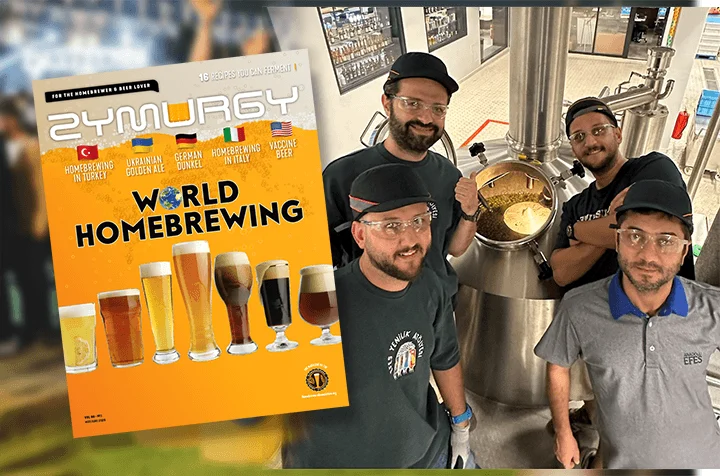

The American Homebrewers Association (AHA) has officially released the May/June 2026 edition of Zymurgy, its flagship publication, marking a significant milestone in the documentation of contemporary brewing culture and fermentation science. This latest installment serves as a comprehensive global survey, bridging the gap between ancient European traditions and cutting-edge biotechnological applications. As the homebrewing hobby continues to evolve from a kitchen-based pastime into a sophisticated field of technical study, the May/June issue highlights the increasing professionalization of the craft through 14 curated recipes, deep-dive stylistic analyses, and a landmark feature on the use of brewer’s yeast in medical vaccine production.
Under the editorial direction of Dave Carpenter, who has led the publication through a period of renewed focus on technical accuracy and global inclusivity, the issue positions fermentation as a universal language. From the emerging craft scene in Turkey to the refined cellars of Tuscany, the magazine documents how local ingredients and regional histories shape the modern pint. This issue arrives at a time when the global craft beer industry is seeking new identities, often looking backward to heritage styles and forward to sustainable, scientific breakthroughs.

The Global Recognition of Ukrainian Golden Ale
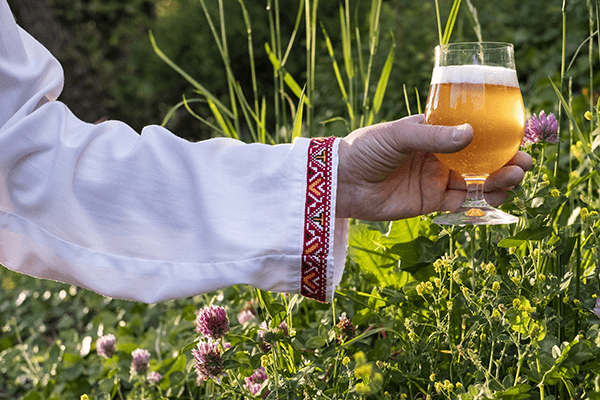
A central pillar of the May/June issue is the cover story authored by Lana Svitankova, a prominent voice in the international beer community and a tireless advocate for Ukrainian brewing identity. The feature focuses on the Ukrainian Golden Ale, a style that has spent years in the periphery of international competitions but is now rapidly gaining formal recognition. Svitankova details the specific parameters that distinguish this style from its European cousins: it possesses a higher alcohol-by-volume (ABV) and a more pronounced malt sweetness than the British Golden Ale, yet it avoids the spicy, ester-heavy profile of a Belgian Golden Strong Ale.
The push for Ukrainian Golden Ale to be recognized as an official category by the Beer Judge Certification Program (BJCP) represents more than just a taxonomic victory; it is a symbol of national resilience and cultural preservation. Svitankova’s reporting suggests that the style’s defining characteristic—a balance of strength and approachability—mirrors the spirit of the Ukrainian brewing community. The inclusion of this feature provides homebrewers with the technical specifications required to replicate the style, ensuring its survival and proliferation in home fermenters across the globe.
Technical Mastery: From Munich to Northern Italy
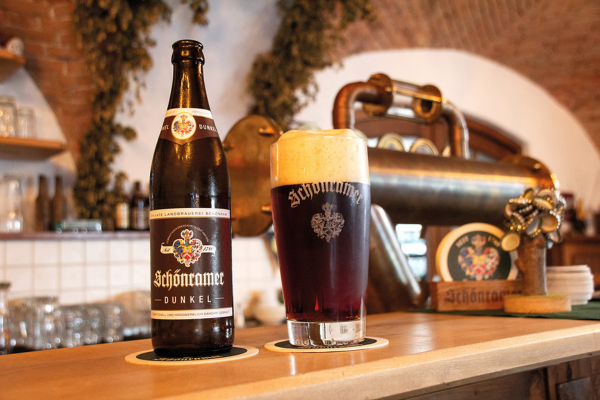
The May/June issue further enriches its readers’ technical knowledge through a series of "Deep Dive" articles focusing on European classics. A featured segment on German Dunkel addresses the complexities of brewing dark lagers. While often overshadowed by the ubiquitous Pilsner or the trendy Hazy IPA, the Dunkel remains a masterclass in malt management. The article explores the "secret" of the style: achieving a rich, toasted profile through the use of Munich malts and traditional decoction mashing without introducing the acrid, burnt bitterness often found in stouts. This balance of complexity and "drinkability" (or Süffigkeit) is presented as a fundamental challenge for the modern brewer.

In a parallel feature, National Homebrew Competition (NHC) gold medalist Carlo Sesia provides an intimate look at the Belgian Saison through the lens of a brewer in Northern Italy. Sesia’s contribution is particularly valuable for its focus on fermentation kinetics and yeast management. The Saison, known for its "farmhouse" origins, requires a delicate touch to manage the high fermentation temperatures and phenolic output of specific yeast strains. Sesia’s success on the international stage lends authority to his methodology, offering readers a blueprint for achieving "gold medal" quality in a home environment.
Terroir and Innovation in Tuscany
The regional exploration continues in the heart of Italy with a profile of the Homebrewers Fiorentini. This club, based in Florence, exemplifies the "terroir-driven" movement within homebrewing. By incorporating local Tuscan ingredients such as grape must, regional honey, and wine-soaked oak, these brewers are blurring the lines between enology and zymurgy.
The use of grape must, in particular, aligns with the rise of the Italian Grape Ale (IGA) as a recognized style. The Fiorentini’s approach emphasizes the importance of local sourcing—a trend that has gained momentum as brewers look to reduce their carbon footprint and create products that are uniquely tied to their geography. This segment of the magazine serves as a call to action for brewers to look beyond the standard catalog of hops and malts and instead investigate the botanical and agricultural offerings of their own backyards.
The Intersection of Brewing and Biotechnology: Vaccine Beer
Perhaps the most provocative feature in the May/June 2026 issue is the story of "Vaccine Beer," an account of the work performed by American virologist and homebrewer Chris Buck. Buck has pioneered a method using Saccharomyces cerevisiae—the standard brewer’s yeast—to produce recombinant proteins that form the basis of vaccines for polyomaviruses. This group of viruses includes several pathogens that can cause severe disease in immunocompromised individuals, including Merkel cell carcinoma.
The implications of Buck’s research are profound. By utilizing the robust fermentation infrastructure already present in the brewing industry, researchers can potentially lower the cost and increase the speed of vaccine production. The article explores how the same cellular processes that convert sugar into ethanol can be "reprogrammed" to assemble complex viral-like particles. This story highlights a growing trend where the boundaries between the hobbyist’s cellar and the professional laboratory are increasingly porous. It underscores the fact that homebrewers, through their mastery of yeast health and sanitation, possess a foundational understanding of the same principles that drive modern biomanufacturing.
Chronology and Industry Context
The release of this issue follows a period of significant transition for the American Homebrewers Association. Founded in 1978 by Charlie Papazian, the AHA has spent nearly half a century advocating for the rights of homebrewers. As the organization moves toward the late 2020s, it has pivoted to address a more global and technologically savvy membership.
- 2023-2024: The AHA sees a surge in membership following a "back-to-basics" movement in the culinary arts.
- 2025: Zymurgy Magazine undergoes a digital transformation, integrating interactive recipe calculators and augmented reality (AR) labels for its featured content.
- Early 2026: The announcement of the "Global Brewing Tour" series, of which the May/June issue is the centerpiece.
This timeline reflects a broader industry trend where homebrewing is no longer seen merely as a way to save money on beer, but as a legitimate form of culinary and scientific expression.
Supporting Data and Membership Impact
The May/June issue includes 14 validated recipes, a number that reflects the AHA’s commitment to providing "unmatched resources" for its members. According to internal data from the Association, recipes featured in Zymurgy are among the most brewed in the world, often serving as the basis for commercial beers later produced by "pro-am" participants.
The AHA’s paywall structure, as evidenced in the issue’s digital preview, remains a vital part of its operational model. With subscriptions priced at $4.99, the Association aims to fund ongoing research, legislative lobbying for homebrewing rights, and the maintenance of the National Homebrew Competition—the largest of its kind. The "Members-Only" content serves as an incentive for enthusiasts to join a community of over 37,000 members, providing them with access to a library of over 40 years of brewing knowledge.

Broader Implications and Future Outlook
The May/June 2026 issue of Zymurgy serves as a barometer for the health of the fermentation community. By highlighting the work of international figures like Lana Svitankova and Carlo Sesia, the magazine acknowledges that the "American" homebrewing movement is now a global phenomenon. The inclusion of the "Vaccine Beer" story suggests that the next frontier for the hobby may not be in the glass, but in the laboratory.
As the industry looks toward the latter half of the decade, the focus is expected to remain on sustainability, the exploration of non-traditional fermentation (such as Koji and various bacteria), and the continued integration of technology in the brewhouse. Under the leadership of Dave Carpenter, Zymurgy continues to document this journey, ensuring that whether a brewer is in a high-rise in Istanbul or a farmhouse in Tuscany, they have the technical tools and historical context necessary to push the boundaries of what is possible with water, malt, hops, and yeast.