
The landscape of the plant-based dining industry has undergone a radical transformation over the last five years, and few stories illustrate this evolution as poignantly as that of PLANTA. Once the darling of the upscale vegan scene with a rapidly expanding footprint across North America, the brand found itself at a perilous crossroads in early 2025. After years of aggressive development that prioritized unit count over operational stability, the company was forced to seek Chapter 11 bankruptcy protection in May 2025. Today, however, PLANTA is emerging as a leaner, more focused entity, attempting to prove that a disciplined approach to growth and a return to culinary fundamentals can save a brand from the brink of collapse.
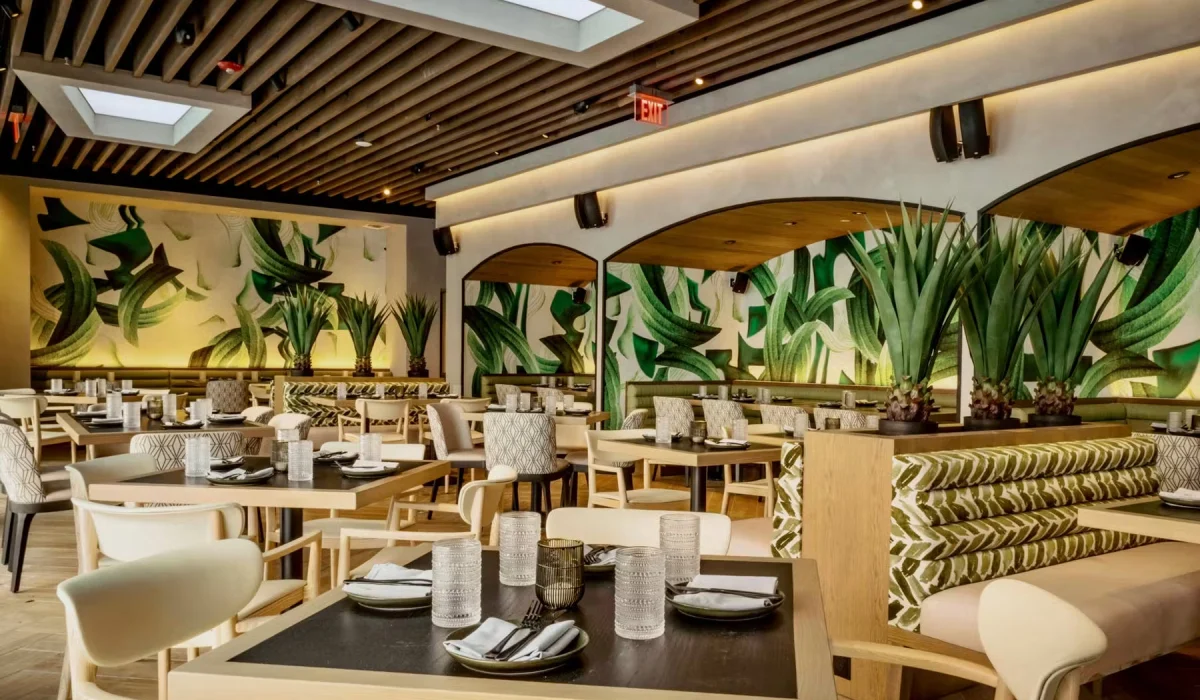
At its peak, PLANTA was more than just a restaurant; it was a cultural signal of the mainstreaming of high-end veganism. Founded in Toronto in 2016, the concept was built on a foundation of globally inspired, plant-forward cuisine that eschewed the "hippie" tropes of early veganism in favor of sophisticated, design-forward spaces and innovative menu items like ahi watermelon sushi and chick’n fried mushroom bao buns. By 2024, the brand had ballooned to nearly 20 locations, generating upwards of $46 million in annual sales. Yet, as court filings would later reveal, this top-line growth masked a structural instability fueled by an unsustainable development pipeline and a series of external economic shocks.
The Path to Insolvency: A Chronology of Overextension
The seeds of PLANTA’s financial distress were sown long before the 2025 bankruptcy filing. In the months leading up to the COVID-19 pandemic, the organization secured significant financing aimed at accelerating its North American expansion. This capital injection was intended to solidify PLANTA’s position as a market leader, but the timing proved catastrophic. When the global hospitality industry ground to a halt in March 2020, PLANTA was left holding numerous signed leases and construction commitments that could not be easily paused.
Despite the fractured supply chains, skyrocketing labor costs, and stalled construction timelines that defined the post-pandemic era, PLANTA’s leadership pressed forward with an aggressive growth strategy. Between 2021 and 2024, the chain opened 12 new restaurants. This expansion occurred during a period of record-high commodity inflation and a tightening labor market, which significantly increased the "burn rate" for new locations.
One of the most critical errors identified by current leadership was the strategic oversaturation of specific markets. Washington, D.C., serves as the primary case study for this miscalculation. The company opened multiple locations in such close proximity that they effectively cannibalized their own customer base. Daniel Moody, PLANTA’s Chief Operating Officer, who joined the brand shortly before the bankruptcy proceedings, noted that the distance between certain locations was so short—a mere ten-minute walk—that the market simply could not support the overlapping overhead.
Furthermore, the company was burdened by "ghost leases"—legal commitments to future sites that had never progressed past the initial planning stages. These obligations required the company to pay rent on empty shells or stalled projects, draining liquidity at a time when existing stores needed capital for maintenance and operations. By May 2025, the weight of landlord obligations and debt repayments became untenable, leading to the Chapter 11 filing.
The Anchorage Acquisition and Strategic Contraction
The bankruptcy process reached a definitive turning point in August 2025, when Anchorage Capital Group acquired the remaining assets of the chain. This acquisition facilitated a dramatic downsizing of the brand’s physical footprint. The current PLANTA system has been reduced to just five flagship restaurants located in New York City, Los Angeles, Chicago, Washington, D.C., and Bethesda, Maryland.
The most notable casualty of this restructuring was Toronto. Despite being the city where PLANTA was founded and where it built its initial cult following, the company shuttered its final two Canadian locations this spring. The exit from Toronto was a difficult but necessary decision driven by a combination of factors, including persistent construction disruptions surrounding the restaurant sites, declining foot traffic in those specific corridors, and the financial burden of operating in a cross-border capacity during a period of restructuring.
However, the contraction was not merely about survival; it was about creating a "firmer footing" for the future. By shedding underperforming or redundant units, the brand was able to focus its resources on its highest-performing assets. This shift from a quantity-first to a quality-first mindset has already begun to yield dividends, with some remaining locations reporting a 30 percent year-over-year increase in sales.
A New Operational Philosophy: Empowering Local Leadership
A central pillar of PLANTA’s rebuilding strategy is a total overhaul of its management structure. Under the previous regime, the organization was characterized by heavy corporate oversight and a culture of micromanagement. According to Moody, this centralized approach stifled the ability of store-level managers to respond to the unique needs of their specific markets.
"We let them be the owners of their locations," Moody explained, describing the new relationship between the corporate office and individual restaurant teams. "We are the investment team into the stores."
This decentralization has allowed for a more localized approach to the dining experience. Instead of a one-size-fits-all model, locations in Chicago or Los Angeles now have more autonomy to tailor their offerings and atmosphere to regional tastes. To support this, the company has redirected capital toward physical upgrades. The Chicago location, for example, recently underwent a comprehensive refresh, including new booth seating, an upgraded patio, and aesthetic enhancements designed to elevate the guest experience. The guiding principle for the new management team is simple: a brand should not be opening new restaurants if it cannot afford to maintain and improve its existing ones.
The Culinary Pivot: From Processed Alternatives to Whole Foods
Beyond operational changes, PLANTA is also navigating a shift in consumer preferences within the plant-based sector. For several years, the "vegan boom" was driven by highly processed meat alternatives—products designed to mimic the taste and texture of beef or chicken through complex chemical engineering. While these products helped bring plant-based eating to the mainstream, the "educated plant-based diner" of 2025 is increasingly wary of long ingredient lists and ultra-processed foods.
PLANTA’s new culinary direction leans heavily into what Moody calls "plant-forward" ingredients—whole foods that are minimally processed and easily recognizable. This is evidenced by new menu additions like the peri-peri kebab, which features a combination of fresh vegetables, tofu, and harissa chickpeas. The goal is to highlight the natural flavors of legumes, yuba (bean curd skin), and seasonal produce rather than relying on lab-grown substitutes.
This shift is not just a health-conscious move; it is a strategic one. Whole-food ingredients often offer better margins than expensive, branded meat analogues, and they align more closely with the "upscale" brand identity that PLANTA aims to project. Additionally, the company has reinvested in its beverage program, introducing premium cocktails and recognizable, high-end spirits to bolster its appeal as a nightlife and special-occasion destination.
The Broader Context: Turbulence in the Plant-Based Market
PLANTA’s struggles are reflective of a broader "correction" occurring across the plant-based industry. The initial euphoria that surrounded the sector in the late 2010s has been replaced by a more sober reality. Recently, other notable players have faced similar fates. Clover Food Lab, a Boston-based fast-casual staple, narrowly escaped total liquidation after a bankruptcy filing, saved only by a last-minute mystery investor. On the West Coast, the well-known Amy’s Drive-Thru shuttered its entire footprint earlier this year, citing similar pressures of labor costs and over-expansion.
Industry analysts suggest that the plant-based market is bifurcating. While fast-casual "vegan junk food" concepts are struggling to compete with traditional fast-food prices, upscale concepts like PLANTA may find a sustainable niche if they can offer a level of culinary artistry and atmosphere that justifies their price point. The challenge for PLANTA moving forward will be to maintain its "craveable" status while convincing diners that plant-based cuisine is a permanent lifestyle choice rather than a passing trend.
Future Outlook: Disciplined Growth and Market Selection
Despite the dramatic reduction in its footprint, PLANTA’s leadership remains optimistic about the brand’s long-term scalability. However, the days of "growth for growth’s sake" are over. Future expansion will be characterized by a "disciplined growth" model, likely focusing on second-generation restaurant spaces. By moving into sites that were previously occupied by other restaurants, PLANTA can significantly reduce the capital expenditure required for build-outs, which was a major contributor to its previous debt load.
Moody has identified cities like San Francisco, Portland, and Seattle as attractive long-term targets—markets with high concentrations of health-conscious, educated diners who align with the PLANTA brand. Even a return to Toronto has not been ruled out, though any such move would require a vastly different economic climate and a more strategic selection of real estate.
"I think there should be a PLANTA in every major city across the U.S.," Moody says, though he is quick to add that the company is no longer in a rush. The focus for the immediate future remains on the five existing locations, ensuring they remain profitable, well-maintained, and responsive to the evolving demands of the modern diner.
As PLANTA navigates its post-bankruptcy reality, it serves as a cautionary tale and a potential blueprint for the restaurant industry. It highlights the dangers of rapid, debt-fueled expansion in a volatile economy, but also the possibility of redemption through operational discipline, localized management, and a return to high-quality, transparent ingredients. For the plant-based movement, PLANTA’s survival may well indicate that the future of vegan dining lies not in trying to replicate the past, but in creating something entirely new and authentically plant-forward.