The universal human aspiration to live a longer, healthier life has never been more pronounced, nor has the market promising to deliver it been more saturated. In an era defined by rapid information dissemination and the pervasive influence of digital platforms, individuals seeking to extend their lifespan and enhance their vitality are confronted with an overwhelming array of advice, products, and protocols. From fitness gurus advocating rigorous dietary restrictions and complex exercise regimens to biohackers promoting cutting-edge supplements and experimental therapies, the landscape of "health optimization" is vast, alluring, and often contradictory. This article delves into the contemporary pursuit of longevity, examining the allure of advanced health protocols, scrutinizing their purported efficacy, and analyzing the genuine costs—financial, temporal, and psychological—involved in the quest for an "optimal" existence.
The Enduring Human Desire for Longevity
The yearning for extended life is as old as humanity itself, woven into ancient myths, philosophical texts, and religious doctrines. Throughout history, various cultures have sought elixirs of life or pathways to immortality. While true immortality remains firmly in the realm of fiction, modern science and public health initiatives have demonstrably extended human lifespans. Global life expectancy has seen a dramatic increase over the past two centuries, largely due to advancements in sanitation, nutrition, vaccination, and medical treatment. According to data from the World Health Organization (WHO), global life expectancy at birth rose by more than six years between 2000 and 2019, reaching 73.4 years. In some developed nations, it exceeds 80 years. This progress has shifted the focus from merely living longer to living better and healthier for longer – a concept often termed "health span" rather than just "life span."
The demographic shift towards an aging global population has further amplified interest in anti-aging strategies and chronic disease prevention. As more people live into their later years, the burden of age-related diseases—such as cardiovascular disease, diabetes, neurodegenerative conditions, and certain cancers—becomes a paramount concern. This societal context provides fertile ground for the growth of an industry promising to not only extend life but to preserve youth, vitality, and cognitive function well into advanced age.
The Rise of the "Optimization" Movement
The past two decades have witnessed the explosive growth of the "wellness industry," a multi-trillion-dollar global market encompassing everything from organic food and fitness wearables to meditation apps and aesthetic procedures. Within this sprawling sector, a distinct "health optimization" or "biohacking" movement has emerged, championed by a new generation of influencers, authors, and podcasters. These proponents often promise not just improvements, but "optimization" – a term suggesting the absolute pinnacle of human performance and longevity.
The appeal of these protocols is multifaceted. They often tap into a desire for control over one’s health outcomes, offering seemingly personalized solutions in a world increasingly perceived as toxic or detrimental to well-being. The narrative frequently involves "reversing chronic disease," "extending youthful glow," or even achieving lifespans previously thought impossible, such as living to 115 or beyond. Social media platforms, in particular, have become powerful conduits for these messages, allowing individuals with compelling personal stories or charismatic personalities to build large followings and monetize their advice, often without formal medical or scientific credentials.
This movement is characterized by its emphasis on highly specific, often complex, and sometimes extreme protocols. These can include:
- Nootropics and Smart Drugs: Substances aimed at enhancing cognitive function.
- Extreme Dietary Regimens: Such as extended fasting, ketogenic diets, or highly restrictive elimination diets.
- Advanced Supplementation: Regimens involving dozens of vitamins, minerals, adaptogens, and other compounds.
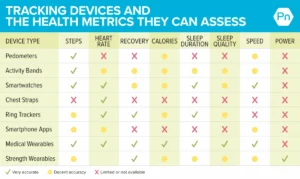
- Wearable Technology: Devices for continuous glucose monitoring, heart rate variability tracking, sleep analysis, and other biometric data.
- Cryotherapy and Hyperbaric Oxygen Therapy: High-tech interventions aimed at cellular rejuvenation.
- Genetic Testing and Personalized Medicine: Tailoring interventions based on individual genetic predispositions.
The global wellness economy was estimated at $4.4 trillion in 2020 by the Global Wellness Institute and is projected to reach $7.0 trillion by 2025. This immense economic engine fuels the continuous proliferation of new products, services, and gurus, making it increasingly challenging for the average consumer to discern legitimate, evidence-based strategies from speculative or unproven claims.
Scrutinizing the Claims: Necessity vs. Hype
A central question posed by this burgeoning industry is whether these ultra-specific, advanced protocols are truly necessary, or even effective, for achieving significant health and longevity benefits. While the human body is a marvel of biological engineering, its fundamental requirements for health are surprisingly consistent and relatively simple: adequate nutrition, regular physical activity, sufficient sleep, stress management, and strong social connections. These pillars of health are widely supported by decades of rigorous scientific research and are the cornerstone of public health recommendations worldwide.
However, the "optimization" movement often positions these foundational elements as insufficient, implying that one must go "beyond" the basics to unlock true potential. This narrative often downplays the profound impact of consistent, moderate lifestyle choices in favor of more dramatic, often proprietary, interventions. For example, while a balanced diet rich in whole foods, fruits, and vegetables is unequivocally linked to better health outcomes, some influencers promote highly restrictive diets that may lack essential nutrients or be unsustainable in the long term, promising "detoxification" or "metabolic resets" that lack robust scientific backing. Similarly, while regular exercise is crucial, some advocate for extreme, high-intensity training protocols that may carry a higher risk of injury or burnout for the general population.
Medical and scientific communities generally approach these advanced protocols with caution. Dr. David Katz, a prominent preventive medicine physician, has often emphasized that the vast majority of health benefits come from adhering to a few fundamental principles, and that the marginal gains from increasingly complex or expensive interventions often diminish rapidly. The scientific method demands rigorous testing, peer review, and replication of results, processes that many of the novel "optimization" strategies have not undergone. Many claims are based on anecdotal evidence, preliminary animal studies, or small, uncontrolled human trials, rather than large-scale, randomized controlled trials—the gold standard in medical research.
Furthermore, the emphasis on "optimization" can inadvertently foster a sense of inadequacy or failure if individuals cannot adhere to stringent protocols or achieve promised results. It can create an environment where the pursuit of health becomes an all-consuming endeavor, rather than an integrated part of a balanced life.
The True Cost: Financial, Time, and Psychological
Beyond the scientific validity, another critical aspect to consider is the "true cost" of these optimization efforts. This cost extends far beyond monetary expenditure, encompassing significant investments of time, mental energy, and emotional well-being.

Financial Burden: Many advanced health protocols are prohibitively expensive. This can include:
- High-end supplements: Daily regimens can cost hundreds or even thousands of dollars per month.
- Specialized foods and ingredients: Organic, rare, or superfood-labeled items often come with a premium price tag.
- Advanced diagnostic tests: Genetic sequencing, comprehensive blood panels, gut microbiome analysis, and heavy metal screenings can cost hundreds to thousands of dollars, often not covered by insurance.
- High-tech gadgets and therapies: Wearables, red light therapy devices, specialized water filters, and clinic-based treatments like IV drips or cryotherapy represent substantial investments.
- Coaching and consulting fees: Personalized plans from "longevity coaches" or "biohacking experts" can be very costly.
This financial barrier creates a significant equity issue, making "optimal health" a luxury item accessible primarily to the affluent. It implies that good health is something that must be bought, rather than cultivated through accessible, sustainable practices.
Time Commitment: "Optimizing" one’s health often demands a substantial allocation of time. This can involve:
- Rigorous meal preparation: Adhering to specific dietary protocols often requires extensive planning, shopping, and cooking.
- Elaborate exercise routines: Beyond basic physical activity, some programs mandate multiple daily workouts, specialized equipment, or extensive recovery protocols.
- Data tracking and analysis: Continuous monitoring of biometrics, sleep patterns, and dietary intake can be time-consuming.
- Research and learning: Staying abreast of the latest trends and understanding complex protocols requires significant intellectual investment.
For individuals juggling work, family, and other responsibilities, such time demands can be overwhelming and unsustainable, leading to frustration and eventual abandonment of the protocols.
Psychological Toll: Perhaps the most insidious cost is the psychological burden. The relentless pursuit of perfection in health can lead to:
- Obsessive behaviors: A preoccupation with food, exercise, and body metrics can verge on orthorexia (an unhealthy obsession with healthy eating) or exercise addiction.
- Anxiety and stress: The pressure to constantly "optimize," fear of making "wrong" choices, or failure to meet self-imposed high standards can induce significant stress, paradoxically undermining health.
- Social isolation: Restrictive diets or extreme routines can make social eating or participation in common activities challenging, leading to withdrawal.
- Body image issues: The focus on achieving an "optimal" physique or functional capacity can foster dissatisfaction with one’s natural state.
- Financial stress: The pressure to keep up with expensive trends can lead to financial strain, adding another layer of anxiety.
These psychological trade-offs can negate many of the purported physical benefits, demonstrating that a life "optimized" for health may not necessarily be a life that is enjoyed or fulfilling.
Expert Perspectives and Regulatory Oversight
Public health officials, registered dietitians, medical doctors, and exercise physiologists generally advocate for a more balanced and evidence-based approach to health and longevity. Organizations like the American Heart Association, the American Diabetes Association, and the Academy of Nutrition and Dietetics consistently emphasize the importance of whole, unprocessed foods, regular moderate-to-vigorous physical activity, adequate sleep, stress reduction techniques, and avoiding smoking and excessive alcohol consumption. These foundational habits are accessible to most people, have extensive scientific backing, and are sustainable over a lifetime.
Many experts express concern about the proliferation of unproven claims in the wellness sector. Dr. Peter Attia, a physician focused on longevity, while acknowledging the potential of advanced science, often cautions against chasing marginal gains before mastering the fundamentals. He and others highlight that the vast majority of longevity benefits come from addressing the "low-hanging fruit" of lifestyle choices.
A significant challenge in the health optimization space is the often-lax regulatory environment. Unlike pharmaceuticals or medical devices, many supplements, functional foods, and wellness services are not subject to the same rigorous testing and approval processes by bodies like the U.S. Food and Drug Administration (FDA). This lack of oversight means that claims of efficacy and safety may not be substantiated, and consumers are often left to navigate a minefield of marketing rhetoric. There is a growing call for increased consumer protection and greater transparency regarding the scientific basis for wellness claims.
Finding Sustainable Longevity: A Balanced Approach
The pursuit of health and longevity is a noble and worthwhile endeavor. However, the most effective and sustainable path often lies not in extreme optimization, but in consistent adherence to fundamental principles, coupled with a healthy dose of critical thinking.
- Prioritize the Fundamentals: Focus on a balanced diet rich in plants, lean proteins, and healthy fats; engage in regular physical activity that you enjoy; prioritize 7-9 hours of quality sleep per night; manage stress effectively through techniques like mindfulness or meditation; and foster strong social connections. These are the bedrock of health span.
- Seek Evidence-Based Information: Consult reputable sources such as peer-reviewed scientific journals, professional medical organizations, and credentialed healthcare providers (doctors, registered dietitians, certified exercise physiologists). Be skeptical of claims that sound too good to be true, promise quick fixes, or rely solely on anecdotal evidence.
- Personalize, Don’t Optimize to Extremes: While genetic predispositions and individual responses vary, true personalization means adapting general healthy principles to one’s unique circumstances, preferences, and health status, rather than blindly following complex, generic protocols.
- Consider the "Cost-Benefit" Ratio: Before investing significant time, money, or mental energy into a new protocol, honestly evaluate whether the potential benefits genuinely outweigh the costs and trade-offs. Will this enhance your life, or merely add stress and financial burden?
- Embrace Enjoyment and Flexibility: A truly healthy life is one that is enjoyed. Rigidity and deprivation can be detrimental. Allow for flexibility, treat yourself occasionally, and find joy in the process.
Broader Societal Implications
The conversation around health optimization has broader societal implications. It highlights the tension between individual responsibility for health and the systemic factors that influence it. While individuals are empowered to make choices, socioeconomic determinants, environmental factors, and access to quality healthcare play significant roles. The emphasis on expensive, niche protocols can inadvertently shift focus away from addressing these fundamental public health challenges.
Moreover, the rise of the wellness influencer economy underscores the need for media literacy and critical thinking skills in the digital age. Consumers must be equipped to evaluate health information critically, distinguish marketing from science, and protect themselves from misinformation and potential exploitation.
In conclusion, the desire for a longer, healthier life is innate and commendable. However, the journey towards "optimal" health is often misrepresented as a complex, expensive, and demanding expedition, when in reality, the most impactful steps are often the most accessible and sustainable. True longevity and well-being are found not in the relentless pursuit of perfection at all costs, but in the harmonious integration of evidence-based practices with a life rich in purpose, connection, and enjoyment. The ultimate goal should be to live a life that is both long and healthy, without sacrificing the joy and balance that make it worth living.