
This compelling statement, now a defining tagline for Kate Solovieva, former professor of psychology, PN master coach, and Precision Nutrition’s director of community engagement, encapsulates a core challenge within the rapidly expanding field of professional coaching. With extensive experience coaching thousands of clients and, uniquely, specializing in guiding other coaches, Solovieva possesses an unparalleled vantage point into the victories and blunders common across the industry. Through her roles as an instructor for PN’s Level 2 Master Health Coaching Certification, a facilitator for PN’s private online coaching communities, and a coach in her private practice, she regularly encounters the nuanced questions and systemic challenges faced by both emerging and seasoned practitioners. Her insights, derived from this comprehensive exposure, aim to elevate the professional standards and operational effectiveness of coaches striving for excellence.
The coaching industry has witnessed explosive growth over the past decade, transforming into a multi-billion-dollar global market. According to a 2023 report by the International Coaching Federation (ICF), there are over 100,000 professional coaches worldwide, a figure that continues to climb. This expansion reflects a societal shift towards personalized development, health optimization, and career acceleration. However, this burgeoning landscape also presents unique challenges, particularly for those entering the profession or seeking to scale their practices. Many coaches, driven by a genuine desire to help and equipped with substantial knowledge, often find themselves ill-prepared for the entrepreneurial demands of running a successful coaching business. Solovieva’s observations highlight critical areas where coaches frequently falter, often due to deeply ingrained assumptions or an overemphasis on one aspect of their role at the expense of others. Her objective is to empower coaches to achieve sustainable success by identifying and rectifying these common pitfalls. This article delves into three primary mistakes she observes, offering practical solutions grounded in extensive experience and a profound understanding of human psychology and professional development.
Coaching Mistake #1: The Overemphasis on Expertise, Underestimating Sales and Business Foundations
A prevalent misconception among aspiring coaches is that profound knowledge alone will suffice for building a thriving practice. Solovieva likens a coaching business to a three-legged stool, implying that multiple foundational elements are necessary for stability. While the desire to become the "best coach possible" through continuous learning and certification is commendable, it often leads to a critical imbalance. Many individuals entering the coaching profession are intrinsically motivated by their passion for helping others and their dedication to mastering their craft. However, this dedication frequently overshadows the equally vital components of business development and sales.
"The vast majority of folks who get into coaching start with the coaching leg," Solovieva notes. "They want to become the best coach they can be, which is amazing. However, to become the best coach you can be, information and theory only get you so far." The professional landscape, particularly in health and wellness coaching, is saturated with individuals possessing advanced degrees and numerous certifications. Yet, a significant portion struggles to establish or maintain viable practices. Data from various small business associations consistently shows that a lack of business acumen, including effective sales and marketing strategies, is a leading cause of failure for new ventures. For coaches, this often translates into an endless pursuit of more knowledge, postponing the crucial step of engaging with potential clients.
Solovieva emphasizes that true coaching mastery is not forged in isolation. "You cannot become the best coach you can be in a vacuum, talking to yourself in your office." The practical application of knowledge, the refinement of communication skills, and the development of effective client strategies all necessitate direct engagement. Coaches who delay selling their services, waiting until their knowledge feels "complete," inadvertently hinder their own development. The paradox is clear: coaches who start selling sooner also begin coaching sooner, thereby gaining invaluable practical experience. This hands-on engagement provides real-world feedback, accelerates skill development, and builds a portfolio of client successes, ultimately giving them a significant advantage over those who remain in perpetual preparation mode. The coach who, despite initial uncertainties, begins practicing will accumulate business and coaching experience simultaneously, significantly improving their odds of long-term success and impact.
Solution: Embracing the Role of a Coach, Not Solely an Expert
The natural inclination to accumulate certifications before launching a practice stems from a desire to be perceived as an expert—someone capable of fielding any question. This mindset, while rooted in good intentions, can be a professional trap. Solovieva identifies a common anxiety among coaches: the discomfort, even mortification, of not having an immediate answer to a client’s query. This feeling is often predicated on the erroneous assumption that a coach must be an infallible authority.
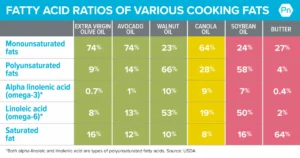
"When I show up to a coaching conversation, my role is not ‘the expert’," she clarifies. While a baseline of knowledge is non-negotiable (e.g., understanding protein sources in nutrition coaching), the expectation of encyclopedic recall on every minutia of biochemistry or the latest research on obscure topics is unrealistic and counterproductive. Coaches are not expected to deliver lectures or recall the exact omega-3 to omega-6 ratio in flax oil.
Crucially, Solovieva suggests that even when a coach knows the answer, immediate disclosure might not be the most productive approach. For instance, if a client inquires about seed oils, an expert might launch into a summary of scientific literature. A coach, however, might respond, "That’s a great question. I can get you some information on that if you’d like, but I’m curious, why do you ask?" This subtle shift transforms the interaction from an information exchange into a coaching opportunity. By delving into the "why," the coach uncovers the client’s underlying motivations and concerns. The client might reveal they heard about seed oils from a friend who lost weight by eliminating them, and they hope for a similar outcome. This revelation shifts the focus from a specific dietary component to the client’s broader goal of weight loss, allowing the coach to guide them toward more effective and relevant strategies, which may or may not involve seed oils.
The fundamental takeaway here is that clients often do not require more information; they require coaching. A coach’s value lies not in knowing everything, but in facilitating insight, guiding action, and supporting behavior change. When faced with a client question, coaches should consider if the answer directly aids action. If so, they can provide it or offer to find the information. If not, turning it into a question about the client’s curiosity can open doors to more profound and actionable conversations. This approach empowers clients, fosters self-efficacy, and ultimately leads to more sustainable results.
Coaching Mistake #2: The Peril of Projection: Assuming Client Homogeneity
It may seem self-evident that clients are not mere reflections of their coaches. However, in the intimacy of a coaching relationship, particularly when rapport is strong, it is remarkably easy for coaches to project their own values, preferences, and experiences onto their clients. This unconscious bias can manifest in various ways, such as assuming clients share a deep value for health and fitness, enjoy specific types of exercise, or have the time and resources for intricate meal preparation.
Solovieva points out that coaches often enter the profession precisely because they highly value nutrition, exercise, and overall well-being. This personal alignment can lead to the assumption that clients hold these same values, or at least prioritize them in the same way. "There’s nothing inherently superior about valuing your health. If you do, yes, you’ll probably experience better health and live longer. But not everyone shares those values. That’s a tough one to swallow," she states. This reality underscores a critical aspect of client-centered coaching: acknowledging and respecting the diversity of human values and priorities.
When coaches fail to recognize and account for the unique individuality of each client—their specific preferences, life circumstances, cultural backgrounds, and personal goals—they risk suggesting behaviors that are impractical or impossible, or striving for outcomes that hold little genuine meaning for the client. The implications of this mistake are significant: clients may feel misunderstood, unheard, or unsupported, leading to frustration and disengagement. For the coach, it can lead to feelings of ineffectiveness or inadequacy, creating a cycle of dissatisfaction. This lack of individualized approach is a common reason for client dropout and diminished coaching effectiveness.
Solution: Cultivating Deep Client Understanding and Individualized Strategies
The antidote to assuming clients are like you is to consciously assume nothing. This requires coaches to consistently check their biases and preconceived notions at the door, approaching each client interaction with an open, curious, and non-judgmental mind. The emphasis shifts from telling to asking, from prescribing to exploring.
Solovieva advocates for a robust discovery process, beginning with fundamental questions designed to uncover the client’s unique landscape. Questions such as: "What inspired you—or pushed you—to come in today?" or "Why is that goal meaningful to you?" or "What skills do you have today that might help you achieve your goal? What skills do you feel you might be missing?" are invaluable. These inquiries move beyond surface-level desires to explore intrinsic motivations, potential barriers, and existing strengths. Active listening, allowing clients ample space to articulate their experiences and perspectives, becomes paramount.
The challenge of withholding assumptions can be particularly acute when clients share superficial similarities with the coach—perhaps a similar family structure, a shared athletic pursuit, or a common health challenge. While such commonalities can build initial rapport, they can also reinforce the temptation to project. In these instances, Solovieva suggests a nuanced approach: acknowledge the shared experience while immediately inviting the client to articulate their own journey. "I know what [insert shared experience] has been like for me, but what has [insert shared experience] been like for you?" This framing validates the connection while simultaneously honoring the client’s unique narrative.
Once a clear picture of the client’s values, priorities, and motivations for change has been established, the coach can then assess which actions the client is truly ready, willing, and able to take. This assessment must also be free of projection. For example, a coach who finds meal prep simple and efficient should not assume their client will feel the same way, especially if the client has limited time, resources, or culinary skills. Tools like Precision Nutrition’s "Ready, Willing, and Able Worksheet" provide a structured framework for this critical assessment, ensuring that proposed strategies are realistic, sustainable, and genuinely aligned with the client’s capacity and desire for change. Ultimately, effective coaching is about meeting the client where they are, understanding their world, and collaborating on a path forward that resonates deeply with their individual identity and circumstances.
Coaching Mistake #3: The Double-Edged Sword of Empathy: Over-Attachment to Client Outcomes
Coaches are inherently driven by a desire to help and to witness their clients succeed. This deep sense of care is often the very reason individuals enter the profession. However, this admirable quality can, paradoxically, become a significant source of professional burnout and emotional distress if not managed effectively. Solovieva acknowledges this inherent trait: "There’s a reason we go into coaching. It’s because we care and we want to help clients. We want to see them succeed."
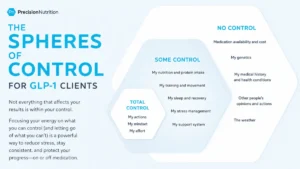
The reality of coaching, however, involves a fundamental lack of control over client behavior. Coaches meticulously craft plans, offer sound advice, and provide unwavering support. Yet, after the session, clients must execute these plans independently. "And then they walk off and either do the thing or don’t do the thing. That’s brutal," Solovieva remarks. No matter how perfectly designed a strategy, how compelling the advice, or how profound the coach’s commitment, the ultimate responsibility for action and results rests with the client.
This can lead to significant emotional challenges for coaches. Frustration, disappointment, or even heartbreak can arise when clients fail to implement agreed-upon actions or do not achieve their desired outcomes. While Solovieva posits that feeling these emotions is a natural and even healthy sign that the work holds meaning, she identifies a critical boundary: "However, I think there’s a point there where we can start caring more than the client themselves." This is the line that, once crossed, becomes detrimental to both the coach and the coaching relationship. Over-investment can lead to resentment, exhaustion, and an unhealthy dynamic where the coach inadvertently shoulders too much of the client’s responsibility.
Precision Nutrition conceptualizes this dynamic with the idea of "care units." These units represent the amount of time, energy, attention, authenticity, and "heart" a coach invests in their clients. Clients also possess a certain number of care units—their own capacity for investment in their change and growth. Often, clients, burdened by life’s complexities, have fewer care units to allocate than their coaches might anticipate. The advice from PN is profound in its simplicity: care one care unit less than your client does. This doesn’t imply indifference; rather, it’s a strategic emotional boundary that protects the coach’s well-being and fosters greater client autonomy.
Solution: Establishing Clear Boundaries and Defining Responsibilities
Maintaining an appropriate level of emotional investment while still effectively guiding clients hinges on clearly delineating responsibilities. Solovieva stresses the importance of explicit clarity regarding the coach’s role. "Because if you are very, very clear on what your role is as a coach, then you can sort of go through the list, and check in with yourself: ‘Did I show up? Did I follow up? Did I coach this person to the best of my ability?’" This self-assessment allows coaches to objectively evaluate their performance based on their defined responsibilities, rather than solely on client outcomes over which they have limited control.
For instance, a coach’s responsibilities might include:
- Providing evidence-based information and resources.
- Facilitating discovery and goal-setting sessions.
- Offering personalized strategies and action plans.
- Providing consistent support and accountability check-ins (e.g., weekly emails, bi-weekly calls).
- Maintaining a professional, empathetic, and non-judgmental space.
Conversely, the client is responsible for:
- Actively participating in coaching sessions.
- Implementing agreed-upon actions and strategies.
- Communicating challenges, successes, and feedback honestly.
- Taking ownership of their journey and progress.
- Engaging with provided resources and tools.
Ideally, this clear delineation of responsibilities should be established early in the coaching relationship, either through open discussion, a formal coaching agreement, or a contract. This initial conversation also serves as a crucial vetting process for coach-client fit. Solovieva offers an example: "When I’m having that initial conversation with a prospective client, I can ask, ‘What does accountability look like to you?’ If the client replies, ‘Well, I want you to text me every morning and night, and I want you to make sure I’ve done my workout, and also ship groceries to my house,’ then I will be the one to say, ‘I don’t think this is a good fit.’"
Such early clarity prevents future friction and disappointment. Clients understand what to expect from their coach, and coaches are protected from shouldering an unsustainable burden, mitigating burnout. This framework also provides resilience in challenging scenarios, such as when a client "ghosts" before a contract concludes. "When somebody doesn’t reply to me, I don’t take it personally. It’s not their job to reply, but it is my job to check in," Solovieva explains. This professional detachment allows her to continue fulfilling her contractual obligations without emotional distress, ensuring a final, supportive message upon contract completion, leaving the door open for future engagement. The separation of roles fosters a healthier, more sustainable coaching practice built on mutual respect and clearly defined expectations.
Beyond the Pitfalls: The Path to Sustainable Coaching Success
The journey of a coach is one of continuous learning, adaptation, and self-reflection. The "mistakes" highlighted by Kate Solovieva are not indicative of failure, but rather common developmental challenges that, once recognized and addressed, pave the way for greater efficacy and professional longevity. If a coach has found themselves falling into these patterns, it is often a testament to their deep commitment and genuine care for their clients—qualities that are fundamental strengths, not weaknesses.
The insights from Solovieva, particularly through her work at Precision Nutrition, underscore the evolving professionalism of the coaching industry. As the demand for skilled coaches grows, so too does the need for robust training, ethical guidelines, and practical business acumen. Professional development, mentorship, and a commitment to self-care are paramount for coaches navigating this dynamic landscape. Recognizing and celebrating one’s own efforts, even amidst challenges, is an essential, often overlooked, aspect of sustainable coaching.
By consciously shifting focus from perpetual expertise acquisition to early client engagement and sales, by cultivating deep, individualized client understanding rather than projecting personal biases, and by establishing clear boundaries to manage emotional investment, coaches can transform potential pitfalls into pillars of strength. These strategies not only enhance client outcomes but also safeguard the coach’s well-being and ensure the sustainable growth of their practice. Precision Nutrition’s resources, such as the Level 1 Nutrition Coaching Certification, provide foundational training to help aspiring and current coaches build the sustainable habits and professional frameworks necessary to make a significant impact on their clients’ lives while fostering a rewarding career.