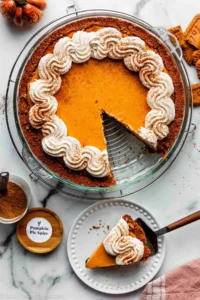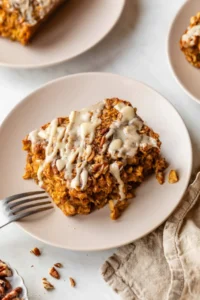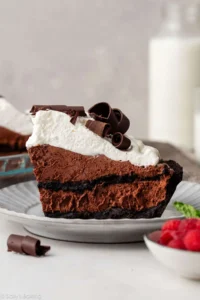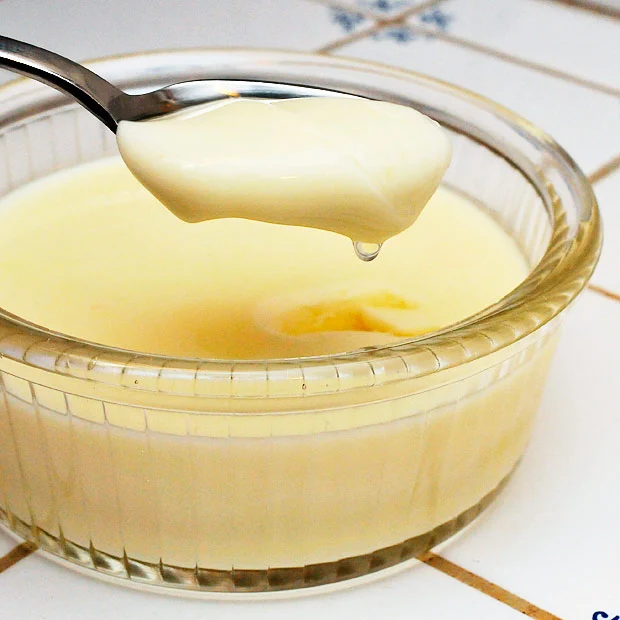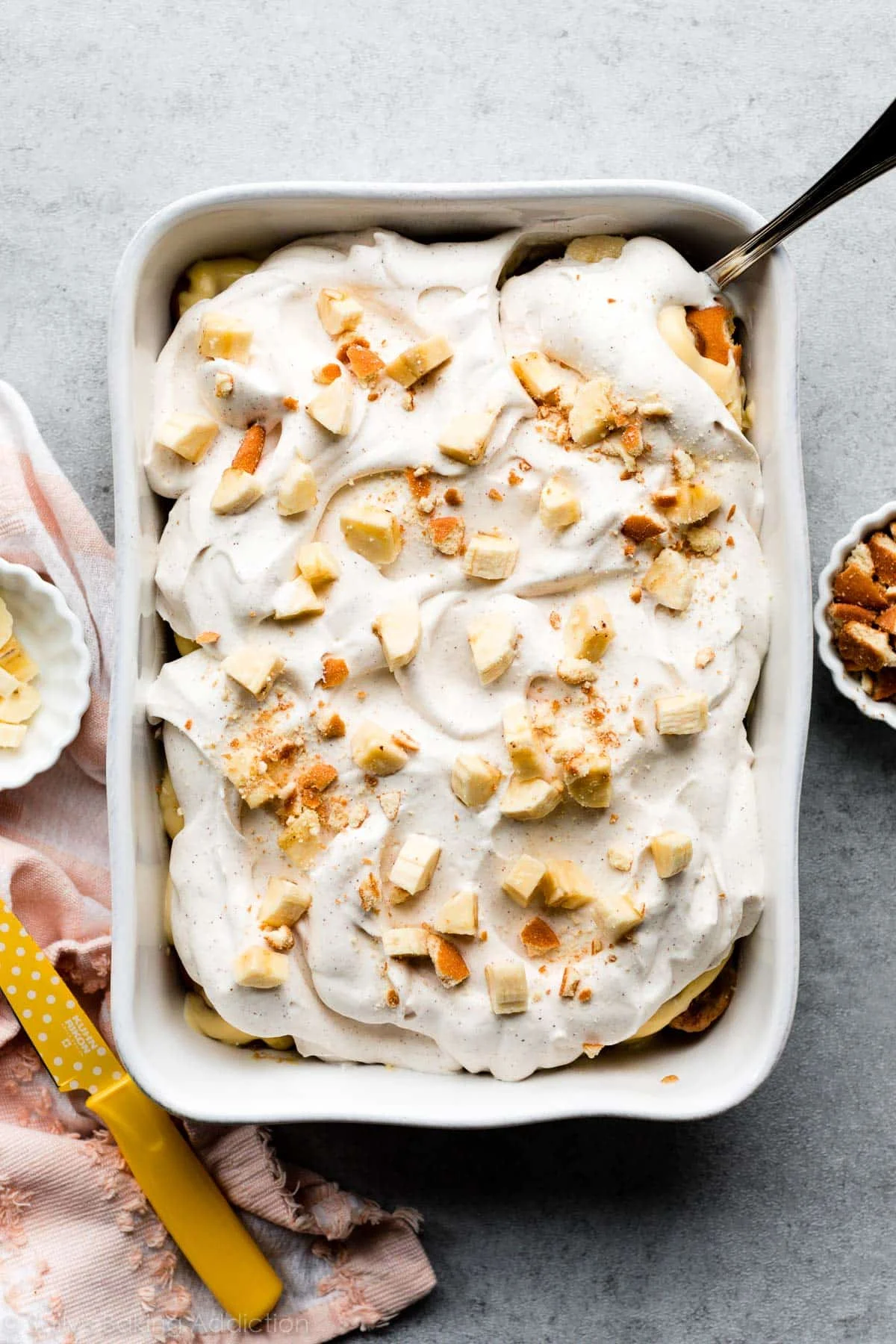

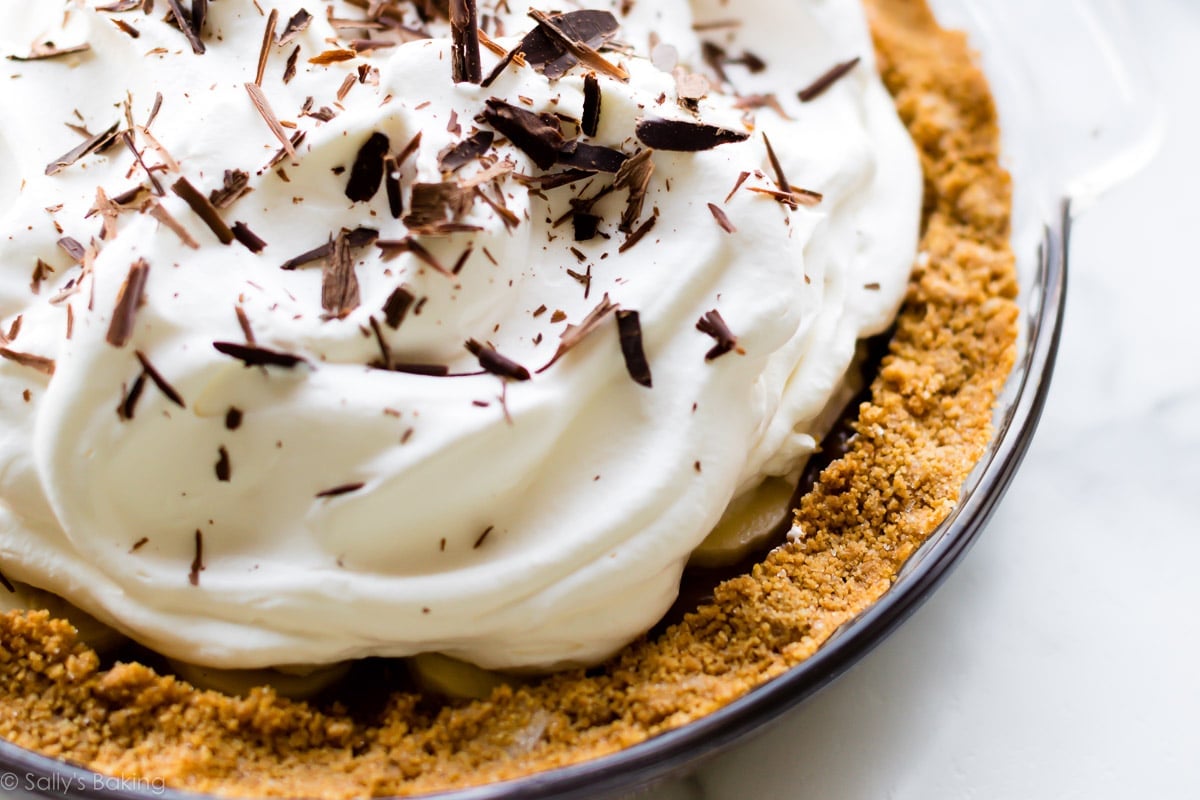
Homemade whipped cream, a deceptively simple concoction of just three ingredients, stands as a testament to the enduring appeal of fresh, unadulterated flavors in the culinary world. This light, creamy, and billowy topping effortlessly transforms almost any dessert into an extra-special indulgence, offering a superior taste and texture profile compared to its canned or tub counterparts. Its versatility makes it a perfect complement for a vast array of sweet dishes, from classic pies, elaborate cakes, and delicate cupcakes to rich cheesecakes, layered trifles, elegant crepes, and fresh seasonal berries.
A Timeless Classic: The Historical Roots of Crème Chantilly
The concept of whipped cream, particularly in its sweetened and flavored form, traces its origins back centuries, with culinary historians often crediting its refinement to French cuisine. The term crème chantilly – a direct translation to "Chantilly cream" – specifically refers to sweetened whipped cream flavored with vanilla, a distinction that elevates it beyond mere plain whipped cream. While its exact genesis remains a subject of some debate, popular lore often attributes its creation to François Vatel, the famed maître d’hôtel at the Château de Chantilly in the 17th century. Vatel, renowned for his elaborate feasts, is said to have introduced this delicate topping, possibly as early as 1671, adding a touch of ethereal elegance to desserts served to European nobility.
Over subsequent centuries, whipped cream, in its various iterations, became a staple in European patisseries and households. Its journey from aristocratic tables to everyday kitchens was propelled by evolving culinary techniques and the increasing availability of dairy products. The simple act of aerating cream, transforming it from a liquid to a stable, voluminous foam, became a foundational skill for cooks and bakers, marking it as a timeless element in dessert preparation.
The Science Behind the Billow: Understanding Cream and Its Transformation
At its core, homemade whipped cream relies on a fundamental principle of dairy science: the emulsification and aeration of milk fat. Heavy cream, or heavy whipping cream, is the ingredient of choice due to its high milk fat content, typically ranging from 36% to 40%. This higher fat percentage is crucial for achieving stable, well-defined peaks that hold their shape over time. In contrast, regular whipping cream, with about 30% milk fat, will also whip but may not maintain its structure as long, often resulting in a softer, more delicate consistency. Half-and-half or standard milk are unsuitable for whipping as their fat content is simply too low to create the necessary emulsion and structure.
The process of whipping incorporates air into the cream, creating a network of fat globules that trap air bubbles. As the cream is agitated, these fat globules coalesce and partially solidify around the air, forming a stable foam. The colder the cream, the firmer the fat globules, which in turn allows them to trap air more efficiently and create a more robust structure. This is why chilling the cream, and often the mixing bowl and whisk attachments, is a frequently recommended "success tip" by culinary experts.
The Sweetener Spectrum: Granulated vs. Confectioners’ Sugar
While vanilla extract provides a warm, aromatic foundation for classic whipped cream, the choice of sweetener plays a significant role in both flavor and texture. The two primary contenders are granulated sugar and confectioners’ sugar (also known as powdered sugar or icing sugar).
Confectioners’ sugar is widely preferred by many professional bakers for its fine texture and the small amount of cornstarch typically included. The fine particles dissolve quickly and completely into the cream, ensuring a silky-smooth finish without any grittiness. The cornstarch acts as a mild stabilizer, contributing to the whipped cream’s ability to hold its shape for longer periods.
Granulated sugar, while functional, can pose a challenge in larger batches. Its coarser crystals may not fully dissolve, potentially leaving a slightly gritty texture on the palate. However, in smaller quantities, or when whipped vigorously, this effect can be minimized.
Beyond these common options, brown sugar offers a distinct advantage for specific dessert pairings. Its molasses content imparts a subtle caramel-like flavor and a slightly richer hue, making it an excellent choice for autumnal or spice-forward desserts such as pecan pie cheesecake or butterscotch pie. This adaptability highlights how a seemingly minor ingredient choice can dramatically alter the sensory experience of the final product.
Mastering the Technique: From Liquid to Luminous Peaks
Achieving the perfect consistency in homemade whipped cream is straightforward, but attention to detail is key. The process typically involves chilling a mixing bowl (preferably metal or glass) and the whisk attachment for at least 15-20 minutes prior to use. This step ensures the cream remains as cold as possible throughout the whipping process, promoting stability.
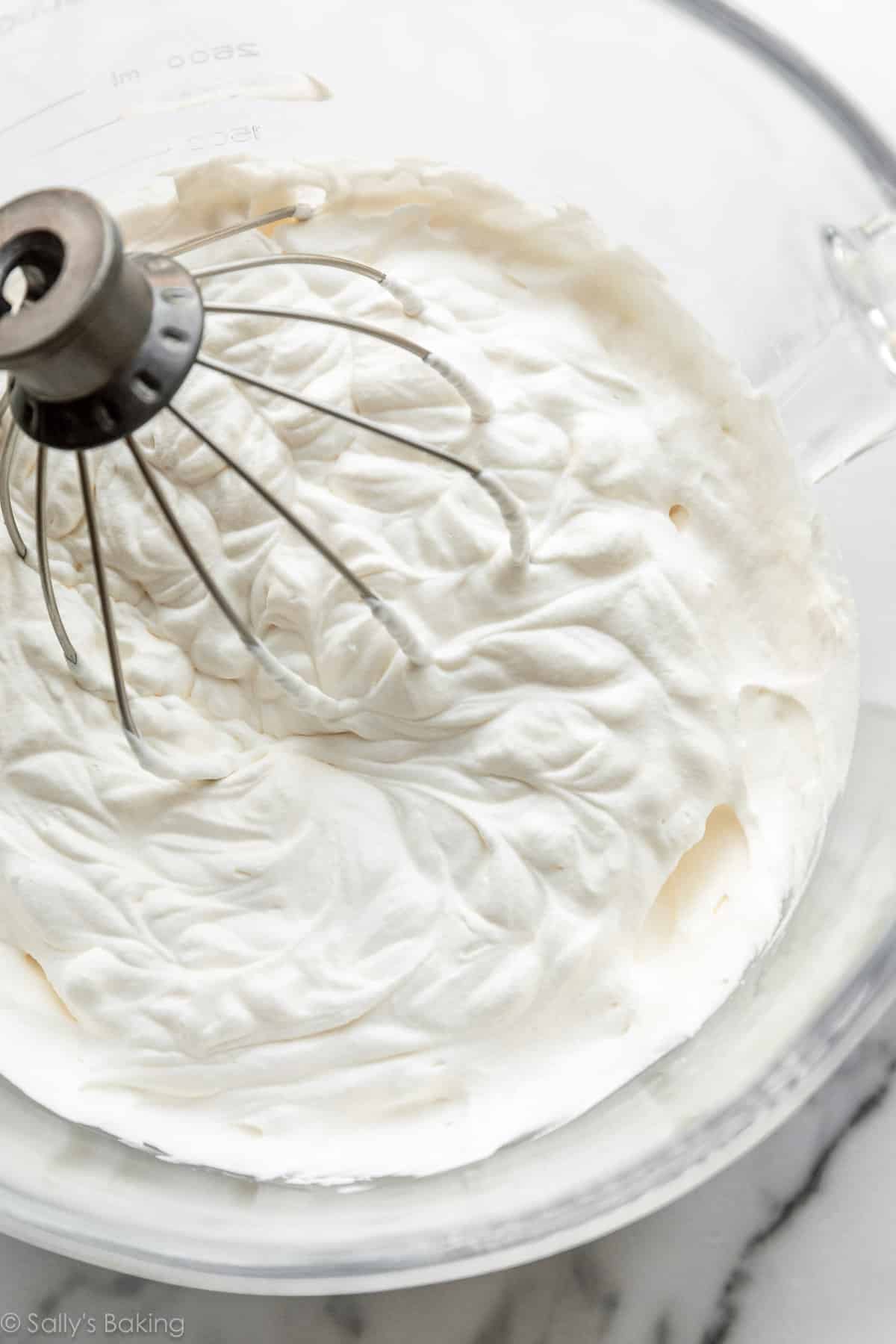
Once chilled, cold heavy cream is poured into the bowl, followed by the chosen sweetener and vanilla extract. Using an electric mixer (stand mixer or hand mixer) on medium-high speed, the cream is whipped until it transforms. The stages of whipping are typically described as:
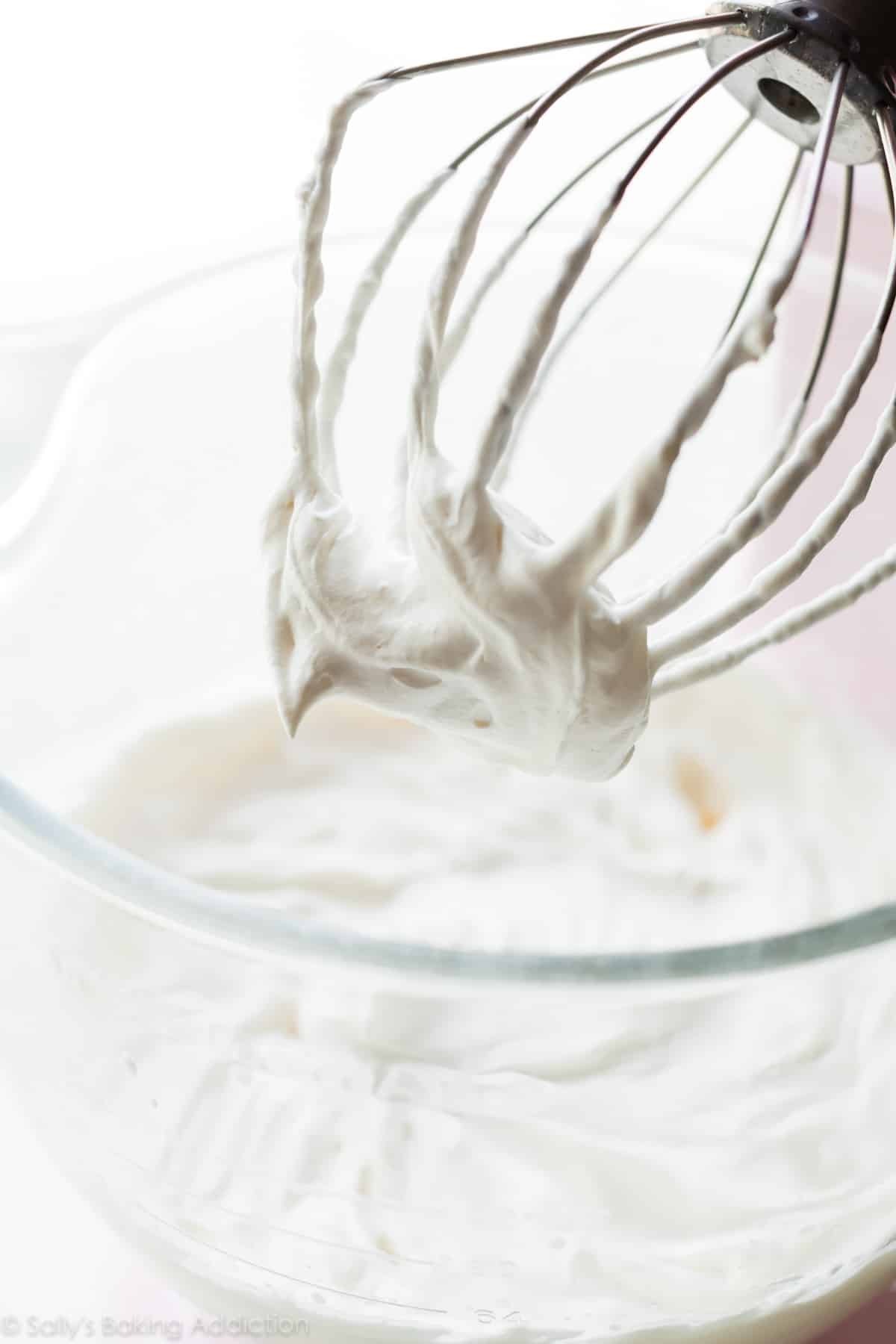
- Soft peaks: The cream is thickened and forms soft mounds that barely hold their shape when the whisk is lifted.
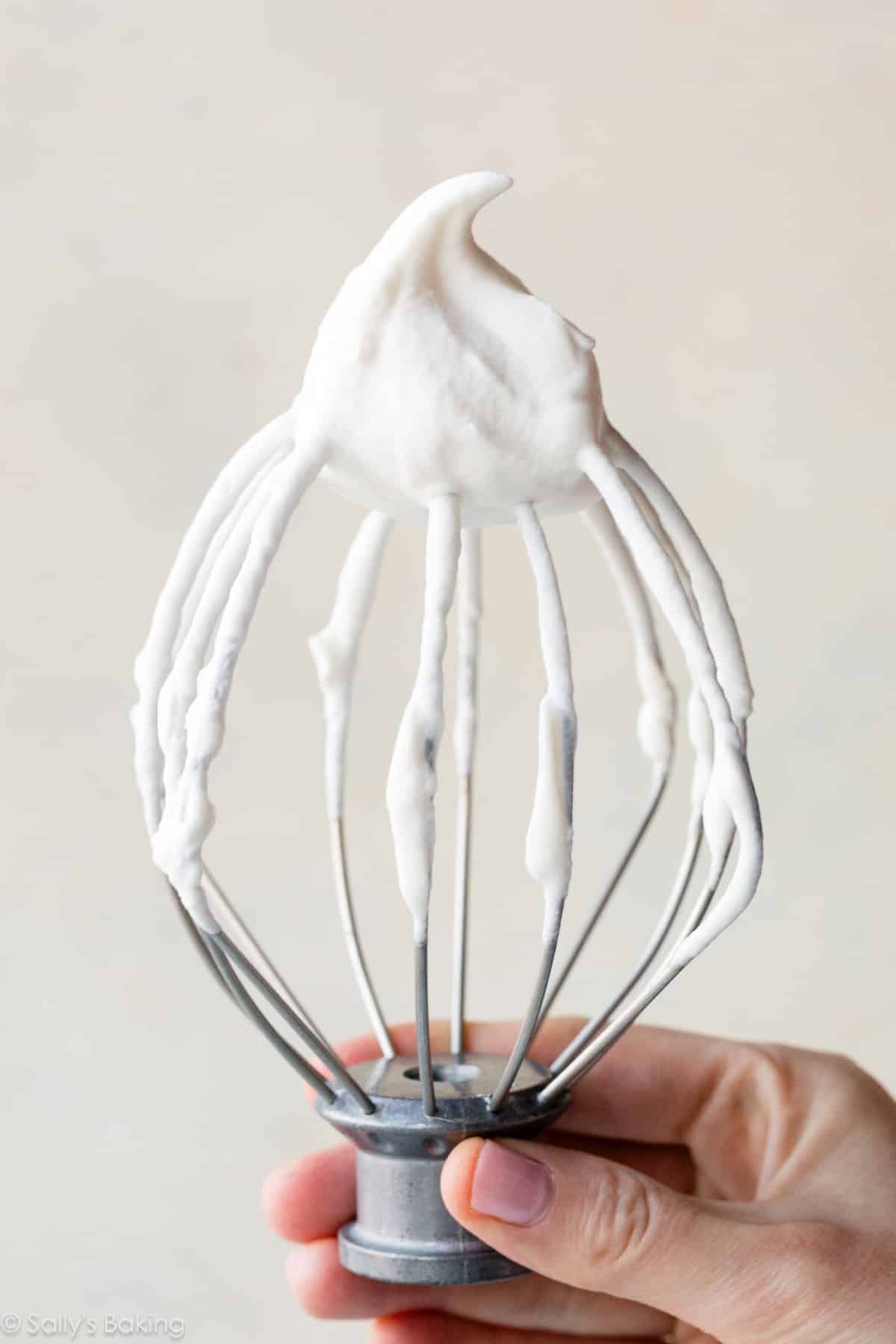
- Medium peaks: The cream forms distinct peaks that hold their shape but still have a slight curl at the tip. This is often the ideal consistency for most dessert toppings, offering both structure and creaminess.
- Stiff peaks: The cream forms rigid peaks that stand straight up when the whisk is lifted. While suitable for piping intricate designs, stiff peaks can sometimes indicate the verge of over-whipping.
A common pitfall is over-whipping, which occurs when the cream is agitated beyond the stiff peak stage. The fat globules begin to separate from the liquid, resulting in a curdled, grainy texture, eventually turning into butter. Fortunately, over-whipped cream can often be remedied by gently folding in a small amount of additional cold liquid heavy cream until the texture smooths out. Conversely, runny whipped cream usually indicates insufficient whipping time, cream that wasn’t cold enough, or cream with an inadequate fat percentage.
The Enduring Appeal: Homemade vs. Commercial Alternatives
The superior qualities of homemade whipped cream become strikingly evident when compared to its commercial counterparts, such as frozen whipped topping (e.g., Cool Whip) or aerosol cans of whipped cream. While store-bought options offer convenience, they often sacrifice flavor, texture, and ingredient purity.
Commercial whipped toppings frequently contain a long list of ingredients, including hydrogenated oils, high-fructose corn syrup, stabilizers, emulsifiers, and artificial flavors and colors. These additives are designed to extend shelf life, maintain texture, and mimic the appearance of real cream, but they rarely replicate the fresh, dairy-rich taste and light, airy consistency of homemade. Aerosol cans, while providing an instant topping, often have a more foamy, less creamy texture and a noticeably artificial flavor profile due to added propellants and sweeteners.
From a nutritional standpoint, homemade whipped cream, when consumed in moderation, offers a transparent ingredient list: heavy cream, sugar, and vanilla. This contrasts with the often higher sugar content and presence of highly processed fats in many commercial versions. Furthermore, the economic advantage of making whipped cream at home is notable. A carton of heavy cream, a small amount of sugar, and vanilla extract typically cost less than equivalent volumes of premium store-bought whipped cream, especially for regular bakers.
The Home Baking Movement and Culinary Empowerment
The resurgence of interest in homemade staples, including whipped cream, aligns with broader cultural trends in home baking, DIY food preparation, and a growing consumer demand for "cleaner" labels and more natural ingredients. Culinary platforms, like Sally’s Baking Addiction, have played a significant role in empowering home cooks by demystifying seemingly complex recipes and providing accessible, reliable guidance. The original recipe for homemade whipped cream, first published by Sally’s Baking Addiction in 2018, and subsequently featured in the cookbook Sally’s Baking 101, exemplifies this movement. The addition of video tutorials and updated success tips reflects an ongoing commitment to support and educate home bakers.
Consumer feedback, such as the enthusiastic testimonial from reader Michelle – "I was really surprised by how much better this tastes than store-bought whipped cream. This is easy to make and delicious. The vanilla really elevates the flavor. There’s no reason to purchase whipped cream ever again." – underscores the profound impact of rediscovering simple, scratch-made ingredients. This sentiment is a powerful indicator of a shift away from convenience-driven processed foods towards a more mindful and enjoyable approach to cooking and baking.

Expanding the Flavor Horizon: Beyond Classic Vanilla
While classic vanilla-infused whipped cream holds an undisputed charm, its neutral base makes it an ideal canvas for culinary creativity. Flavoring whipped cream allows for bespoke pairings that can enhance or complement specific desserts.
- Fruity Enhancements: Incorporating fruit purees or extracts can create vibrant toppings. Strawberry filling, for instance, transforms whipped cream into a delightful complement for strawberry shortcake cupcakes.
- Nutty Aromas: A touch of almond extract can lend a sophisticated, marzipan-like note, perfect for berry icebox cakes or fruit tarts.
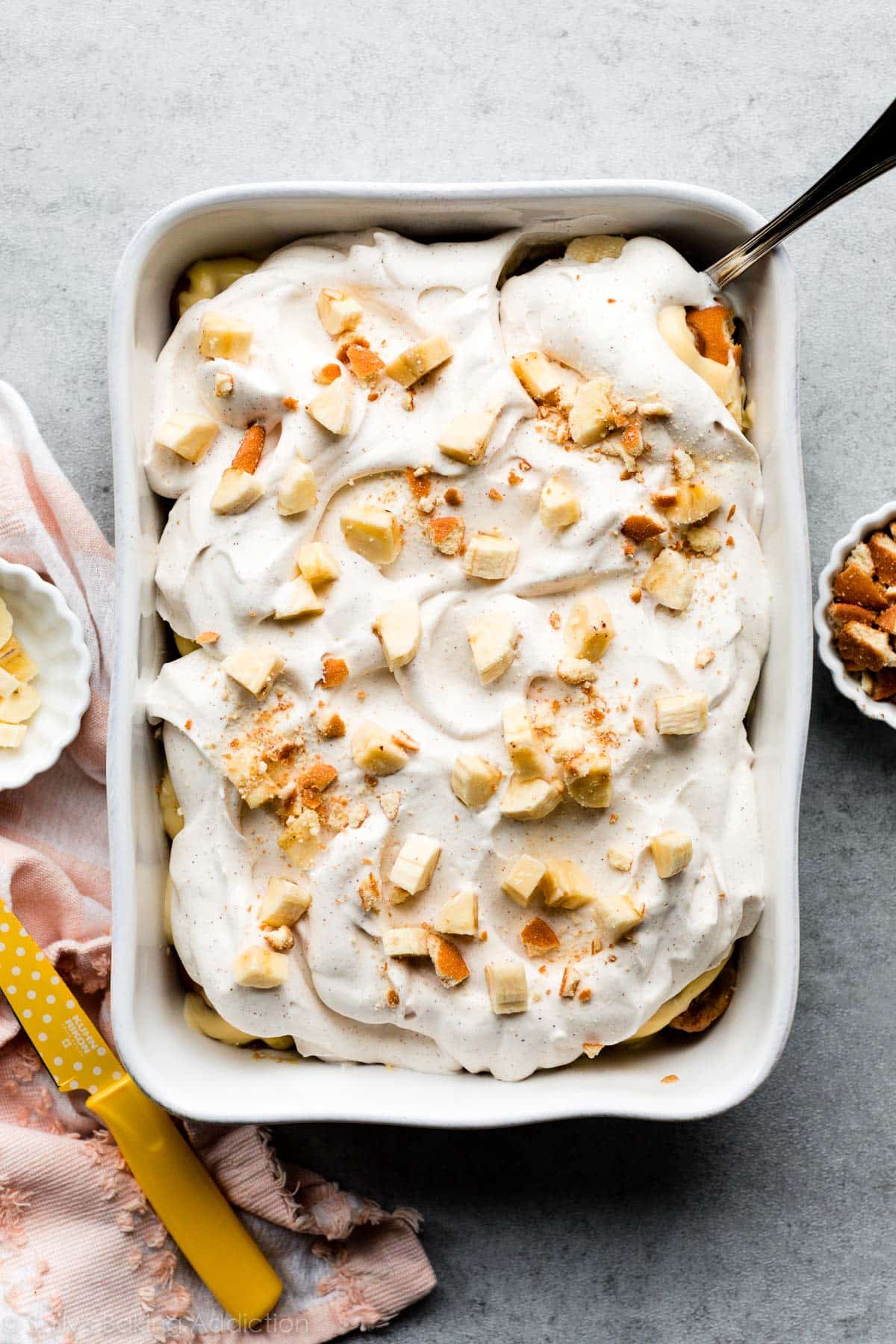
- Spiced Varieties: Cinnamon whipped cream adds warmth and depth, making it an excellent topping for banana pudding, apple pie, or pumpkin desserts. Other spices like nutmeg, cardamom, or even a pinch of cayenne for a subtle kick can be explored.
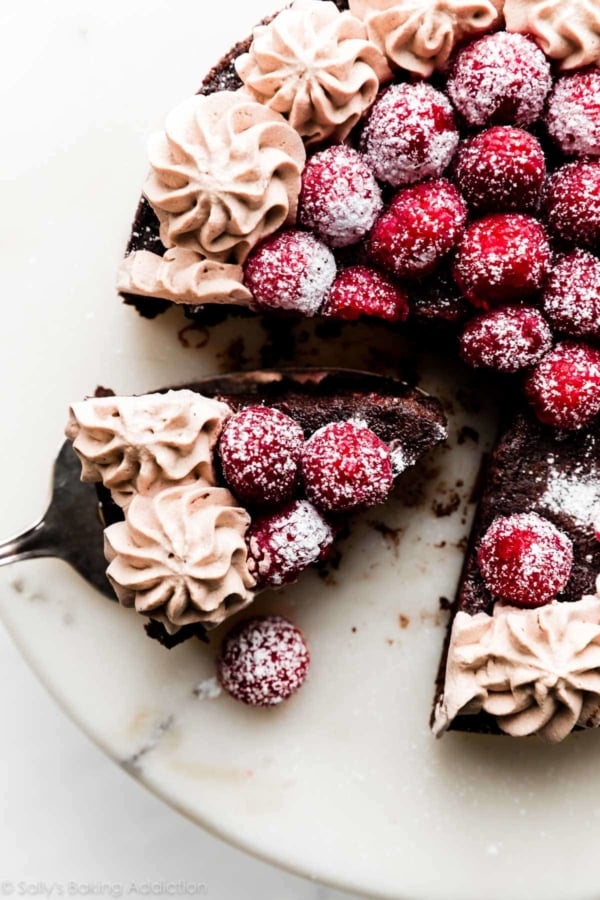
- Coffee & Chocolate Infusions: Espresso powder and cocoa powder create a rich mocha whipped cream, an exquisite pairing for flourless chocolate cake or mocha chocolate pudding pie.
- Alcoholic Accents: A splash of liqueur, such as tequila and lime for mini margarita cheesecakes, rum for tropical desserts, or Irish cream for coffee-based treats, can add an adult dimension.
- Citrus Zests: Finely grated lemon, orange, or lime zest provides a bright, refreshing lift, particularly suitable for fruit tarts or cheesecakes.
The possibilities are virtually endless, allowing bakers to tailor their whipped cream to perfectly harmonize with any dessert.
Practicalities: Storage, Freezing, and Piping
Homemade whipped cream, while best enjoyed fresh, offers reasonable flexibility in terms of preparation and storage. It can be made up to 24 hours in advance and stored in an airtight container in the refrigerator. If it loses a bit of its volume or stiffness, a gentle whisking by hand for a few seconds can often restore its desired texture before serving.
For longer storage, whipped cream can be frozen. It can be stored in any freezer-safe container for up to three months. Alternatively, for convenient individual portions, it can be piped or dolloped onto a parchment-lined baking sheet and frozen until solid, then transferred to a freezer bag. These frozen dollops are perfect for dropping into hot chocolate or coffee.
For those who enjoy presentation, homemade whipped cream is entirely suitable for piping onto desserts. Using large star tips, such as Wilton 8B, Wilton 1M, or Ateco 849, allows for beautiful swirls and rosettes on cakes, cupcakes, pies, and other confections. For a sturdier, more stable whipped cream that can function as a frosting for layered cakes, specific "whipped frosting" recipes often incorporate cream cheese or gelatin to enhance its structural integrity. Otherwise, a simple knife, large spoon, or icing spatula suffices for spreading it generously.
Ubiquitous Utility: What to Serve with Homemade Whipped Cream
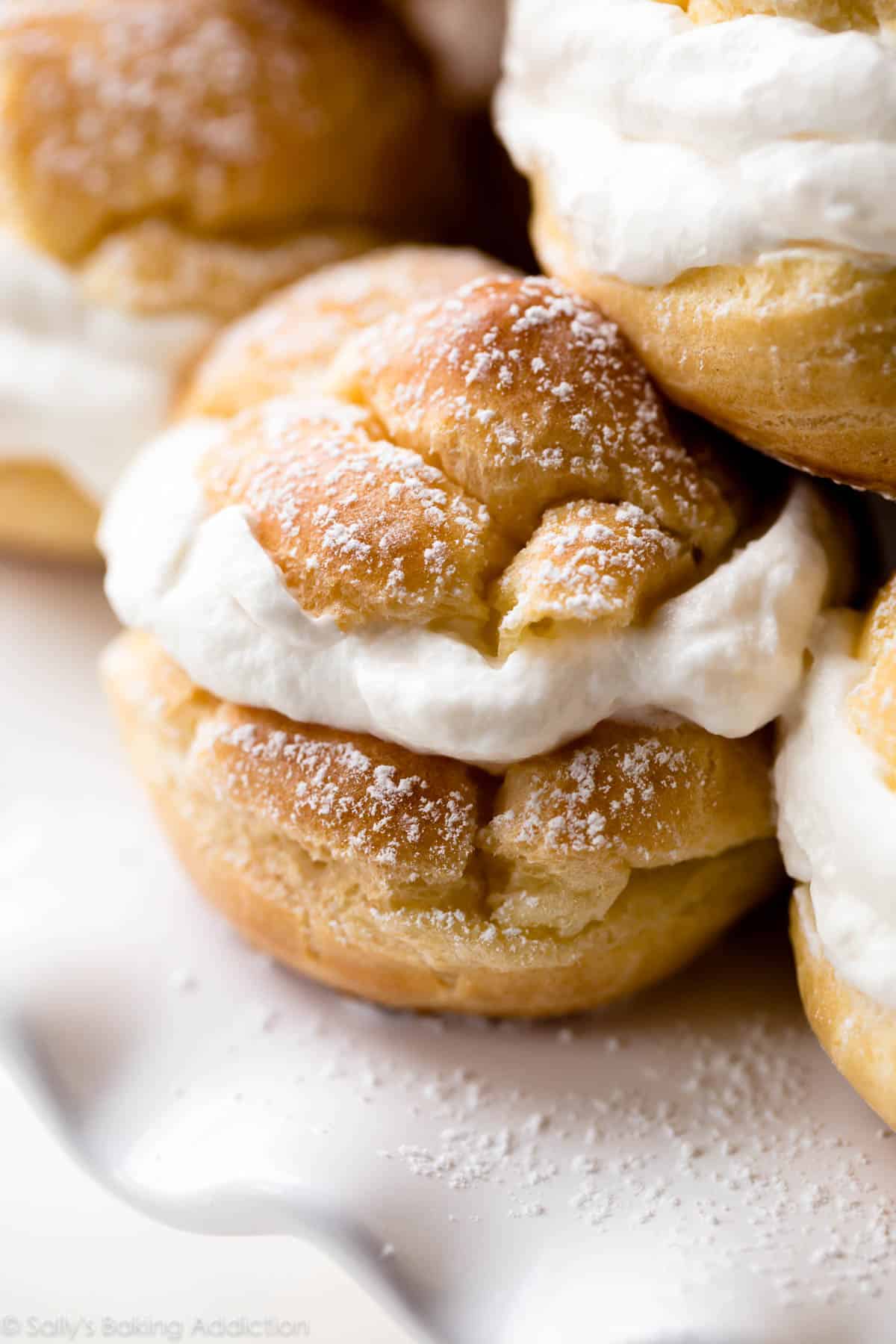
The applications for homemade whipped cream are as expansive as the dessert landscape itself. Its light, creamy texture provides a perfect counterpoint to rich, dense, or tart desserts, while also elevating simpler fare. Popular pairings include:
- Cakes and Cupcakes: Lemon cake, strawberry shortcake cupcakes, flourless chocolate cake.
- Pies and Tarts: Unbelievable peanut butter pie, blueberry cream pie, cookies & cream pie, butterscotch pie, various fruit pies.
- Cheesecakes: Classic cheesecake, lemon cheesecake, pecan pie cheesecake.
- Puddings and Trifles: Caramelized banana pudding, various trifles.
- Breakfast/Brunch Items: Waffles, pancakes, crepes.
- Fruit: Fresh berries (strawberries, blueberries, raspberries) are a classic pairing.
- Beverages: Hot chocolate, milkshakes, coffee drinks.
- Other Desserts: Ice cream cake, cream puffs.
Beyond these specific examples, homemade whipped cream enhances virtually any dessert that benefits from a delicate, fresh, and slightly sweet topping. Its presence signals an attention to detail and a commitment to quality that transforms an ordinary sweet treat into a memorable culinary experience.
In conclusion, homemade whipped cream, or crème chantilly, transcends its humble ingredient list to become a culinary staple cherished for its superior flavor, texture, and versatility. From its historical origins in French nobility’s kitchens to its modern-day revival in the home baking movement, this simple creation continues to offer an accessible way to elevate everyday desserts into extraordinary indulgences, proving that sometimes, the simplest recipes yield the most profound pleasures.