
The pursuit of the perfect cup of coffee is a journey deeply rooted in chemistry, physics, and a rich history of innovation. From the moment hot water meets ground beans, a intricate dance of extraction begins, where hundreds of chemical compounds, spanning nine orders of magnitude in concentration, are selectively drawn from the roasted coffee. This selectivity is not a flaw but a fundamental feature, allowing for the vast spectrum of flavors and aromas that define the global coffee experience. If all compounds were extracted at the same rate, the art of brewing would be diminished, leaving little room for the creativity and variation that professional and home baristas cherish.
The Chemistry of the Bean: A Delicate Balance
Each of the chemical compounds within coffee possesses a specific solubility and extraction rate. This inherent variability is crucial, as it enables "selective extraction" – the deliberate process of extracting certain compounds to a higher degree than others to achieve a desired flavor profile. A "perfect" roast does not automatically guarantee a "perfect" brew; rather, it provides the raw material for a skilled brewer to unlock its potential. Achieving a complete extraction, where nearly all soluble compounds are dissolved, would involve grinding coffee as finely as possible, steeping it for extended periods, and potentially even boiling the mixture. This method, akin to a strong, unsweetened Turkish coffee, can yield an extraction approaching 30% of the bean’s dry weight. While robust, it often results in a beverage that is overly bitter or acrid, lacking the nuanced complexity sought by connoisseurs.
Contrary to the sometimes-used term "even extraction" to describe good coffee, the goal from a chemical perspective is often an "uneven extraction." This means precisely controlling which compounds are extracted and to what degree, favoring desirable acids, sugars, and aromatic oils while minimizing the extraction of less pleasant compounds. The pour-over, or percolation, technique stands as a prime method for achieving this selective extraction, offering unparalleled control over the brewing process. It’s important to differentiate this from the older "coffee percolator" devices, popular in the mid-20th century, which used convection to cycle hot coffee through a central tube and trickle it back over the grounds, often leading to over-extraction and bitterness.
Pour-Over: The Art of Precision and Its Perils
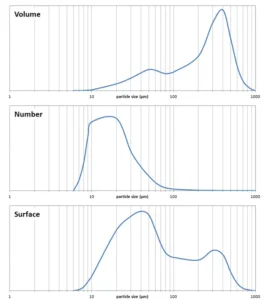
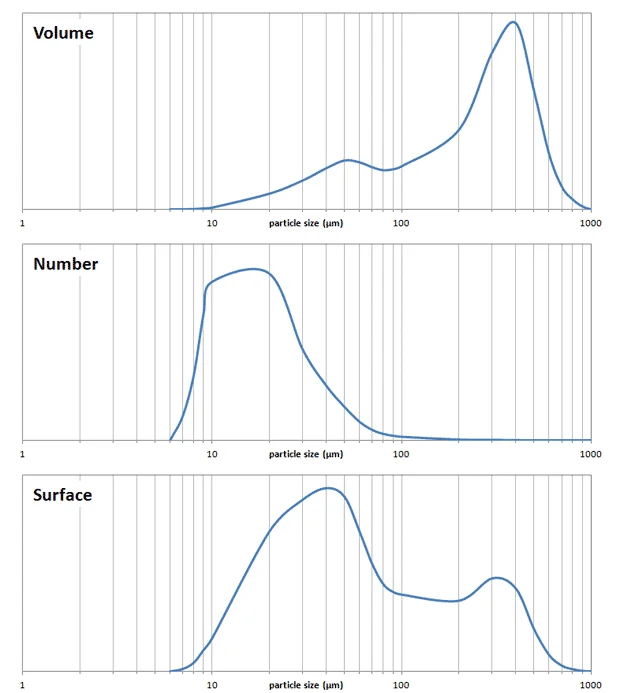
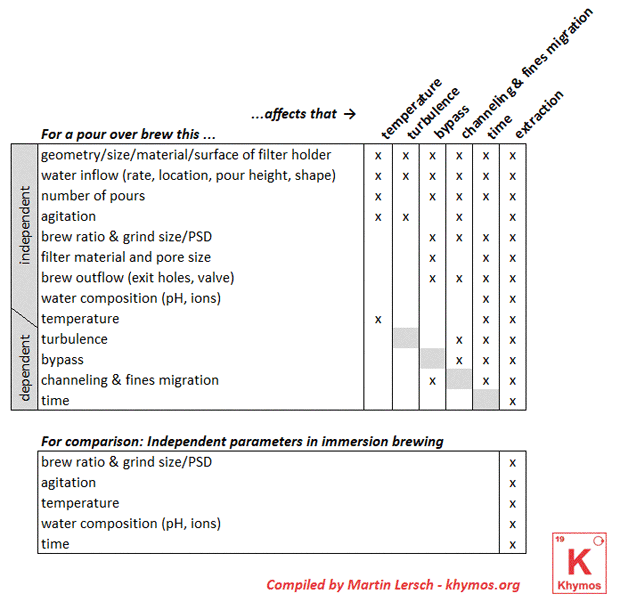
Pour-over brewing, at its core, appears deceptively simple: hot water is poured over ground coffee, and the resulting brew drips through a filter, driven by gravity. However, beneath this simplicity lies an immensely complex system with a surprising number of adjustable parameters. Beyond the foundational elements like brew ratio, grind size and particle size distribution (PSD), water composition, and temperature, a multitude of other factors critically influence the final cup. These include the specific characteristics of the filter material and its pore size, the pre-infusion (bloom) duration, the pour rate and pattern, the total contact time between water and coffee, the uniformity of the coffee bed, the degree of turbulence created during pouring, and the ambient temperature, which affects heat loss.
The Interconnected Web of Variables
An additional layer of complexity arises from the strong correlations between these parameters. For instance, grind size and PSD exert a cascading effect. Finer particles, while increasing the total surface area available for extraction, also significantly slow down the water flow, thereby increasing contact time. This increased surface area and contact time can lead to a higher extraction yield, but also carries the risk of filter clogging, which can further impede flow and lead to inconsistent extraction. Furthermore, grind size and PSD can influence "channeling," where water carves preferential paths through the coffee bed, bypassing other grounds and resulting in under-extracted flavors. The inherent "laziness" of water means it will always seek the path of least resistance. If water accumulates too high above the coffee bed, it may bypass the main coffee mass entirely, flowing quickly through the filter’s sides, especially in filter holders designed with patterns or ridges that reduce filter contact. This uncontrolled bypass dilutes the brew and undermines selective extraction efforts.
Considering these intricate interdependencies, it becomes evident why pour-over brewing is a system of profound complexity. The countless instructional videos and passionate discussions among coffee enthusiasts attest to the challenge of mastering this method. Yet, its popularity endures precisely because this complexity, when understood and harnessed, grants baristas and home brewers an extraordinary degree of control over the final outcome, allowing them to tailor the extraction to highlight specific characteristics of different coffee beans.
The Challenge of Reproducibility
The downside of this inherent complexity, however, is the introduction of unintended and often random variations. These variations can lead to inconsistent results, even when meticulously following a "recipe," and contribute to the proliferation of coffee preparation myths. Many standard coffee recipes often lack the granular detail necessary to account for all the parameters and their correlations, making it difficult for two individuals to achieve identical brews. This underscores the blend of scientific rigor and artisanal skill required in pour-over brewing.
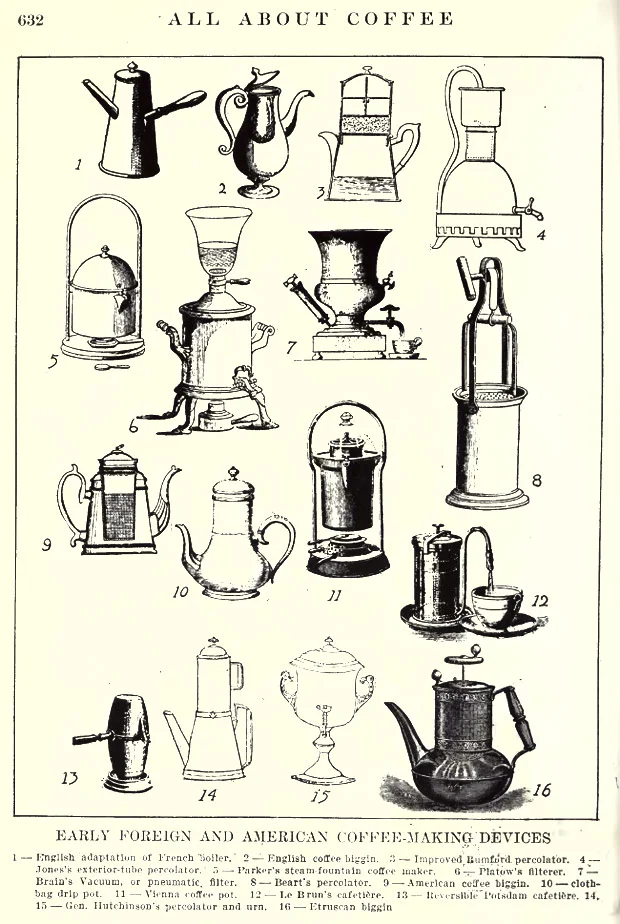
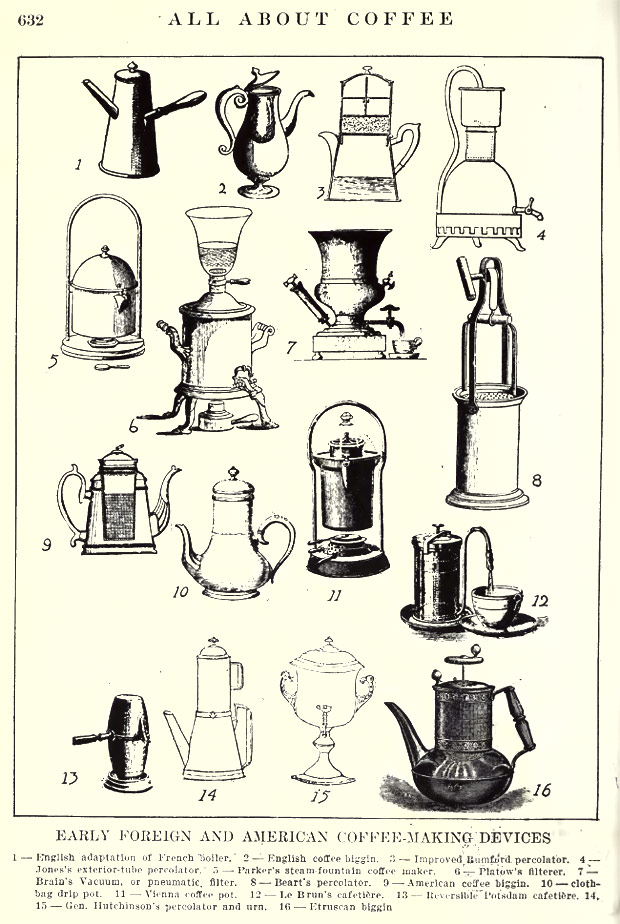
The evolution of drip coffee makers has been a continuous effort to "untie the coffee knot," as inventors strive to engineer greater control and consistency into the brewing process. A glance at historical illustrations, such as those from W. A. Ukers’ 1922 tome "All about Coffee," reveals that this quest for optimal extraction is not a modern phenomenon but a century-long endeavor.
A Century of Innovation: Evolution of Brewing Equipment
Modern pour-over brewers represent a diverse array of designs, each attempting to address specific aspects of the extraction challenge. The differences, seemingly minor, often reflect deliberate engineering choices aimed at optimizing heat retention, flow dynamics, and interaction between water and coffee grounds.
-
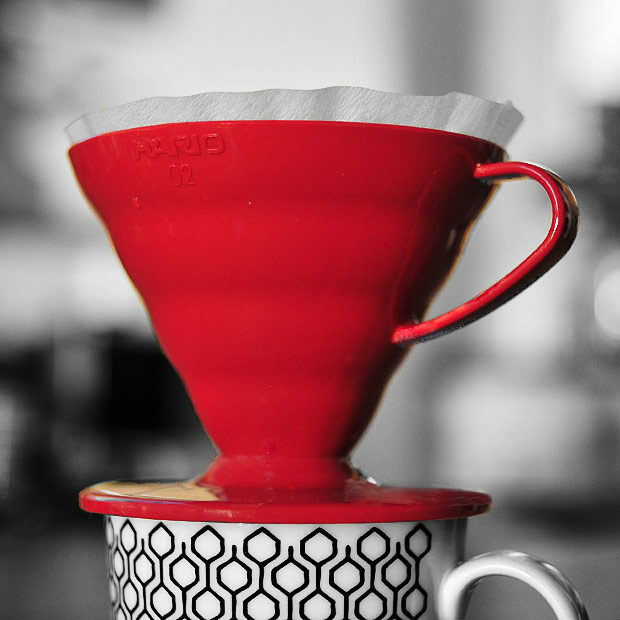
Material and Insulation: Maintaining a stable brewing temperature is paramount. Materials like metal, being excellent thermal conductors, can lead to significant heat loss unless compensated by vacuum insulation (e.g., Stagg X/XF) or substantial thermal mass (like an espresso portafilter). Ceramic brewers, while offering good thermal mass, can also absorb heat initially. Plastic (such as the ubiquitous Hario V60) and ceramic are often preferred for their cost-effectiveness, limited heat loss, and durability, especially for home use. Glass, while aesthetically pleasing, is more fragile.
-
Geometry and Coffee Bed Dynamics: The shape of the filter holder dictates the geometry of the coffee bed, profoundly influencing water flow. Trapezoid-shaped holders (Melitta-style) create a shallower bed, while cone-shaped designs (Hario V60) produce a deeper, narrower bed. Flat-bottom brewers (Kalita Wave) use a wider, shallower bed. A high, narrow cylindrical bed maximizes contact between water and coffee but can slow flow, potentially leading to over-extraction. Conversely, a flatter bed promotes faster flow but increases the risk of channeling.
-
Internal Surface and Filter Interaction: The internal surface of the filter holder plays a critical role in how the paper filter adheres and how water flows. Smooth surfaces, like in the Chemex, can cause the wet filter to cling tightly, effectively blocking flow along the sides. While this minimizes bypass, it relies heavily on the main flow through the coffee bed. Most other designs incorporate ridges, flutes, or patterns to create channels between the filter paper and the brewer wall, allowing controlled flow even when the paper clings.
-
Filter Types and Filtration Mechanics: Paper remains the dominant filter material, though metal filters are also common. Cylindrical brewers like the Aeropress typically use simple paper discs. Cone and trapezoid filters are shaped to fit their respective holders, usually plain. A common challenge with paper filters is clogging by fine coffee particles. To mitigate this, some designs utilize fluted or W-folded filters (e.g., Kalita Wave), which increase the effective surface area for filtration. In chemical laboratories, fluted filter papers are standard for rapid gravity filtrations. The Karlsbad coffee brewer stands out as an exception, employing a coarse ceramic grating that allows fines and oils to pass, contributing to a distinct body.
-
Inflow and Outflow Control: How water is introduced and removed from the coffee bed are critical points of control. Simple pouring can disturb the coffee bed, leading to uneven saturation and channeling. Specialized goose-neck kettles are designed to provide precise, controlled pouring. More advanced solutions, like the Gabi Dripmaster B or Melodrip, use water distributors with multiple small holes to ensure an even, gentle flow across the coffee bed, promoting uniform saturation and a perfectly flat bed. However, open distributors can contribute to temperature loss. Outflow control mechanisms, such as shut-off valves (Clever Dripper, Hario Switch), allow brewers to regulate extraction time by permitting an initial immersion phase before gravity filtration, offering flexibility and improving scalability for smaller brews.
-
Bypass: The Unseen Dilution: Water that bypasses the coffee bed entirely does not contribute to extraction; it merely dilutes the final brew. Minimizing uncontrolled bypass is a key objective for optimal extraction. Designs where the filter paper clings to a smooth surface (like Chemex) inherently reduce bypass. Pouring water slowly, ensuring it doesn’t accumulate high above the coffee bed, also helps. Conversely, ridges, patterns, or fluted filters can increase bypass by creating pathways around the coffee bed. Many coffee makers inadvertently allow for bypass as a "forgiving" mechanism, preventing clogging when too many fines are present. Ideally, from an extraction standpoint, the flow of water should be primarily restricted by the coffee bed itself, not by the equipment (with the exception of intentional shut-off valves). The lack of more cylindrical filter holders with a flat filter entirely below the coffee bed (like Aeropress, Tricolate, Buchner funnel, Proper, or Vietnamese Phin) is curious, as these designs inherently minimize bypass by forcing all water through the coffee bed.
Immersion Brewing: The Pursuit of Robustness and Repeatability
While pour-over excels in nuanced control, it demands considerable attention and skill. For those prioritizing consistency and a more hands-off approach, immersion brewing offers a robust alternative. In this method, all coffee grounds are steeped in the full volume of water for a set duration, often with initial stirring to ensure thorough saturation and de-gassing. After the designated extraction time, the brew is separated from the grounds, typically through filtration.
Immersion brewing’s key advantage lies in its repeatability. When two individuals follow the same recipe, they are likely to produce remarkably similar cups. This method is less sensitive to minor variations in pouring technique or coffee bed dynamics, making it "foolproof" in many regards. Devices like the French press, where a relatively coarse wire mesh separates grounds, are prime examples of immersion brewers. The Aeropress, especially when used in the inverted method, also functions as an immersion brewer, often employing pressure filtration.
In immersion brewing, parameters like extraction time, grind size, and brew ratio still allow for considerable variation in the final cup. Total Dissolved Solids (TDS) and Extraction Yield (EY) will increase with time, eventually plateauing as the system approaches equilibrium between the soluble compounds in the grounds and the brew. While immersion can achieve high extraction yields, it is still a selective process, as the grind size is typically coarser than what would be used for a complete extraction, and brewing temperatures tend to drop more rapidly than in continuous percolation. This inherent selectivity can still produce a wonderful cup of coffee.
The French press, characterized by its open mesh filter, allows a significant amount of fine coffee particles to pass into the cup. These fines contribute a distinct "body" and texture to the beverage, though they also settle as sediment at the bottom. While many appreciate this mouthfeel, the extended contact of these fines with the brew can sometimes lead to an undesired bitterness. For a clearer, cleaner cup, French press coffee can be further filtered through a paper filter, which removes both fines and some oils, significantly altering the taste profile. While immersion coffee might sometimes be perceived as "muted" compared to a meticulously executed pour-over, its reliability and ease of use make it a staple for many.
The Quest for the "Ultimate Cup": Blending Science and Art
The ongoing quest for the "ultimate cup of coffee" transcends mere preference; it is a dynamic interplay of scientific understanding, engineering innovation, and sensory artistry. The elaborate coffee extraction setup meticulously detailed by Gale Boetticher in "Breaking Bad" serves as a cultural touchstone for this pursuit – a humorous yet poignant illustration of humanity’s enduring desire to perfect an everyday ritual through scientific rigor.
The continuous innovation in brewing equipment, from the humble Melitta filter holder to the sophisticated, multi-faceted brewers of today, reflects this relentless effort to "untie the coffee knot." Future advancements may involve further integrating smart technology for precise control over every variable, developing novel filter materials, or creating hybrid brewing systems that combine the best attributes of both percolation and immersion. For consumers, this translates into an ever-expanding array of choices and the opportunity to engage more deeply with the science behind their daily brew. For the coffee industry, it means sustained innovation, driving product development and fostering a deeper appreciation for the nuanced chemistry that defines a truly exceptional cup. The journey to the perfect cup is far from over, continually evolving as our understanding of extraction deepens and new technologies emerge.