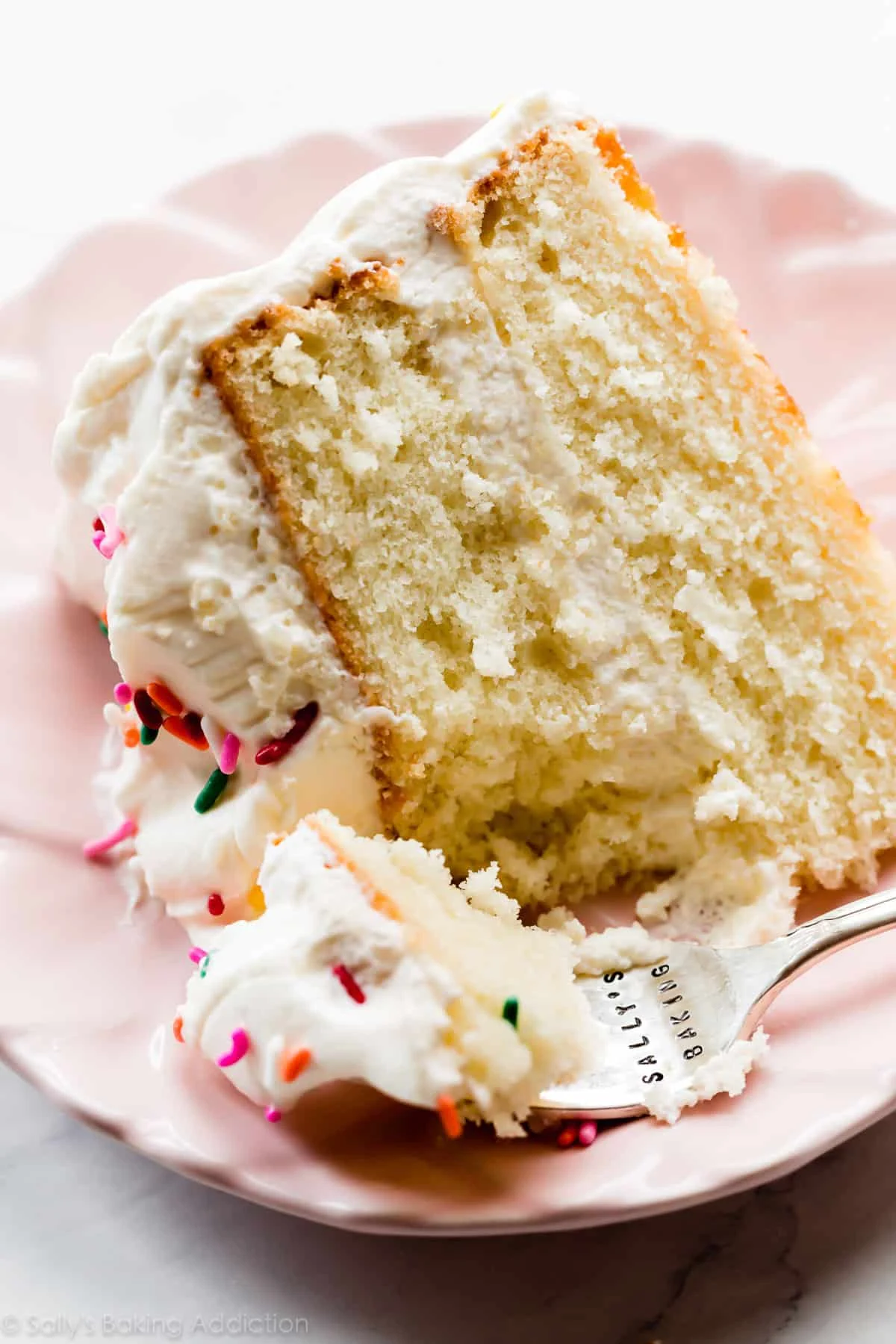

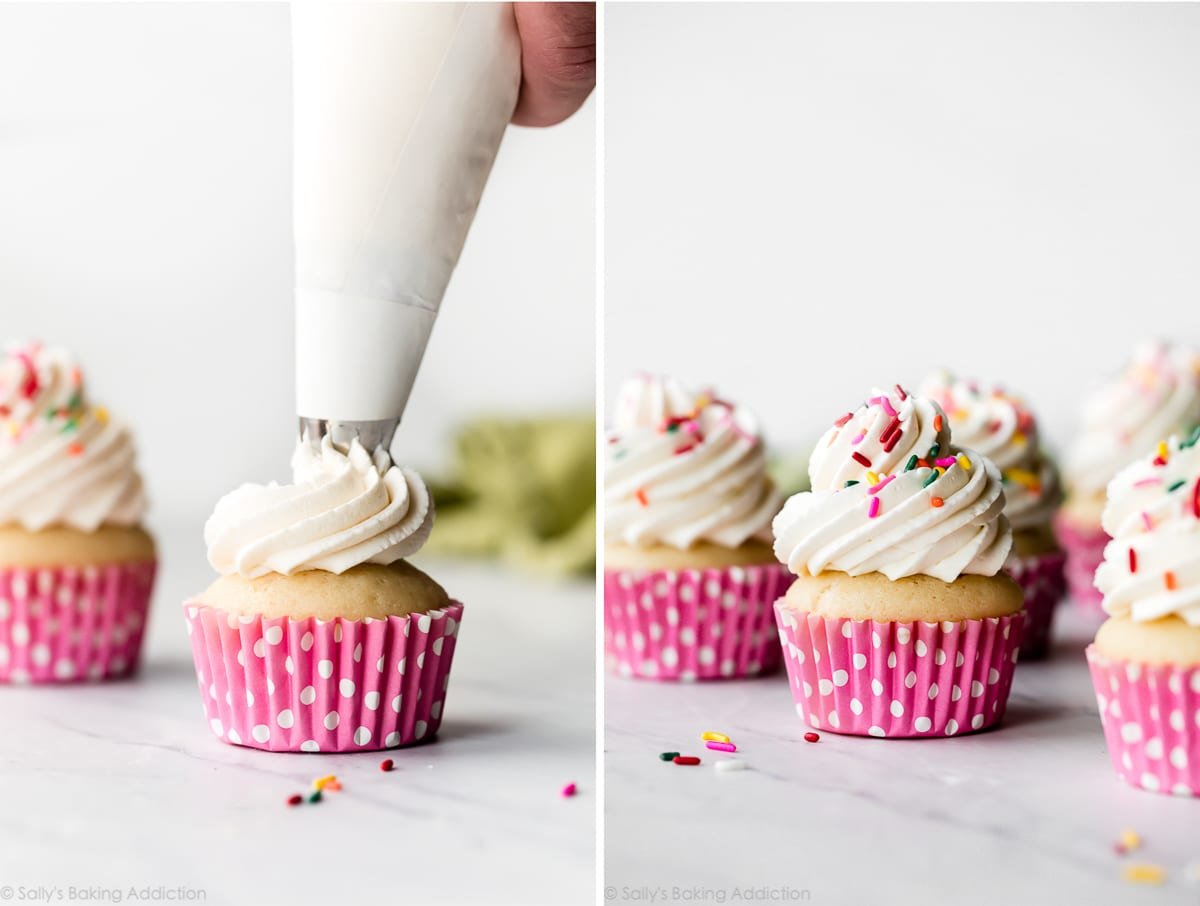
A growing segment of home bakers and culinary enthusiasts are embracing a unique whipped frosting recipe, dubbed "Not-So-Sweet Whipped Frosting," as a compelling alternative to the often intensely sugary American-style buttercream. This innovative recipe, characterized by its simplicity and elegant texture, relies on just four key ingredients to deliver a fabulously creamy, fluffy, yet remarkably stable frosting that can be expertly piped. Its increasing popularity signals a broader shift in dessert preferences towards lighter, less cloying options that still maintain structural integrity and visual appeal.

The Evolution of Dessert Preferences: A Quest for Balanced Sweetness
The culinary landscape has seen a discernible trend in recent years: a move away from overtly sweet desserts towards more nuanced flavor profiles and lighter textures. This shift is driven by various factors, including heightened health consciousness, a desire for sophisticated palates, and an appreciation for ingredients’ natural flavors rather than them being masked by excessive sugar. American buttercream, traditionally a staple for its ease of preparation and stability, has often been criticized for its cloying sweetness and heavy mouthfeel. This has opened the door for alternatives like Swiss meringue buttercream, which offers a silky texture and reduced sweetness but demands more intricate preparation, and simpler whipped cream frostings that, while light, often lack the necessary stability for intricate piping or extended display.

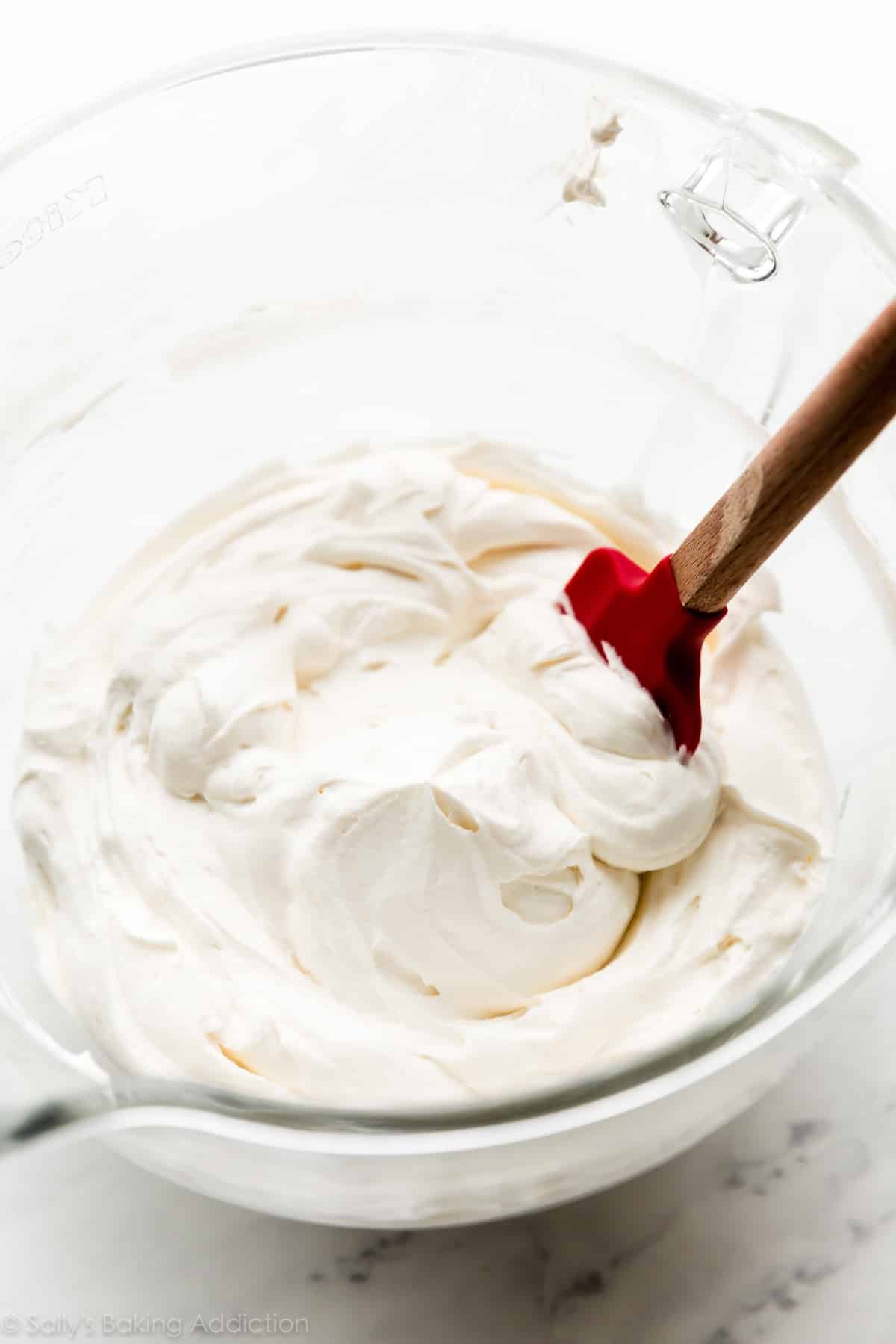
The "Not-So-Sweet Whipped Frosting," initially published in 2022 and subsequently refined with additional success tips, directly addresses this market gap. It offers a solution that is both accessible to the average home baker and sophisticated enough to elevate a range of confections. Its core appeal lies in its ability to provide a light, airy consistency akin to traditional whipped cream, yet with a robustness that allows it to hold its shape when piped, making it suitable for decorative applications on cupcakes, layer cakes, and other pastries.
The Ingenuity of Four Ingredients: A Study in Stability and Texture
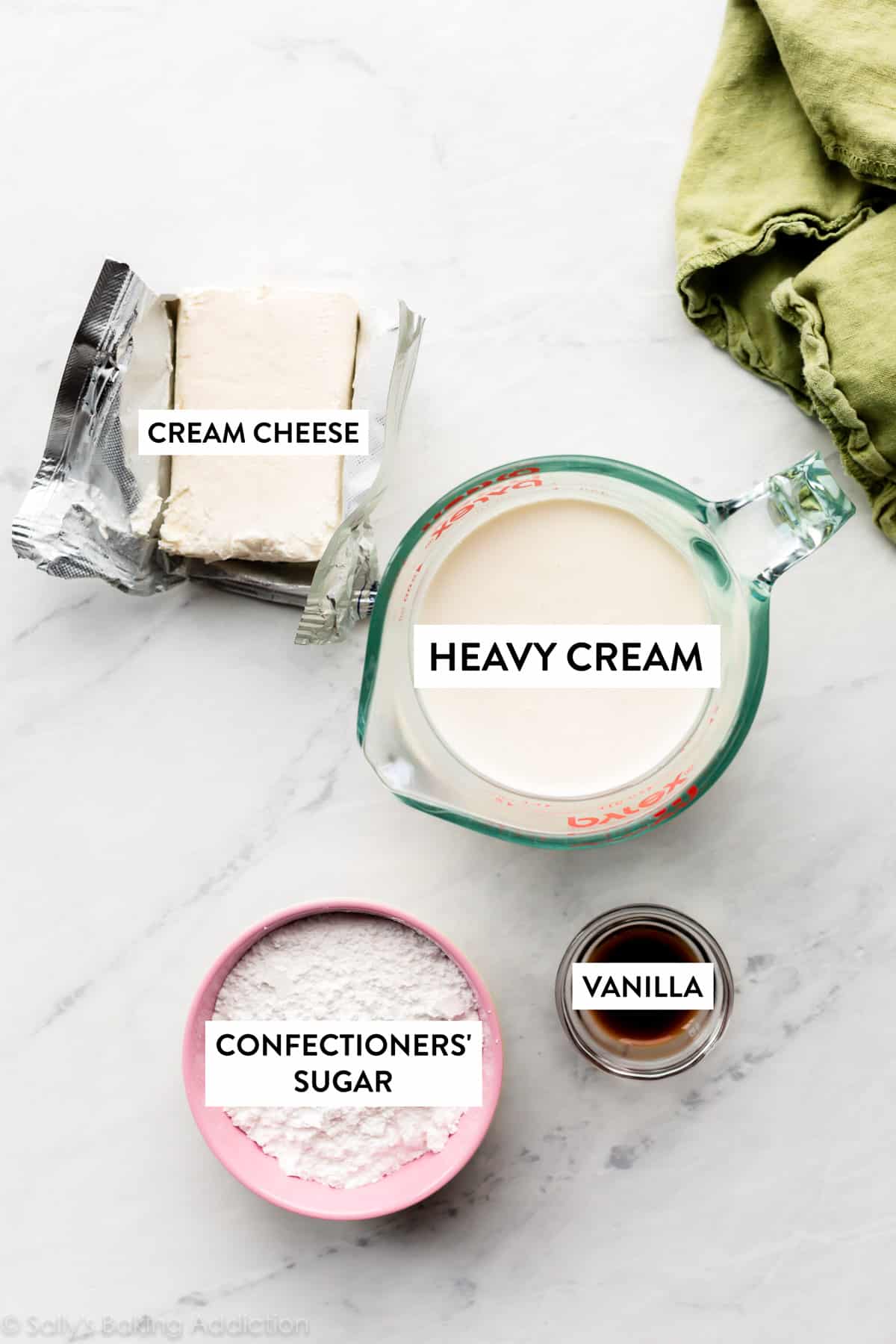
At the heart of this frosting’s success is its minimalist yet effective ingredient list: cream cheese, confectioners’ sugar, heavy cream, and vanilla extract. Each component plays a critical role in achieving the desired balance of sweetness, creaminess, and stability.
- Cream Cheese: Unlike conventional whipped cream, the inclusion of full-fat cream cheese is pivotal. When softened and beaten, it provides a tangy counterpoint to the sweetness and, more importantly, a foundational structure. The fat content and stabilizers inherent in cream cheese contribute significantly to the frosting’s ability to remain firm and pipeable, even at room temperature for a reasonable duration, distinguishing it from unstable pure whipped cream. Culinary experts note that while the cream cheese contributes to stability, its flavor is remarkably subtle, often going undetected by taste testers, which broadens its appeal for those who might typically shy away from cream cheese-forward desserts.
- Confectioners’ Sugar: Also known as powdered sugar, this ingredient not only sweetens the frosting but also contributes to its smooth texture. Its fine particles dissolve readily, preventing a gritty mouthfeel, and the small amount of cornstarch typically found in confectioners’ sugar aids in moisture absorption and stability, further enhancing the frosting’s ability to hold its form. The "not-so-sweet" aspect is achieved by carefully moderating the sugar quantity, allowing other flavors to shine through.
- Heavy Cream: The backbone of any whipped topping, heavy cream (or whipping cream) with a minimum of 36% milkfat is essential. The high-fat content allows it to incorporate a significant amount of air when whipped, creating the characteristic light and fluffy texture. The cold temperature of the cream is paramount, as colder fat molecules emulsify more efficiently and trap air more effectively, resulting in a stiffer, more stable whipped product.
- Vanilla Extract: While seemingly a minor component, vanilla extract is crucial for rounding out the flavor profile, adding warmth and depth that complements both the cream cheese and the sweetness, preventing the frosting from tasting flat.
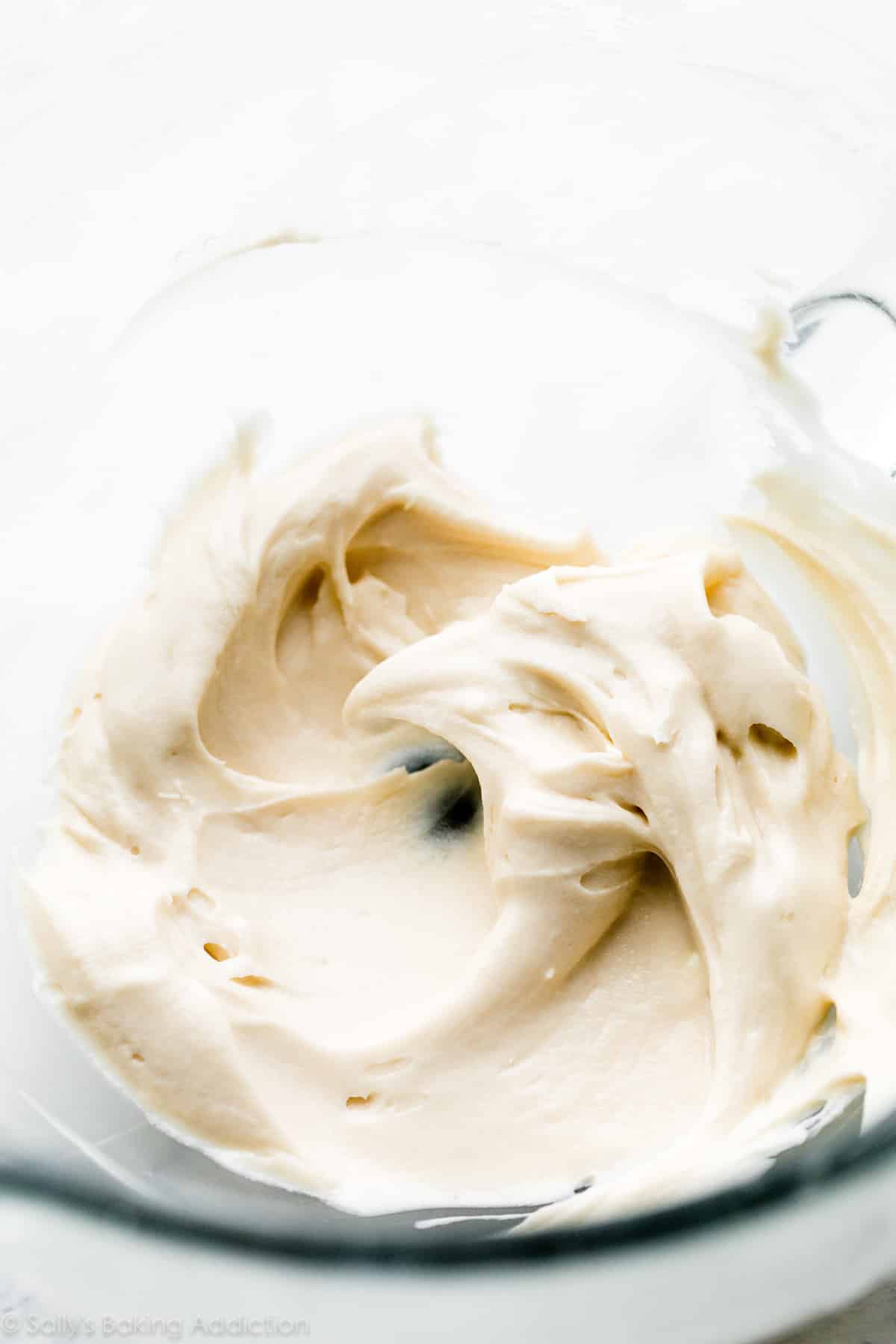
The preparation method, which involves beating the cream cheese first, then incorporating the sugar and vanilla, followed by a slow, steady addition of cold heavy cream before whipping to stiff peaks, is a carefully choreographed process. This staged approach ensures that the cream cheese is fully smoothed out and integrated before the aeration of the heavy cream begins, preventing lumps and promoting a uniformly creamy texture. This process echoes techniques seen in no-bake cheesecakes, where similar ingredients are combined to create a rich, stable filling.

Chronology of Refinement and Widespread Adoption
The recipe’s journey began with its initial publication in 2022. Since then, it has undergone refinements, primarily through the addition of "success tips." This iterative process, common in popular baking resources, reflects an ongoing commitment to optimizing user experience and ensuring consistent results for a wide audience of bakers with varying skill levels. The detailed guidance on ingredient selection (e.g., specific fat percentage for heavy cream, full-fat cream cheese) and mixing techniques (e.g., beating stages, observation of consistency) indicates a robust feedback loop from the baking community.
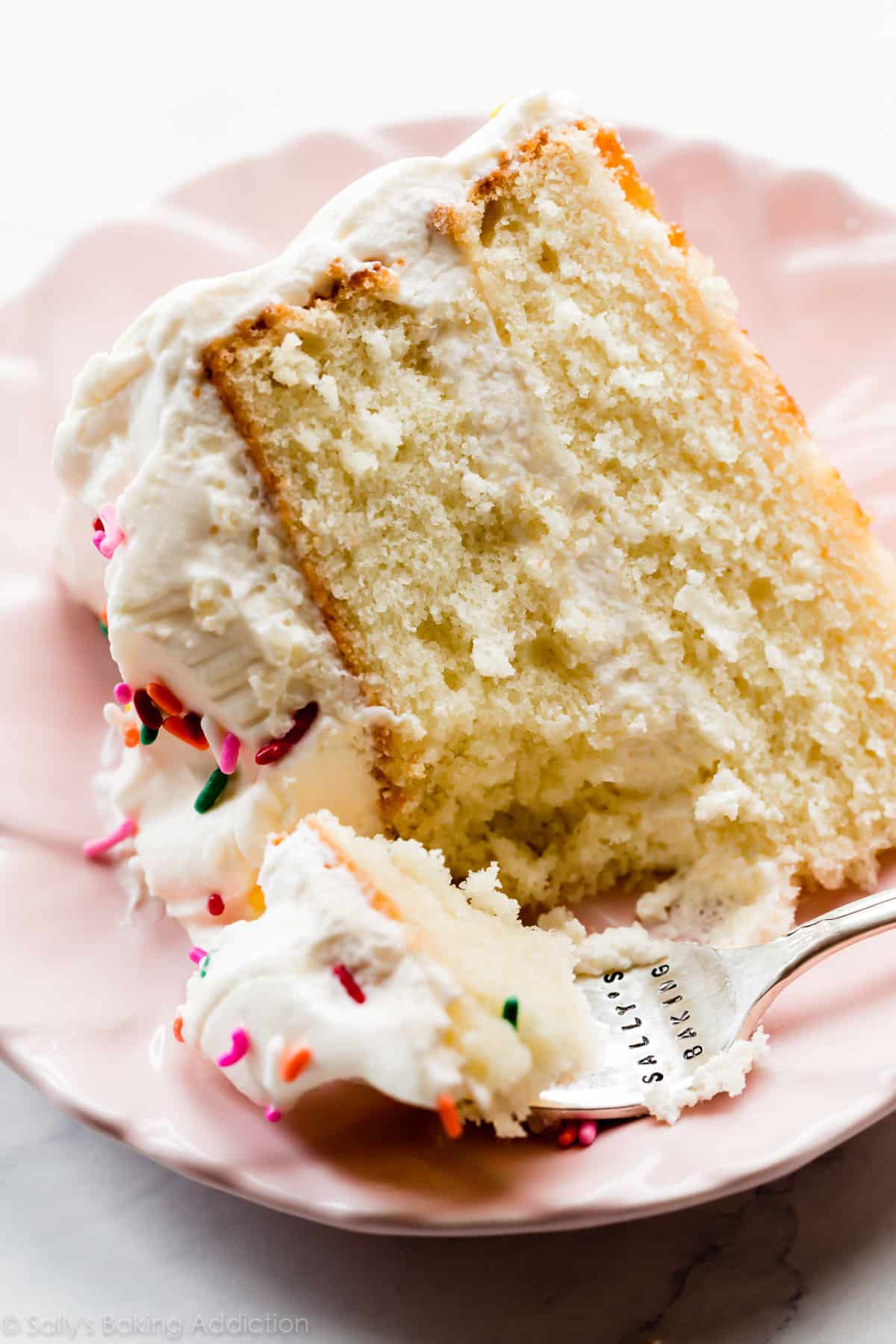
The growing number of positive testimonials underscores the recipe’s effectiveness. For instance, reader Erika commented on the frosting’s "silky smooth and light" quality, specifically noting its superiority to overly sweet and heavy buttercream. Another reader, John, praised its consistent success, stating he has "not bought store-made frosting since" trying this recipe for his daughter’s birthday cake, highlighting its reliability and widespread appeal. Such direct feedback is invaluable in demonstrating real-world application and satisfaction.
Addressing Common Pitfalls: A Focus on Baker Success
A key aspect of the recipe’s widespread acceptance is its proactive approach to troubleshooting. The article candidly addresses common issues like frosting being "too thin" or "too thick," offering clear, actionable solutions. An under-whipped frosting, characterized by a soupy or jiggly consistency, can often be remedied by simply continuing to whip. Conversely, an over-whipped frosting, which appears chunky or curdled, can often be salvaged by gently stirring in additional cold heavy cream by hand. This level of practical guidance empowers bakers to overcome challenges, fostering confidence and reducing food waste.
Beyond these immediate fixes, the recipe emphasizes several foundational "success tips":
- Use full-fat ingredients: Crucial for achieving the desired richness and stability.
- Ensure all ingredients are very cold: Particularly important for heavy cream, as cold fat whips more effectively.
- Whip to stiff peaks: The visual cue for proper aeration and structure.
- Avoid over-whipping: A common mistake that can lead to a broken, grainy texture.
These guidelines are not merely suggestions but critical determinants of the frosting’s final consistency and performance, highlighting the scientific principles behind successful whipping.
Broader Implications for the Baking Industry and Home Bakers
The emergence and popularization of recipes like the "Not-So-Sweet Whipped Frosting" carry several implications:
- Consumer Empowerment: It provides home bakers with a versatile, high-quality frosting option that rivals professional standards without requiring specialized skills or exotic ingredients. This democratization of sophisticated baking techniques enhances the joy and accessibility of home cooking.
- Market Trends in Ingredients: The recipe’s reliance on specific high-fat dairy products may influence demand patterns for heavy cream and full-fat cream cheese, encouraging manufacturers to maintain or expand offerings in these categories.
- Innovation in Patisserie: While this recipe is targeted at home bakers, its principles of stabilizing lighter frostings could inspire professional pastry chefs to explore similar hybrid formulations, leading to new dessert creations that cater to evolving consumer tastes. The concept of a "stabilized whipped cream" with an added flavor dimension (from cream cheese) opens avenues for further experimentation with various dairy bases or emulsifiers.
- Health and Wellness Alignment: By offering a less sweet option, the recipe aligns with broader public health initiatives promoting reduced sugar intake. This allows individuals to enjoy celebratory desserts without the guilt often associated with overly sweet treats.
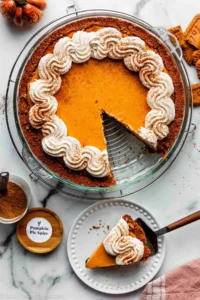
- Versatility in Application: The frosting’s ability to pair well with a wide array of cakes—from vanilla and chocolate to more assertive flavors like lemon blueberry, pumpkin, and citrus—demonstrates its adaptability. Its lightness complements richer cakes, preventing the dessert from becoming overly heavy. Its stability also makes it a strong contender for applications requiring a firm hold, such as intricate decorations, filling for multi-layered cakes, or even delicate pastries like mille-feuille.
In conclusion, the "Not-So-Sweet Whipped Frosting" represents more than just a recipe; it is a response to evolving culinary demands and a testament to the continuous innovation within the baking community. Its blend of simplicity, stability, and balanced sweetness positions it as a significant development, promising to remain a favorite for those seeking an elegant yet approachable frosting solution for years to come.