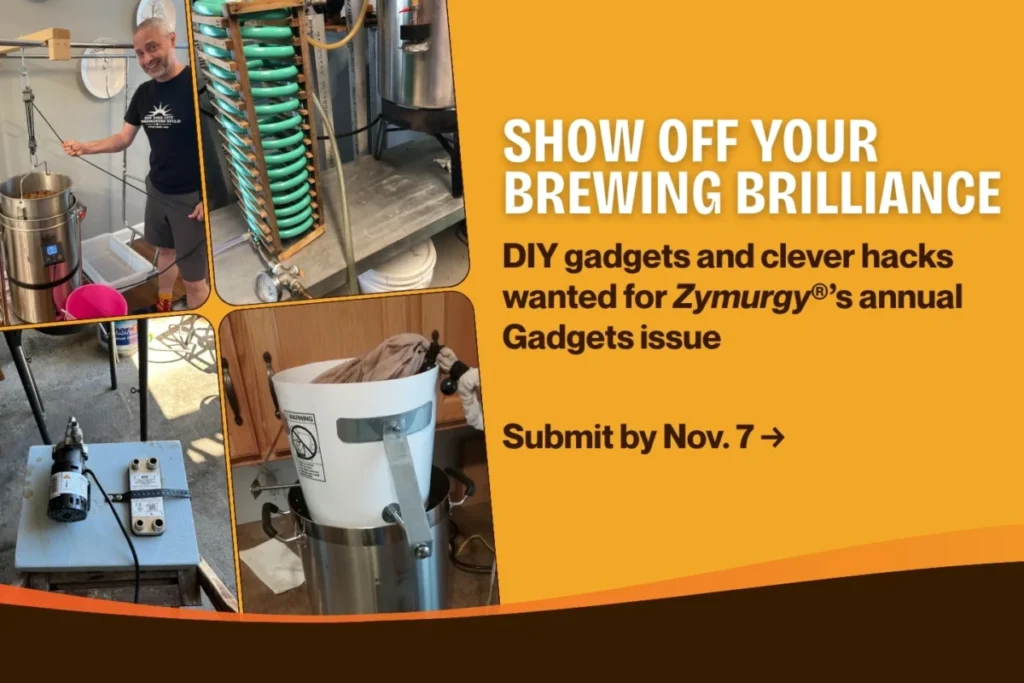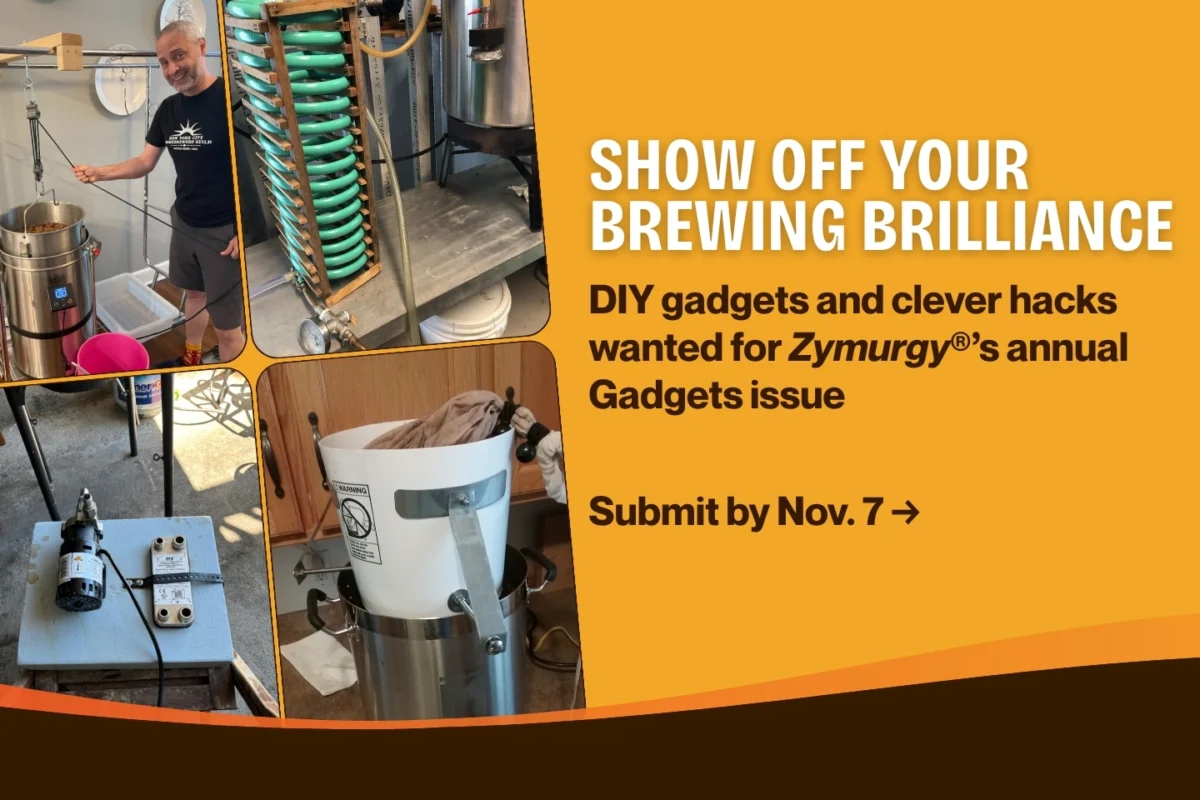

The American Homebrewers Association (AHA) has officially announced its call for submissions for the January/February 2026 "Gadgets" issue of Zymurgy magazine, inviting enthusiasts from across the globe to showcase their unique brewing inventions and homemade modifications. This annual tradition highlights the intersection of engineering, creativity, and the culinary arts, providing a platform for homebrewers to share tools that enhance the efficiency, speed, and precision of the brewing process. With a submission deadline set for Friday, November 7, 2025, the AHA aims to compile a comprehensive repository of modern DIY brewing technology that reflects the evolving landscape of the hobby.
As the longest-running publication dedicated specifically to the craft of homebrewing, Zymurgy has served as a cornerstone of the community since its inception in 1978. The upcoming Gadgets issue is particularly significant as it focuses on the "maker" culture that has historically defined the homebrewing movement. From modified refrigeration units for temperature-controlled fermentation to custom-built automated grain mills, the gadgets featured in this issue often serve as precursors to commercial products found in the craft beer industry.
The Significance of the Gadgets Issue in Homebrewing Culture
The homebrewing community has long been characterized by a spirit of self-reliance and innovation. Before the explosion of the commercial craft beer market, enthusiasts were often forced to repurpose dairy equipment, scientific lab gear, and kitchen appliances to achieve professional-grade results at home. The Zymurgy Gadgets issue serves as an annual archive of this ingenuity.
The upcoming 2026 edition seeks to highlight inventions that solve common brewing bottlenecks. These include improvements in wort chilling, water filtration, yeast management, and cleaning protocols. By documenting these inventions, the AHA facilitates a peer-to-peer knowledge transfer that has historically accelerated the technical proficiency of the entire hobby. The focus remains on tools that make the "brew day" faster, easier, or more efficient—criteria that resonate with both novice brewers and seasoned veterans who manage complex, multi-vessel systems.
Submission Requirements and Participation Logistics
The AHA has established a streamlined process for submissions to ensure a diverse array of entries. Participants are required to provide a high-resolution photograph of their invention alongside a concise description detailing its function, construction materials, and the specific problem it solves in the brewery.
Access to this submission platform is a benefit reserved for AHA members. This membership requirement underscores the association’s mission to foster a dedicated community of brewers who contribute to the organization’s educational resources. For those who are not currently members, the AHA provides an open invitation to join the organization, which, in addition to Zymurgy magazine access, offers benefits such as discounts at breweries and taprooms across the United States and access to the Great American Beer Festival (GABF) member presale.
The deadline of November 7, 2025, is strategically placed to allow the editorial team sufficient time for the rigorous vetting and layout process required for the January/February 2026 print and digital release. Entries are typically evaluated based on their originality, practicality, and the clarity of the DIY instructions provided.
Historical Context: From the Cranston Act to Modern Automation
To understand the importance of Zymurgy and its focus on gadgets, one must look at the historical trajectory of homebrewing in the United States. Following the repeal of Prohibition, homebrewing remained technically illegal at the federal level until 1978, when President Jimmy Carter signed H.R. 1337, which included an amendment by Senator Alan Cranston. This legislation legalized the production of beer for personal or family use.
In the decades following legalization, the American Homebrewers Association, founded by Charlie Papazian, became the primary advocate for the hobby. During the 1980s and 1990s, "gadgetry" was born out of necessity. Brewers often built their own mash tuns from insulated water coolers and converted stainless steel soda kegs (Cornelius kegs) into fermentation vessels.
In the 21st century, the nature of these gadgets has shifted toward electronics and automation. The rise of affordable microcontrollers like Arduino and Raspberry Pi has enabled homebrewers to build sophisticated temperature-control systems and automated brewing rigs that rival the technology used in commercial microbreweries. The 2026 Gadgets issue is expected to reflect this digital evolution, potentially featuring software-integrated sensors and wireless monitoring systems that represent the current state of "smart" homebrewing.
Supporting Data: The Economic Impact of Homebrewing
According to data from the Brewers Association—the parent organization of the AHA—the homebrewing hobby serves as a vital pipeline for the professional craft brewing industry. It is estimated that over 90% of professional brewers began their careers as homebrewers. This transition is often fueled by the technical skills gained through DIY equipment building.
Research indicates that the homebrewing industry contributes significantly to the economy through the sale of malt, hops, yeast, and equipment. In the United States alone, there are approximately 1.1 million homebrewers who produce an estimated 1.4 million barrels of beer annually. The innovation showcased in Zymurgy often drives consumer trends; when a DIY gadget becomes popular among homebrewers, it frequently leads to the development of a commercial version by equipment manufacturers such as Blichmann Engineering, MoreBeer, or SS Brewtech.
Implications for the Craft Beer Industry
The influence of homebrew gadgets extends beyond the garage or basement brewery. Many of the techniques now standard in professional craft brewing—such as dry-hopping methods, the use of whirlpool hops, and specific water chemistry adjustments—were refined by homebrewers using custom-built tools.
By encouraging the submission of new gadgets, the AHA is essentially crowdsourcing research and development for the brewing world. A clever hack for oxygenating wort or a new method for recapturing CO2 during fermentation could eventually find its way into professional brewhouses, helping to reduce waste and improve beer quality on a larger scale.
Furthermore, the focus on efficiency in the Gadgets issue aligns with broader industry goals regarding sustainability. Inventions that reduce water usage during the chilling process or optimize energy consumption during the boil are increasingly relevant as the brewing community seeks to minimize its environmental footprint.
Editorial Standards and Community Impact
Zymurgy magazine maintains high editorial standards, ensuring that the gadgets featured are not only innovative but also safe for use. The editorial board, comprised of experienced brewers and technical writers, reviews submissions for structural integrity and food-safety compliance, particularly concerning the materials used in contact with hot wort or finished beer.
The publication of a gadget in Zymurgy is often considered a high honor within the homebrewing community. It provides the inventor with national recognition and contributes to their "brewing resume." For many, it is an opportunity to give back to a community that relies heavily on the open sharing of information. Unlike the commercial sector, where trade secrets are guarded, the homebrewing world operates on an open-source philosophy where the goal is the collective improvement of the final product.
Timeline Toward the 2026 Release
Following the November 7, 2025, submission deadline, the AHA editorial staff will begin a multi-stage review process:
- Initial Screening (November 2025): Submissions are sorted by category and checked for completeness, including the required membership verification.
- Technical Review (December 2025): The "Gadgets" editorial team evaluates the feasibility and safety of the inventions. They may contact submitters for additional details or higher-quality imagery.
- Layout and Design (Late December 2025): Selected gadgets are integrated into the January/February 2026 issue layout, featuring diagrams and step-by-step instructions where applicable.
- Publication (January 2026): The issue is distributed to AHA members via mail and digital platforms, marking the official release of the year’s most anticipated DIY content.
Conclusion
The American Homebrewers Association’s call for submissions for the 2026 Zymurgy Gadgets issue represents more than just a magazine feature; it is a celebration of the ingenuity that has driven the brewing revolution for nearly half a century. By documenting the creative solutions of individual brewers, the AHA continues to foster a culture of innovation that bridges the gap between amateur experimentation and professional excellence. As the November 7 deadline approaches, the global homebrewing community prepares to unveil the next generation of tools that will shape the future of the craft.