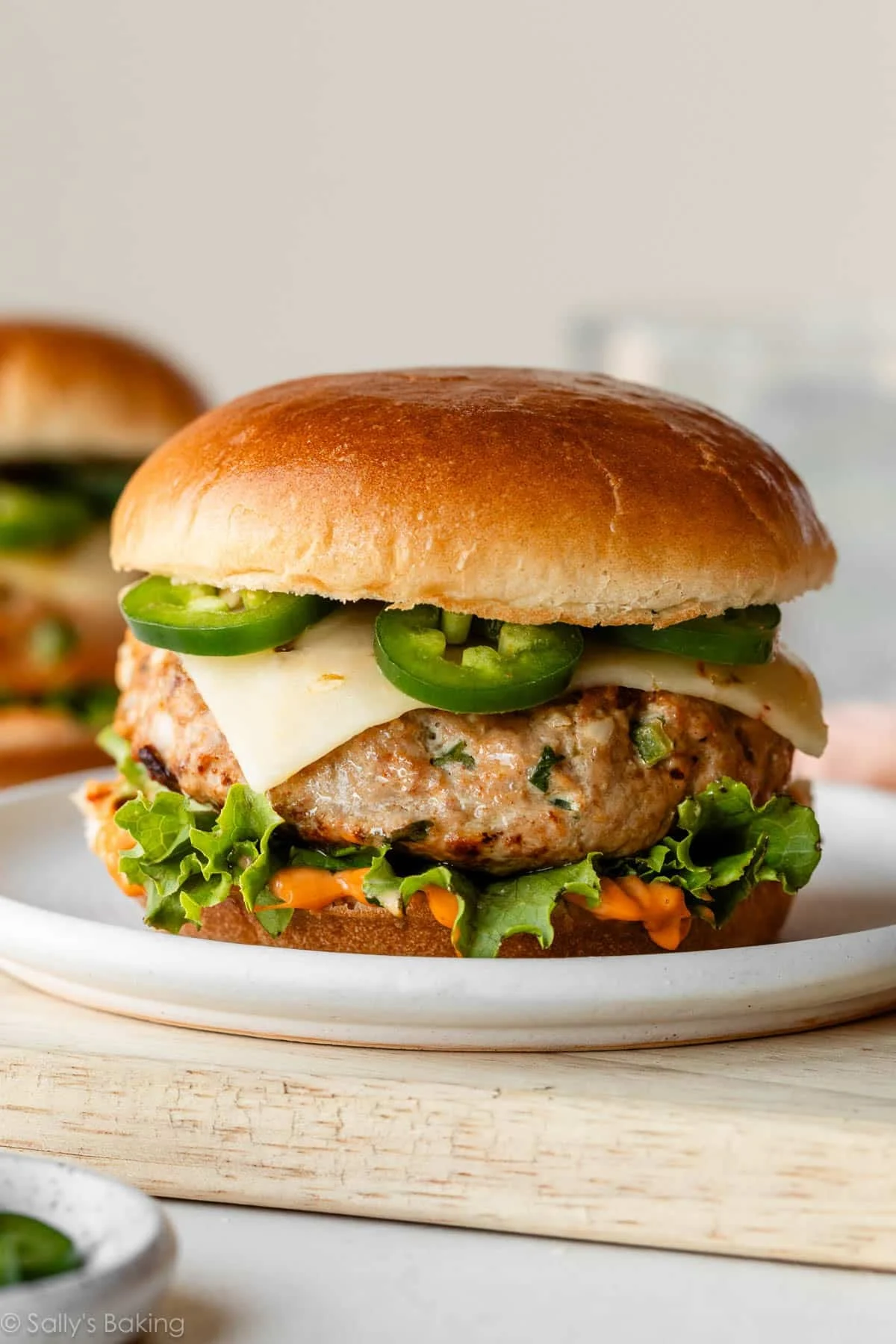

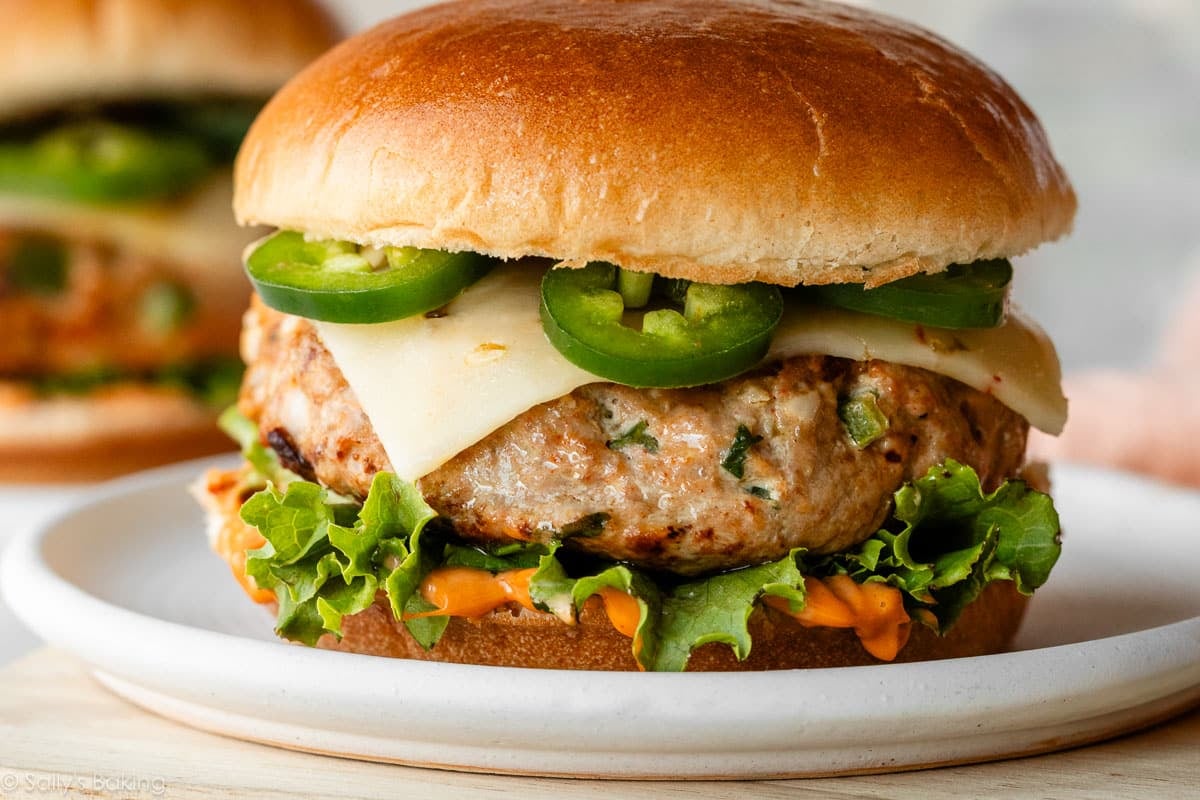
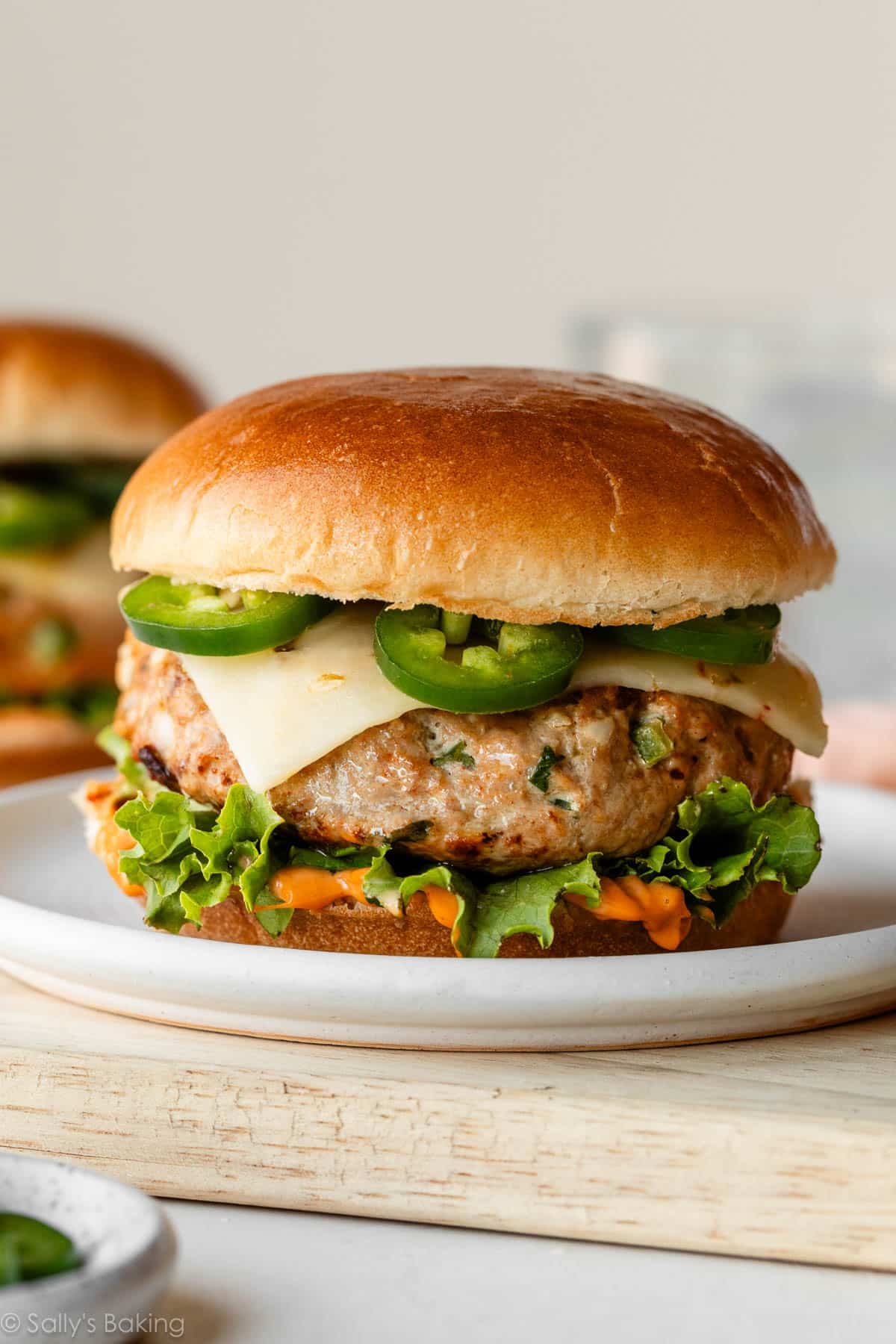
The culinary landscape has witnessed a significant evolution in recent years, marked by a growing demand for healthier yet uncompromisingly flavorful dishes. Among these, the turkey burger, often historically perceived as a drier, less exciting alternative to its beef counterpart, has undergone a remarkable transformation. A prime example of this culinary innovation is the development and widespread acclaim of the Jalapeño Pepper Jack Turkey Burger, a recipe that has redefined expectations for ground turkey patties by delivering an experience characterized by exceptional juiciness, robust flavor, and a satisfying medium-spicy kick. This particular recipe, initially published in 2019 and subsequently refined with updated photography and enhanced preparation guidance, stands as a testament to the potential for elevating everyday meals into gourmet experiences. Its success underscores a broader trend in home cooking towards sophisticated flavor profiles and meticulous technique, ensuring that health-conscious choices do not equate to a sacrifice in taste.
The Evolution of the Turkey Burger: From Bland to Bold
For decades, the turkey burger occupied a niche market, primarily appealing to consumers seeking a lower-fat alternative to beef. However, early iterations often struggled with textural dryness and a perceived lack of inherent flavor, leading to a reputation for being somewhat uninspiring. This culinary challenge prompted recipe developers to explore innovative methods and ingredient combinations to imbue ground turkey with the succulence and zest typically associated with premium beef burgers. The development of recipes like the Jalapeño Pepper Jack Turkey Burger represents a pivotal moment in this evolution. By integrating a carefully curated blend of spices, fresh aromatics, and moisture-retaining ingredients, these new-generation turkey burgers successfully overcome past limitations, offering a vibrant, juicy, and deeply satisfying meal that appeals to a much broader audience. This shift reflects a growing sophistication in the home cooking sector, where consumers are increasingly willing to experiment with diverse ingredients to achieve restaurant-quality results in their own kitchens.
A Symphony of Flavors: Deconstructing the Recipe’s Success
The core appeal of this specific turkey burger lies in its intelligent layering of flavors and textures. The recipe champions a blend of ingredients meticulously chosen to complement and enhance the natural mildness of ground turkey. Key components include:
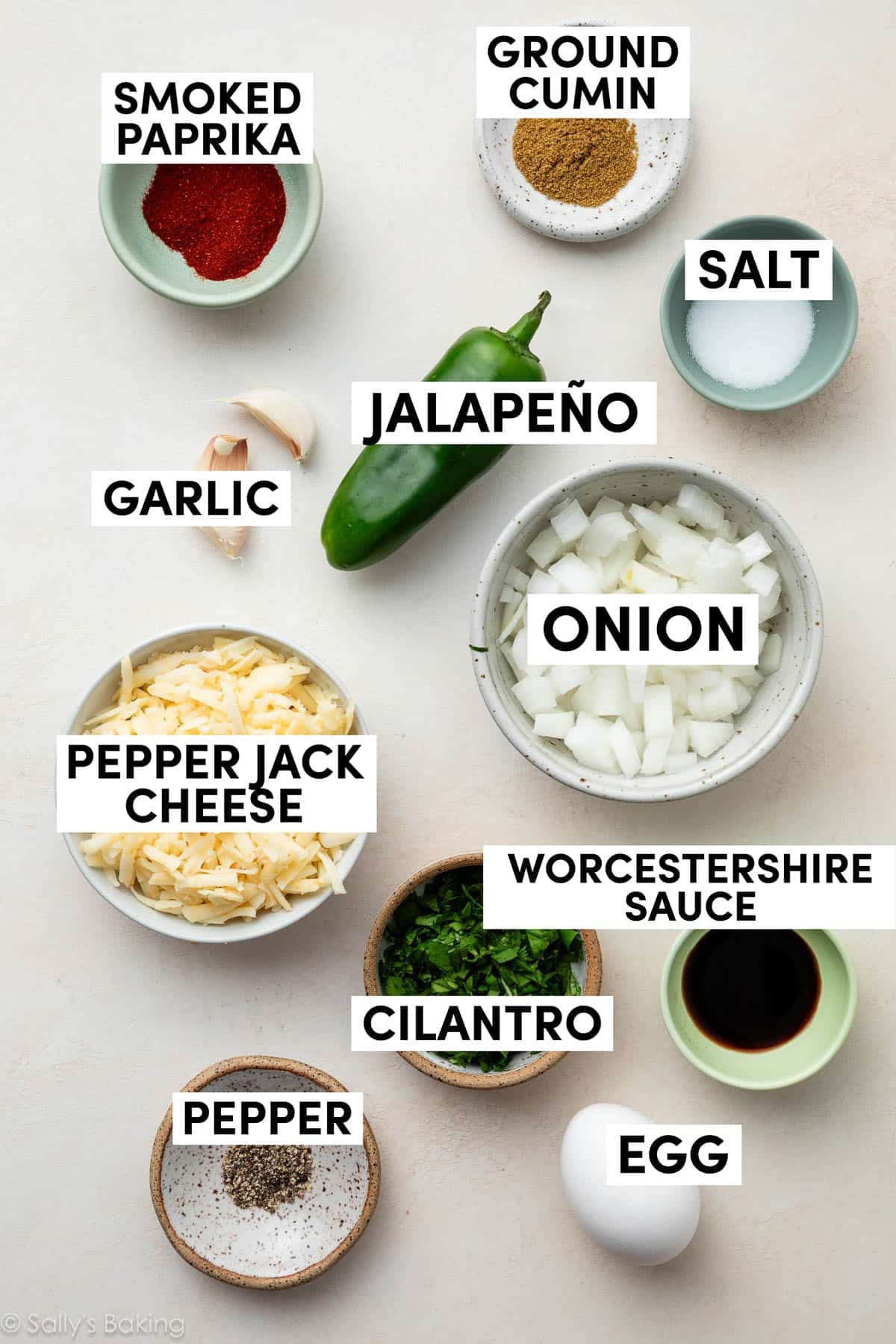
- Cumin and Smoked Paprika: These spices are foundational, providing a warm, earthy depth and a subtle smokiness that mimics the complexity often found in grilled meats. Smoked paprika, in particular, adds a nuanced flavor dimension that elevates the overall profile, moving it beyond a simple spiced patty.
- Jalapeño Pepper: The eponymous jalapeño is central to the burger’s identity. It introduces a fresh, piquant heat that, when balanced correctly, invigorates the palate without overwhelming it. The recipe cleverly notes that the spice level is customizable, allowing cooks to adjust the heat by removing seeds and membranes for a milder experience or leaving them intact for a more pronounced kick. This adaptability caters to a wide spectrum of spice tolerances, broadening the recipe’s accessibility.
- Garlic and Cilantro: These fresh aromatics contribute brightness and pungency. Garlic provides a robust, savory base, while fresh cilantro introduces a herbaceous, citrusy note that cuts through the richness and adds a vibrant finish. The inclusion of fresh herbs is a hallmark of sophisticated flavor building, distinguishing this recipe from simpler, less complex burger formulations.
- Pepper Jack Cheese: Melty pepper jack cheese is integral to both flavor and texture. Its creamy consistency adds moisture, while the embedded peppers in the cheese reinforce the burger’s spicy theme, providing pockets of molten, savory heat. The cheese also acts as a binder, contributing to the patty’s structural integrity and preventing it from drying out during cooking.
Beyond these specific ingredients, the recipe’s success is also attributed to its focus on preventing dryness, a common pitfall for turkey burgers. The combination of fresh, moisture-rich ingredients like jalapeño and cilantro, coupled with the fat content of the pepper jack cheese, works synergistically to keep the patties exceptionally juicy. This careful balance of ingredients ensures that each bite is not only flavorful but also texturally pleasing, addressing a critical consumer expectation.
The Craft of Preparation: Technique as a Pillar of Flavor
Effective preparation techniques are as crucial as the ingredients themselves in achieving the desired outcome. The recipe outlines a clear, multi-step process designed to maximize flavor integration and ensure optimal texture:
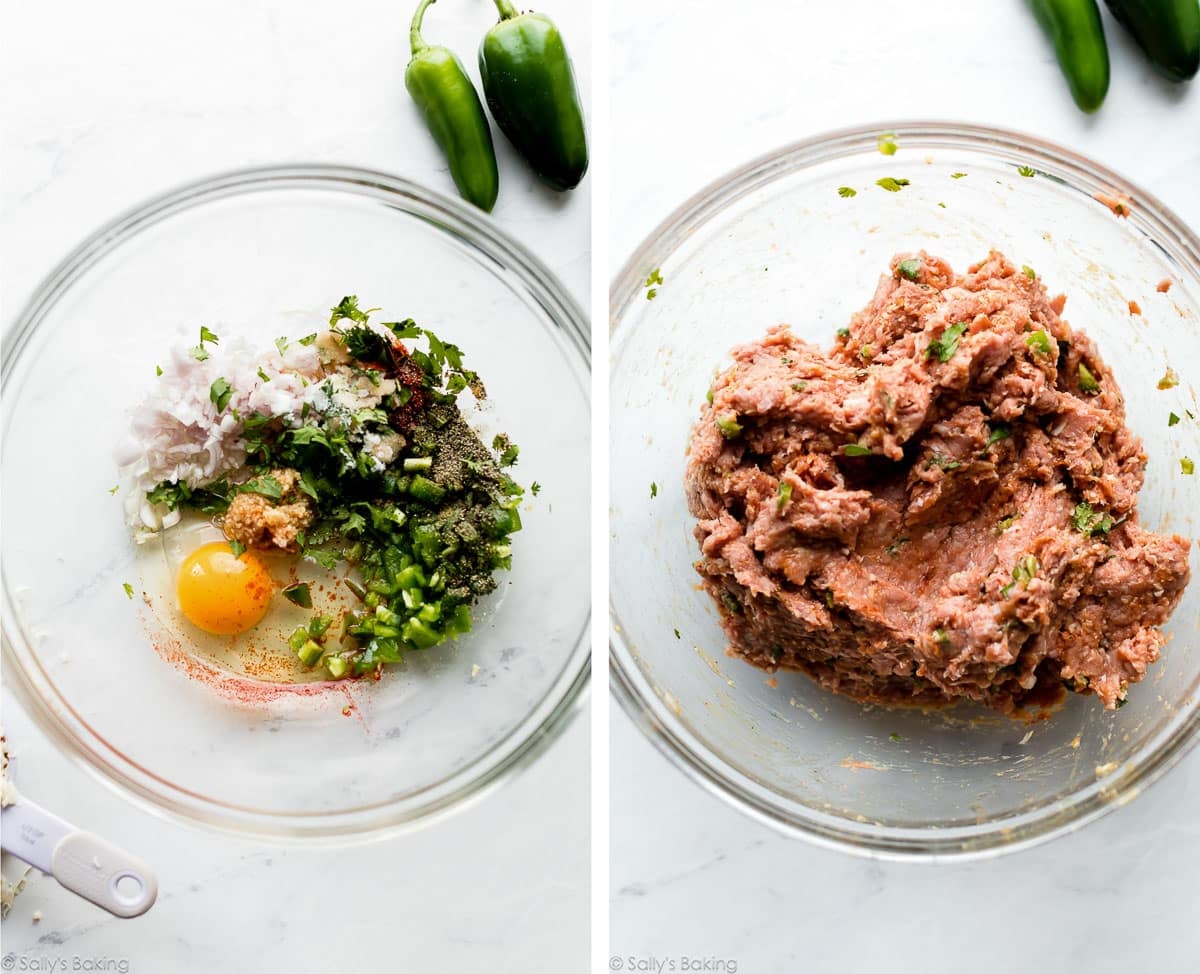
- Initial Ingredient Mixing: The instruction to mix all ingredients except the ground turkey first is a subtle but significant detail. This ensures that the spices, herbs, and cheese are evenly distributed before the delicate turkey meat is introduced, preventing overmixing which can lead to tough burgers.
- Gentle Incorporation of Turkey: Once the flavor base is established, the ground turkey is added and mixed "until just combined." This gentle handling is paramount for turkey burgers, as excessive manipulation can compact the meat fibers, resulting in a dense, dry patty. The recommendation to use hands underscores the tactile nature of achieving the right consistency.
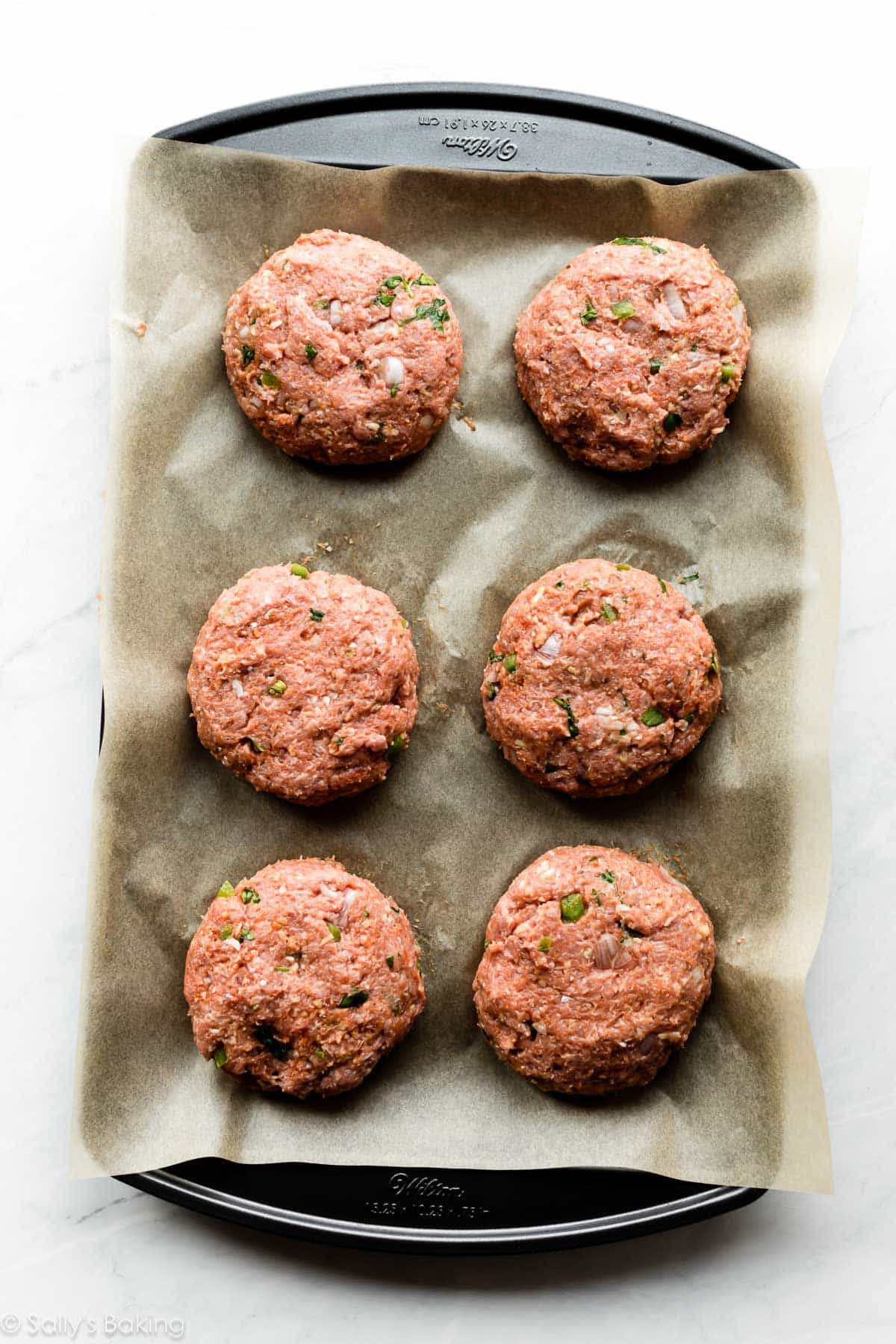
- Patty Shaping and Indentation: Shaping the mixture into uniform, compact patties is essential for even cooking. The advice to create a slight indentation in the center of each patty is a professional culinary technique. This prevents the burger from bulging in the middle during cooking, ensuring a flat, evenly cooked patty that fits neatly into a bun.
- Crucial Chilling Period: Perhaps one of the most critical steps, and a hallmark of well-developed burger recipes, is the recommendation to refrigerate the shaped patties for at least 30 minutes, and up to 6 hours. This chilling period serves multiple vital functions:
- Structure Retention: Cold patties hold their shape much better on the grill or in a pan, preventing crumbling.
- Flavor Mingle: The rest allows the various spices and aromatics to fully permeate the turkey, deepening the flavor profile.
- Moisture Lock: Chilling helps the fats solidify slightly, contributing to a juicier end product.
Versatile Cooking Methods: Grilling and Stovetop Excellence
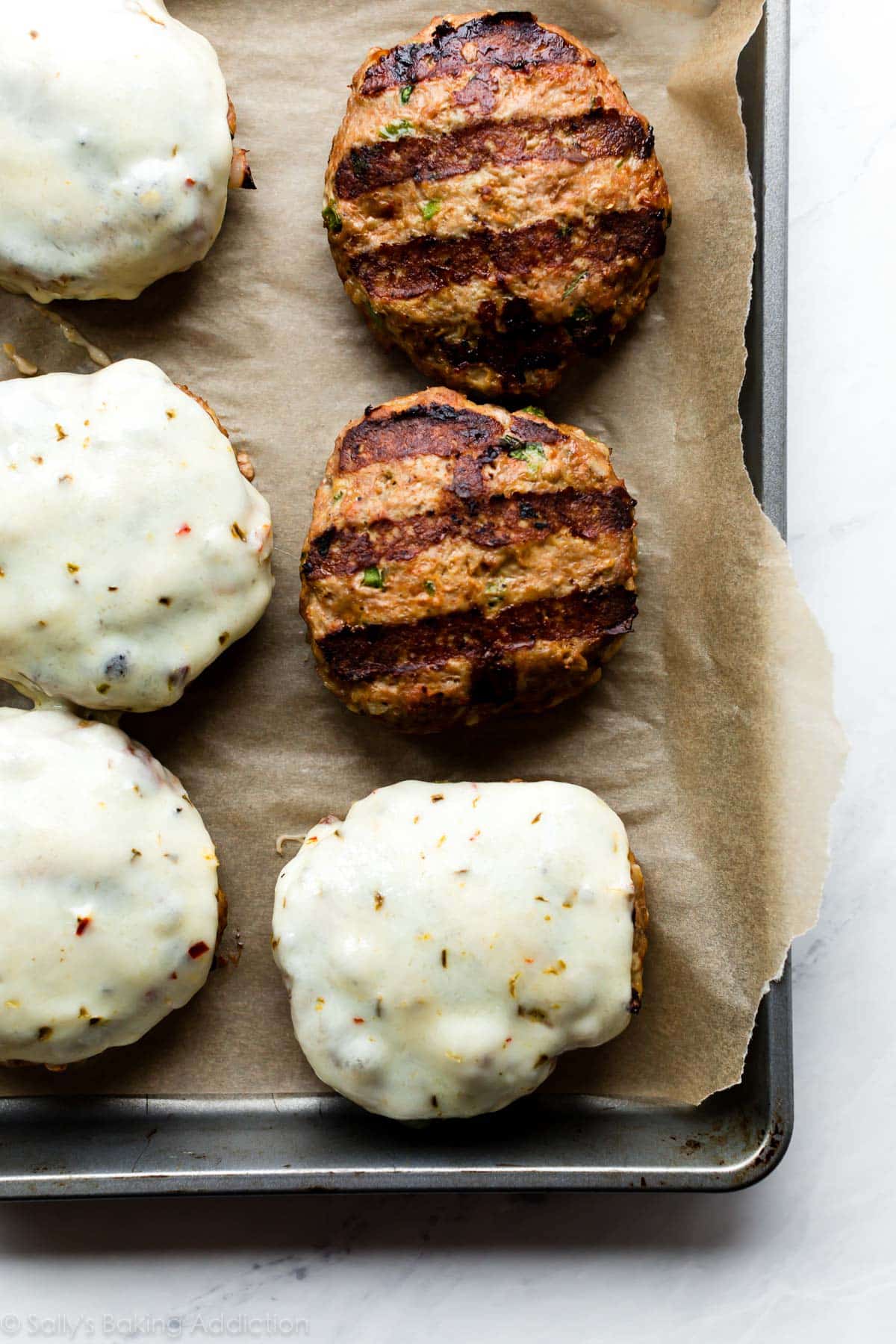
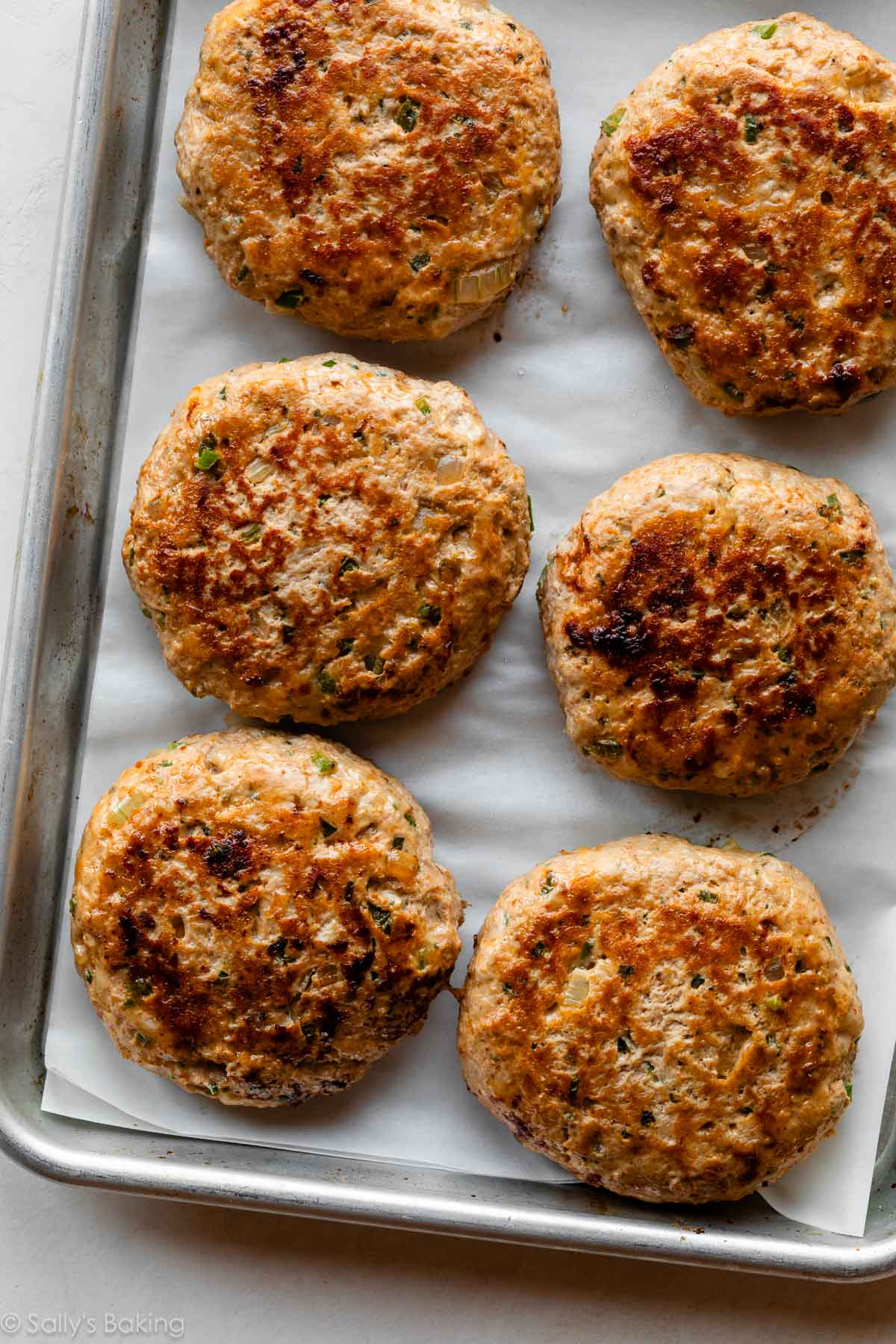
The recipe’s versatility extends to its cooking methods, offering options for both outdoor grilling and indoor stovetop preparation. Grilling is highlighted for its ability to impart a smoky char and aid in moisture retention, a characteristic often sought after in burger preparation. However, the recipe assures that stovetop cooking also yields excellent results, making these burgers accessible year-round, regardless of weather or equipment availability. The emphasis on cooking to an internal temperature of 165°F (74°C), monitored with an instant-read thermometer, is a critical safety and quality control measure, preventing both undercooking and the dreaded overcooking that leads to dry turkey. The final touch of melting pepper jack cheese directly on the patties during the last stages of cooking enhances both flavor and visual appeal, ensuring a gooey, irresistible topping.
Spice Profile and Customization: Catering to Diverse Palates
The recipe’s explicit discussion of the jalapeño’s spice level is a key feature, empowering home cooks to tailor the heat to their preference. Jalapeños, with a Scoville Heat Unit (SHU) rating typically ranging from 2,500 to 8,000, offer a medium level of spice. The majority of the capsaicin (the compound responsible for heat) is concentrated in the seeds and the white pith (membranes). Therefore, the instruction to remove these components for a milder burger, or leave them in for increased heat, provides a practical and effective means of customization. This detailed guidance transforms what might otherwise be a fixed flavor profile into a flexible culinary experience. For those highly sensitive to spice, the suggestion to substitute bell pepper for jalapeño and cheddar or Monterey Jack for pepper jack cheese further broadens the recipe’s appeal, demonstrating a thoughtful approach to diverse dietary preferences and sensitivities. This adaptability ensures that the core principles of juiciness and flavor can be enjoyed by nearly everyone.
Consumer Reception and Culinary Impact
The sustained positive reception from home cooks serves as compelling evidence of this recipe’s effectiveness. Testimonials, such as Erika’s comment describing it as her "favorite turkey burger recipe" after prior disappointments with "bland and dry" alternatives, highlight the recipe’s success in overcoming common turkey burger shortcomings. Lori’s feedback, placing these burgers "on the top of my list" for their flavor and moisture, further reinforces the consistent quality achieved. Such reader endorsements are invaluable in the digital culinary sphere, acting as social proof and guiding other home cooks towards reliable and enjoyable recipes. This feedback loop is instrumental in the propagation of successful online recipes, transforming individual culinary discoveries into widely adopted household staples. The consistent positive reviews indicate that the recipe not only meets but exceeds expectations, establishing a new benchmark for turkey burger quality.
Beyond the Bun: Serving Suggestions and Culinary Pairings
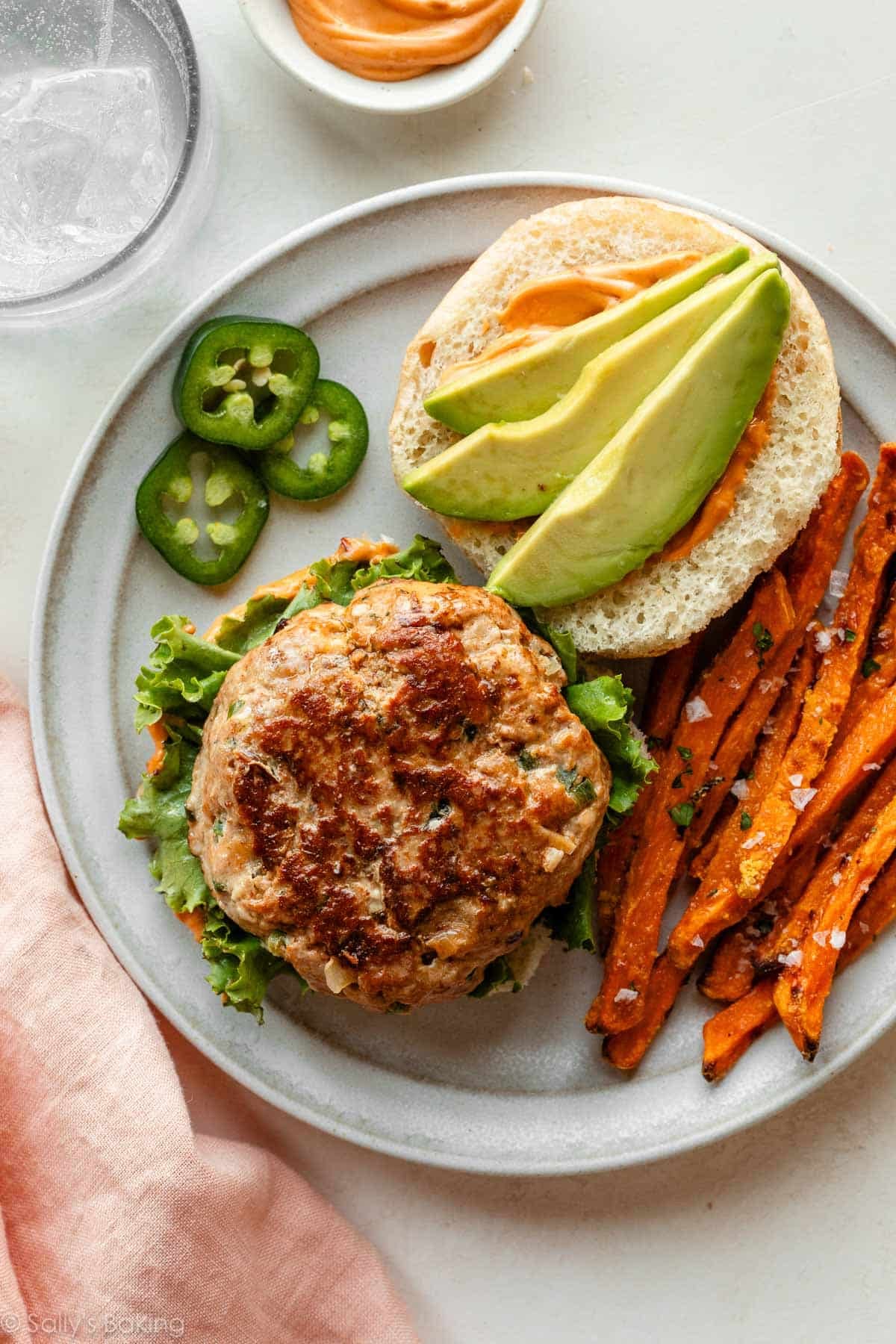
The versatility of these turkey burgers extends beyond their preparation, offering numerous serving possibilities. While a toasted bun remains a classic choice, the suggestion of a soft pretzel roll introduces a textural and flavor variation, adding a chewy, slightly salty counterpoint to the burger’s spicy profile. The recipe also encourages alternative presentations, such as serving the patty on a salad or chopped in a wrap, catering to gluten-free or low-carb dietary preferences.
The recommended toppings further enhance the customization potential, including:
- Avocado/Guacamole: Adds a creamy, rich texture and mellows the spice.
- Spicy Mayo/Sriracha Mayo: Reinforces the heat profile with an added layer of creaminess.
- Pickled Onions/Red Onions: Offers a sharp, acidic crunch that provides contrast.
- Crispy Onions: Introduces a savory, textural element.
- Lettuce, Tomato, Pickle: Classic burger garnishes for freshness and crunch.
For side dishes, the pairing with baked sweet potato fries is a particularly well-suited recommendation. Sweet potato fries offer a balance of sweetness and earthiness that complements the burger’s savory and spicy notes, while also providing a healthier alternative to traditional potato fries. This thoughtful approach to pairings elevates the entire meal, demonstrating how a well-conceived recipe considers the complete dining experience.
The Digital Recipe Landscape and Evolution
The journey of this recipe, from its initial publication in 2019 to its subsequent updates, reflects the dynamic nature of online food content. In the digital age, recipes are not static; they evolve. Content creators regularly revisit and refine their popular recipes, incorporating new insights, improved techniques, and updated visual elements to enhance user experience and maintain relevance. This iterative process, exemplified by the addition of "extra success tips for consistently excellent results," is a cornerstone of effective digital publishing. High-quality food photography, as seen in the accompanying images, plays an equally crucial role, visually enticing readers and providing clear instructional cues, thereby bridging the gap between digital content and tangible culinary outcomes. This commitment to continuous improvement solidifies the recipe’s standing as a reliable and highly valued resource for home cooks.
Nutritional Considerations and Dietary Trends
The appeal of turkey burgers often stems from their nutritional profile, which generally positions them as a leaner protein source compared to traditional beef burgers. Ground turkey typically contains less saturated fat and fewer calories, making it an attractive option for individuals mindful of their fat intake or pursuing weight management goals. While beef burgers offer iron and B vitamins, turkey provides similar benefits with a lower fat content. The incorporation of fresh vegetables like jalapeños and herbs further enhances the nutritional value, adding vitamins, minerals, and antioxidants. This alignment with broader dietary trends favoring leaner proteins and fresh, whole ingredients contributes significantly to the recipe’s popularity, appealing to a health-conscious consumer base without compromising on the desire for satisfying, flavorful meals. The ability to customize ingredients, such as swapping cheese or peppers, further empowers individuals to align the recipe with specific dietary needs or preferences, whether for calorie reduction or flavor adjustment.
Broader Implications for Home Cooking and the Food Industry
The success of a recipe like the Jalapeño Pepper Jack Turkey Burger has broader implications. For home cooks, it demonstrates that "healthy eating" does not necessitate blandness, encouraging greater experimentation with spices and fresh ingredients. It also highlights the value of detailed instructions and expert tips in empowering individuals to achieve culinary success. For the food industry, such recipes signal consumer preferences: a demand for versatile, flavorful, and health-conscious options. This can influence product development in ground meats, cheese varieties (e.g., flavored cheeses like pepper jack), spice blends, and even prepared meal kits. The emphasis on chilling and proper cooking temperatures also reinforces the importance of food safety education for the general public. Ultimately, this recipe serves as a micro-example of macro trends, illustrating the ongoing desire for culinary creativity, nutritional awareness, and accessible gourmet experiences in everyday life.
In conclusion, the Jalapeño Pepper Jack Turkey Burger has transcended the typical recipe to become a notable benchmark in modern home cooking. By masterfully combining bold flavors, meticulous preparation techniques, and a keen understanding of turkey’s unique properties, it has successfully transformed a once-underestimated dish into a juicy, satisfying, and intensely flavorful culinary staple. Its journey from a 2019 publication to a continually updated and celebrated recipe underscores the dynamic evolution of food content and consumer expectations in the digital age, proving that with thoughtful design, a turkey burger can indeed be anything but boring.