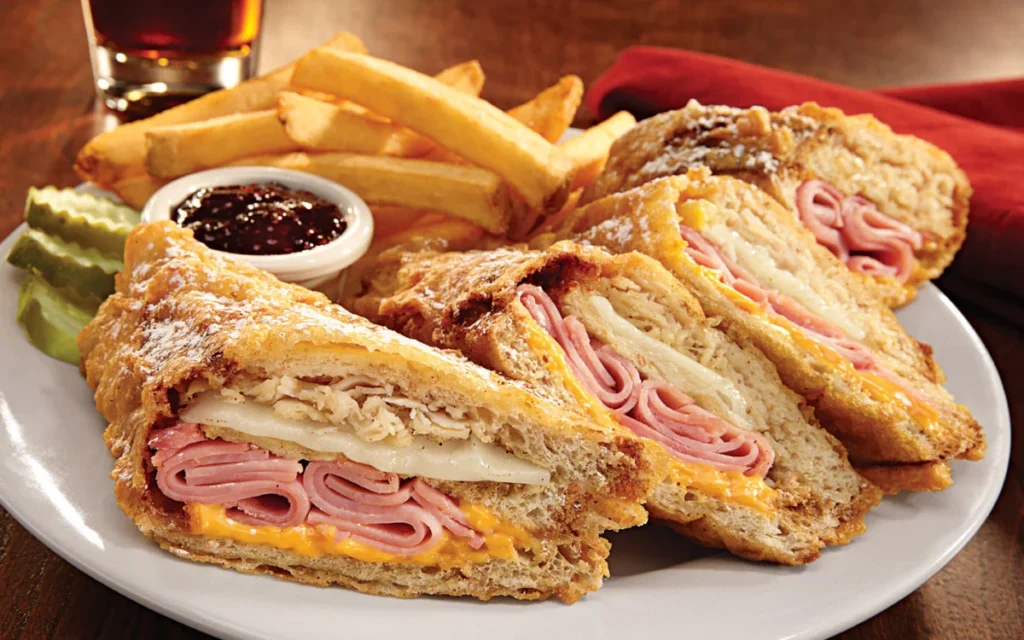

The modern hospitality landscape has reached a critical juncture where the intersection of consumer expectation and operational reality requires a sophisticated approach to menu development. Full-service restaurant (FSR) operators are currently navigating a market defined by hyper-competition, where the necessity to deliver differentiated, high-quality dining experiences is at an all-time high, yet the resources available—both in terms of labor and capital—remain constrained. To drive repeatability and maintain brand loyalty, savvy operators are increasingly turning toward intentional flavor profiles and versatile ingredients that bridge the gap between back-of-house efficiency and front-of-house "wow" factors. This strategic shift is not merely a trend but a response to a complex set of economic and social drivers that have reshaped the American dining experience over the last five years.
The Evolution of the Full-Service Dining Landscape
The trajectory of the full-service restaurant industry has undergone a radical transformation since 2020. Initially forced into survival mode by global lockdowns, the industry pivoted toward off-premise dining and streamlined menus. However, as dining rooms reopened, a new set of challenges emerged: a persistent labor shortage, skyrocketing food inflation, and a consumer base that had become more discerning during their time away. According to industry data from the National Restaurant Association, food costs for many operators remain significantly higher than 2019 levels, while labor costs have risen by an average of 20% to 30% in many urban markets.
In this environment, the "complexity tax"—the hidden cost of managing a menu with too many unique, perishable, or labor-intensive ingredients—has become a primary threat to profitability. Operators are now tasked with a difficult balancing act: they must provide "elevated" flavors that justify higher menu prices while simultaneously reducing the number of touches required by kitchen staff. The solution has emerged in the form of "intentional flavor profiles"—a culinary philosophy that prioritizes ingredients with high impact, high versatility, and clean labels.
Analyzing the Rise of the Global Palate and Clean Labels
Diner preferences in 2024 and 2025 are characterized by two seemingly contradictory desires: a craving for adventurous, global influences and a demand for "cleaner," more transparent ingredient lists. Market research indicates that approximately 65% of Gen Z and Millennial diners prioritize "authentic" global flavors when choosing a full-service restaurant. These diners are looking for more than just generic spice; they seek the specific brightness of Southeast Asian citrus, the deep umami of fermented pastes from East Asia, or the complex acidity of North African and Mediterranean vinegars.
Simultaneously, the "clean label" movement has migrated from the grocery aisle to the dining table. Consumers are increasingly wary of artificial preservatives, high-fructose corn syrup, and excessive sodium. For an operator, this means that the "secret sauce" used to differentiate a dish must not only taste superior but must also stand up to the scrutiny of an ingredient-conscious public. Ingredients that offer "brightness"—typically achieved through high-quality acids like specialty vinegars or citrus—allow chefs to lift the flavor profile of rich, heavy dishes without relying on excessive fats or artificial enhancers. This "brightness" is a key component of craveability, the elusive quality that drives repeat visits.
Chronology of Menu Innovation: 2020–2025
The shift toward the current state of menu engineering can be traced through several distinct phases:
- The Rationalization Phase (2020–2021): Operators slashed menu sizes by 30% to 50% to manage supply chain disruptions and limited staff. Innovation was secondary to survival.
- The Premiumization Push (2022): As diners returned to tables, there was a surge in "revenge spending." Restaurants introduced high-end ingredients to justify price hikes necessitated by inflation.
- The Efficiency Era (2023): The industry realized that labor shortages were structural, not temporary. Menu development began to focus on "cross-utilization"—using one ingredient across multiple dayparts and menu categories.
- The Strategic Flavor Integration (2024–Present): The current phase focuses on "intentionality." Rather than adding more items, chefs are refining the components of existing items to ensure they deliver maximum flavor impact with minimal operational drag.
Supporting Data: The Economics of Flavor
Data from recent foodservice economic reports highlights why this shift is necessary. The average full-service restaurant profit margin typically hovers between 3% and 5%. A 1% reduction in food waste or a 2% improvement in labor efficiency can result in a significant boost to the bottom line.
A study on menu engineering revealed that dishes featuring "versatile, high-impact ingredients" (such as a signature fermented chili paste or a specific aged balsamic) have a 15% higher likelihood of being "highly profitable" compared to dishes that rely on single-use, high-cost proteins. Furthermore, ingredients that provide "brightness" are statistically linked to higher dessert and beverage sales; the acidity cleanses the palate, making the diner more likely to continue ordering throughout the meal.
Labor data also supports this trend. In a survey of back-of-house managers, 72% reported that "pre-made, high-quality flavor bases" or "versatile finishing ingredients" were essential to maintaining consistency across shifts, particularly when turnover is high. By utilizing a single, high-quality ingredient that can be used in a marinade, a salad dressing, and a cocktail garnish, a restaurant can reduce its SKU (Stock Keeping Unit) count by up to 10%, simplifying inventory management and reducing the risk of spoilage.
Operational Strategy: Streamlining the Back-of-House
The core of the "intentional flavor" strategy lies in the back-of-house execution. In a traditional full-service kitchen, creating a complex, multi-layered sauce from scratch can take hours of labor and dozens of ingredients. However, by selecting a versatile, high-quality foundation—such as a premium vinegar or a chef-grade citrus base—the kitchen can achieve the same result in minutes.
This approach addresses the "consistency gap." In many restaurants, the quality of a dish can vary depending on which line cook is working. By using a consistent, high-performance ingredient that requires fewer "touches," operators ensure that the guest experience remains identical on a Tuesday afternoon and a Saturday night. This consistency is the bedrock of repeatability; a guest returns because they know exactly how that specific "craveable" flavor will taste.
Industry Perspectives and Expert Analysis
Culinary consultants and industry veterans suggest that the move toward intentionality is a sign of a maturing market. "We are moving away from the era of ‘more is more,’" says one industry analyst. "Today’s successful operators are those who can do ‘more with less.’ They aren’t looking for ten new ingredients; they are looking for one ingredient that can do ten different things."
Chef-driven feedback indicates that "brightness" is the most sought-after profile in current menu development. As menus lean into richer, plant-based proteins or heavier comfort foods to satisfy the "soul food" trend, the need for an acidic counterpoint becomes vital. This is where ingredients like high-quality vinegars or fermented liquids provide "credibility to modern builds." They offer a sophisticated, fermented funk or a sharp tang that suggests a level of culinary skill that would otherwise require days of preparation.
Broader Impact and Future Implications
The long-term implications of this shift toward intentional flavor profiles are significant for the future of the FSR segment. First, it democratizes "gourmet" flavors. When high-impact ingredients are easy to use, mid-scale casual dining restaurants can compete with fine-dining establishments on a flavor basis, even if their labor model is much leaner.
Second, it aligns the industry with sustainability goals. Cross-utilization and SKU reduction inherently lead to less food waste. When an ingredient is used in five dishes instead of one, it moves through the kitchen faster, ensuring freshness and reducing the amount of product that ends up in the bin.
Finally, this trend is likely to drive further innovation in the ingredient supply chain. As operators demand more "clean-label, high-versatility" products, suppliers are being forced to innovate, moving away from highly processed "speed-scratch" solutions toward more natural, fermented, and authentic flavor enhancers.
Conclusion
The pressure on full-service restaurant operators to deliver fresh, differentiated, and value-driven menus shows no signs of abating. However, by focusing on intentional flavor profiles and the strategic use of versatile ingredients, the industry is finding a way to thrive in a challenging economic environment. The focus on "brightness," "clean labels," and "operational simplicity" is more than a reaction to current events; it is a blueprint for a more resilient and profitable future in food service. Operators who master this balance—delivering complex, global flavors through a streamlined and efficient back-of-house process—will be the ones who drive repeatability and maintain a competitive edge in the years to come.