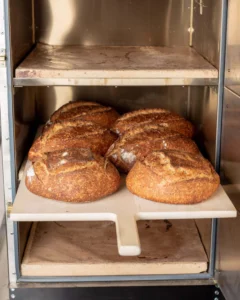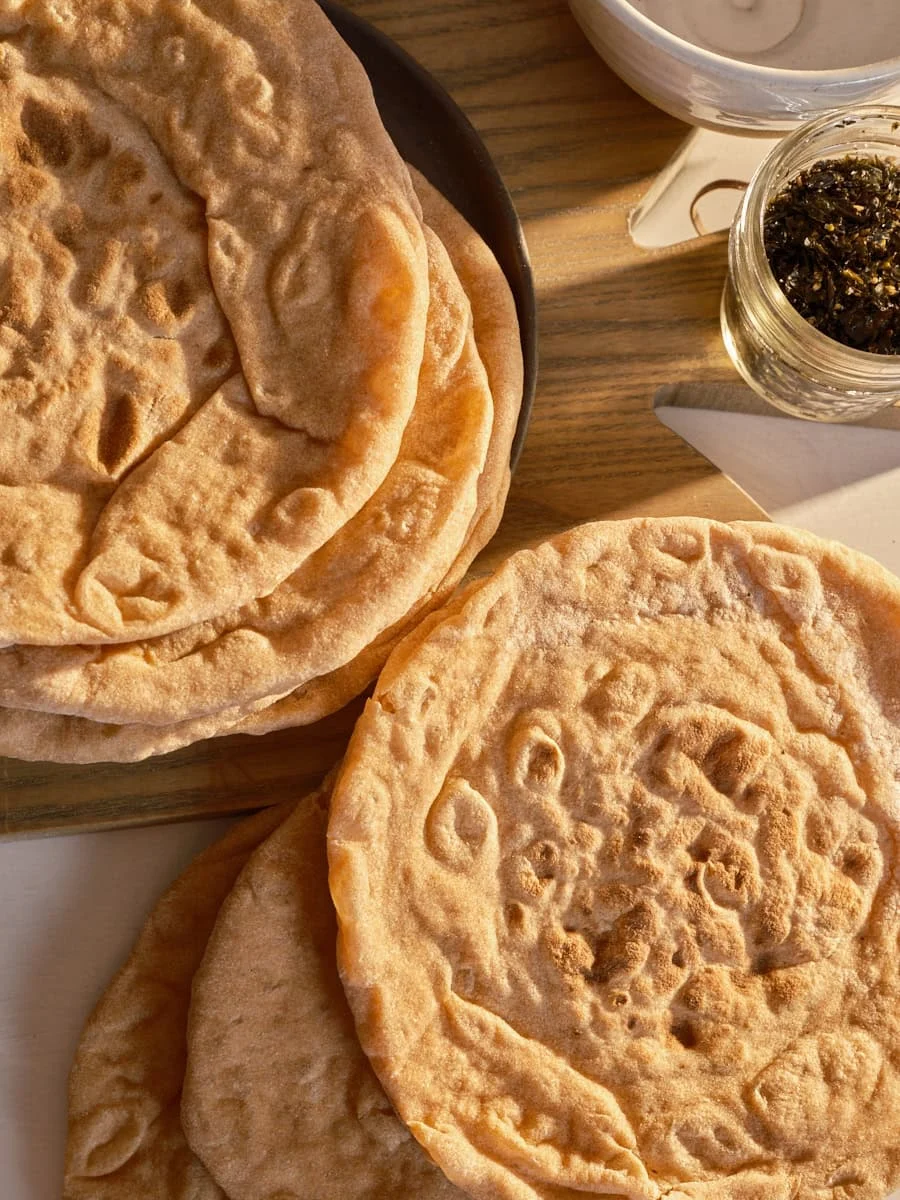

Last year, a baking class held at the Chimacum Valley Grainery in Washington, co-taught by the author and renowned baker Graison Gill, served as the genesis for a unique whole-grain sourdough pita recipe. The experience, which featured a barley sourdough pita formulated by Gill, left a lasting impression, inspiring a desire to recreate its hearty texture and the natural sweetness imparted by freshly milled grains. This article delves into the creation of that recipe, a testament to the Pacific Northwest’s agricultural heritage and the community of bakers who inspire its craft.
The journey into crafting this specific sourdough pita is not a new one for the author. Previous iterations include a lighter, more ethereal version featured in their first cookbook, and an unpublished recipe incorporating sweeteners and ancient grains. However, the goal with this latest endeavor was to achieve a fully whole-grain pita that retained a soft texture, boasted a reliable "puff" during baking, and delivered the profound flavor profile that arises from the synergy of sourdough fermentation and high-quality whole-grain flour. The author posits that this version surpasses previous attempts, not only in its unique texture but also in its overall flavor, offering a sense of well-being often associated with consuming nutrient-dense whole grains.
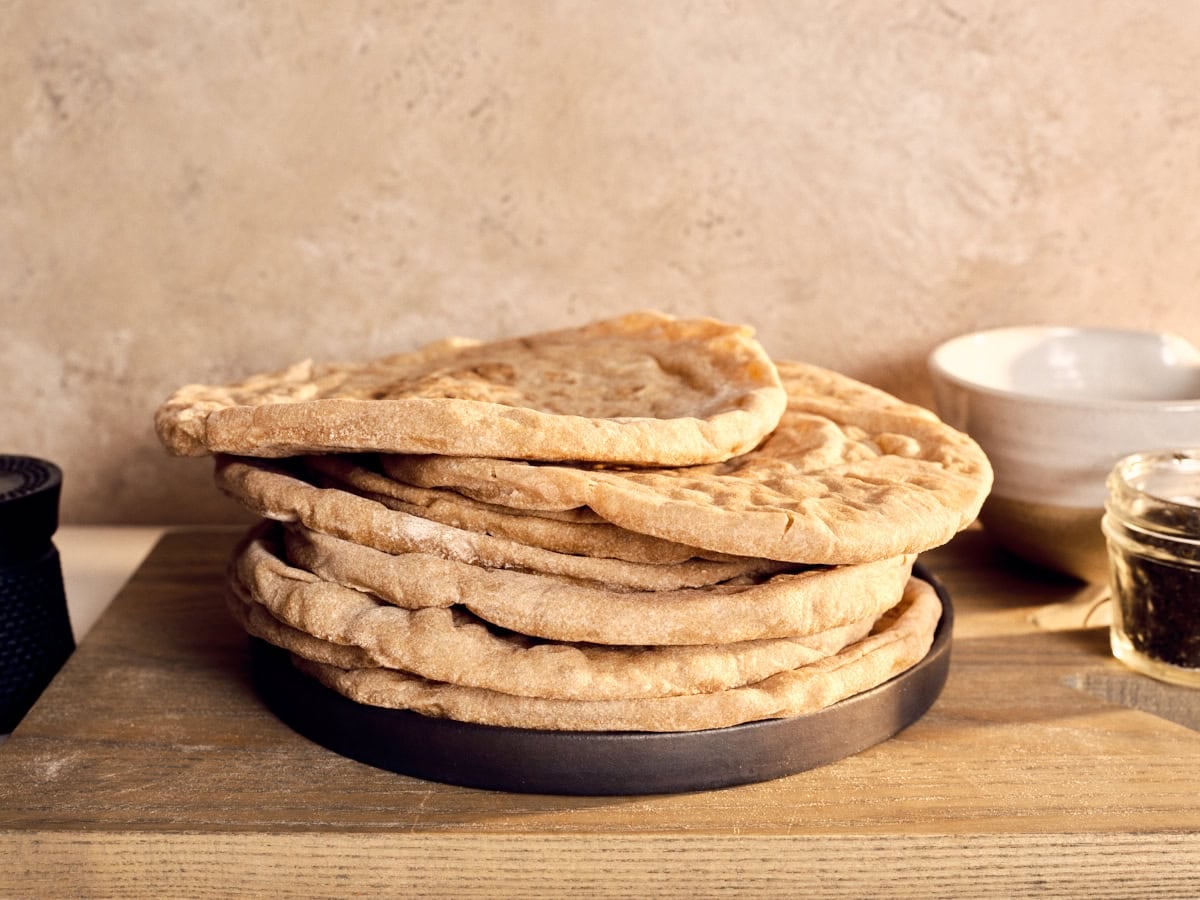
A short video accompanying the article demonstrates the step-by-step process of creating the whole wheat sourdough pita, offering a visual guide for aspiring bakers.
The Art of the Pita Puff: Key Techniques
Achieving the signature puff in pita bread is a culinary challenge that relies on several critical factors. While the provided text doesn’t detail these extensively, the visual cues and the recipe’s emphasis on specific techniques suggest an understanding of heat transfer and dough elasticity. A hot oven, typically at or exceeding 500°F (260°C), is paramount. This intense heat causes the moisture within the dough to rapidly convert to steam. For this steam to effectively inflate the pita into its characteristic pocket, the dough must be rolled to a consistent thickness, generally around 1/8 inch (3mm). A baking surface, such as a pizza stone or steel, that has been thoroughly preheated with the oven is crucial for providing the initial burst of heat from below. The dough’s ability to stretch and expand under this pressure is also vital, influenced by factors like hydration levels and proper gluten development during mixing and fermentation.
Flour Selection: Embracing the Whole Grain
The foundation of this particular whole wheat sourdough pita is 100% whole wheat flour. The recipe specifically highlights the quality of whole-grain bread flour from Chimacum Valley Grainery, a notable mill located in Washington state. This choice underscores a commitment to using locally sourced, high-quality ingredients.
For bakers seeking to introduce subtle variations, the recipe suggests substituting up to 20% of the whole wheat flour with other whole-grain flours. Examples provided include whole triticale and whole spelt, each offering a distinct flavor nuance to the final product. This flexibility allows for experimentation and caters to a broader range of palates and ingredient availability. The use of whole grains is not merely for flavor; it also contributes to the nutritional density of the pita, offering more fiber, vitamins, and minerals compared to refined flours.
Baking Schedule: A Weekday-Friendly Approach
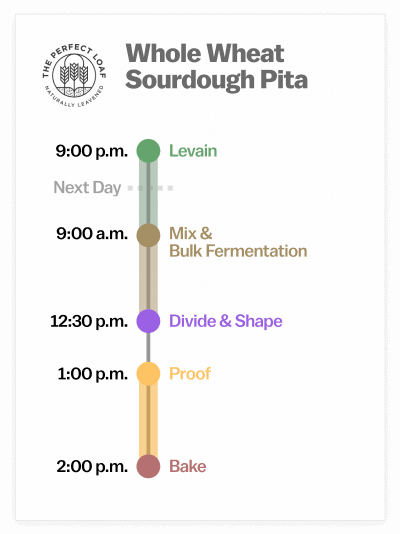
A key design principle behind this sourdough pita recipe is its practicality for busy schedules. The author aims for a bread that is both quick to prepare and highly nourishing, making it accessible even during the workweek. The recipe calls for an overnight levain, but for added convenience, a ripe sourdough starter can be used directly. This adjustment allows for the dough to be mixed in the morning, with fresh pita ready for dinner.
Maintaining a controlled fermentation timeline is not only about convenience but also about managing the sourness of the dough, which is particularly important when working with a high proportion of whole-grain flour. The result is a pita with a mild, yet flavorful, character.
For those who prefer to prepare dough in advance, a bulk fermentation retard in the refrigerator is an option. The dough can be chilled after two hours of bulk fermentation and then continued with the shaping process the following day. This flexibility further enhances the recipe’s appeal for home bakers with varied schedules.
Recipe Vitals and Formula Breakdown
This recipe is designed to yield ten pita, each weighing approximately 120 grams. The total dough weight is 1,320 grams. Key statistics for this recipe include:
- Prefermented Flour: 9.5%
- Levain in Final Dough: 22.0%
- Hydration: 84.0%
The target final dough temperature is between 77-78°F (25-26°C), a crucial factor for optimal sourdough fermentation.
The comprehensive formula for the dough is as follows:
- Whole Wheat Flour (Chimacum Valley Grainery Bread Flour): 699g (100.0%)
- Extra-Virgin Olive Oil: 14g (2.0%)
- Water 1 (for levain and mix): 503g (72.0%)
- Water 2 (for mix): 84g (12.0%)
- Fine Sea Salt: 14g (2.0%)
- Ripe Sourdough Starter (100% hydration): 7g (0.95%)
This detailed breakdown provides bakers with the precise measurements needed for successful execution, emphasizing the importance of accurate weighing for consistent results in sourdough baking.
The Whole Wheat Sourdough Pita Method
The creation of these sourdough pitas follows a structured, yet adaptable, process:
1. Prepare the Levain (9:00 p.m.)
The levain, the starter culture that will leaven the dough, is prepared the night before. The formula for the levain is:
- Whole Wheat Flour: 66g (100.0%)
- Water 1: 66g (100.0%)
- Ripe Sourdough Starter (100% hydration): 7g (100.0%)
These ingredients are mixed in a clean container and left to ripen overnight at a temperature of 74-76°F (23-24°C). As an alternative, ripe sourdough starter can be used directly in the main dough, though this would introduce a small percentage of white flour if the starter is not 100% whole grain, deviating slightly from the pure whole-grain goal.
2. Mix the Dough (9:00 a.m.)
The main dough is mixed using the following ingredients:
- Whole Wheat Flour: 632g
- Water 1: 437g
- Water 2: 84g
- Fine Sea Salt: 14g
- Ripe Levain (from Step 1): 139g
- Extra-Virgin Olive Oil: 14g
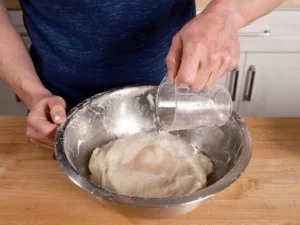
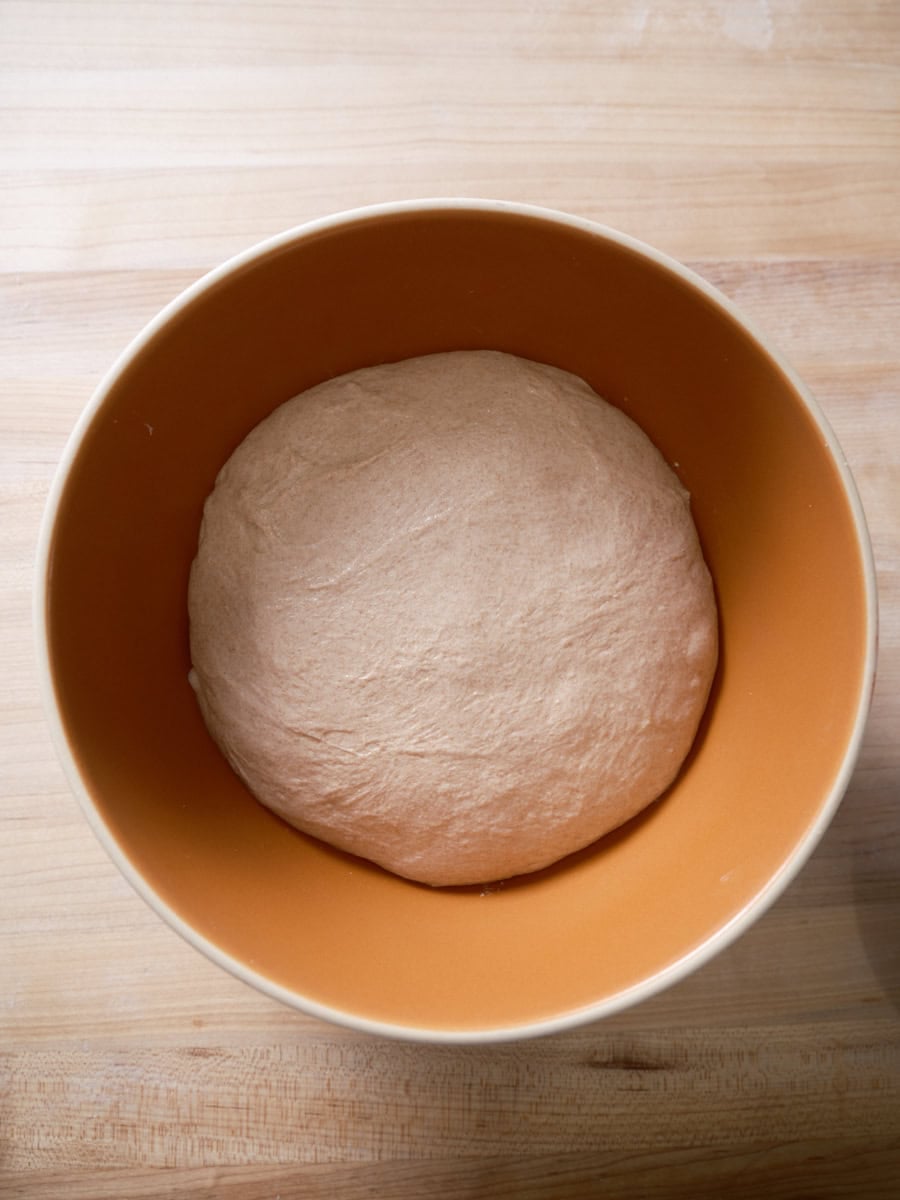
While an autolyse step is often beneficial for whole-grain flours, this recipe opts for a shorter mixing process with a brief rest period. For those using a mechanical mixer, the dough is incorporated in phases. Hand-mixing involves a thorough initial mix, followed by kneading using either the slap-and-fold technique or the folds-in-the-bowl method. A brief rest period is observed before incorporating additional water and continuing to knead until the dough is smooth and cohesive.
3. Bulk Fermentation (9:30 a.m. to 12:30 p.m. – 3 hours)
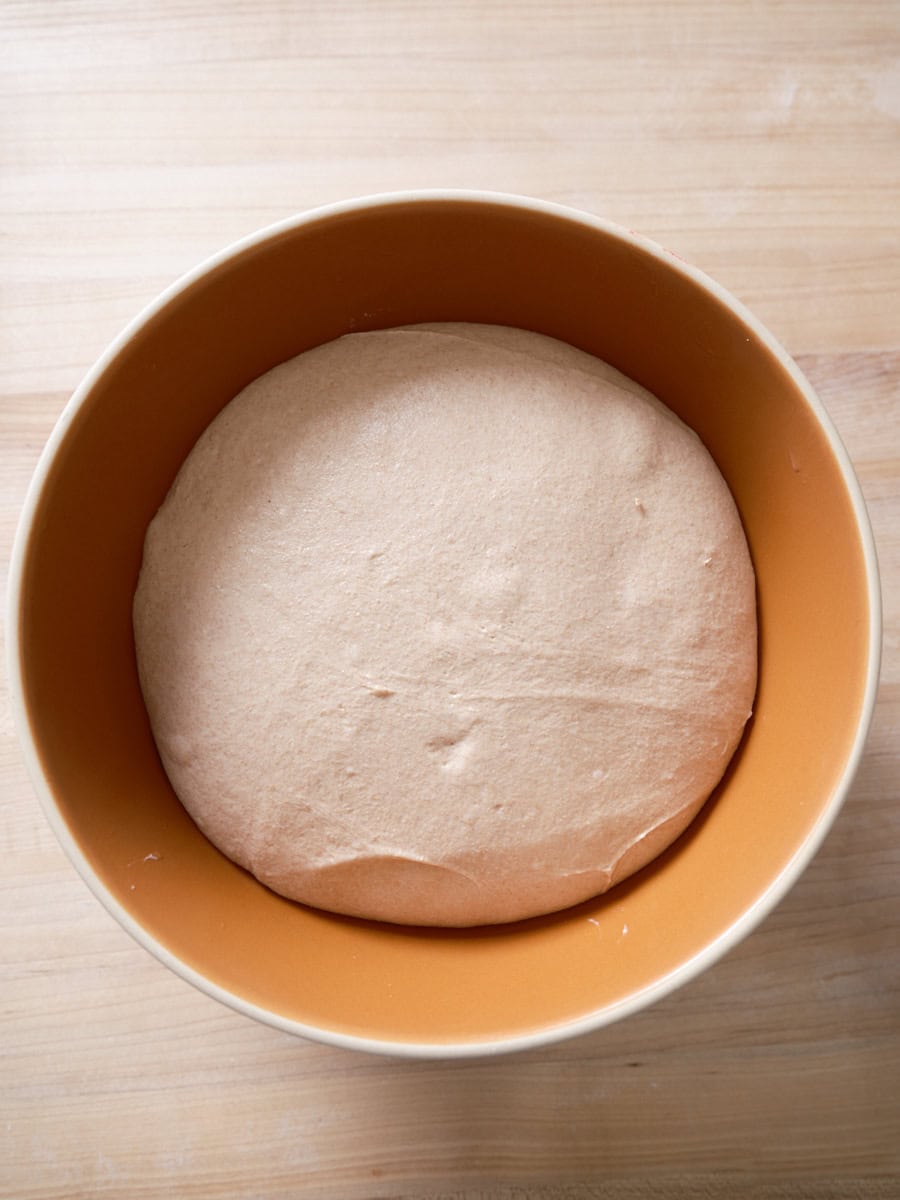
Bulk fermentation, the primary rising period for the dough, typically lasts around three hours at a warm room temperature of 74-76°F (23-24°C). This stage involves two sets of stretch-and-folds performed at 30-minute intervals. These folds help to develop gluten structure and distribute yeast and bacteria evenly throughout the dough. After the second set of folds, the dough is allowed to rest undisturbed for the remainder of the bulk fermentation. By the end of this process, the dough should appear puffy and have increased in volume by approximately 25%.
4. Divide and Shape (12:30 p.m.)
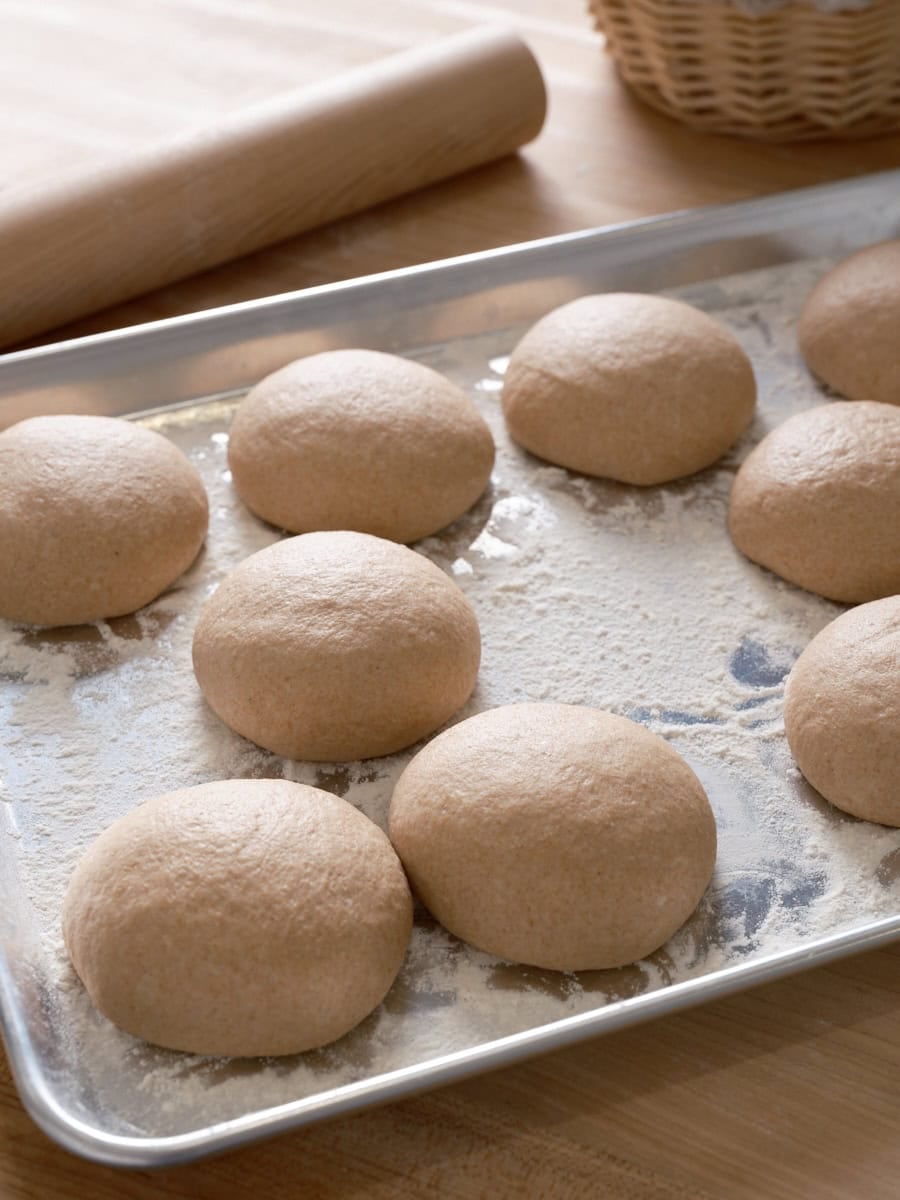
Once bulk fermentation is complete, the dough is gently turned out onto a lightly floured surface. It is then divided into ten equal portions, each weighing around 120 grams. Each piece is shaped into a tight ball, focusing on creating surface tension. This shaping is crucial for a well-formed pita that will puff evenly. The shaped dough balls are then placed on a floured baking sheet, spaced a few inches apart.
5. Proof (1:00 p.m. to 2:00 p.m. – 1 hour)
The shaped dough balls are covered and allowed to proof for approximately one hour. During this time, the oven is preheated to its maximum temperature, typically 550°F (290°C), with a baking steel or stone placed on the middle rack. A hot oven is essential for achieving the rapid steam generation needed for the pita to puff.
6. Bake (2:00 p.m.)
The dough is ready for baking when it has increased in volume by about 30% and feels soft to the touch, passing a gentle poke test. It is important not to overproof whole wheat dough, as it can begin to break down.
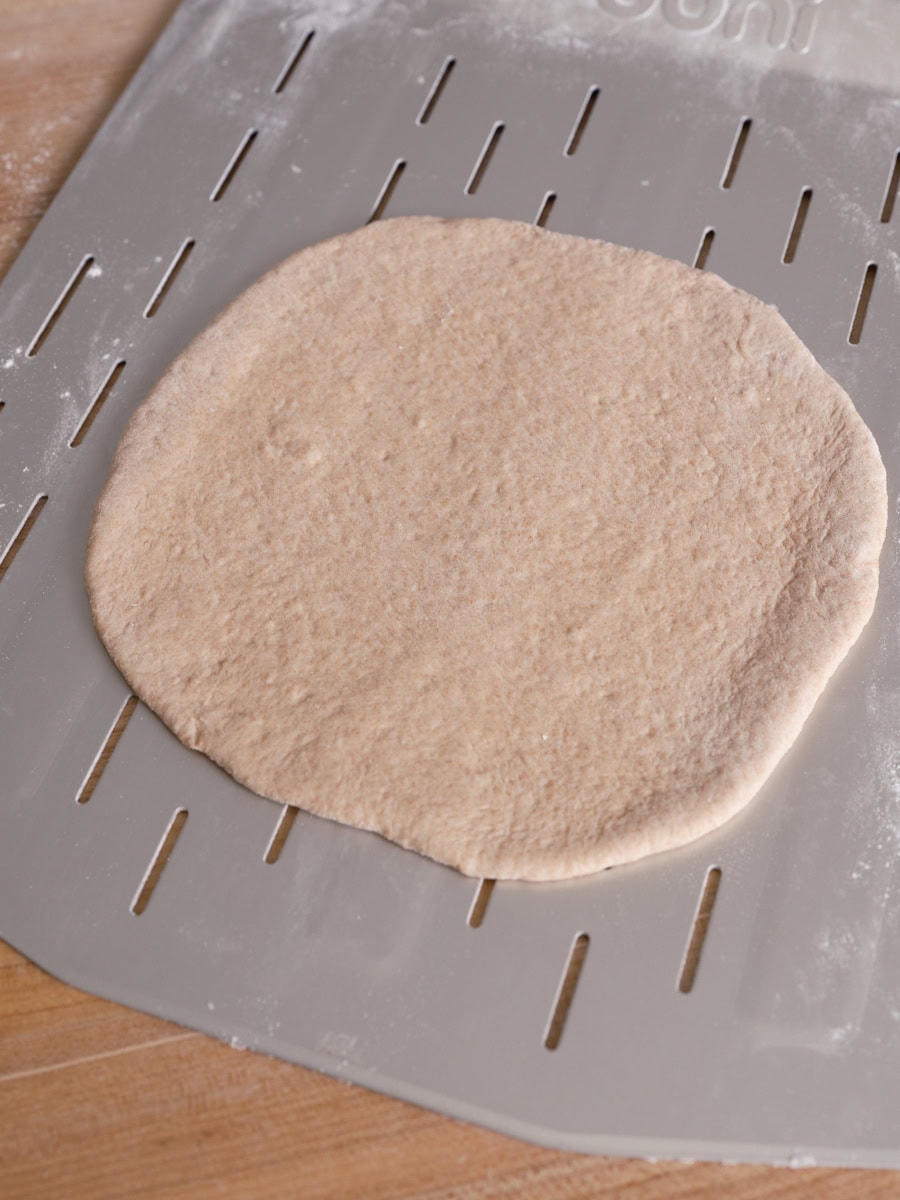
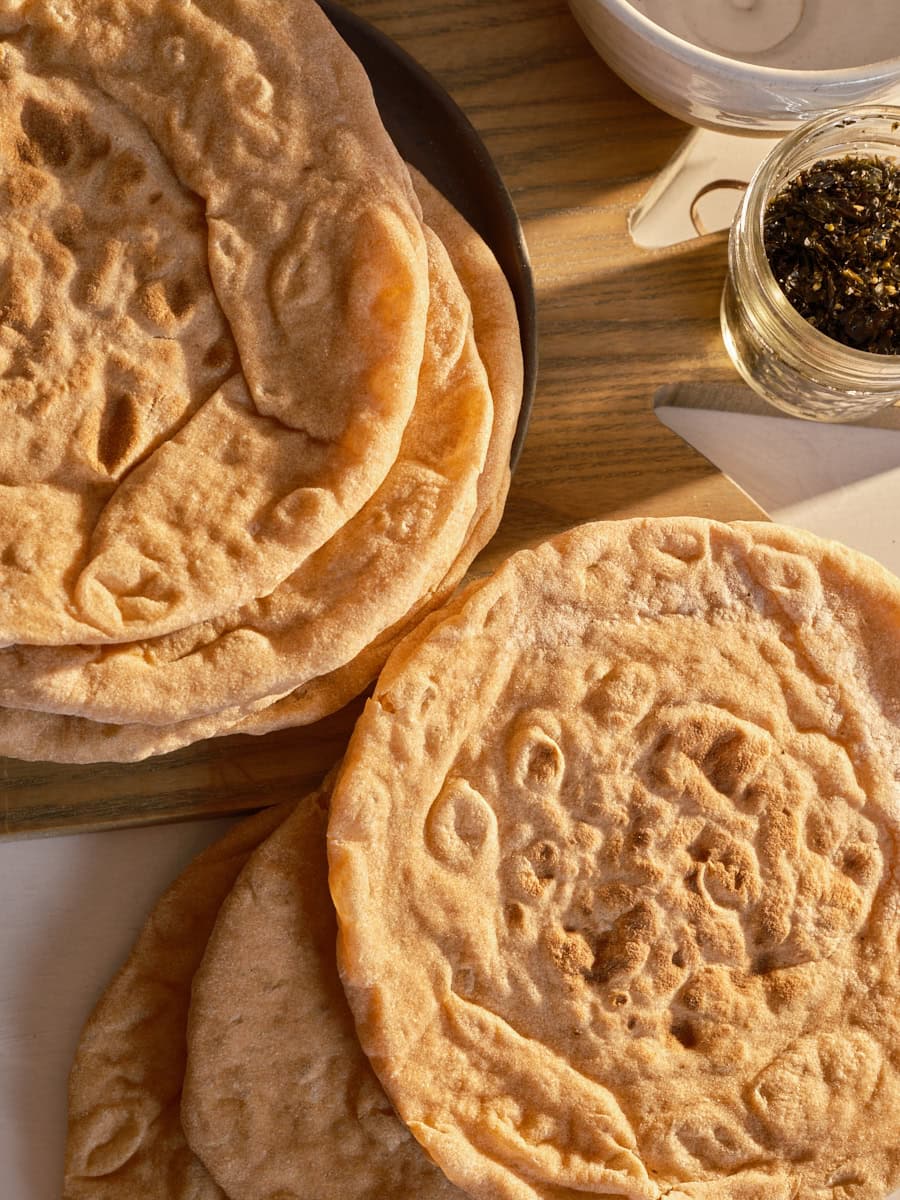
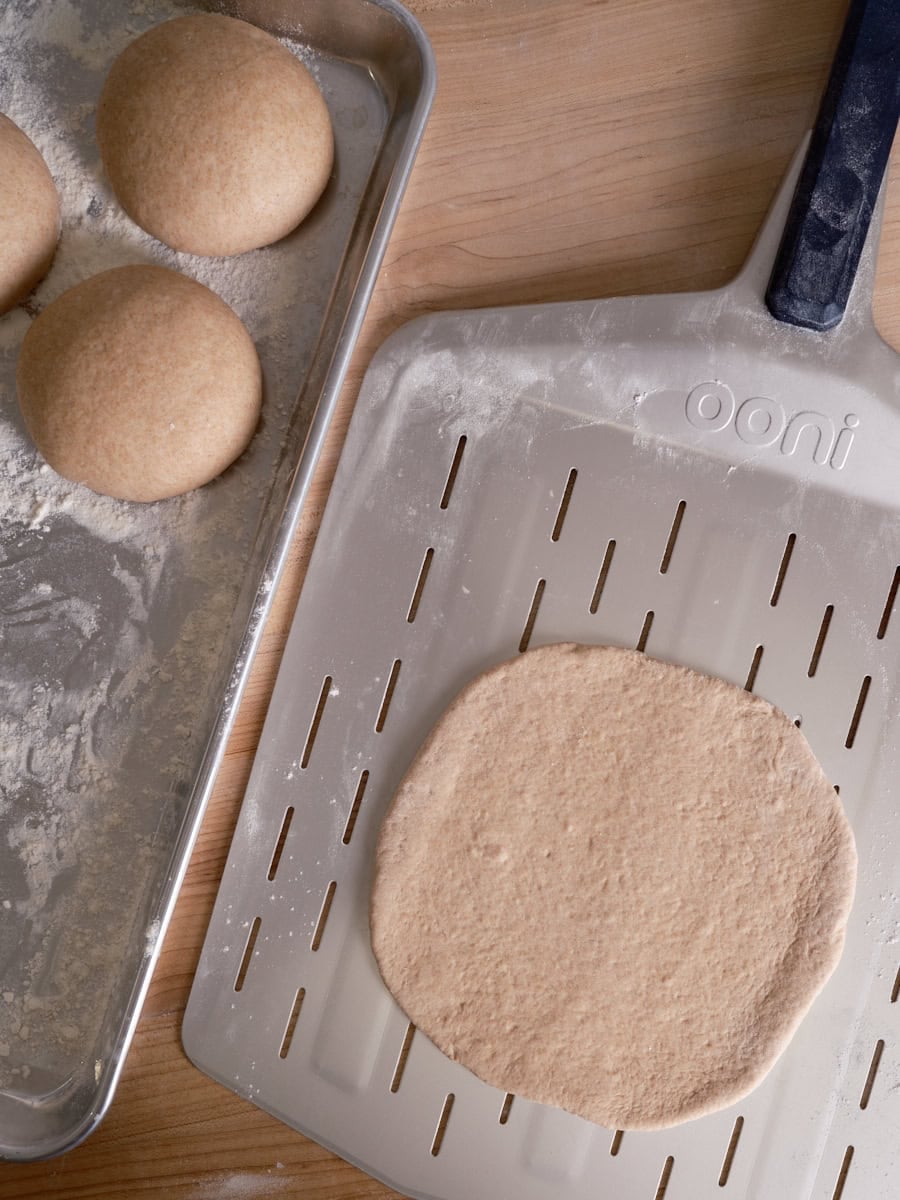
Each dough ball is carefully rolled out to a diameter of 7 inches and a thickness of approximately 1/8 inch. Rolling too firmly can compress the dough, hindering its ability to puff. The rolled-out dough is then transferred to the preheated baking steel or stone. The pita bakes for 1-2 minutes, until it puffs, then is flipped and baked for another minute on the second side. The cooked pita is immediately removed and placed in a towel-lined container, covered to keep them soft. This process is repeated for all dough portions.
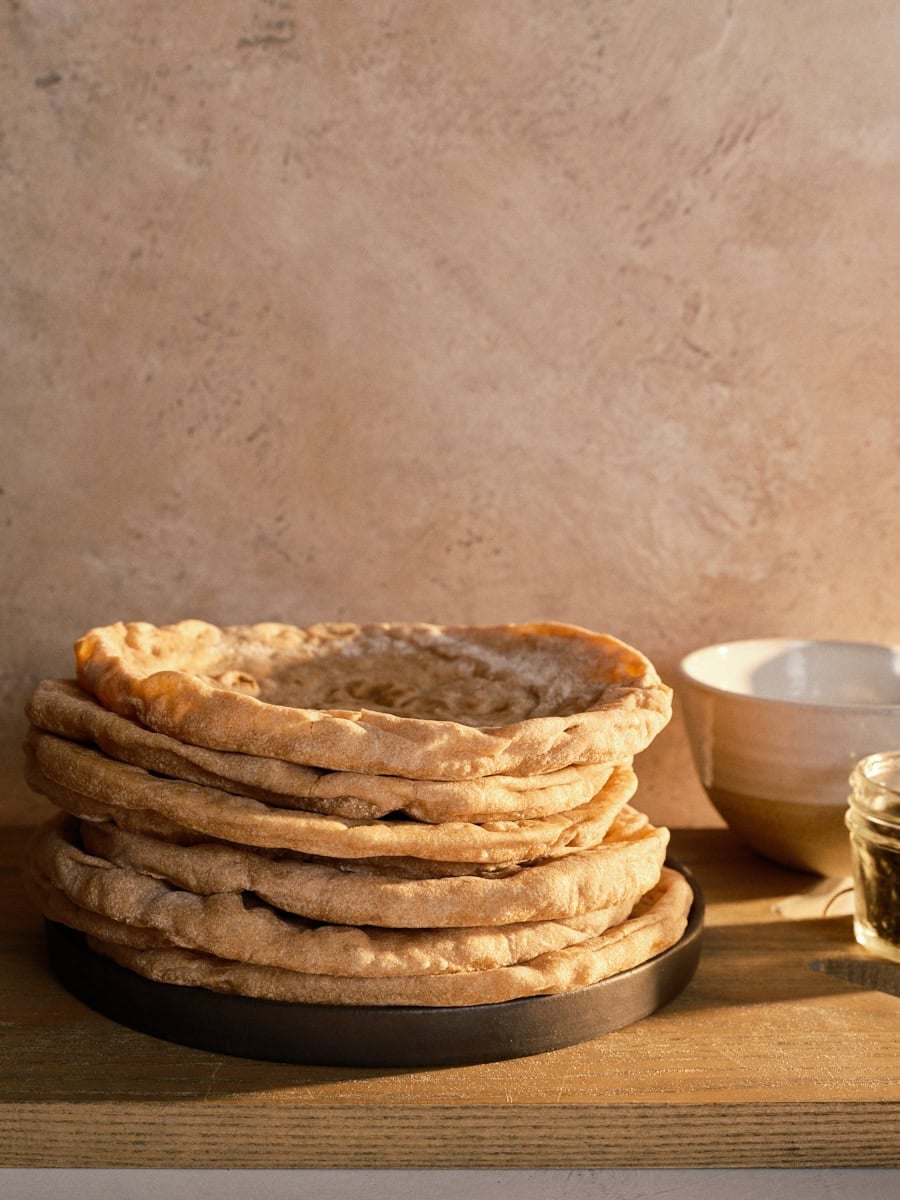
These whole wheat sourdough pitas can be stored in a sealed bag at room temperature for up to a week. They can be gently reheated in a low oven or toaster oven before serving.
Addressing Common Pita Baking Challenges
Several issues can arise when attempting to bake pita bread, particularly with whole grain recipes.
- Failure to Puff: This can stem from several factors. If the dough is not rolled to the correct thickness (around 1/8 inch), or if it is rolled too thin, it may not puff. Insufficient oven temperature or a lack of preheating for the baking surface can also be culprits. Additionally, if the dough dries out and forms a skin, it can prevent proper inflation.
- Partial Puffing: Uneven rolling thickness is often the reason why only a portion of the pita puffs. The dough needs to be uniformly thin to allow steam to expand it evenly.
- Large Bubbles Instead of Full Puff: This can be a sign of overproofing. When dough is close to overproofing, it may develop large, irregular bubbles rather than the desired uniform puff. Adjusting the proofing time can resolve this.
Further Culinary Exploration
For those who have mastered the sourdough pita and are seeking other flatbread variations, the author also recommends exploring sourdough tortillas, offering a versatile option for wraps and burritos.
The development of this whole wheat sourdough pita recipe is a reflection of a baker’s dedication to flavor, texture, and the art of fermentation. It draws inspiration from specific ingredients and experiences, culminating in a practical and delicious bread that celebrates the qualities of whole grains and the nuanced magic of sourdough.