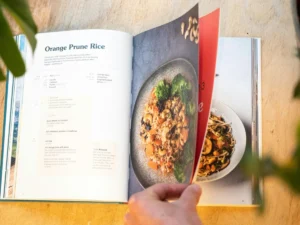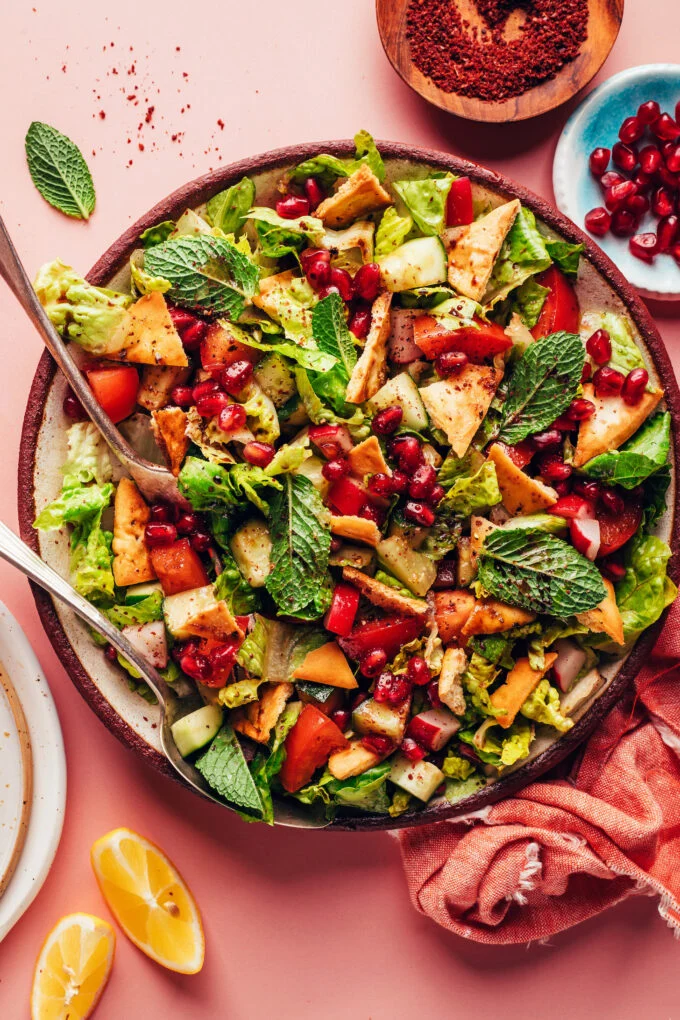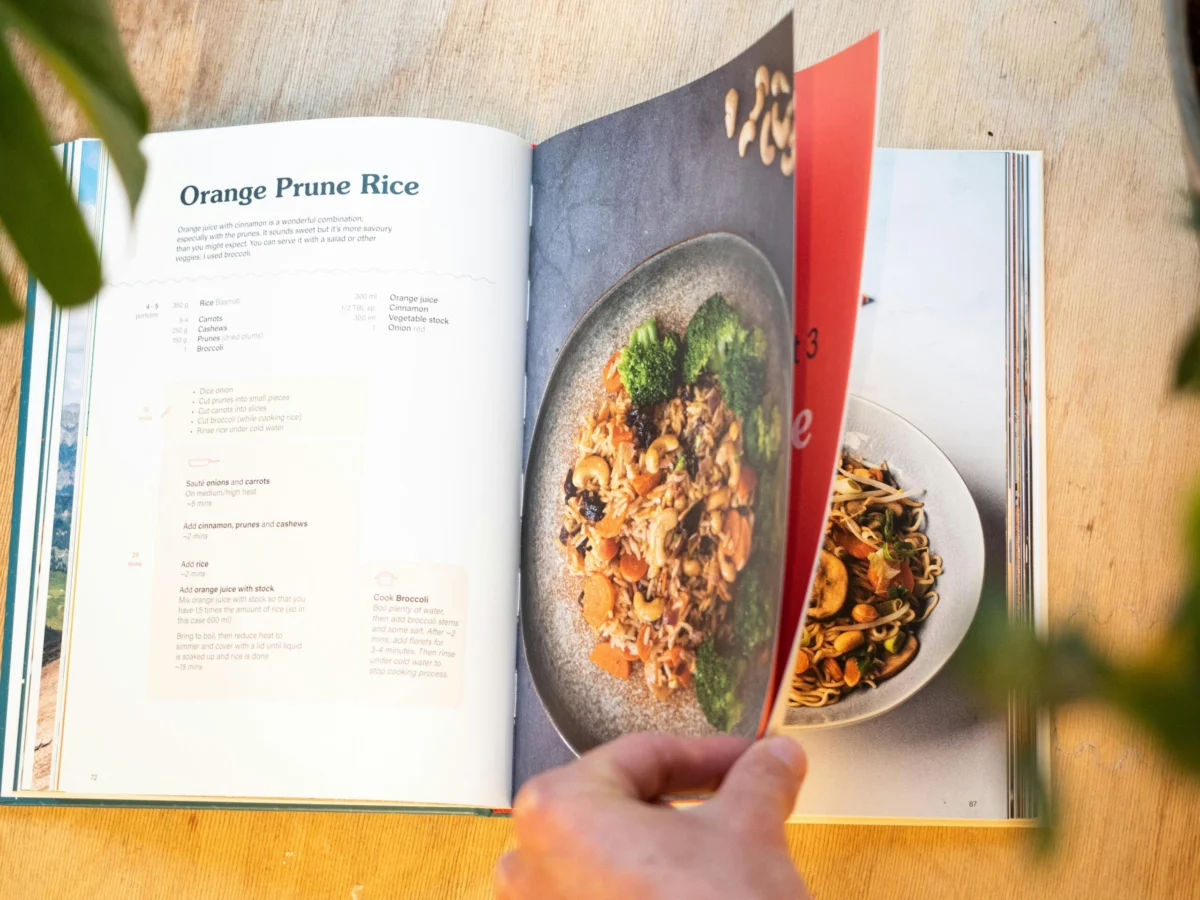

For nearly two decades, the digital culinary world has been a fertile ground for independent creators to cultivate their passion, build vibrant communities, and establish lucrative online businesses. The mid-2000s marked a significant boom in this space, as a surge of independent food bloggers leveraged accessible platforms like WordPress. These creators meticulously crafted content, attracting audiences through search engine optimization (SEO) and diversifying revenue streams through advertising, merchandise sales, and the publication of their own cookbooks. This model, fueled by consistent organic traffic and direct audience engagement, allowed many to transform their love for cooking into sustainable careers. The ability to share unique recipes, personal culinary journeys, and detailed cooking instructions resonated deeply with a growing online demographic eager for accessible and authentic home-cooking inspiration.
However, the landscape of online content creation is perpetually evolving, and the advent of Artificial Intelligence (AI) has introduced a seismic shift, profoundly disrupting the established recipe blog model. Google’s strategic pivot from traditional SEO referrals to AI-powered search summaries, often referred to as "featured snippets" or "AI Overviews," has significantly altered how users discover information. Concurrently, consumers are increasingly turning to sophisticated AI chatbots such as ChatGPT, Gemini, and Claude as their primary resource for meal planning and recipe discovery. This dual technological evolution has bifurcated the community of recipe creators, creating a stark divide between those who view AI as an existential threat and those who are proactively adapting and embracing it as a natural progression of the digital creator economy.
The disruptive force of AI stems from its ability to synthesize information and present it in a condensed, easily digestible format, often bypassing the original source entirely. For recipe bloggers who have historically relied on search engine traffic for visibility and monetization, this presents a significant challenge. When a user queries "how to make chocolate chip cookies," an AI chatbot can now provide a comprehensive recipe, ingredient list, and even cooking tips directly within the chat interface, diminishing the likelihood that the user will click through to a dedicated recipe blog. This reduction in website traffic directly impacts advertising revenue, affiliate marketing, and the potential for direct sales of digital or physical products.
The Creator’s Dilemma: Resistance or Adaptation?
This disruptive shift has fostered a growing chasm within the recipe creator community. Some creators perceive AI as a direct competitor, a technological adversary that threatens to devalue their expertise and siphon off their audience. They worry that the nuanced voice, personal anecdotes, and unique stylistic elements that define their individual brands will be rendered obsolete by the sterile, data-driven output of AI. This perspective often leads to a stance of resistance, a desire to protect the traditional methods of content creation and audience engagement.
Conversely, a segment of creators is actively exploring how AI can be integrated into their workflows, viewing it not as a replacement, but as a powerful augmentation tool. This adaptive approach suggests that AI can handle the more laborious and repetitive aspects of content management and audience interaction, thereby freeing up creators to focus on what they do best: their culinary creativity and unique voice.
Will Templeton, co-founder and Chief Technology Officer of Allspice, a company at the forefront of AI solutions for culinary content, articulates this adaptive philosophy. "As a creator, you should do what people come to you for, which is your creativity, your voice, your specific recipes," Templeton states. "Stick to that, and then let these AI components help with everything else around that." This perspective advocates for a strategic division of labor, where AI assumes the mantle of operational efficiency, allowing human creators to excel in areas that require genuine originality and personal connection.
AI as an Operational Ally: Streamlining the Creator’s Workflow
The practical application of AI in the recipe creation ecosystem, as envisioned by Templeton and his team at Allspice, extends to automating mundane yet crucial tasks. One of the most persistent challenges for recipe bloggers is managing repetitive user inquiries. Questions about ingredient substitutions, dietary modifications, or cooking technique clarifications often flood comment sections and inboxes. AI, when trained on a creator’s own content, can act as an intelligent front-line response engine, efficiently addressing these common queries.
"That’s the next step, where it answers all the questions that people are sending through," Templeton explains. "When someone asks a question that’s already in the blog post, it gets the right answer." This capability not only saves creators significant time and effort but also enhances the user experience by providing immediate and accurate information. For instance, if a user asks about substituting almond flour for regular flour in a specific recipe, an AI assistant, drawing from the creator’s established knowledge base, could instantly provide a suitable conversion ratio and any necessary adjustments to the recipe.
The Challenge of Data Standardization in Recipes
A significant hurdle in leveraging AI effectively within the culinary space, Templeton observes, is the inherent inconsistency in how recipes are structured and presented. "Everyone has a different way of writing recipes," he notes. "Some people write them right by the handbook, while others are just jotting down what they have." This variability, while reflecting individual creativity, presents a complex challenge for AI systems that thrive on structured and standardized data.

The lack of a universal format means that AI models can struggle to accurately parse ingredients, quantities, cooking times, and procedural steps across different sources. This can lead to misinterpretations, inaccurate recipe generation, or a failure to extract crucial information for advanced functionalities. The "messy" nature of user-generated recipe data often requires significant pre-processing and normalization before it can be effectively utilized by AI algorithms.
Allspice’s Vision: Structuring Recipes for a Dynamic Future
Allspice is actively working to bridge this data standardization gap. The company is focused on building a structured layer beneath existing recipes, effectively mapping inconsistent and unstructured inputs into a cohesive, machine-readable format. This process involves analyzing and tagging various components of a recipe – ingredients, their quantities, units of measurement, preparation methods, cooking times, and temperatures – into a standardized database.
This structured data then becomes the foundation for a new generation of interactive culinary experiences. Features such as guided cooking, where step-by-step instructions are presented in a user-friendly, dynamic interface, become feasible. This also enables more intelligent pantry tracking, allowing users to input their available ingredients and receive recipe suggestions, and sophisticated shopping list generation.
By partnering with companies like Pinecone, a leading vector database provider, Allspice aims to create a more dynamic and interactive future for recipes. This collaboration focuses on enabling AI to understand the semantic relationships within recipe data, allowing for more nuanced applications like personalized recipe recommendations based on dietary preferences, available ingredients, and even mood. The ultimate goal is to transform static recipe text into rich, interactive culinary guides that adapt to the user’s specific needs and context.
The Evolution of Guided Cooking: From High-Cost to AI-Powered
The advent of AI-powered recipe structuring highlights a dramatic shift in the development of sophisticated culinary applications. Just a few years ago, the concept of guided cooking was largely the domain of well-funded startups like Innit and Hestan. These companies invested heavily in developing high-production-value applications that offered interactive cooking instructions, often integrated with smart kitchen appliances. The development costs were substantial, and the target audience was primarily early adopters of smart home technology.
Today, an AI tool like Allspice’s has the potential to transform an ordinary online recipe into an instant guided cooking experience with significantly lower overhead. By leveraging AI to interpret and structure existing recipe content, the barrier to entry for creating interactive culinary experiences is drastically lowered. This democratization of guided cooking technology could empower a much wider range of creators and consumers to engage with recipes in a more immersive and effective manner. Imagine a home cook following a recipe from their favorite blog, with the AI providing real-time audio prompts, timers, and visual cues directly on their device, all derived from the original blog post.
The Broader Implications for the Creator Economy
The trajectory of the recipe blog model, heavily influenced by AI, has far-reaching implications for the broader creator economy. While the shift away from traditional SEO presents challenges, it also opens up new avenues for innovation and monetization. Companies like Bakespace with its Bakebot, Allspice, and SideChef are at the vanguard of this transition, developing tools that aim to redefine how culinary content is created, consumed, and interacted with.
The success of these AI-powered platforms will likely depend on their ability to seamlessly integrate with existing creator workflows and provide tangible value that outweighs the perceived threat of AI. Creators who are willing to experiment and adapt may find that AI can amplify their reach and engagement in ways previously unimaginable. This could involve AI-assisted content generation, personalized audience interaction, and the creation of entirely new forms of interactive culinary experiences.
It remains to be seen how the broader recipe creator community will ultimately embrace these emerging AI tools. However, the undeniable trend is toward an AI-powered future. The search engine-driven discovery model that defined the past two decades is rapidly being supplanted by AI-driven interfaces. This necessitates a fundamental re-evaluation of content strategy, audience engagement, and revenue generation for anyone operating in the online culinary space. The future of recipe creation will likely be a hybrid model, where human creativity is amplified and supported by intelligent AI systems, fostering a more dynamic, interactive, and accessible culinary landscape for all.
The evolution of online recipe creation, driven by the pervasive influence of AI, is a compelling case study for the broader digital creator economy. As search engines and user behavior continue to adapt to AI capabilities, content creators across various niches will face similar challenges and opportunities. The ability to harness AI as a tool for efficiency, personalization, and enhanced user experience will likely become a key differentiator for those who can successfully navigate this transformative period. The culinary world, with its rich data and passionate community, serves as a powerful early indicator of the profound changes AI is ushering in across the digital landscape.