
This stark finding, emerging from a study of nearly 2,000 individuals living with Irritable Bowel Syndrome (IBS), underscores the profound and debilitating impact of this chronic gastrointestinal disorder. The research highlights not just the physical suffering but also the severe psychological and social toll IBS exacts on millions worldwide. Further studies have revealed that some patients would even consider a medicine carrying a one percent risk of sudden death if it promised a complete resolution of their symptoms, which commonly include urgent and unpredictable bouts of diarrhea, persistent constipation, excessive gas, and intense abdominal pain.
The Debilitating Reality of Living with IBS
For many, IBS is far more than just an occasional upset stomach. It is a relentless condition characterized by flare-ups that can manifest as abdominal pain described by some as worse than childbirth. These episodes are not merely uncomfortable; they are profoundly disruptive, capable of siphoning concentration, interrupting sleep, and severely diminishing work productivity. The unpredictability of symptoms forces many individuals to meticulously plan their lives around the availability of private, clean bathrooms, fostering a pervasive fear that dictates daily activities. This fear often leads to social withdrawal, with sufferers avoiding restaurants, social gatherings, and even public exercise, all to mitigate the risk of a sudden, embarrassing, and painful flare-up.
This constant apprehension has been aptly named gastrointestinal-specific anxiety. It is a pervasive worry that infiltrates every aspect of life, from social relationships to overall well-being. Its significant impact is reflected in studies showing that people with IBS report a worse quality of life than those with other chronic conditions, including heart disease, diabetes, and even end-stage kidney disease. This comparative metric powerfully illustrates the depth of suffering and the feeling of helplessness experienced by those living with IBS.
Understanding IBS: A Shifting Medical Perspective
IBS, sometimes informally referred to as "spastic colon," stands as the most commonly diagnosed digestive disorder globally, affecting approximately 14 percent of adults. Historically, the absence of visible physical damage to the gut upon diagnostic imaging led many healthcare professionals to mistakenly attribute IBS symptoms solely to psychological factors. This early misunderstanding created a significant barrier to effective diagnosis and empathetic care, often leaving patients feeling dismissed or that their suffering was not real.
However, medical understanding has significantly evolved. Experts now firmly categorize IBS as a functional neuro-gastrointestinal disorder. This contemporary view acknowledges that while there may be no structural abnormalities, there is a clear dysfunction in the communication pathways between the gastrointestinal tract and the brain. This miscommunication leads the brain to misinterpret or amplify pain signals from the gut and interferes with normal bowel function, resulting in the characteristic constellation of symptoms. Unlike inflammatory bowel diseases (IBD) such as Crohn’s disease or ulcerative colitis, IBS does not involve inflammation, infections, or permanent damage to the gut architecture.
Diverse Symptoms and Elusive Causes

IBS symptoms are highly variable and can wax and wane, with some individuals experiencing long periods of remission only to be struck by severe flare-ups lasting hours to weeks. This variability, coupled with the fact that not everyone with IBS experiences the same set of symptoms, makes the condition particularly challenging to diagnose. Common symptoms include abdominal pain and cramping, stool irregularities (ranging from chronic constipation to frequent diarrhea, or alternating between the two), excessive gas and bloating, mucus in stools, and a sensation of incomplete bowel movements.
Researchers continue to investigate the precise mechanisms underlying IBS, but several leading theories have emerged:
- Hypersensitive Nerves: One prominent hypothesis suggests that nerve endings in the GI tract of IBS patients are overly sensitive. This can lead to the perception of normal digestive processes (like tiny gas bubbles) as intensely painful, a sensation typically unnoticed by individuals without the disorder. This hypersensitivity can also trigger GI muscles to contract with abnormal force, leading to gas, bloating, and diarrhea, or conversely, to under-react, slowing food passage and causing constipation.
- Gut Microbiome Disturbances: Another compelling theory points to imbalances in the gut microbiome – the vast community of bacteria and other microorganisms residing in the digestive tract. This theory helps explain why some individuals develop IBS symptoms following a severe gastrointestinal infection, such as Norovirus, suggesting that a disruption to the microbial ecosystem can trigger or exacerbate the condition.
The Diagnostic Journey: Seeking Professional Guidance
Given the overlap of IBS symptoms with several other serious gastrointestinal diseases and health conditions – including infections, inflammatory bowel diseases, celiac disease, certain cancers, and food allergies – it is crucial for individuals experiencing persistent digestive issues to consult a credentialed health professional for an accurate diagnosis. Medical evaluation is especially important if symptoms include unexplained weight loss, rectal bleeding, iron deficiency anemia, or nocturnal diarrhea.
A healthcare professional will meticulously rule out other conditions and then categorize the patient’s IBS based on their predominant symptoms, which informs the most appropriate treatment strategy:
- IBS with Diarrhea (IBS-D): Characterized primarily by frequent loose stools and abdominal pain.
- IBS with Constipation (IBS-C): Predominantly features infrequent, hard stools and difficulty with bowel movements.
- IBS with Mixed Bowel Habits (IBS-M): Involves alternating episodes of both diarrhea and constipation.
For IBS-D, a healthcare provider might recommend anti-diarrheal medications or a short course of antibiotics. For IBS-C, treatment often includes fiber supplements, non-habit-forming laxatives, or medications designed to regulate bowel movements and reduce pain perception.
Preparing for a Medical Appointment: A Proactive Approach
To maximize the effectiveness of a medical consultation, proactive preparation is highly recommended. Patients should be ready to discuss their symptoms in detail, including their onset, frequency, severity, and any perceived triggers. Key questions to consider beforehand include:
- When did your symptoms begin?
- How often do they occur?
- What makes them better or worse?
- What medications, supplements, or dietary changes have you tried?
- What is your typical diet?
- What is your stress level like?
A particularly useful tool for both patient and physician is a "poo diary" kept for a couple of weeks prior to the appointment. This diary should track the frequency of bowel movements, associated symptoms, and, crucially, the quality of stool using the Bristol Stool Chart. This visual guide helps categorize stool consistency, providing valuable objective data that aids in diagnosis and identifying the specific IBS type. Stool types 1, 2 (hard, lumpy) and 6, 7 (mushy, watery) are often indicative of IBS.

Managing IBS: A Multifaceted Approach to Relief
Recent advancements have expanded the arsenal against IBS, with the U.S. Food and Drug Administration approving several new prescription medicines and even a medical device that stimulates cranial nerves. Beyond pharmaceutical interventions, extensive research has illuminated the profound interaction between IBS and various lifestyle habits, yielding numerous promising findings. A holistic approach combining medical guidance with evidence-based lifestyle modifications often proves most effective. Here are five key strategies:
-
Embrace Regular Exercise: Physical activity is a powerful modulator of gut health. Individuals with IBS who engage in regular exercise consistently report fewer symptoms and flare-ups. Studies have shown that even moderate walking for an hour three times a week can significantly alleviate bloating and abdominal pain within 12 weeks. While the exact mechanisms are still being explored, exercise is believed to reduce stress, improve mental health (thereby enhancing gut-brain communication), and promote the growth of beneficial gut bacteria, leading to more efficient food breakdown and reduced inflammation.
-
Prioritize Stress Management: The intricate connection between the gut and the brain means that stress, anxiety, and depression can profoundly impact IBS symptoms. Stress hormones like norepinephrine and cortisol can increase gut permeability, alter gut motility, and intensify pain signals. Since stress is an unavoidable part of life, the focus shifts to management rather than elimination. Techniques such as self-compassion, yoga, mindful breathing exercises, and gentle walking can regulate the nervous system, empowering individuals to better perceive, respond to, and anticipate stressors, leading to greater calm and control over their symptoms.
-
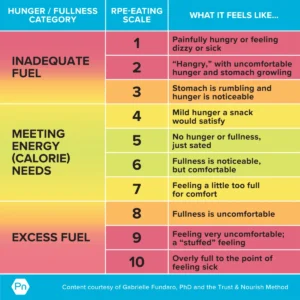
Cultivate Mindful Eating Habits: The pace and environment of eating significantly influence digestion. Slow, relaxed eating is not only beneficial for satiety but also for reducing gastrointestinal distress like acid reflux, bloating, and pain. Slower eating encourages more thorough chewing, which aids in mechanical digestion and allows digestive enzymes in the mouth to begin breaking down food, easing the burden on the stomach and intestines. Moreover, a relaxed eating environment minimizes stress hormone release, preventing their intensification of GI pain signals. This strategy is particularly crucial for individuals in demanding lifestyles, like young parents, who often find themselves rushing meals.
-
Troubleshoot Sleep Problems: Sleep is a cornerstone of health, and its disruption can exacerbate IBS. Research indicates that people with IBS often experience more shallow, less restorative, and interrupted sleep. This poor sleep quality can lead to increased overall sleep hours but paradoxically leaves individuals feeling less rested. Fatigue, in turn, can elevate stress hormone levels, intensifying gut pain and creating a vicious cycle. Moreover, sleep deprivation can heighten cravings for unhealthy fats and sweets, which are known IBS triggers. Breaking this cycle involves addressing sleep hygiene through earlier, lighter dinners, and establishing relaxing pre-bedtime routines such as foam rolling, meditation, or journaling.
-
Investigate Dietary Triggers: While no single "IBS diet" exists, certain food categories are more likely to be problematic. These include:
- FODMAPs (Fermentable Oligosaccharides, Disaccharides, Monosaccharides, and Polyols): These are poorly absorbed carbohydrates that ferment in the gut, producing gas and attracting water, leading to intense pain in sensitive individuals. High-FODMAP foods include wheat, rye, barley, onions, garlic, beans, dairy, honey, cashews, and certain fruits and vegetables.
- Caffeinated Beverages: Especially coffee, which can stimulate stress hormone release, increase stomach acid production, enhance colon contractions, and irritate the intestinal lining.
- Alcohol and Spicy Foods: Known gut irritants.
- High Fructose Corn Syrup and Sugar Alcohols: Such as sorbitol and mannitol, linked to gas, bloating, and diarrhea.
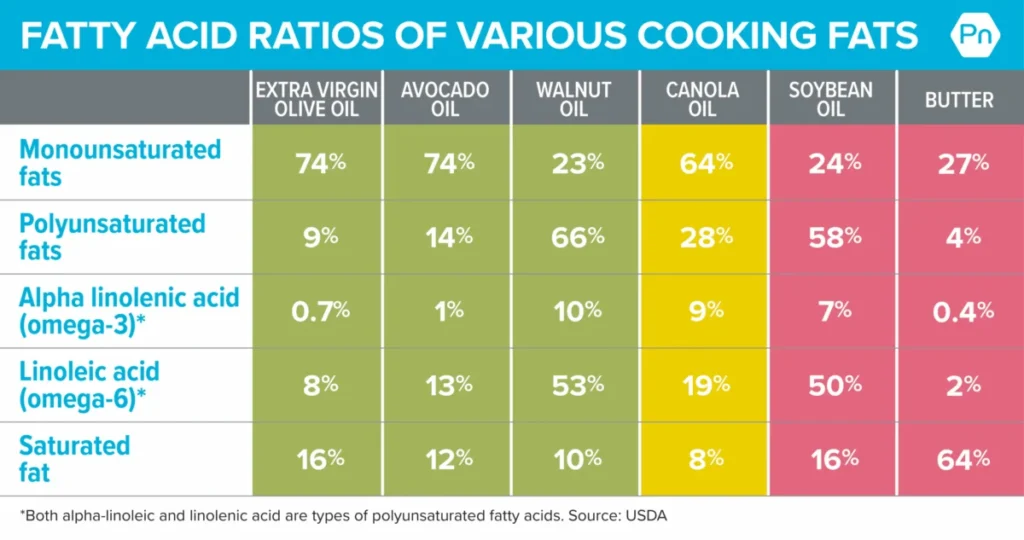
- Fatty, Greasy Foods: Can slow digestion and attract water, contributing to loose stools, bloating, and gas.
It’s critical to understand that individual sensitivities vary greatly. One person might react to apples but tolerate berries, while another might struggle with dairy but enjoy gluten-free options. This individuality underscores the importance of personalized dietary investigation rather than blanket restrictions.
The Role of Elimination Diets and Health Coaching

Given the diverse triggers, elimination diets serve as a crucial tool for identifying problematic foods. These diets involve temporarily removing suspected foods for a period (typically three weeks) followed by a slow, systematic reintroduction to observe symptom reactions. This process functions as a "science experiment" to pinpoint specific sensitivities and tolerable quantities.
Various forms of elimination diets exist:
- "Elimination Diet Lite": Suitable for individuals who have a strong suspicion of specific triggers. It involves eliminating up to four suspected foods for several weeks, then reintroducing them one by one.
- "Elimination Diet Medium" (Precision Nutrition’s Approach): A more comprehensive yet balanced plan that removes many common problematic foods while ensuring a variety of vegetables, fruits, starches, legumes, nuts, seeds, and meats for nutritional adequacy. Resources like Precision Nutrition’s "Ultimate Guide to Elimination Diets" provide detailed guidance, recipes, and meal ideas.
- The FODMAP Diet: Developed by Monash University, this is a highly specialized medical nutrition therapy. Due to its complexity and the non-intuitive nature of FODMAP-rich foods, it requires the expertise of a FODMAP-certified practitioner or the use of specialized tools like the Monash University FODMAP Diet app.
This is where a certified health coach plays an invaluable role, operating within their scope of practice. While coaches cannot diagnose conditions or prescribe diets, they can empower clients to explore lifestyle changes and dietary experiments like elimination diets. Coaches like PN Super Coach Sarah Maughan, certified through Monash University, emphasize that their role is to provide information, tools, and support, helping clients understand the connection between their lifestyle, diet, and body. They encourage clients to work collaboratively with medical professionals, implementing and sustaining recommended lifestyle changes. The power of health coaching lies in bridging the gap between knowing what to do and consistently doing it, offering support without judgment and fostering a sense of control and choice. Even if a client discovers their favorite food is a trigger, a coach helps them understand they have choices – to avoid it when critical, or to enjoy it knowingly when the situation allows, thus transforming knowledge into empowerment.
Broader Implications and Future Outlook
The profound impact of IBS, from individual suffering to its significant economic burden on healthcare systems due to repeated doctor visits, diagnostic tests, and lost productivity, necessitates a continued focus on research and integrated care models. The evolution from a purely psychological understanding to a neuro-gastrointestinal disorder represents a critical step forward, paving the way for more targeted and effective treatments.
Future directions in IBS management are likely to involve increasingly personalized approaches, leveraging advancements in gut microbiome analysis, genetics, and neuro-gastroenterology to tailor interventions. The collaboration between medical professionals, dietitians, and health coaches will be paramount in offering comprehensive support that addresses not only the physiological aspects but also the psychological and lifestyle dimensions of this challenging condition. Ultimately, empowering individuals with knowledge, effective strategies, and unwavering support is key to helping them reclaim their lives from the grip of IBS.