
The practice of "freezer stashing"—the strategic batch-preparation and cold storage of meals—has transitioned from a niche domestic hobby into a recognized methodology for managing household nutrition, reducing food waste, and navigating the complexities of modern, time-constrained schedules. As autumn approaches, households are increasingly turning to freezer-ready assembly as a logistical solution to the seasonal shift in routine, particularly for families balancing professional obligations with extracurricular activities.
The Evolution of Batch Cooking and Nutritional Planning
The concept of the "Mini Freezer Stash" represents a streamlined approach to meal preparation. Unlike traditional bulk cooking, which often requires significant time investment and large-scale kitchen equipment, this method emphasizes modular preparation. By assembling raw ingredients or partially prepared components into airtight storage, individuals can effectively "pre-load" their schedules.
Nutritional experts note that this method allows for greater control over dietary intake. By bypassing processed, store-bought convenience foods in favor of homemade alternatives, households can manage sodium, sugar, and additive levels more effectively. The current shift toward autumnal recipes—focusing on seasonal staples like pumpkin, root vegetables, and hearty proteins—reflects a broader trend of aligning dietary habits with seasonal availability and psychological comfort.
Chronology of the September Stash Program
The current "September Mini Freezer Stash" initiative follows a structured assembly timeline designed to maximize efficiency. The process is broken down into three distinct phases: ingredient procurement, assembly, and thermal preservation.
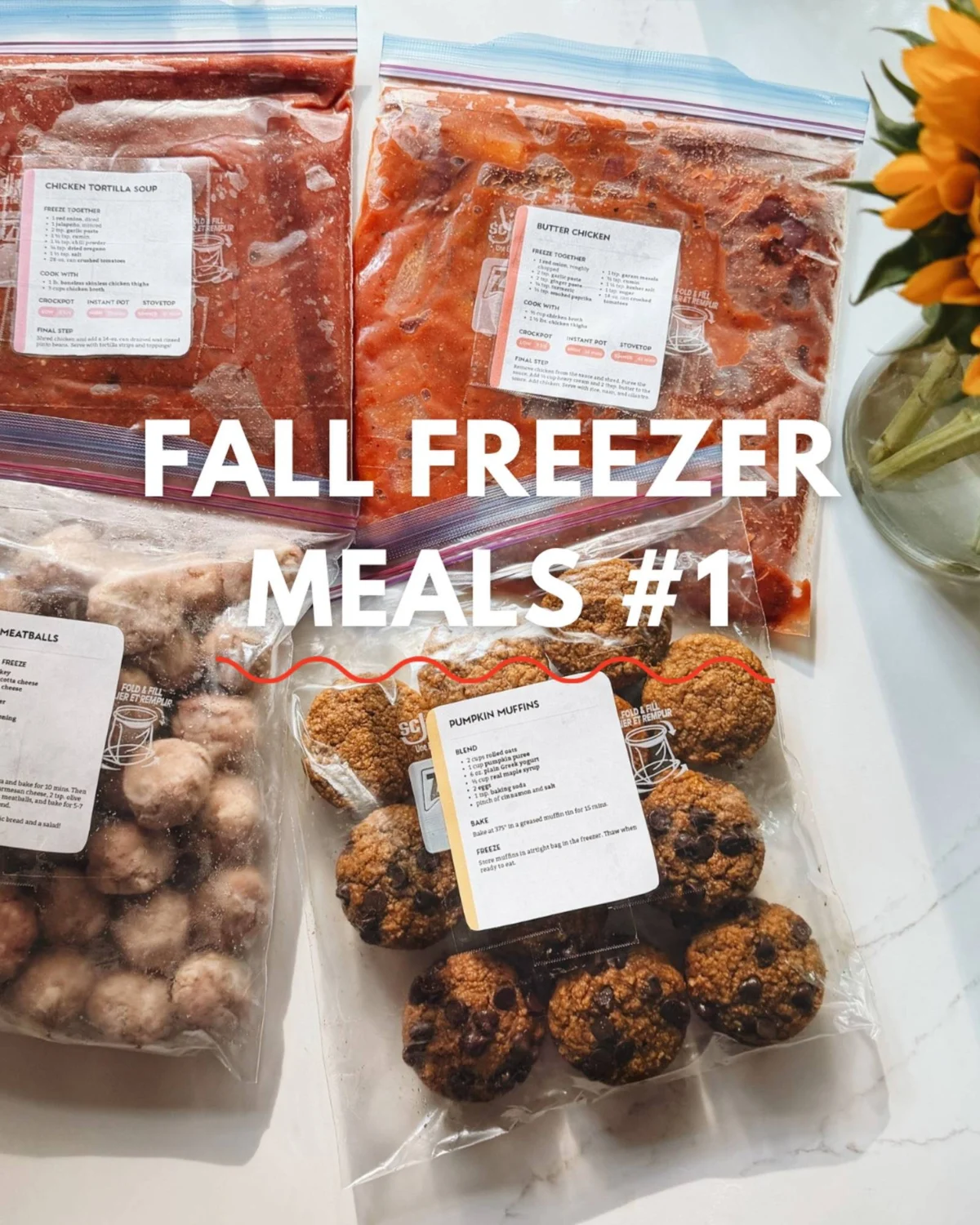
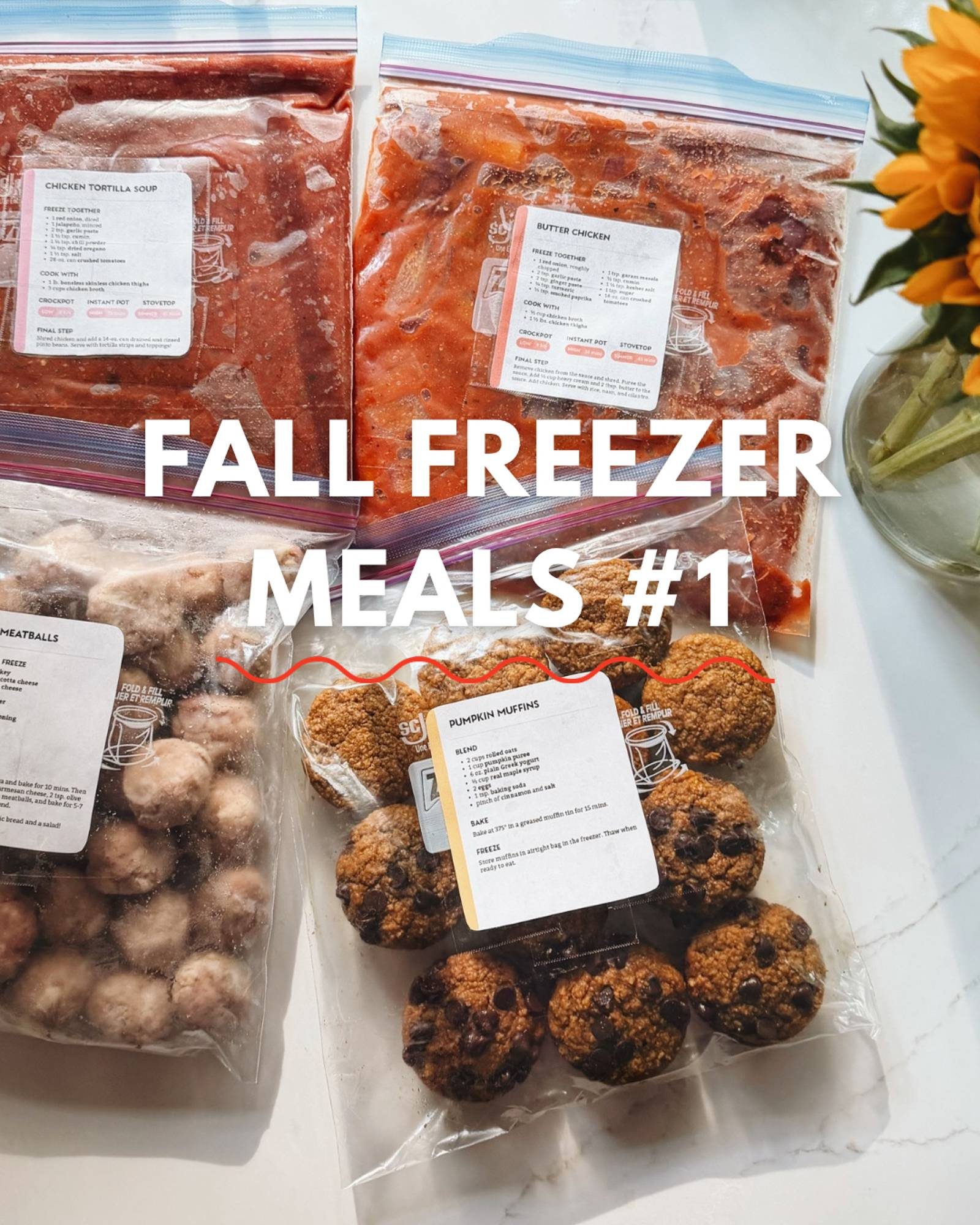
- Preparation and Procurement: The process begins with the identification of recipes that maintain structural integrity during the freeze-thaw cycle. For September, the focus includes nutrient-dense baked goods, such as pumpkin-based muffins, and versatile proteins, including butter chicken and ricotta-based meatballs.
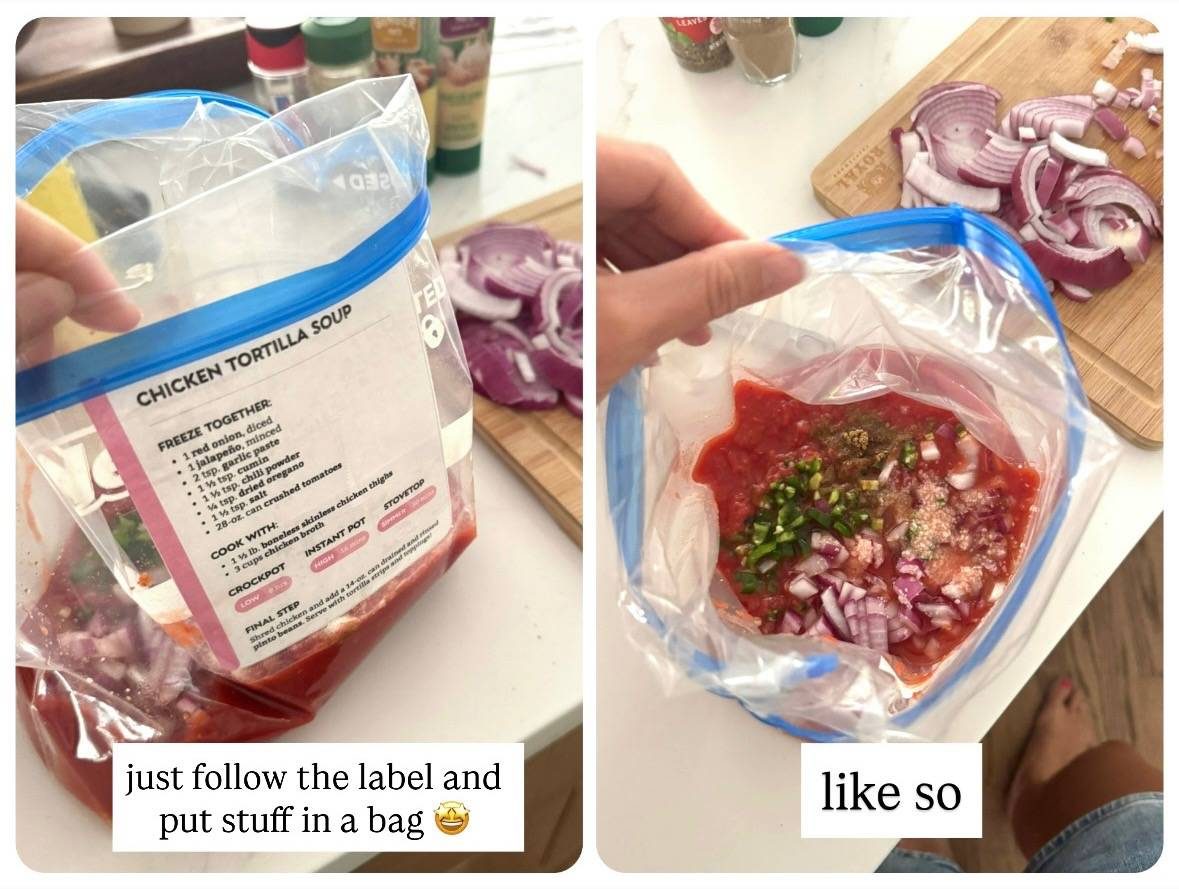
- Assembly and Batching: Ingredients are typically portioned into standardized bags, removing as much air as possible to prevent freezer burn. This stage is designed to be completed in a single session, typically lasting between 60 to 90 minutes for a standard batch.
- The Thermal Cycle: Once frozen, the items are categorized for future use. The final cooking phase occurs either via slow cooker (typically 8 hours on low), pressure cooker (16 minutes on high), or standard stovetop methods (approximately 30 minutes of simmering).
Detailed Nutritional and Preparation Profiles
The current cycle features four primary components designed to provide a balance of comfort and utility.
Pumpkin-Based Breakfast Solutions
The inclusion of pumpkin muffins addresses the need for quick, on-the-go breakfast options. By utilizing a blender-based method to incorporate oats and pumpkin, the preparation time is reduced by approximately 40% compared to traditional mixing methods. These muffins are designed to be stored in airtight containers and require minimal reheating, typically 45 to 60 seconds in a microwave.
Global Flavor Profiles: Butter Chicken and Tortilla Soup
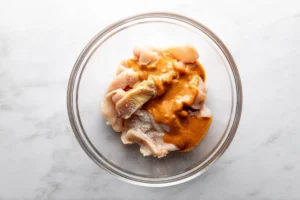
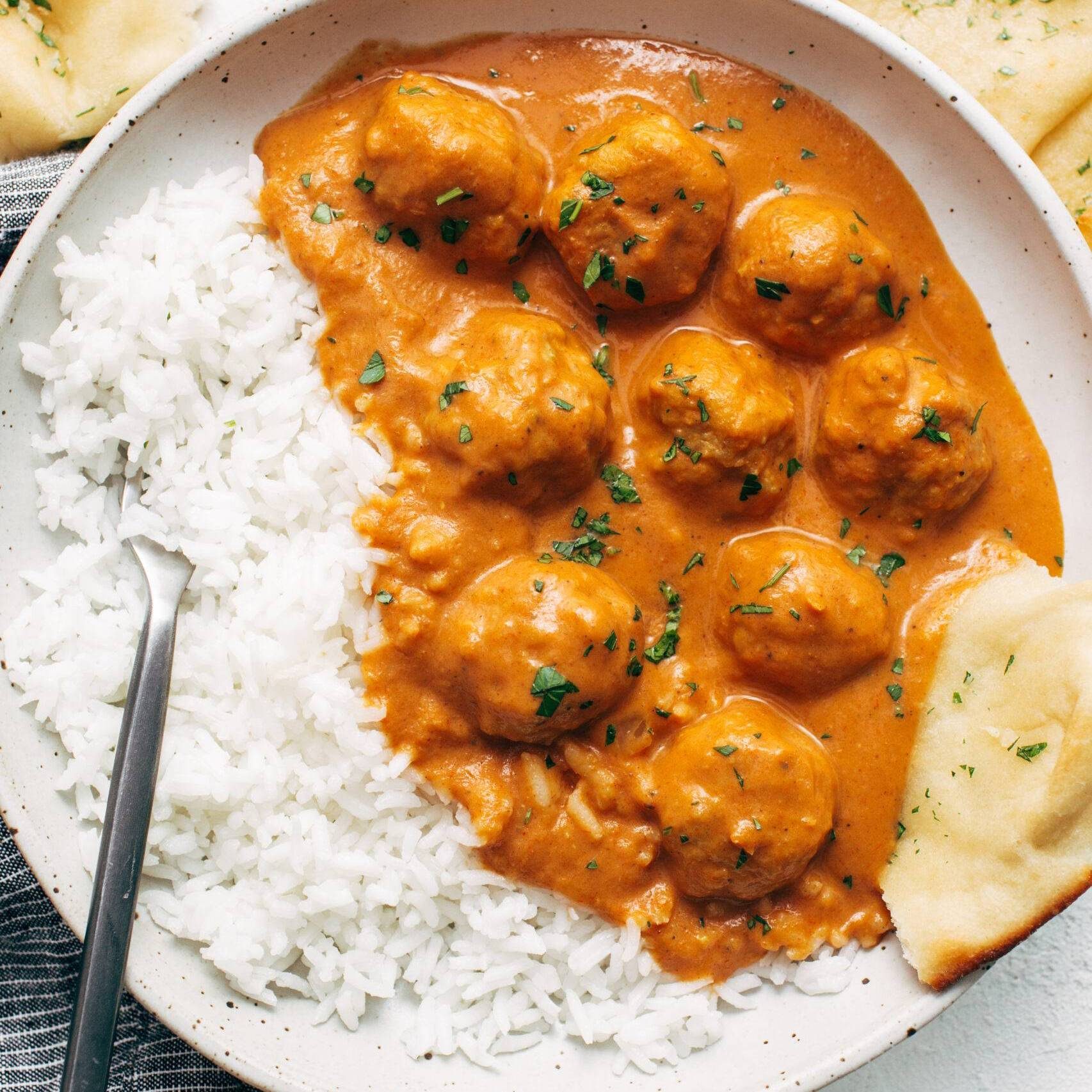
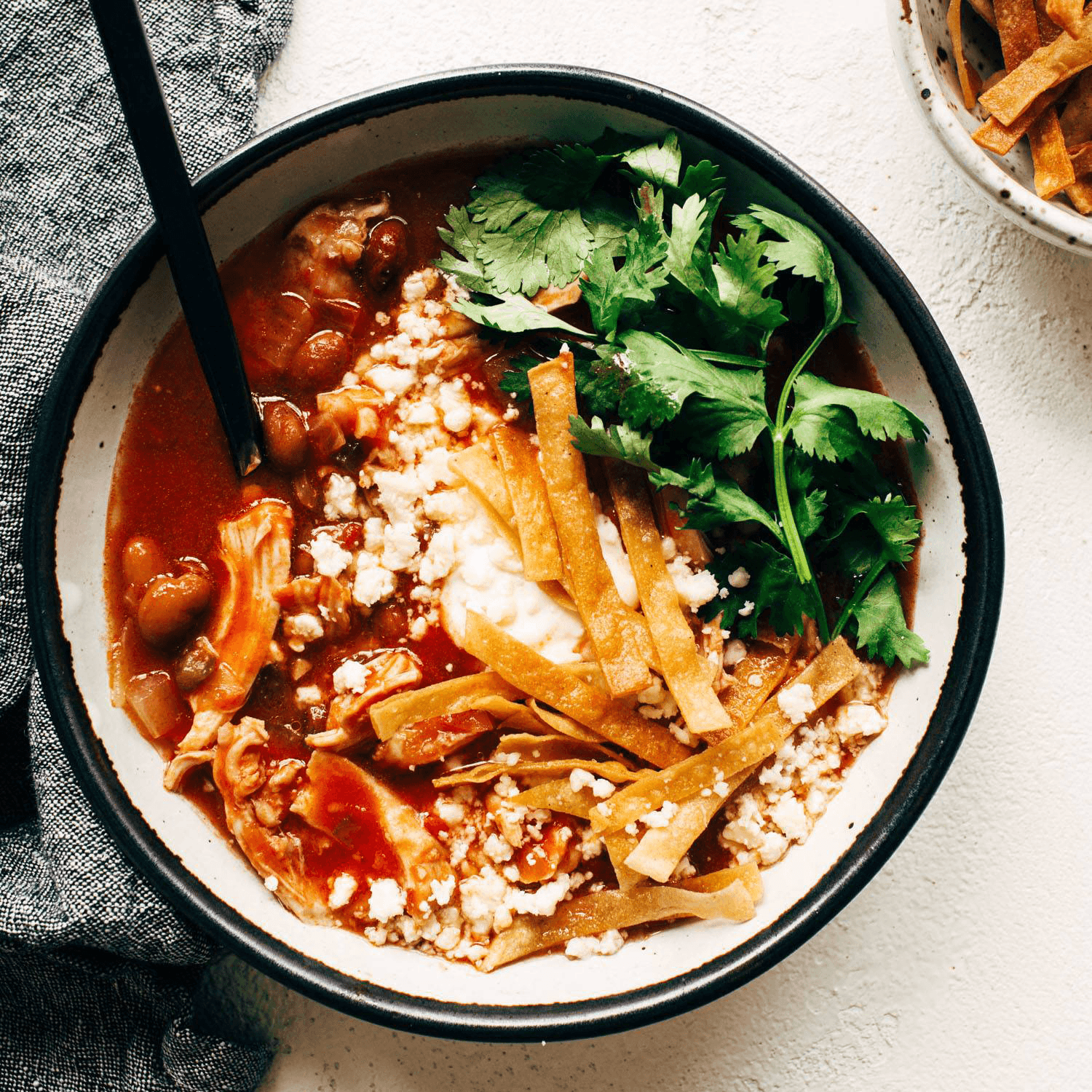
The butter chicken recipe utilizes a modular approach where the chicken and sauce are frozen together. The final integration—adding heavy cream and butter post-cook—ensures that the emulsion remains stable and the dairy does not separate during the freezing process. Similarly, the chicken tortilla soup utilizes a base of aromatics and legumes, with fresh elements like lime and tortilla strips added only at the point of service to maintain texture.
Protein-Dense Options: Ricotta Meatballs
The ricotta meatball preparation utilizes a dual-process approach. By freezing the meatballs raw on parchment-lined sheets before transferring them to bags, the user avoids the common issue of mass-clumping. This method allows for a customized portion size, where one can retrieve a specific number of units rather than thawing an entire bulk package.

Supporting Data on Household Efficiency
According to recent food industry surveys, the "freezer-friendly" category of home cooking has seen a 15% increase in interest over the last 24 months. Data suggests that households utilizing a structured freezer management system save an average of 4.5 hours per week in meal preparation and cleanup time. Furthermore, proactive meal planning is linked to a reduction in household grocery expenditure, as bulk purchasing of ingredients—such as large bags of flour, oats, or bulk protein packs—lowers the cost-per-serving of individual meals.
Economic and Environmental Implications
The environmental impact of organized freezer stashing is significant. By reducing the frequency of grocery store visits, households decrease their carbon footprint associated with transportation. Additionally, the ability to preserve surplus ingredients prevents the disposal of perishable goods that might otherwise expire in a refrigerator.
From an economic standpoint, the "Mini Stash" model mitigates the high costs associated with food delivery services and pre-packaged convenience meals. In an era of rising food inflation, the ability to curate meals from pantry staples and frozen proteins provides a buffer against fluctuating market prices.
Professional Guidance on Storage and Safety
Food safety remains the cornerstone of the freezer stash method. Experts recommend strict adherence to labeling, ensuring that all packages are marked with the date of preparation. While most home-frozen meals are safe for an indefinite period, the optimal quality is typically maintained within three to six months.
Crucially, the "final step" in recipes—such as adding fresh herbs, dairy, or crunchy toppings—is not merely aesthetic. These additions restore the sensory experience of a freshly prepared meal. Incorporating fresh elements post-thaw helps to mask the mild flavor degradation that can occur during prolonged cold storage.
Broader Societal Trends
The popularity of these specific recipes points to a cultural emphasis on "domestic competence." In professional environments where time is a premium commodity, the ability to produce high-quality, homemade meals is often perceived as a sign of effective time management. The dissemination of these recipes via digital platforms suggests that knowledge-sharing in the culinary space has become a vital component of community building among busy professionals and parents.
As the program continues to grow, there is an increasing demand for "full packet" resources, which provide comprehensive guides for up to 22 dinner variations. This indicates that participants are looking for long-term systems rather than one-off solutions. The transition toward these extended meal planning cycles reflects a fundamental shift in how the modern kitchen is utilized: moving from a site of daily, reactive cooking to a hub of proactive, systematic production.
Conclusion: The Future of Home Meal Management
The September Mini Freezer Stash is indicative of a larger trend toward intentionality in domestic life. By applying logistical rigor to culinary tasks, individuals are better equipped to handle the fluctuations of a busy schedule. Whether through the efficiency of a blender-made muffin or the consistency of a slow-cooked chicken dish, the methodology provides a scalable framework for sustainable living. As seasonal shifts continue to influence dietary needs, the reliance on these cold-storage solutions is expected to remain a permanent feature of the modern, efficient household, serving as both a time-saving tool and a strategy for financial and nutritional stability.