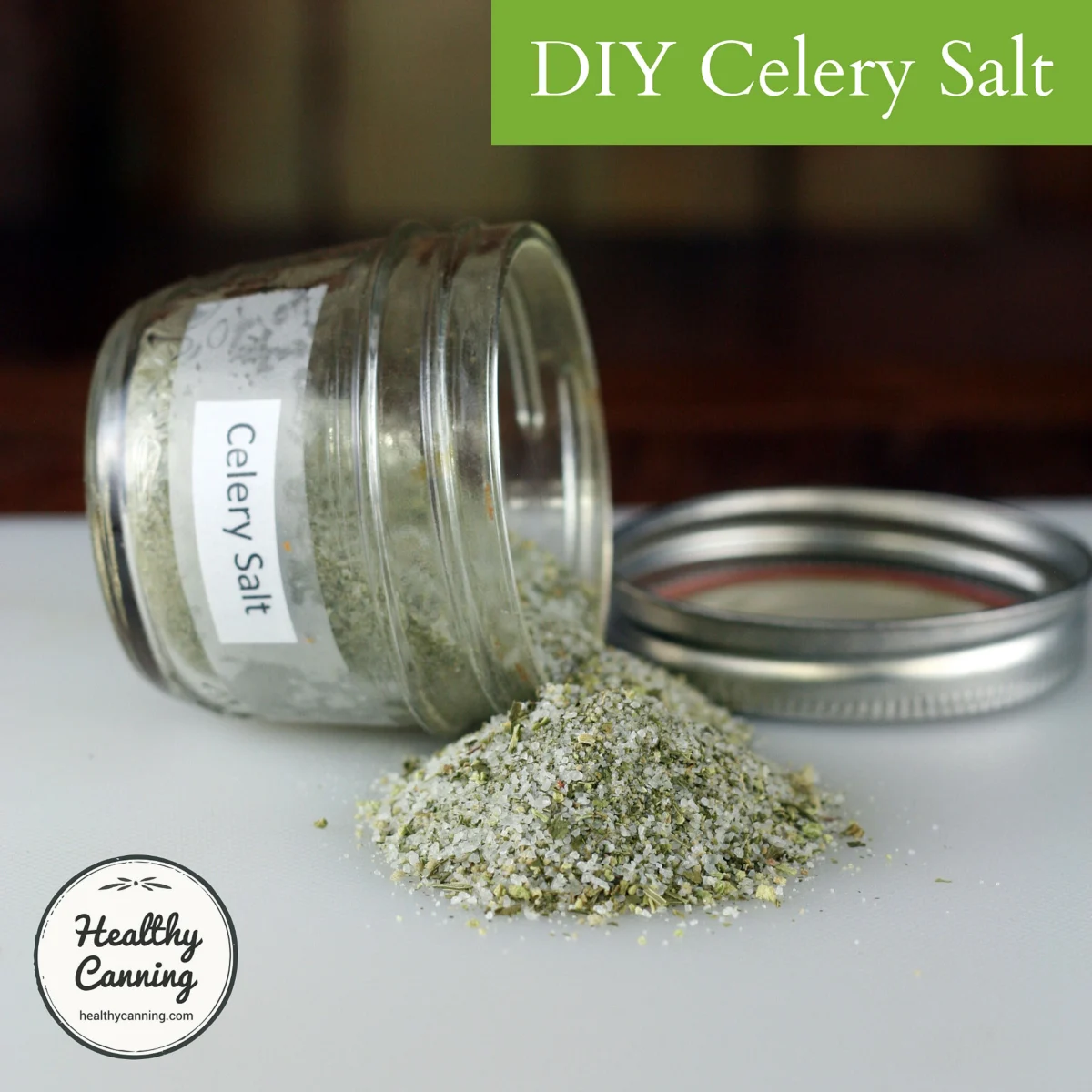

The culinary world has long relied on specialty spice blends to elevate everyday cooking, yet consumers frequently overlook the simplicity and cost-efficiency of manufacturing pantry staples independently. Recent culinary trends and shifting economic factors have renewed interest in domestic seasoning production, with homemade celery salt emerging as a prime example of how home cooks can drastically reduce grocery expenses while simultaneously upgrading the quality of their ingredients. By bypassing commercially produced spice jars, individuals can synthesize a customized batch of celery salt for a fraction of a cent per gram, unlocking a level of culinary customization that mass-market producers cannot replicate.
Economic and Gourmet Advantages of Homemade Seasonings
The financial incentive for crafting basic dry mixes at home is substantial. Commercial spice blends often carry a significant markup, driven by branding, packaging, and distribution costs. In contrast, purchasing raw components—such as bulk celery seed or utilizing dehydrated garden surplus—allows consumers to manufacture dry mixes for pennies on the dollar.
Beyond cost savings, the do-it-yourself approach grants the cook absolute autonomy over the flavor profile and nutritional content of the blend. Traditional store-bought varieties typically rely on standard, heavily processed table salt and generic ground celery seed. Crafting the blend at home, however, opens the door to a gourmet tier of ingredients. Home cooks can experiment with diverse salt bases, ranging from coarse sea salt and mineral-rich pink Himalayan salt to aromatic smoked salts that add depth to savory dishes.

Furthermore, health-conscious consumers or individuals managing specific medical conditions—such as hypertension—can tailor the recipe to meet strict dietary requirements. By substituting standard sodium chloride with specialized salt-free alternatives, such as Herbamare or other botanical seasoning blends, individuals can enjoy the distinct, savory profile of celery salt without consuming excess sodium.
Sourcing and Preparing the Core Components
The fundamental profile of celery salt relies on a balanced ratio of a saline agent and an aromatic botanical element. The botanical component can be approached through two distinct methods, depending on the equipment available in the home kitchen.
The traditional and most direct method involves grinding high-quality celery seed into a fine powder using a spice grinder or mortar and pestle. Celery seed, derived from wild celery or cultivated varieties, packs a concentrated, earthy, and slightly bitter punch that defines the classic flavor of the seasoning.
Alternatively, home gardeners and preservation enthusiasts who utilize food dehydrators can manufacture their own celery powder. By dehydrating fresh celery stalks or leaves and pulverizing the dried material, cooks can achieve an exceptionally vibrant and concentrated vegetable flavor. Integrating homemade celery powder into the salt matrix yields a distinctly gourmet product that surpasses the sharpness of seed-only formulations.

Step-by-Step Production Methodology
Producing a standard batch of homemade celery salt requires minimal time, basic kitchen tools, and precise attention to measurement to ensure an even distribution of flavors. A typical yield of approximately 5 tablespoons, or 75 grams, serves as an ideal test batch for home kitchens, though exact yields may vary slightly depending on the density and grain size of the chosen salt variety.
- Ingredient Selection: Gather the preferred salt base (sea salt, smoked salt, pink salt, or a sodium-free substitute) and the chosen botanical component (finely ground celery seed or dehydrated celery powder).
- Proportioning: While commercial ratios often skew heavily toward sodium, home recipes allow for a customized balance, typically ranging from a 2-to-1 to a 4-to-1 salt-to-celery ratio, depending on desired intensity.
- Blending: Combine the salt and the celery component in a clean bowl, whisking or stirring thoroughly to ensure uniform incorporation.
- Container Integration: To streamline the process and minimize cleanup, home culinary experts recommend performing the combining and mixing steps directly inside the airtight glass jar designated for long-term storage.
Usage Applications and Culinary Versatility
Homemade celery salt integrates seamlessly into existing culinary traditions, functioning identically to commercially purchased varieties. Its unique profile—combining sharp salinity with the herbaceous, savory notes of the umami-rich vegetable—makes it an indispensable element in both classic and contemporary recipes.
Most notably, celery salt is recognized globally as a critical component of a traditional Chicago-style hot dog and serves as the defining garnish for a classic Caesar cocktail or Bloody Mary rim. Beyond beverages and ballpark fare, the seasoning elevates potato salads, coleslaws, marinades, dry rubs for poultry and pork, and brines for pickling vegetables. Because the formulation lacks the anti-caking agents and chemical preservatives found in industrial spice jars, storage in a tightly sealed, moisture-proof glass container in a cool, dark pantry ensures optimal longevity and prevents clumping.
Broader Implications for Modern Food Preparation
The resurgence of interest in scratch-made pantry staples reflects a broader cultural shift toward food autonomy and resourcefulness. As households navigate fluctuating food prices and an increased desire for transparency in ingredients, the practice of DIY food preservation and spice blending offers a practical solution.
Nutritional analysts and culinary historians note that returning to basic home preparation techniques empowers consumers to reclaim control over their dietary intake, particularly regarding hidden sodium and artificial additives. By understanding the foundational mechanics of simple dry mixes like celery salt, home cooks build the confidence required to tackle more complex culinary arts, ultimately fostering a more sustainable, health-conscious, and economically viable approach to daily nutrition.