
The American Homebrewers Association has officially released the comprehensive technical parameters, analytical data, and competition profile for a distinguished gold medal-winning recipe, providing hobbyist and professional brewers alike with a precise blueprint for replication. Featuring a balanced alcohol by volume of 5.1 percent, a moderate bitterness rating of 43 international bitterness units, and a very pale straw color profile measured at 3 standard reference method units, this formulation highlights the exacting standards required to secure top honors in contemporary brewing competitions. As the craft beverage sector continues to evolve, the dissemination of validated, award-winning formulas serves as both an educational resource for developing brewers and a benchmark for quality within the broader fermentation community.
Technical Breakdown and Analytical Profile
Achieving consistency and distinction in homebrewing requires a thorough understanding of analytical metrics that dictate a beer’s physical and sensory characteristics. The newly published gold medal recipe operates within a tightly controlled parameter set designed to optimize drinkability, flavor stability, and visual appeal.
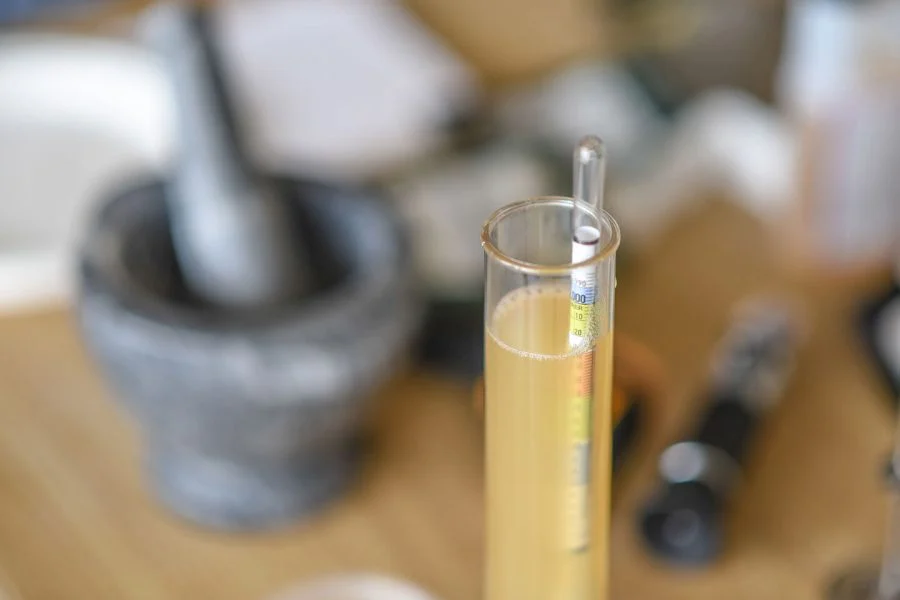
At 5.1% ABV, the beer strikes a harmonious balance between alcohol warmth and structural integrity, ensuring that the beverage remains refreshing without lacking body. The bitterness is calibrated to 43 IBU, a level sufficient to counterbalance the malt sweetness derived from the original gravity of 1.046 (11.5°P). This ensures a crisp, clean finish, which is further supported by a low final gravity of 1.007 (1.7°P). The high attenuation indicated by the drop from 1.046 to 1.007 points to an exceptionally clean fermentation process, likely utilizing a highly attenuative yeast strain and a mash schedule optimized for fermentable sugar extraction.
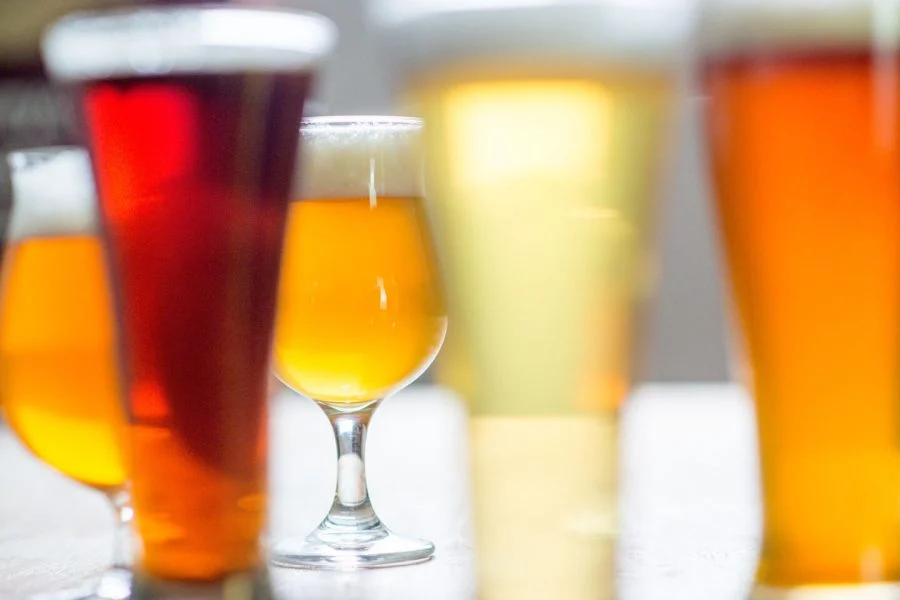
Visually, the beer is exceptionally pale, registering at an SRM of 3. This indicates the exclusive use of base malts, such as premium pilsner or light pale ale malts, with minimal to no specialty or crystal malts that would otherwise darken the straw-colored hue or impart unwanted caramel flavors. The pale clarity and light body align with modern consumer preferences for crisp, highly approachable, yet flavorful craft beverages.
Background and Evolution of the American Homebrewers Association
Founded in 1978, the American Homebrewers Association has played a foundational role in the expansion and maturation of the North American brewing landscape. Originally established as a small community of passionate hobbyists advocating for the legal recognition and deregulation of home fermentation, the organization has grown into an international authority on amateur brewing techniques, recipe development, and beer education.
Over the decades, the AHA has spearheaded numerous initiatives to elevate the craft of homebrewing, most notably through the operation of the National Homebrew Competition—the world’s largest annual fermented beverage competition. Winning a medal in this prestigious event requires navigating multiple tiers of rigorous evaluation by certified judges adhering to the Beer Judge Certification Program style guidelines. Consequently, when the association publishes data and winning formulations, it represents the culmination of peer-reviewed excellence, rigorous trial and error, and strict adherence to technical precision.
In recent years, the association has increasingly focused on digital accessibility, providing members with curated databases of validated recipes, technical troubleshooting guides, and exclusive educational webinars. The publication of gold medal specifications represents a continuation of this mission, bridging the gap between competitive excellence and everyday brewing practice.
Chronology of Competition and Recipe Validation
The journey from initial recipe conception to official publication by the American Homebrewers Association follows a structured, multi-phase timeline designed to ensure absolute quality control and recipe reproducibility.

The process typically begins months prior to major competition cycles, during which brewers formulate their grain bills, select hop varieties, and experiment with water chemistry profiles. Once a recipe is finalized, trial batches are brewed and sensory evaluations are conducted to fine-grain parameters such as bitterness extraction, hop aroma persistence, and attenuation rates.
Upon entering competitions sanctioned by the AHA, entries undergo rigorous physical and sensory screening. Judges evaluate appearance, aroma, flavor, and mouthfeel against strict style parameters. Recipes that advance to the final round and secure a gold medal are subjected to further technical scrutiny to verify that the analytical data—including original gravity, final gravity, and SRM—aligns with the reported style characteristics.
Following the conclusion of the competition season, the association coordinates with medal-winning brewers to document their specific brewing logs, mash temperatures, fermentation schedules, and ingredient selections. This data is then curated and integrated into the AHA’s digital archives, where it is made available to members seeking to replicate or study championship-tier brewing methodologies.
Industry Reactions and Perspectives from the Brewing Community
The release of validated, high-performance competition recipes has consistently drawn positive reactions from both amateur and professional sectors of the brewing industry. Professional craft brewers often view homebrewing associations as vital incubators for talent and innovation, noting that many commercial brewery founders began their careers by refining techniques on small-scale home systems.
Industry analysts have pointed out that the democratization of award-winning formulas fosters a collaborative environment that strengthens the entire craft beverage ecosystem. By providing clear numerical targets—such as the specific gravity thresholds and bitterness ratios seen in this 5.1% ABV recipe—novice brewers are encouraged to invest in precise measuring equipment, temperature-controlled fermentation chambers, and water modification tools.
Furthermore, commercial suppliers of malt, hops, and yeast frequently report spikes in demand for specific ingredient profiles following the publication of medal-winning formulas. Homebrew supply shops note that customers are increasingly eager to experiment with exact grain-to-glass specifications, viewing competition data not merely as a point of interest, but as an actionable blueprint for mastery.
Broader Impact and Economic Implications for the Craft Sector
The influence of homebrewing extends far beyond kitchen countertops and garage setups; it serves as a primary economic and creative driver for the multi-billion-dollar craft beer industry. When organizations like the American Homebrewers Association highlight specific technical profiles and gold medal standards, they indirectly influence consumer palates and commercial market trends.
As consumers grow more discerning regarding flavor clarity, attenuation, and balance, commercial breweries must continually refine their own portfolios to meet elevated expectations. The specific parameters of this gold medal recipe—emphasizing high attenuation, pale coloration, and restrained yet assertive bitterness—reflect broader shifts in market demand toward clean, highly drinkable, and structurally sound beverages.
Moreover, the educational framework surrounding these recipe releases supports the ongoing professionalization of the broader fermentation sector. Many professional brewmasters attribute their foundational understanding of yeast management, sanitation protocols, and recipe scaling directly to the literature and resources provided by homebrewing organizations. By maintaining rigorous standards of data transparency and technical education, the American Homebrewers Association ensures that the pipeline of talent entering the professional brewing industry remains knowledgeable, inventive, and committed to uncompromising quality.