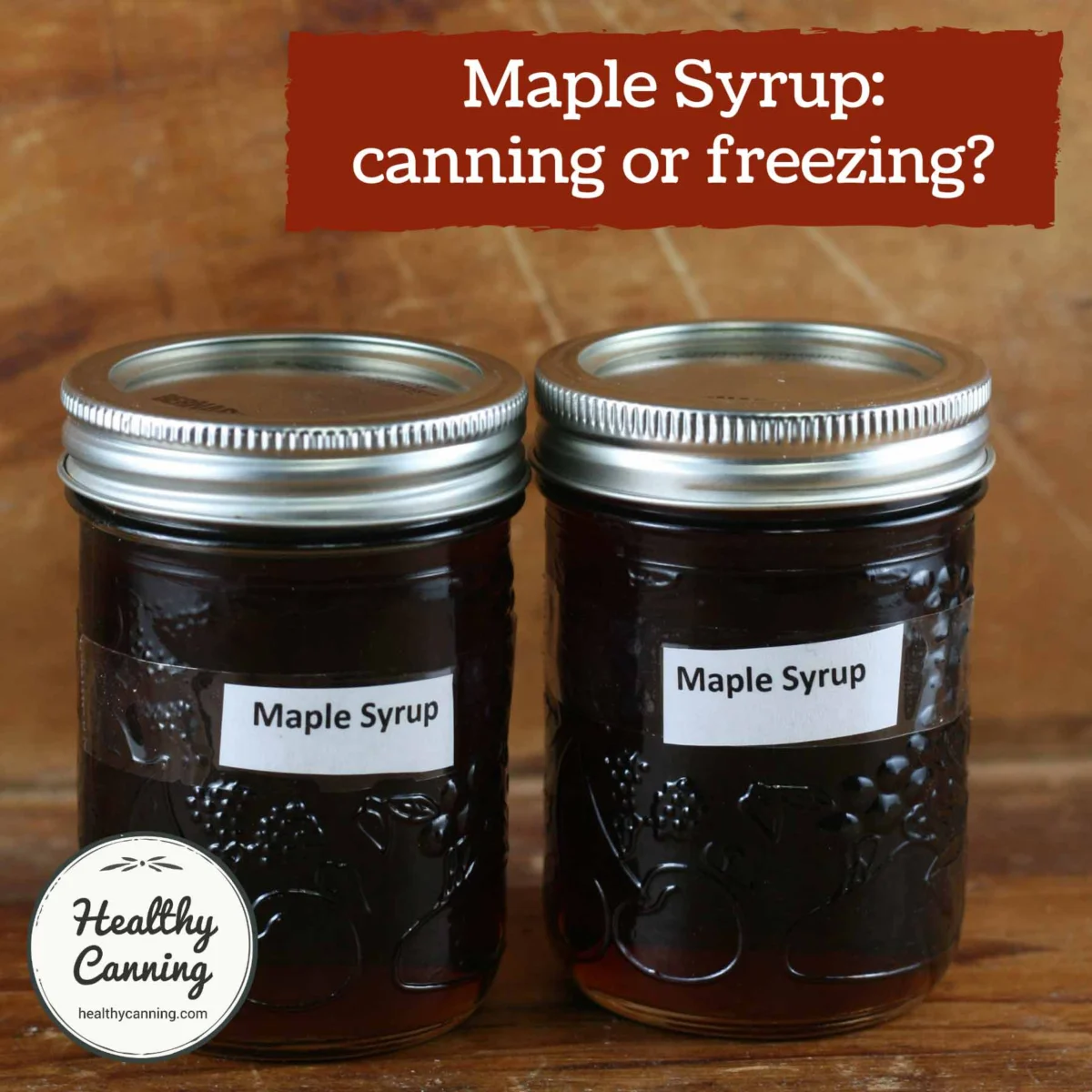

Purchasing maple syrup in bulk is a popular practice for households seeking to enjoy the natural sweetener year-round while taking advantage of volume pricing. However, without proper storage and handling, large quantities of pure maple syrup are highly susceptible to spoilage, most commonly through colonization by environmental mold spores. While commercial maple syrup producers rely on standardized industrial protocols and regional extension guidelines, home consumers require specific, accessible techniques to safeguard their investments. Understanding the chemistry of maple syrup—specifically its sugar density, acidity, and water activity—is critical to determining the most effective preservation methods for home storage, ranging from basic refrigeration to the gold standard of long-term preservation: freezing.
Understanding the Chemistry of Maple Syrup Shelf Stability
To legally qualify as pure maple syrup in North America, harvested maple sap must undergo rigorous boiling to reduce its moisture content and concentrate its natural sugars. According to the North American Maple Syrup Council, the correct density for finished maple syrup must measure between 66° and 68° Brix, where one Brix equals approximately one percent sugar content. Maintaining this precise threshold is vital for product stability. If the finished syrup falls below 66° Brix, it contains excessive moisture, making it highly vulnerable to mold growth and fermentation. Conversely, if the density exceeds 68° Brix, excess sugar will precipitate out of the solution, forming unappealing crystalline deposits at the bottom of the storage container.
Scientific analysis underscores the unique chemical profile of this sweetener. Research published in Food Research International revealed that pure maple syrup samples typically exhibit moisture contents ranging from 26.5% to 39.4%, pH levels spanning 5.6 to 7.9, and Brix measurements varying between 62.2° and 74.0°. Furthermore, data from the United States Food and Drug Administration (FDA) places the average pH of maple syrup around 5.15. Because these pH levels sit above 4.6, theoretical concerns can arise regarding anaerobic environments, such as sealed jars, where Clostridium botulinum spores might otherwise activate. Nevertheless, the exceptionally high sugar concentration drastically reduces the product’s water activity, effectively inhibiting microbial proliferation and ensuring safety under recommended storage parameters.

Shelf Storage for Unopened Containers
Unopened commercial containers of maple syrup—whether constructed from metal, glass, or squeeze-type plastic—boost an exceptionally long shelf life when kept at normal room temperatures in a cool, dark cupboard, provided their factory seals remain entirely intact. These materials offer an impenetrable barrier against external oxygen and airborne spores.
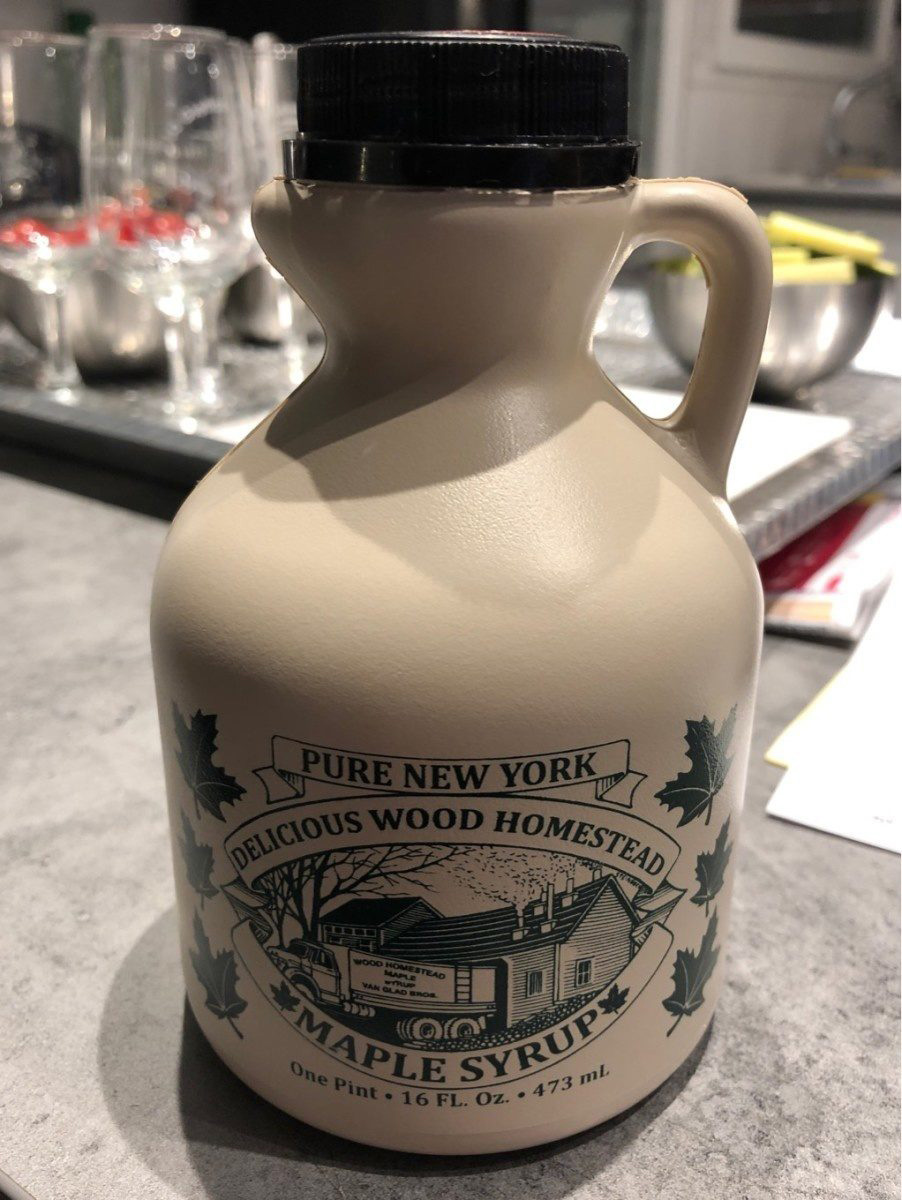
However, a notable exception exists for traditional beige or grey plastic jugs frequently utilized by regional producers. According to the Quebec Maple Syrup Producers (QMSP) Association, while these opaque jugs are visually distinct, empirical tests indicate they do not provide a foolproof barrier against oxygen permeability over extended periods. Consequently, agricultural associations strongly recommend storing unopened beige plastic jugs directly inside the refrigerator from the moment of purchase to significantly prolong the shelf life and preserve the sensory qualities of the syrup.
Managing Opened Containers Through Refrigeration
The moment a container of maple syrup is unsealed, its pristine environment is compromised, exposing the sweet liquid to ambient mold spores drifting through the household air. At this juncture, room-temperature shelf storage is no longer viable, and the product must be promptly transferred to the refrigerator.
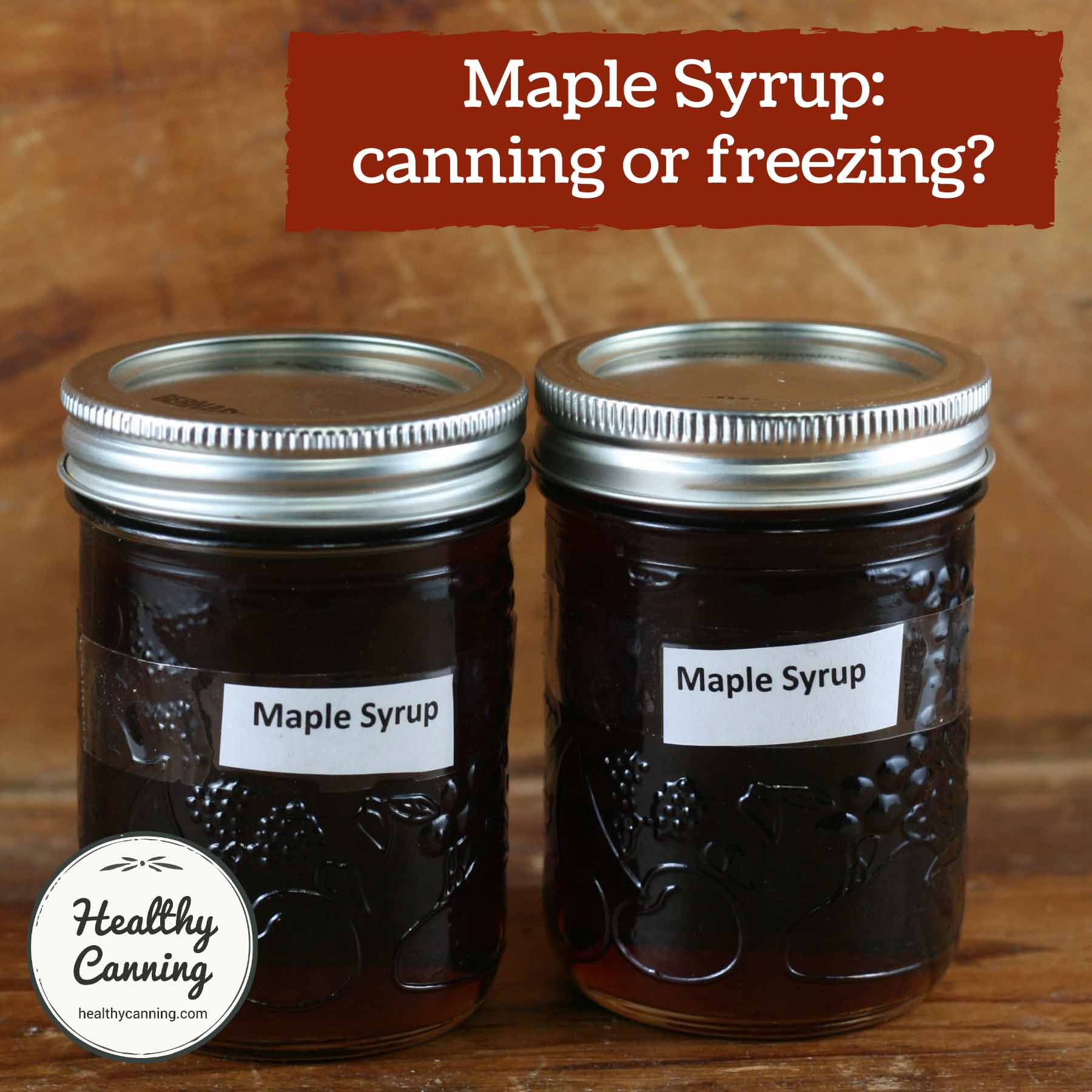
Food safety and culinary experts emphasize that refrigeration does not kill or destroy mold spores; rather, the combination of cold temperatures and low water activity effectively works to slow down and inhibit mold germination. For households that consume maple syrup slowly over many months, keeping large open containers in the refrigerator still carries a long-term risk of eventual surface mold formation. To mitigate this risk, consumers are advised to refrigerate only the amount of syrup needed for immediate use, while allocating the remaining bulk volume to a more secure long-term preservation method.
Freezing as the Superior Long-Term Preservation Method
For home cooks managing excess maple syrup, freezing is universally endorsed as the premier long-term preservation technique. Unlike home canning or continuous refrigeration, freezing completely halts mold growth by depriving spores of the thermal energy required for germination and active development. Furthermore, freezing preserves the delicate flavor profile and vibrant color of the syrup without subjecting it to the quality degradation associated with heat reprocessing.
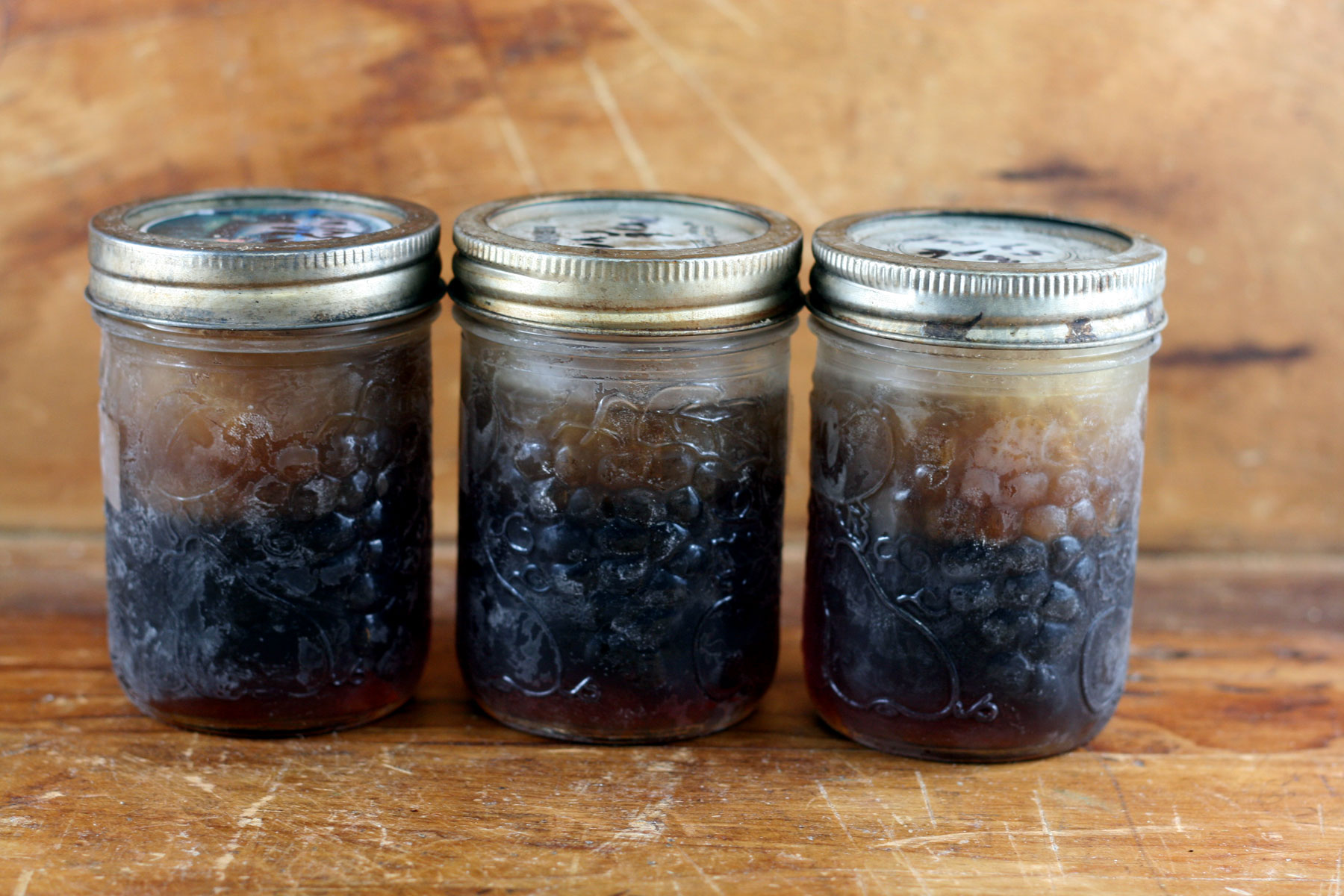
Because of its high sugar content, maple syrup will never freeze into a solid brick. Instead, when stored in a standard chest or upright freezer, the syrup assumes a thick, viscous consistency identical to that of chilled honey. Upon thawing, it immediately reverts to its original liquid state without any structural separation. Agricultural extension services from institutions such as Purdue University and Ohio State University confirm that maple syrup can undergo repeated freezing and thawing cycles safely, provided the container is allowed to thaw completely and any surface condensation is thoroughly stirred back into the liquid.
To prepare maple syrup for the freezer, glass containers such as standard Mason jars are strongly recommended over plastic or metal alternatives. Plastic packaging remains somewhat porous, allowing gradual oxygen ingress that can diminish quality over time, while metal containers risk rusting or imparting an unpalatable metallic taint. When packing jars for the freezer, experts stress the necessity of leaving an appropriate headspace—typically one inch (2.5 cm) for quart jars and slightly less for smaller volumes—to accommodate liquid expansion during the freezing process without fracturing the glass. Jars should be tightly sealed, clearly labeled with the preservation date, and placed directly into the freezer. There is no requirement to sterilize the glass jars or lids beforehand, and previously used flat canning lids are entirely acceptable for this purpose. Thawing can be expedited safely by placing the sealed jar in a basin of cool water or by warming measured portions in a microwave-safe dish at brief intervals, taking strict precautions never to submerge frozen jars in extreme boiling water.
The Complexities and Risks of Home Bottling (Hot Packing)
Some consumers express a preference for transferring bulk-purchased maple syrup into smaller, shelf-stable glass jars using a home bottling process frequently misidentified as "home canning." True canning requires pressure or water-bath heat processing for a scientifically validated duration to achieve commercial sterility. Because subjecting filled maple syrup jars to boiling water processing severely damages the product’s flavor, darkens its color, and precipitates dissolved minerals—a phenomenon known as "sugar sand"—university extension services do not endorse traditional home canning for maple syrup.
Instead, hobbyists attempting home bottling often mimic commercial "hot packing" techniques. This involves heating the syrup to a threshold between 82°C and 85°C (180°F to 185°F), pouring the scalding liquid into pre-heated glass jars to prevent thermal shock, applying lids tightly, and inverting the containers for five to ten minutes. The theoretical purpose of inversion is to allow the hot syrup to contact the inner lid and container neck, neutralizing transient mold spores.
Despite these measures, agricultural authorities outline significant operational hazards associated with home bottling. Research from the University of Maine Cooperative Extension highlights that small-scale containers, particularly those under one pint, frequently lack sufficient thermal mass to maintain the required sterilization temperature for the necessary duration. Furthermore, heating syrup beyond 90°C (194°F) to guarantee spore destruction often triggers stack burn—a condition where prolonged heat exposure darkens the syrup grade and alters its distinct flavor—while simultaneously causing mineral precipitation that results in cloudy, unappealing sediment.
Implications for Home Consumers
The extensive body of research compiled by agricultural extension agencies and maple syrup councils underscores a clear operational directive for everyday consumers. While commercial packagers utilize specialized industrial equipment, precise temperature controls, and rapid cooling systems to navigate the delicate balance between microbial safety and product quality, home cooks operate with significantly fewer variables under their control.
Attempting home hot-packing introduces severe risks, including personal injury from scalding liquids, potential glass shattering from thermal shock, product loss due to inadequate spore destruction, and irreversible flavor degradation from overheating. Conversely, freezing maple syrup eliminates these complex food safety variables entirely. By leveraging the natural chemistry of high sugar density alongside the reliable physics of sub-zero storage, households can successfully preserve large quantities of maple syrup indefinitely, ensuring optimal flavor, absolute safety, and complete protection against environmental spoilage.