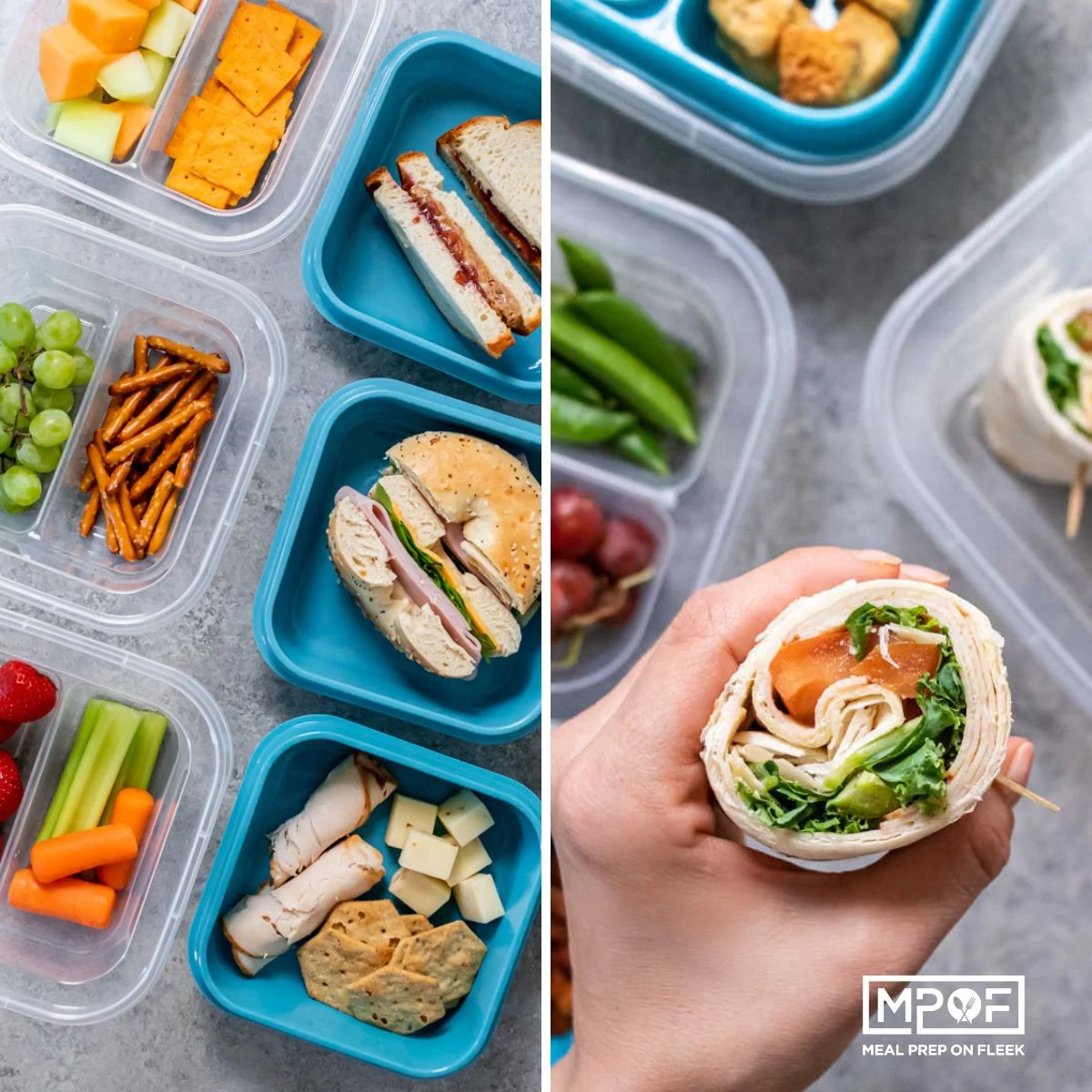

The annual transition to the academic year brings a significant shift in family logistics, with the preparation of daily school lunches representing a consistent point of pressure for parents and guardians. According to data from the U.S. Department of Agriculture (USDA), millions of children rely on school-provided meals, but a substantial demographic continues to bring packed lunches from home for reasons ranging from dietary restrictions to personal preference. As families prepare for the upcoming school cycle, the demand for efficient, nutritious, and time-conscious meal preparation methods has reached a seasonal peak.
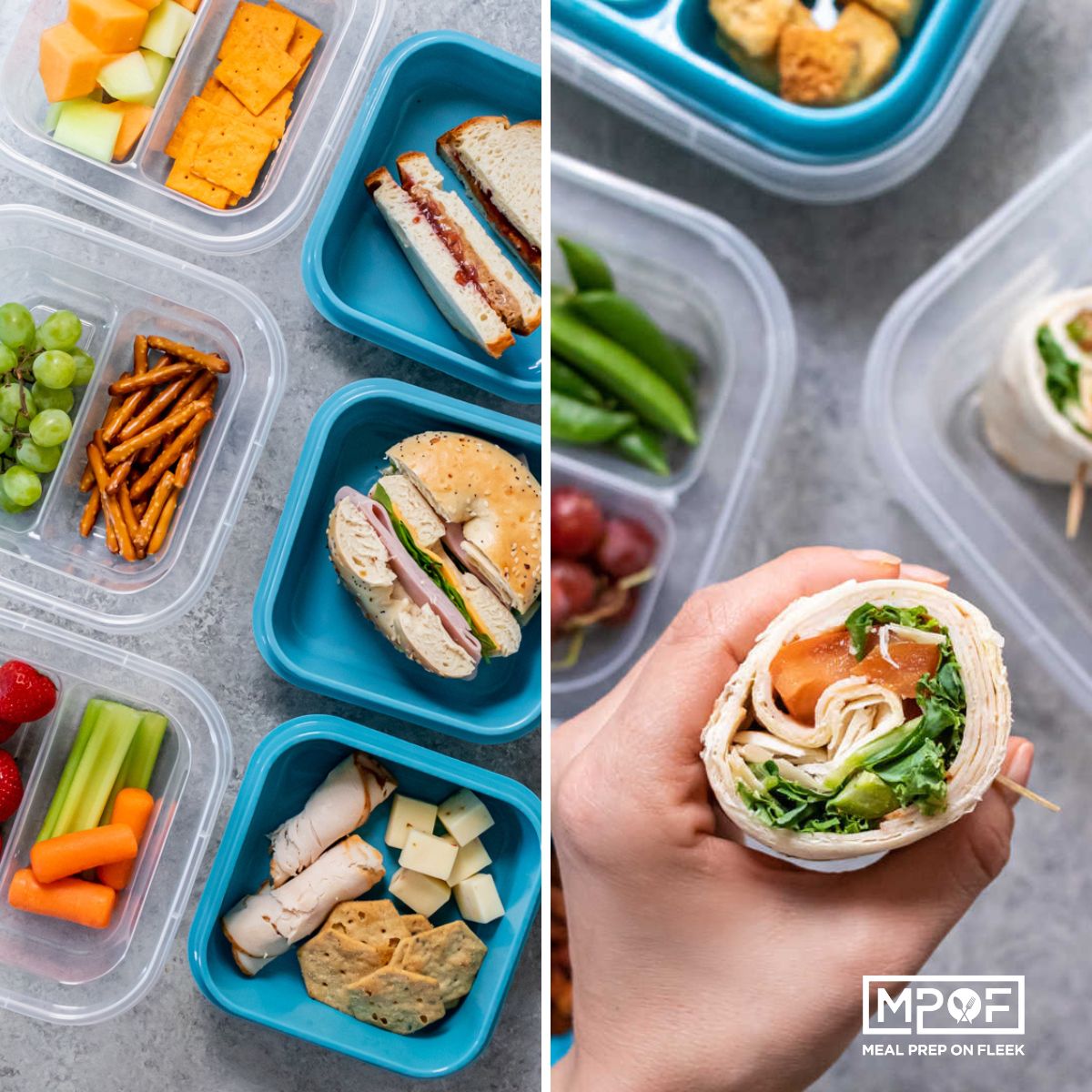
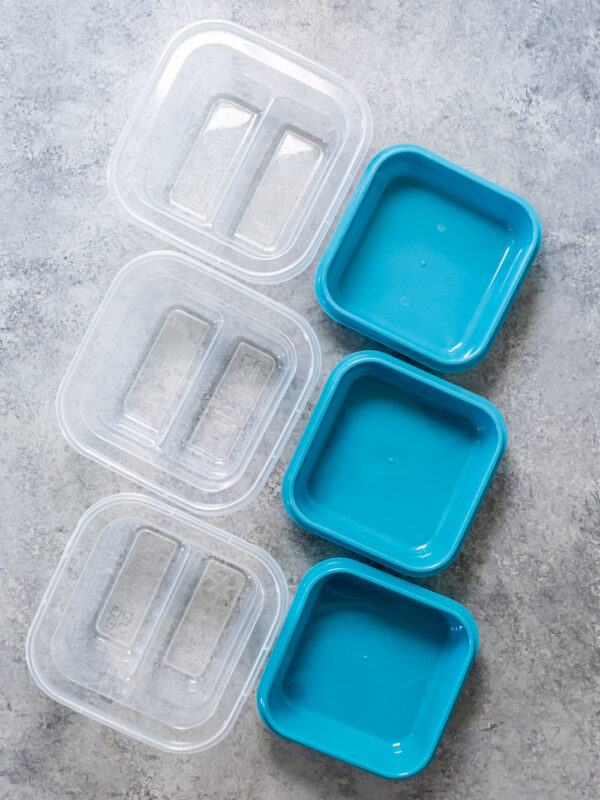
The methodology of "no-cook" meal prep has emerged as a functional solution to the morning time constraints faced by working households. By prioritizing assembly over traditional food preparation—such as stovetop cooking or oven roasting—parents can reduce the time spent in the kitchen while maintaining nutritional balance. This approach centers on the use of compartmentalized storage technology, such as the GoodCook Lunch Cube, which allows for the categorization of macronutrients in a single, portable vessel.
The Evolution of School Lunch Logistics
The shift toward modular, "bento-style" lunch systems began gaining momentum in the mid-2010s as parents sought to move away from single-use plastics and pre-packaged processed goods. Research conducted by child nutrition advocates suggests that children are more likely to consume fruits and vegetables when they are presented in an accessible, visually segmented format.
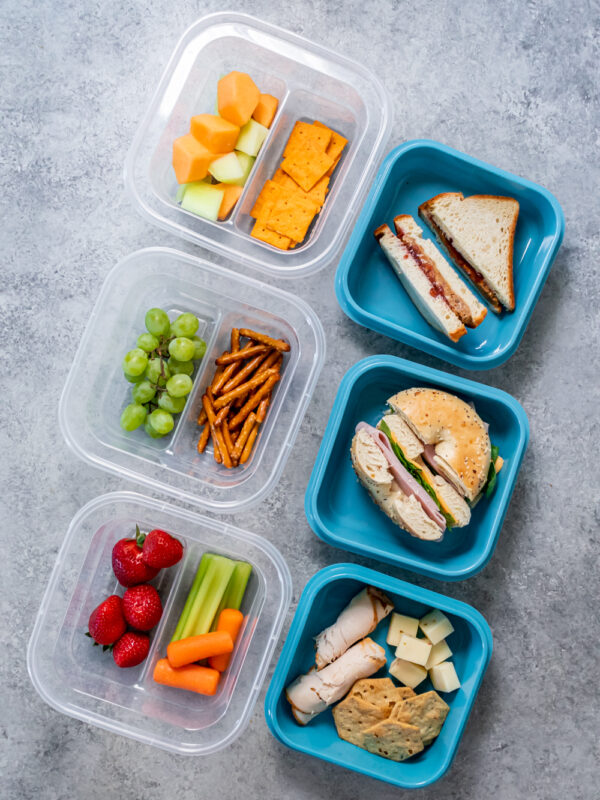
Chronologically, the surge in popularity for these systems aligns with the broader "meal prep" movement. In the early 2000s, school lunches were largely defined by either institutional cafeteria offerings or brown-bag setups consisting of a sandwich and a single snack item. By 2015, the integration of specialized, multi-compartment containers allowed for a more diversified intake of protein, fiber, and healthy fats. Today, these systems are considered a staple for families aiming to minimize the daily decision-making fatigue associated with morning routines.
Data-Driven Nutritional Strategies for Students
Nutritional experts emphasize that a balanced lunch should contain a combination of complex carbohydrates, lean proteins, and micronutrient-rich produce to sustain student cognitive function throughout the afternoon. Recent studies from pediatric nutrition journals indicate that consistent blood glucose levels, maintained by balanced meals, correlate with higher attention spans in primary and secondary school classrooms.
To achieve this, the "no-cook" model typically follows a structural ratio:
- Primary Protein: 20–30% of the container (e.g., sliced deli turkey, hard-boiled eggs, or plant-based proteins).
- Complex Carbohydrates: 30–40% (e.g., whole-grain crackers, pita bread, or pasta).
- Fresh Produce: 30–40% (e.g., baby carrots, apple slices, or cucumber rounds).
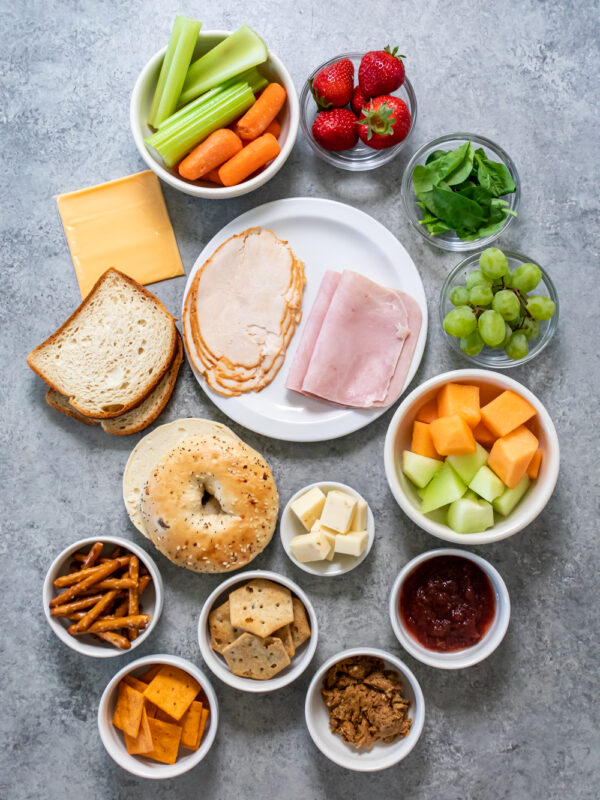
By utilizing a "grab-and-pack" system—where staples are pre-washed and organized in the refrigerator at the start of the week—families can assemble a complete, nutrient-dense lunch in under five minutes.
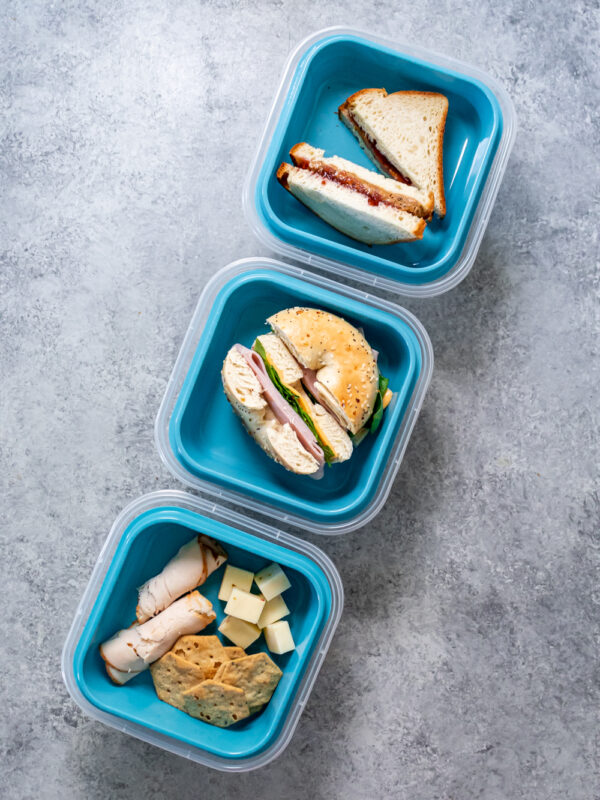
Three Archetypal No-Cook Lunch Configurations
For those seeking to implement this strategy, three primary configurations have been identified as both popular and nutritionally sound.
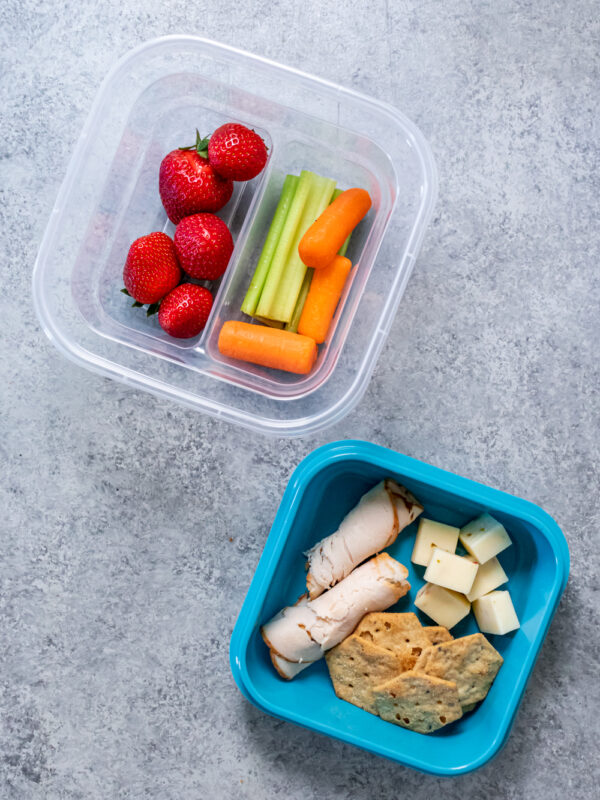
The Deconstructed Snack Box (Cube 1)
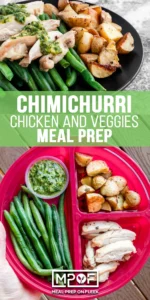
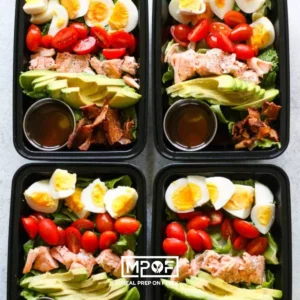
This configuration mirrors the popular "snack plate" trend. It prioritizes variety over a single large entree. By placing cheese cubes, lean deli meats, and a selection of whole-grain crackers in the main compartment, parents provide a variety of textures. The smaller compartments are then filled with seasonal berries or sliced grapes, ensuring a balance of fiber and natural sugars.
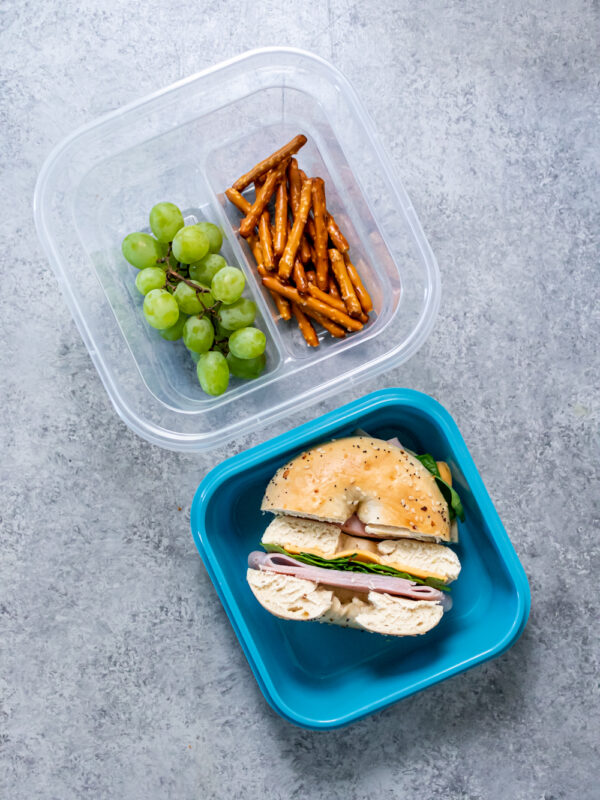
The Traditional Sandwich or Wrap (Cube 2)
For students who prefer a classic meal, the second configuration utilizes a bagel, pita, or whole-wheat wrap as the base. The protein—such as chicken breast or hummus—is paired with a crunchy side, such as pretzels or snap peas. This model provides the highest caloric density, making it suitable for students with high activity levels or after-school extracurricular commitments.
The Classic Peanut or Nut-Butter Alternative (Cube 3)
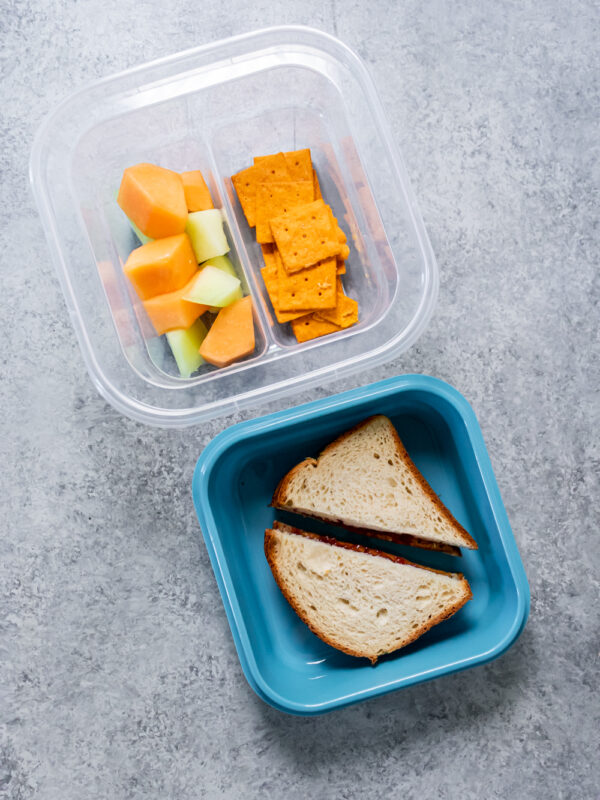
The peanut butter and jelly sandwich remains a cornerstone of the American school lunch. To address the rise in school-wide nut allergies, many institutions have shifted to sunflower seed butter or soy-based alternatives. When paired with high-fiber sides like broccoli florets or sliced pears, this configuration remains one of the most cost-effective and time-efficient options for parents.
Facilitating Independence Through Kitchen Involvement
Behavioral child psychologists have long suggested that involving children in the selection and assembly of their meals increases the likelihood of consumption. When a child participates in the grocery shopping process—selecting their preferred fruits or choosing between different vegetable options—they develop a sense of autonomy.
Industry experts recommend that parents maintain a dedicated "lunch station" in the refrigerator. This area should contain pre-portioned containers of hummus, washed grapes, and ready-to-eat vegetables. By delegating the final assembly of these components to the child, parents not only save time but also foster life skills regarding food management and healthy decision-making.
Broader Implications for Education and Families
The efficiency of these meal prep strategies extends beyond the domestic sphere. Educators have noted that when students have access to consistent, familiar, and nutritious lunches, classroom disruptions related to hunger or lethargy decrease. Furthermore, the reduction in food waste is a significant environmental and economic benefit. Pre-portioning ensures that only the required amount of food is packed, preventing the common issue of uneaten, discarded items that often occurs with larger, pre-packaged lunch portions.
For professionals in the education sector, such as teachers who often face their own time-management challenges, the adoption of structured meal plans has become a professional necessity. Organizations focusing on "teacher-specific" meal planning have reported a 40% increase in interest over the last three years, as educators look for ways to streamline their own nutrition alongside their students.
Conclusion: A Sustainable Approach to the School Year
The transition to the new school year serves as an opportune time to audit and improve household routines. The "no-cook" model of lunch preparation is more than a convenience hack; it is a scalable system that addresses nutritional requirements, fosters student independence, and manages the logistical demands of a modern school schedule.
As families finalize their preparations for the upcoming semester, the focus remains on long-term sustainability. By utilizing modular, reusable containers and a consistent supply of "grab-and-pack" staples, households can mitigate the stress of daily meal assembly. Whether for a student entering kindergarten or a teenager navigating a high school schedule, the principles of balanced, efficient, and intentional meal planning remain a foundational element of a successful academic experience. For those seeking to further refine their approach, additional resources regarding batch preparation and weekly meal planning remain available through established nutritional guidance platforms.