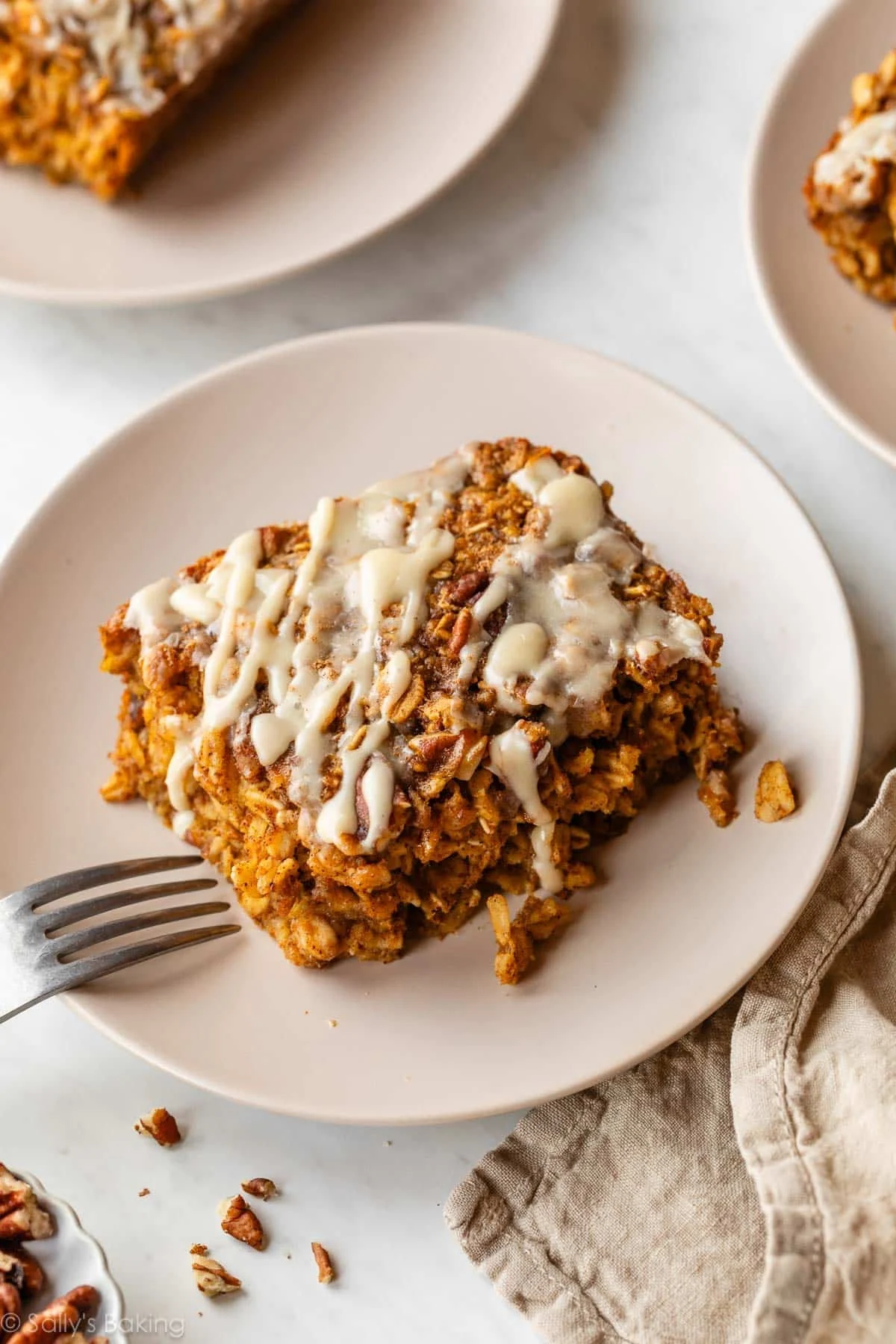

The Nutritional and Cultural Context of Baked Oats
Oatmeal has long been recognized as a cornerstone of cardiovascular health, with the American Heart Association frequently citing the benefits of soluble fiber—specifically beta-glucan—in managing cholesterol levels. However, traditional stovetop preparations often suffer from a lack of textural variety, leading to what some culinary researchers call "oat fatigue." The transition to baked oatmeal addresses this by incorporating binding agents like eggs and milk, which allow the mixture to set into a sliceable, cake-like form.
The inclusion of pumpkin is not merely a seasonal aesthetic choice; it is a nutritionally dense addition. Pumpkin is exceptionally high in Vitamin A, particularly in the form of beta-carotene, and contains significant amounts of potassium and fiber. When combined with traditional fall spices such as cinnamon, nutmeg, ginger, and cloves, the dish provides a thermogenic, comforting profile that aligns with the shift in metabolic needs during cooler months.
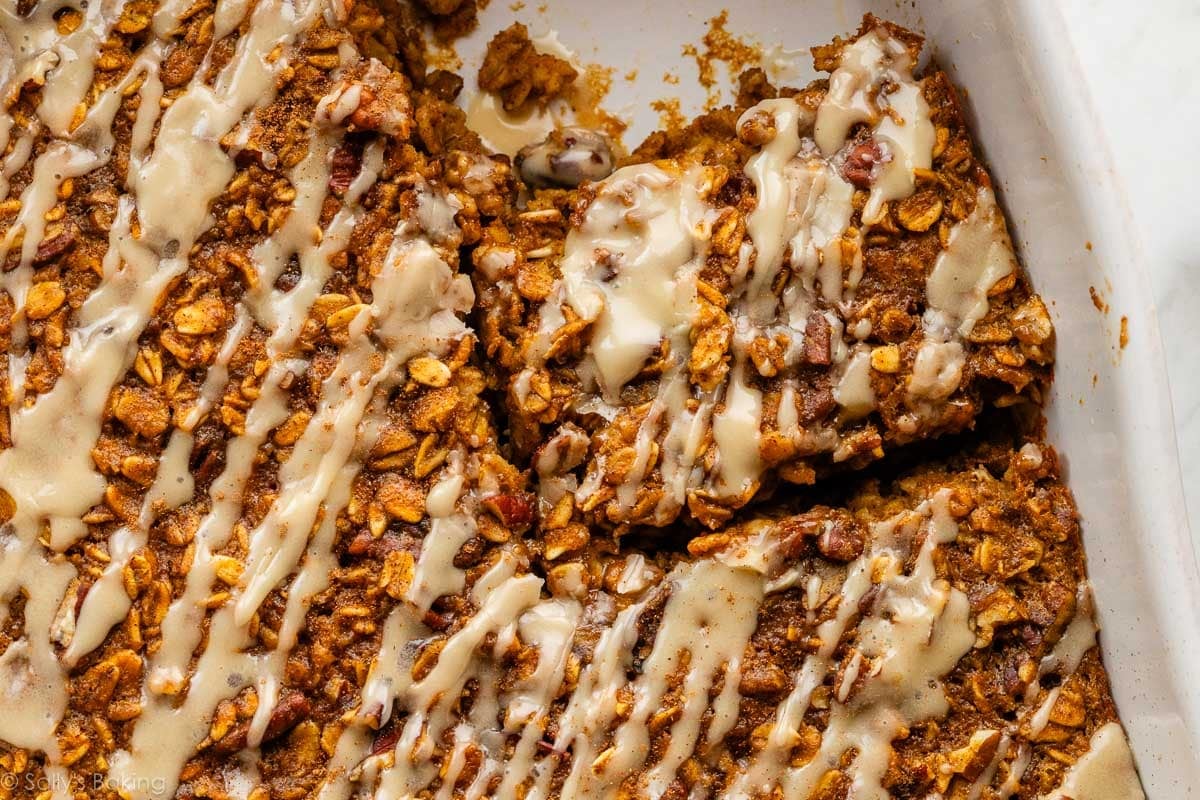
Chronological Development and Evolution of the Recipe
The methodology for creating baked oatmeal has evolved from rudimentary, improvised grain-bakes of the mid-20th century to the precise, one-bowl standardized recipes seen in modern kitchens. Historically, the process required multiple mixing vessels to manage wet and dry ingredients separately to ensure even leavening. Contemporary culinary techniques, however, have streamlined this process.
By the early 2010s, food technologists and home economics influencers began optimizing the one-bowl method. The current industry standard involves:
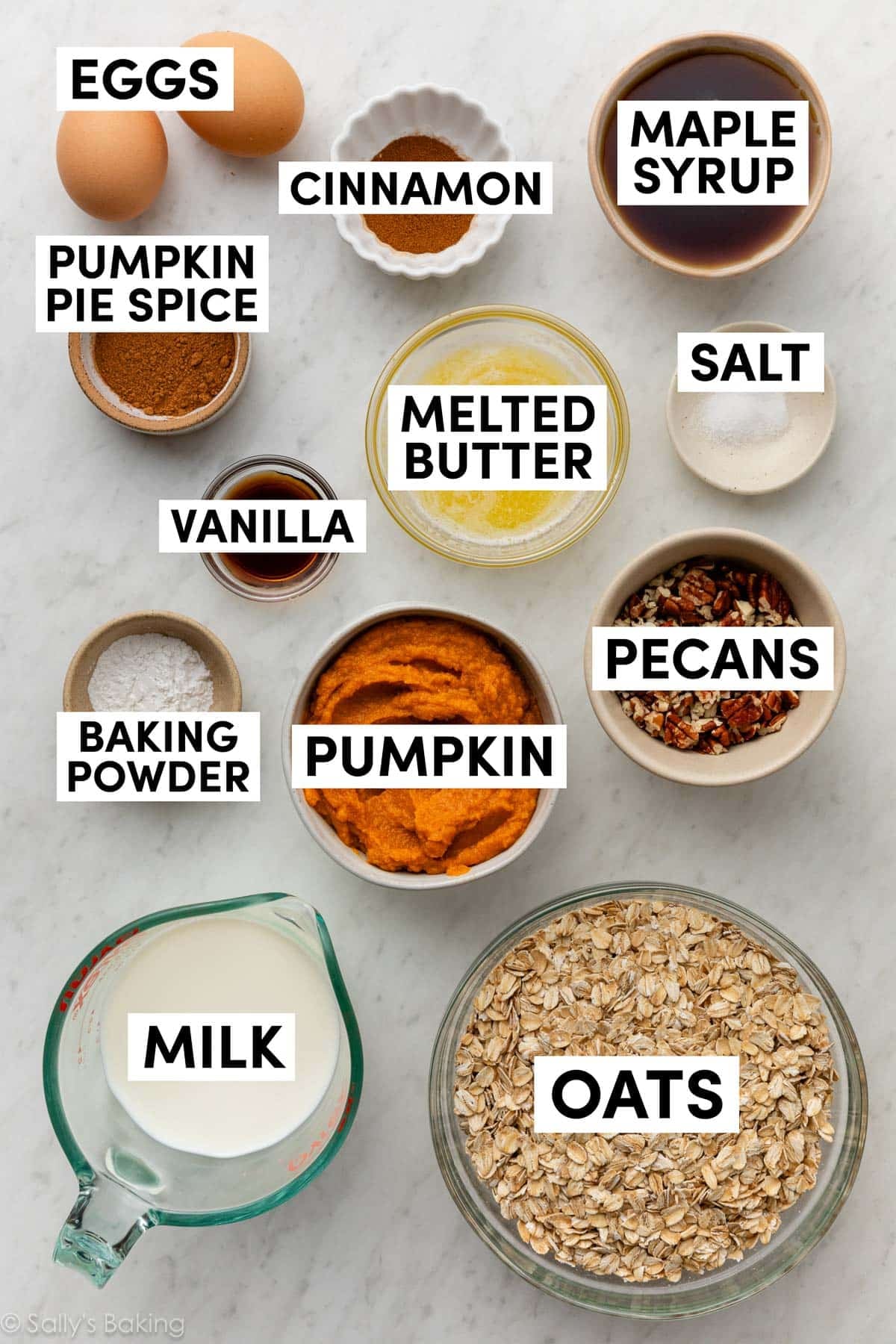
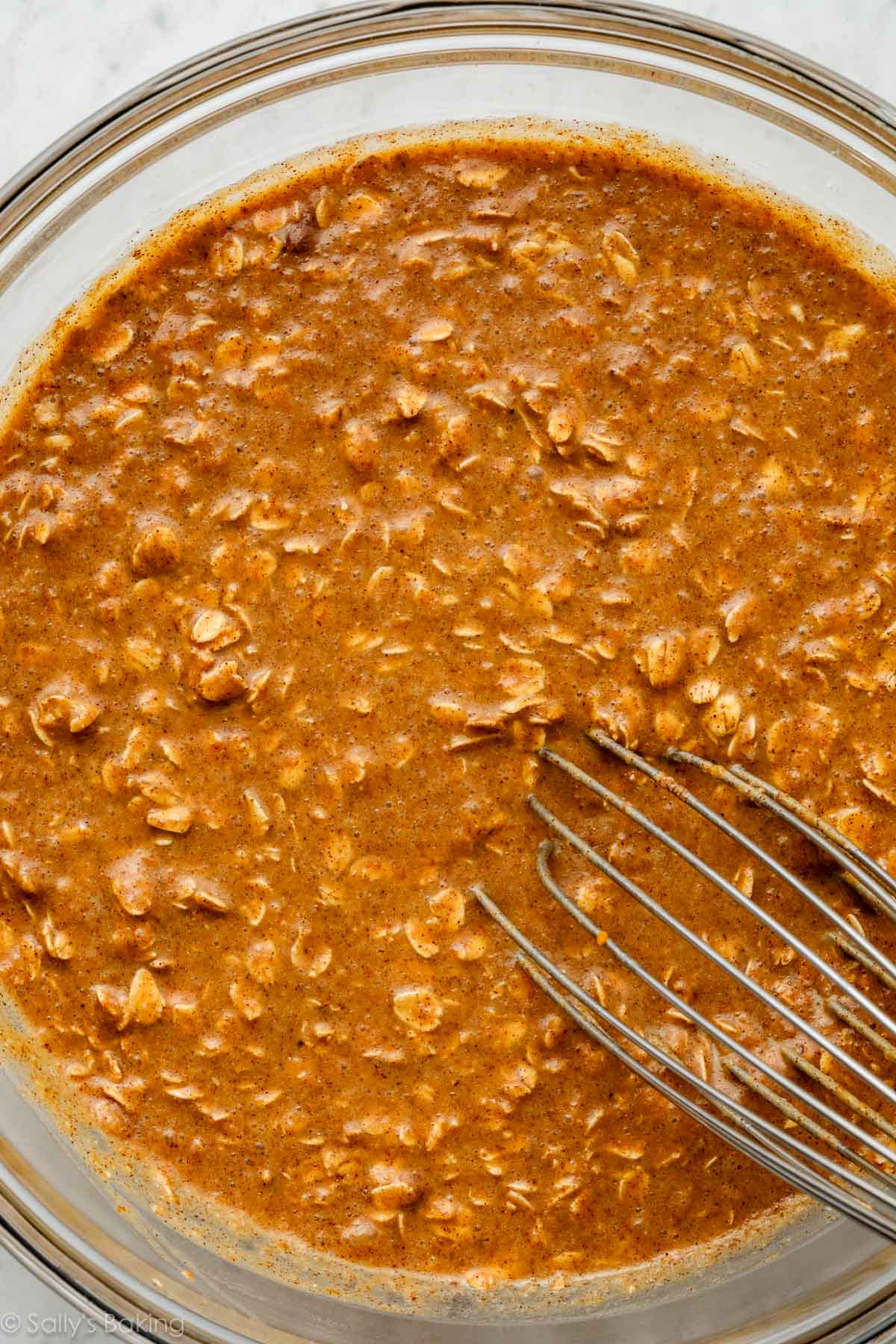
- The Binding Phase: Whisking eggs, milk, and pumpkin purée to establish an emulsion.
- The Incorporation Phase: Folding in rolled oats, leavening agents, and the essential pumpkin spice blend.
- The Setting Phase: A controlled bake at 350°F (175°C) for approximately 30 to 40 minutes.
This simplified timeline has drastically reduced the barrier to entry for home cooks, allowing for a "prep-on-Sunday, consume-all-week" cycle that fits modern work-life balance requirements.
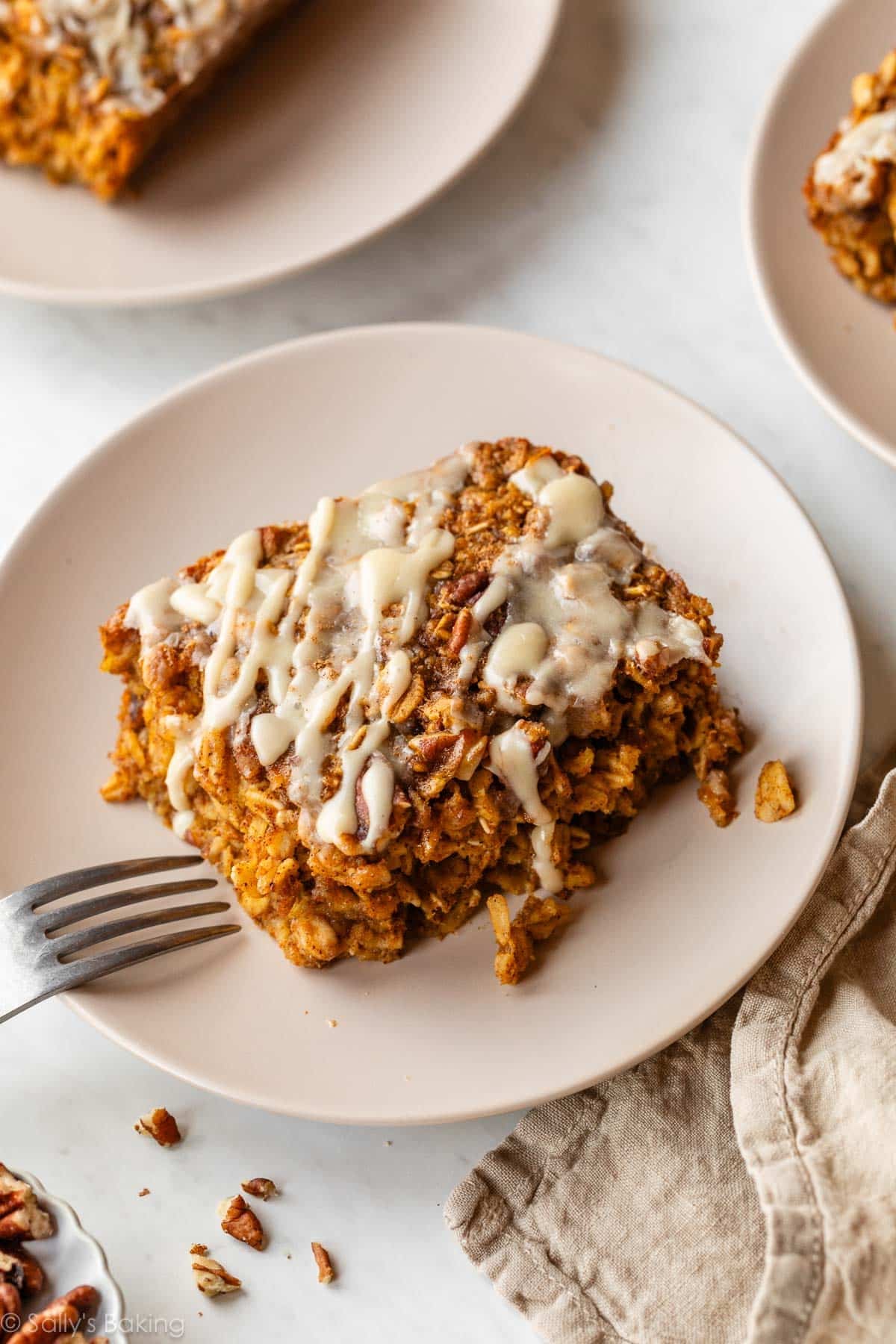
Supporting Data on Breakfast Trends
Market research conducted by the International Food Information Council (IFIC) indicates that 64% of consumers are actively seeking breakfast options that are both high in protein and fiber. Pumpkin-based baked goods have seen a 12% year-over-year increase in popularity during the Q4 period, driven by the dual desire for seasonal indulgence and health-conscious eating.
Furthermore, the "make-ahead" segment of the breakfast market has expanded significantly. According to data from culinary analytics firms, the search volume for "reheatable breakfast recipes" has spiked by 40% over the last three years, as individuals return to office environments and seek to avoid the reliance on processed, pre-packaged convenience foods. Baked oatmeal acts as an optimal bridge between convenience and quality, as it maintains its structural integrity when refrigerated for up to seven days and is freezer-stable for up to three months.
Technical Analysis: Achieving the Optimal Texture
The primary challenge in producing high-quality baked oatmeal lies in the Maillard reaction—the chemical reaction between amino acids and reducing sugars that gives browned food its distinctive flavor. While many bakers seek a deep, caramelized crust, the internal crumb of the oatmeal must remain hydrated.
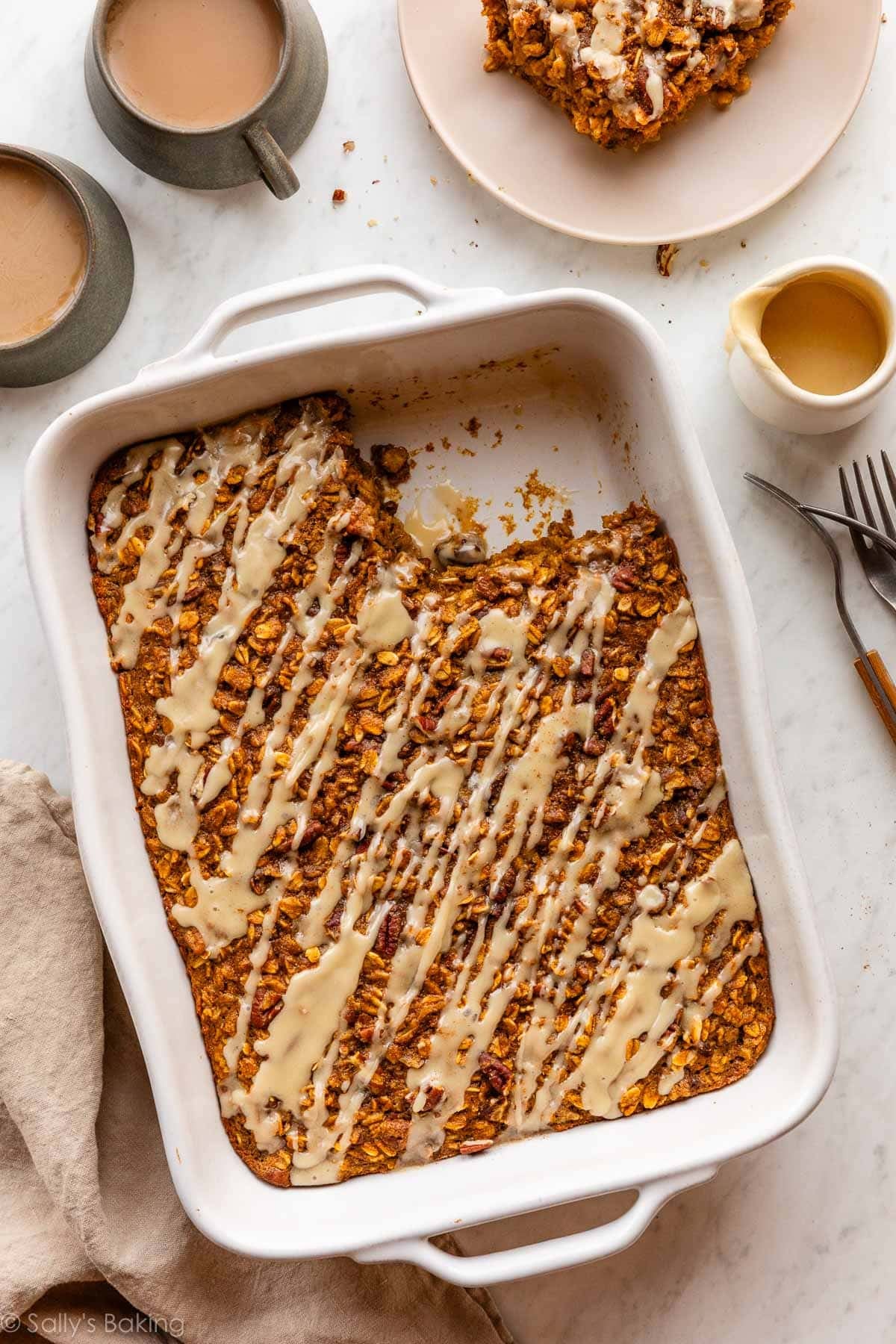
Culinary experts emphasize the importance of "controlled under-baking." By removing the dish from the heat source when the center remains slightly unstable, the residual heat completes the coagulation process without dehydrating the starches. This technique prevents the oats from becoming dense or gummy, a common failure point in large-batch breakfast bakes.
Professional Perspectives on Dietary Integration
Registered dietitians and nutritionists often highlight the versatility of this dish as a "base" for dietary customization. Because the core recipe is naturally low in refined sugars, it serves as a blank canvas.
"The beauty of a pumpkin-based oat bake is its adaptability to various dietary constraints," notes a spokesperson for a leading nutritional advocacy group. "By substituting dairy milk with almond or oat milk, the recipe becomes entirely vegan. By utilizing gluten-free certified oats, it serves a growing population with celiac disease or non-celiac gluten sensitivity. It is a rare example of a recipe that does not sacrifice flavor profile when modified for health requirements."
Broader Impact and Economic Implications
The shift toward at-home, high-value breakfast items has implications for grocery retail and the agricultural sector. The surge in demand for canned pumpkin and high-quality rolled oats—specifically old-fashioned, thick-cut varieties—has led to more stable supply chain pricing for these items in the autumn months.
From a sociological perspective, the resurgence of "hearth-style" cooking—where the oven is used as a primary appliance for meal prep rather than just dinner service—reflects a broader movement toward "slow living" in a high-speed world. Even though the actual labor time for a baked oatmeal recipe is less than 10 minutes, the act of baking creates a sensory environment that is often absent in the modern, microwave-centric breakfast culture.
Future Outlook and Culinary Variations
As interest in this category persists, culinary developers are beginning to experiment with advanced flavor profiles. Beyond the traditional maple-glaze topping, variations now include the addition of pepitas (pumpkin seeds) for crunch, dark chocolate shavings to mitigate the earthiness of the squash, and the inclusion of protein powders to satisfy the growing demand for high-protein breakfast items.
The scalability of the recipe is also noteworthy. While individual households benefit from the single-pan format, the development of "baked oatmeal cups"—essentially muffin-sized portions—has allowed for improved portability. This adaptation addresses the primary criticism of traditional baked oatmeal: its lack of ease for commuters. By moving to a portion-controlled format, the dish has successfully transitioned from a Sunday morning treat to a daily, on-the-go essential.
In summary, the pumpkin baked oatmeal phenomenon is not merely a passing trend, but a calculated response to the modern consumer’s demand for efficiency, nutritional density, and seasonal comfort. By leveraging simple, whole-food ingredients and a streamlined preparation process, this dish provides a replicable, high-quality solution to one of the most persistent daily challenges: providing a satisfying, healthy breakfast in an increasingly time-constrained environment. As the industry continues to monitor the intersection of home-cooking trends and nutritional science, it is clear that simple, fiber-rich, and flavor-forward recipes like this one will continue to play a pivotal role in the future of the American breakfast table.