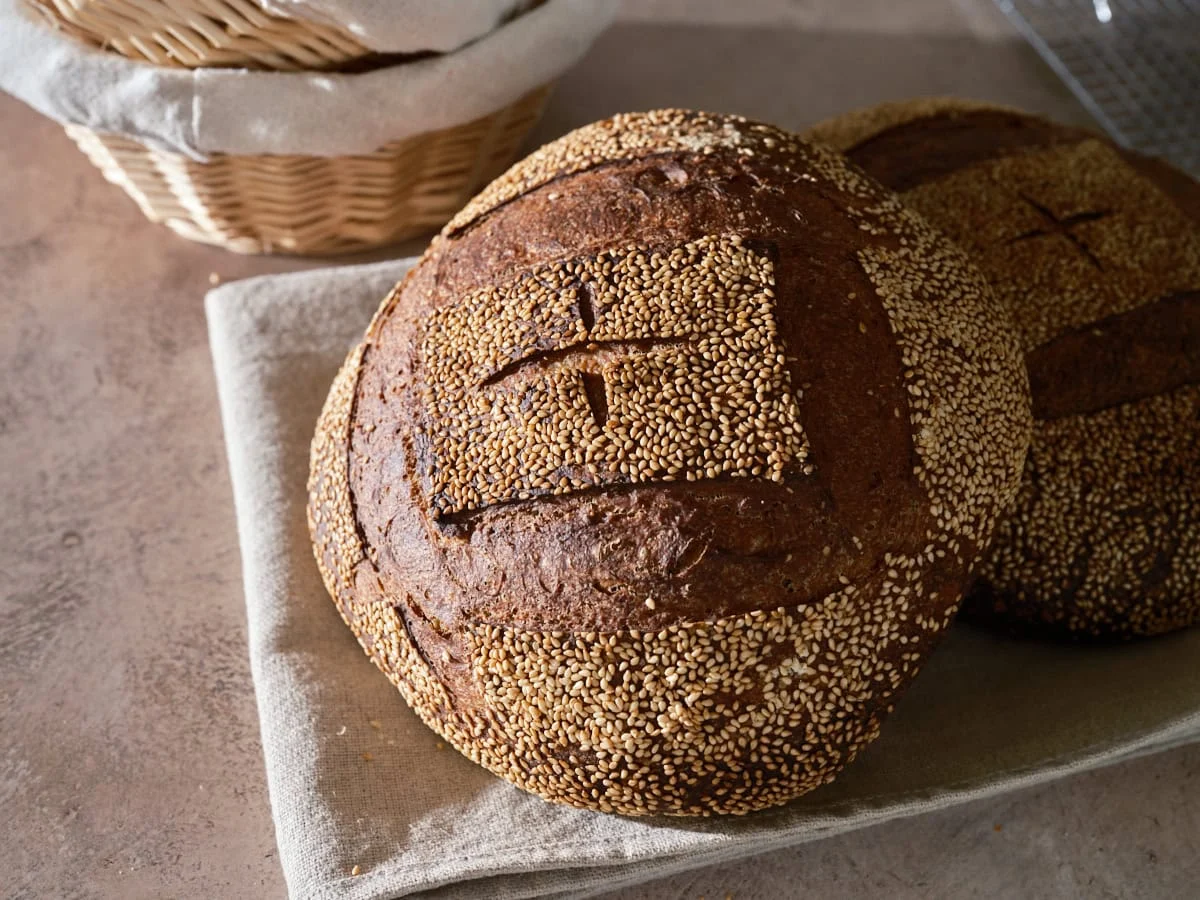

The intersection of artisan baking science and seasonal resilience has produced a notable new formulation in the home-baking community: a spice-forward, high-hydration sourdough that incorporates a flour scald, ground aniseed, and a high-extraction flour base. Developed to counteract the psychological and physical fatigue associated with prolonged winter conditions, this loaf utilizes technical dough-handling methods—specifically a buckwheat flour scald and precise temperature control—to achieve structural integrity and extended shelf life.
Artisan baking experts note that while frigid weather often deters culinary experimentation due to the challenges of managing ambient temperatures, it simultaneously drives bakers toward the oven. This particular recipe merges the aromatic properties of licorice-sweet anise with the earthy, mineral profile of buckwheat, culminating in a balanced flavor matrix designed to withstand cold-weather baking hurdles.
Technical Composition and Flour Selection
At the core of the recipe’s structural and flavor profile is the selection of milled grains. The formulation departs from standard white flour bases by employing a high-extraction wheat flour (Type 85), specifically Cairnspring’s Trailblazer, as the primary structural component. High-extraction flour retains a higher percentage of the grain’s original bran and germ compared to standard refined white flour, thereby increasing both the nutritional value and the depth of flavor without entirely sacrificing gluten network development.
To complement the high-extraction base, the formula integrates whole wheat flour from Camas Country Hard Red Wheat alongside organic buckwheat flour. While buckwheat introduces an intense earthiness and a distinct reddish-brown interior crumb color, it lacks the gluten-forming proteins found in wheat. Consequently, even in modest percentages, buckwheat can tighten the crumb structure. Bakers must balance this limitation with hydration management and mechanical mixing techniques.
The total formula yields two 900-gram loaves, totaling 1,800 grams of dough at a 75% baseline hydration level—escalating to approximately 83% when factoring in the moisture introduced during the flour scald process. The recipe requires 5.8% prefermented flour, 18.5% ripe levain, 5% barley malt syrup, and 0.6% ground aniseed, anchored by 2% fine sea salt.
The Science of the Flour Scald
A defining characteristic of this formulation is the implementation of a flour scald, a technique closely related to the Asian tangzhong or yudane methods commonly utilized in enriched sandwich breads. The process involves pouring boiling water over a portion of the buckwheat flour to gelatinize the starches completely, turning the mixture into a thick, highly aromatic paste.
Food science analysts highlight two primary benefits of this technique:
- Moisture Retention: The gelatinized starches trap free water within the dough matrix, significantly delaying the staling process and keeping the crumb soft for a longer duration.
- Flavor Enhancement: Scalding unlocks complex aromatic compounds within the grain, imparting a silky texture to the final crumb that cannot be achieved through standard autolyse phases alone.
This paste is subsequently integrated during the autolyse stage alongside the remaining high-extraction wheat flour, whole wheat flour, and initial water allocation, allowing the starches to harmonize with the broader protein network before the introduction of salt and levain.
Chronology and Two-Day Baking Schedule
The production schedule spans approximately 24 hours, structured to minimize active labor while maximizing fermentation efficiency through a cold-retardation phase. The timeline proceeds through a series of controlled checkpoints:
- 9:00 AM (Levain Preparation): High-extraction flour, water, and mature 100% hydration sourdough starter are combined in a ratio designed to ripen over a three-hour window at ambient room temperatures between 74°F and 76°F (23°C to 24°C).
- 9:10 AM (Flour Scald Preparation): Organic buckwheat flour is combined with boiling water to form the gelatinized paste, which is then covered and set aside.
- 11:00 AM (Autolyse): Flours, the prepared scald, and initial water are mixed until no dry fragments remain. The water temperature is calibrated using a thermal calculator to achieve a final dough temperature of 78°F (26°C).
- 12:00 PM (Mixing): Ripe levain, fine sea salt, and a secondary water allocation (bassinage) are incorporated. Due to the high hydration level, bakers can utilize mechanical spiral mixers—such as an Ooni Halo Pro—or execute manual kneading via slap-and-fold techniques to develop gluten elasticity.
- 12:30 PM to 3:30 PM (Bulk Fermentation): Over a three-hour bulk fermentation period at 74°F–76°F, the dough undergoes two sets of stretches and folds at 30-minute intervals to build directional strength.
- 3:30 PM (Pre-shaping): The dough is divided into two equal portions, gently rounded into loose balls on an un-floured or lightly floured surface, and rested uncovered for 30 minutes.
- 4:00 PM (Shaping): Loaves are shaped into taut rounds utilizing a "gather up" method to build top-surface tension, then inverted onto a bed of raw white sesame seeds to coat the exterior before being transferred seam-side up into round proofing baskets.
- 4:15 PM to 9:00 AM (Cold Proof): Baskets are sealed in plastic bags and placed in a refrigerator for an overnight cold retard, slowing enzymatic activity while enhancing flavor complexity.
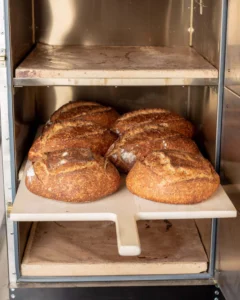
- 9:00 AM (Baking): Loaves are turned out onto parchment paper, scored, and baked inside preheated heavy-bottomed vessels (such as a Dutch oven or combo cooker) at 450°F (230°C). Steam is trapped for the initial 20 minutes to promote maximum oven spring before venting the vessel for an additional 30 minutes to develop a dark, caramelized crust.
Implications for Artisan and Home Baking
The release and documentation of this recipe reflect broader trends in contemporary home baking, where traditional European bread-making techniques are increasingly cross-pollinated with Asian starch-gelatinization methods and regional spice profiles. By integrating aniseed—a spice more commonly associated with confectionery or holiday pastries—into a daily-use sourdough, bakers are expanding the sensory boundaries of artisan bread.
Furthermore, the emphasis on high-extraction flours points to a growing consumer demand for nutrient-dense, flavorful alternatives to ultra-refined white flour without requiring the dense, heavy crumb traditionally associated with 100% whole grain loaves. As home bakers continue to refine temperature management and hydration calculations through digital tools and precision equipment, recipes like the scalded buckwheat and malt sourdough demonstrate how technical precision can elevate seasonal comfort foods into sophisticated culinary achievements.