
The onset of the academic year brings a predictable surge in logistical demands for families, characterized by complex scheduling, extracurricular commitments, and the perennial challenge of maintaining nutritional standards amidst a chaotic morning routine. As educational institutions reopen, the transition from summer leisure to structured daily operations often results in increased household stress, particularly regarding the preparation of nutritious, cost-effective, and safe meals for students. Nutritionists and public health experts have long emphasized that intentional meal planning is a primary mechanism for mitigating this stress while simultaneously improving dietary quality.
The Macro Impact of Nutritional Planning on Student Performance
Educational research consistently demonstrates a strong correlation between consistent, healthy nutrition and academic performance. According to data from the Centers for Disease Control and Prevention (CDC), students who consume balanced, nutrient-dense meals exhibit improved cognitive function, better concentration, and higher attendance rates. However, the convenience of processed, pre-packaged snacks often supersedes nutritional value during the morning rush.
The "back-to-school" season represents a distinct shift in the consumer landscape. Data from the National Retail Federation indicates that food and beverage expenditures for students rise significantly in late August and early September. By adopting a proactive meal prep strategy, families can shift from reactive, expensive, and often less healthy food choices toward a structured, sustainable system that functions throughout the semester.

Chronology of a Successful Weekly Prep Strategy
Establishing an effective meal preparation routine requires a disciplined timeline. The most successful protocols, as recommended by food safety authorities, follow a three-stage chronological approach:
1. The Planning Phase (Friday – Saturday):
Preparation should begin by auditing current pantry inventory and reviewing school schedules. Creating a comprehensive menu prevents impulsive, last-minute grocery purchases. During this phase, it is advisable to align meal selections with the specific storage capabilities available to the student, such as insulated lunch bags versus communal classroom refrigeration.

2. The Execution Phase (Sunday):
Designating a set window—typically two to three hours on a Sunday—allows for bulk preparation. This includes washing and portioning fruits and vegetables, batch-cooking proteins, and assembling modular meal components. This centralized approach reduces the daily burden, transforming a 30-minute morning task into a 30-second assembly process.
3. The Maintenance Phase (Daily):
Consistent monitoring of food temperature and hygiene is essential. According to the United States Department of Agriculture (USDA), perishable items should not remain in the "danger zone" (between 40°F and 140°F) for more than two hours. Effective packing, which includes the use of at least two cold sources, is a critical component of maintaining food safety from the home kitchen to the school cafeteria.
Addressing Food Safety and Hygiene Standards
A pivotal aspect of meal preparation that is frequently overlooked is the intersection of hygiene and food safety. A USDA study revealed that approximately 97% of individuals fail to follow proper handwashing protocols when preparing food, significantly increasing the risk of cross-contamination.
To ensure the safety of packed lunches, the following professional standards are recommended:

- Surface Sanitization: All cutting boards and utensils must be thoroughly sanitized, particularly after processing raw proteins such as poultry or eggs.
- Temperature Regulation: The use of high-quality insulated containers is mandatory. For cold items, ice packs or frozen hydration sources serve a dual purpose of keeping food safe and providing a chilled beverage by mid-day. For hot items, "pre-warming" a thermos with boiling water for five minutes before inserting food can increase heat retention duration by up to four hours.
- Ingredient Integrity: Foods high in moisture, such as leafy greens or cut fruits, should be stored in airtight containers to prevent premature spoilage.
Diverse Menu Strategies for Student Palates
Variety is essential to prevent "lunchbox fatigue." A balanced approach involves incorporating a mix of carbohydrates, proteins, and healthy fats.
Breakfast Innovations:
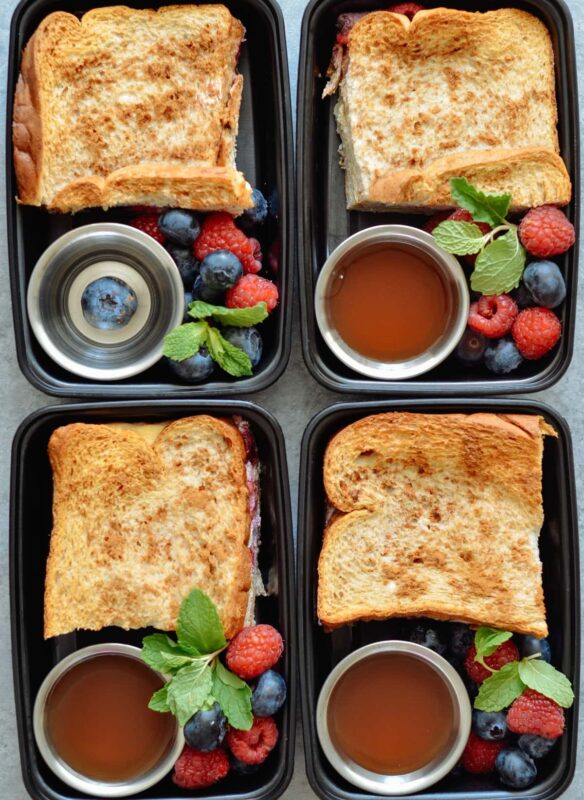
For students with limited time, portable breakfast options that can be pre-made include egg-based protein cups, overnight oats, or pancake stacks fortified with protein powder or flaxseeds. These items can be refrigerated for up to four days or frozen for longer-term storage, providing a heat-and-go solution that replaces sugary, store-bought cereal bars.

Lunch and Protein Boxes:
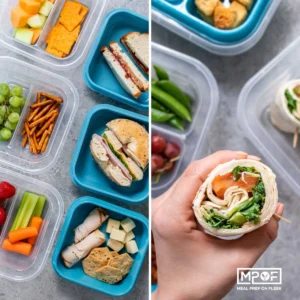
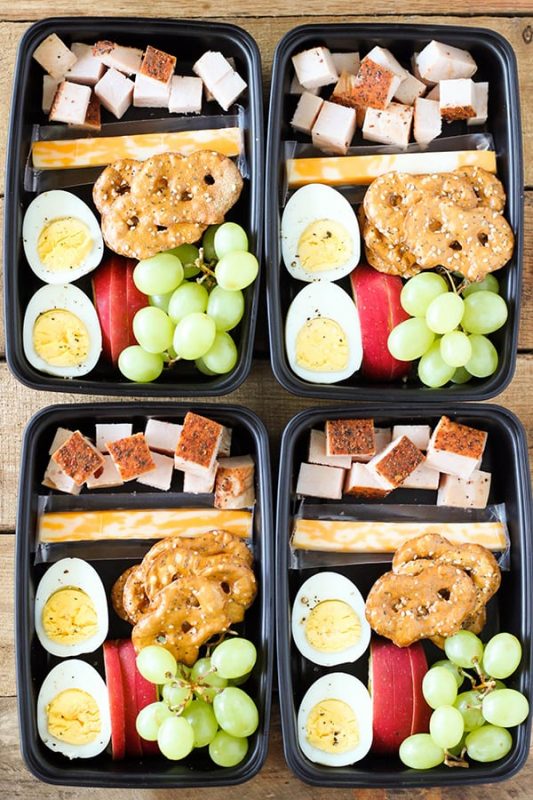
The "bento-style" approach—incorporating deli-style protein boxes featuring lean meats, cheeses, crackers, and vegetable sticks—allows for high customization. This method also empowers children to participate in the assembly process, which has been shown in behavioral studies to increase the likelihood of students actually consuming their packed meals.
Snack Optimization:
Moving away from shelf-stable, ultra-processed snacks is a priority for many health-conscious households. Alternatives include homemade hummus with seasonal vegetable sticks, trail mixes featuring raw nuts and dried fruits, or baked bars utilizing almond or peanut butter as a binding agent. These snacks provide sustained energy release, preventing the mid-afternoon blood sugar crashes associated with high-sugar snacks.
Supporting Professionals: The Case for Teacher-Specific Meal Planning
The challenge of meal preparation is not exclusive to students; educators often face even tighter time constraints. Teachers, who frequently manage large groups, rigorous grading schedules, and limited break times, require meal solutions that are portable and shelf-stable.
Recent initiatives have focused on developing specialized meal plans for school staff. These plans emphasize "no-reheat" options—meals that remain palatable at room temperature or can be consumed quickly in a breakroom setting. By reducing the cognitive load associated with daily food decisions, teachers can better focus their energy on pedagogical responsibilities.

Broader Implications and Long-Term Behavioral Shifts
The move toward home-based meal preparation carries broader implications for both household economics and public health. Families that master these skills report a measurable decrease in monthly food expenditures and a reduction in waste. Furthermore, by modeling these habits, parents facilitate the development of nutritional literacy in their children, fostering a long-term understanding of food sourcing and preparation.
As the school year progresses, the consistency of these habits is more important than perfection. The integration of meal prep into the weekly family routine is not merely a task of food logistics, but a fundamental building block for a productive, healthy, and focused academic environment. Whether one utilizes advanced batch-cooking techniques or simple, ingredient-focused assembly, the objective remains constant: to provide the necessary fuel for intellectual and physical development while navigating the complexities of the modern school calendar.