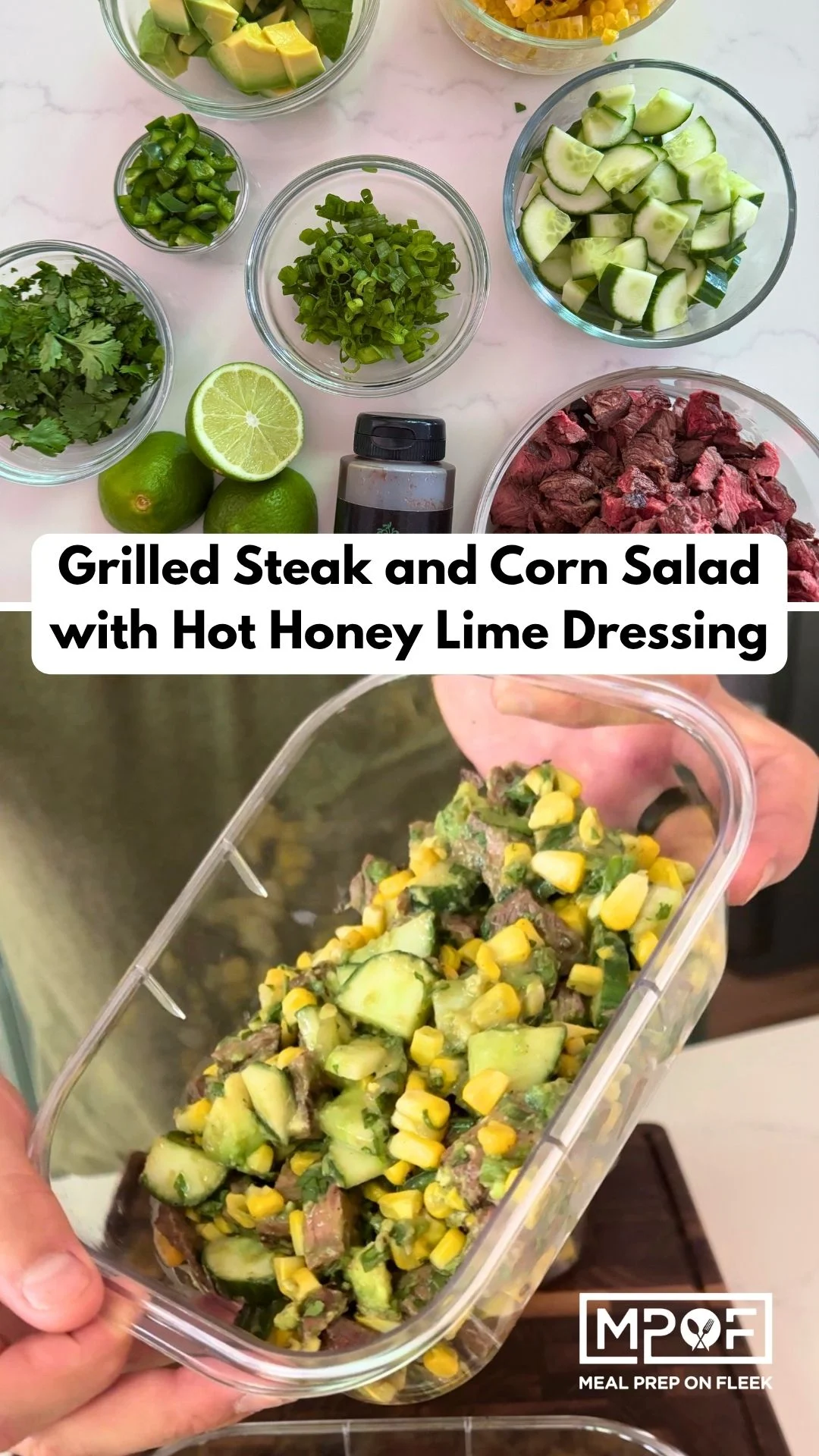

The culinary landscape has seen a significant shift toward high-protein, functional meal preparation as consumers increasingly prioritize nutrition density over traditional, leaf-heavy salad configurations. Among the emerging trends in the meal-planning sector is the "no-lettuce" salad—a dish that prioritizes texture, satiety, and longevity, moving away from delicate greens that degrade rapidly in storage. This particular recipe, which centers on grilled steak and charred corn, represents a modern approach to home cooking that favors shelf-stable, high-fiber, and nutrient-rich components.
The Evolution of Modern Meal Prep
For decades, the standard nutritional recommendation for a "light" lunch has centered on leafy greens. However, from a food science perspective, lettuce—particularly varieties like romaine or iceberg—is composed of over 95% water. This high water content makes the leaves susceptible to enzymatic browning and wilting when exposed to acidic dressings or ambient temperatures within a refrigerated container.
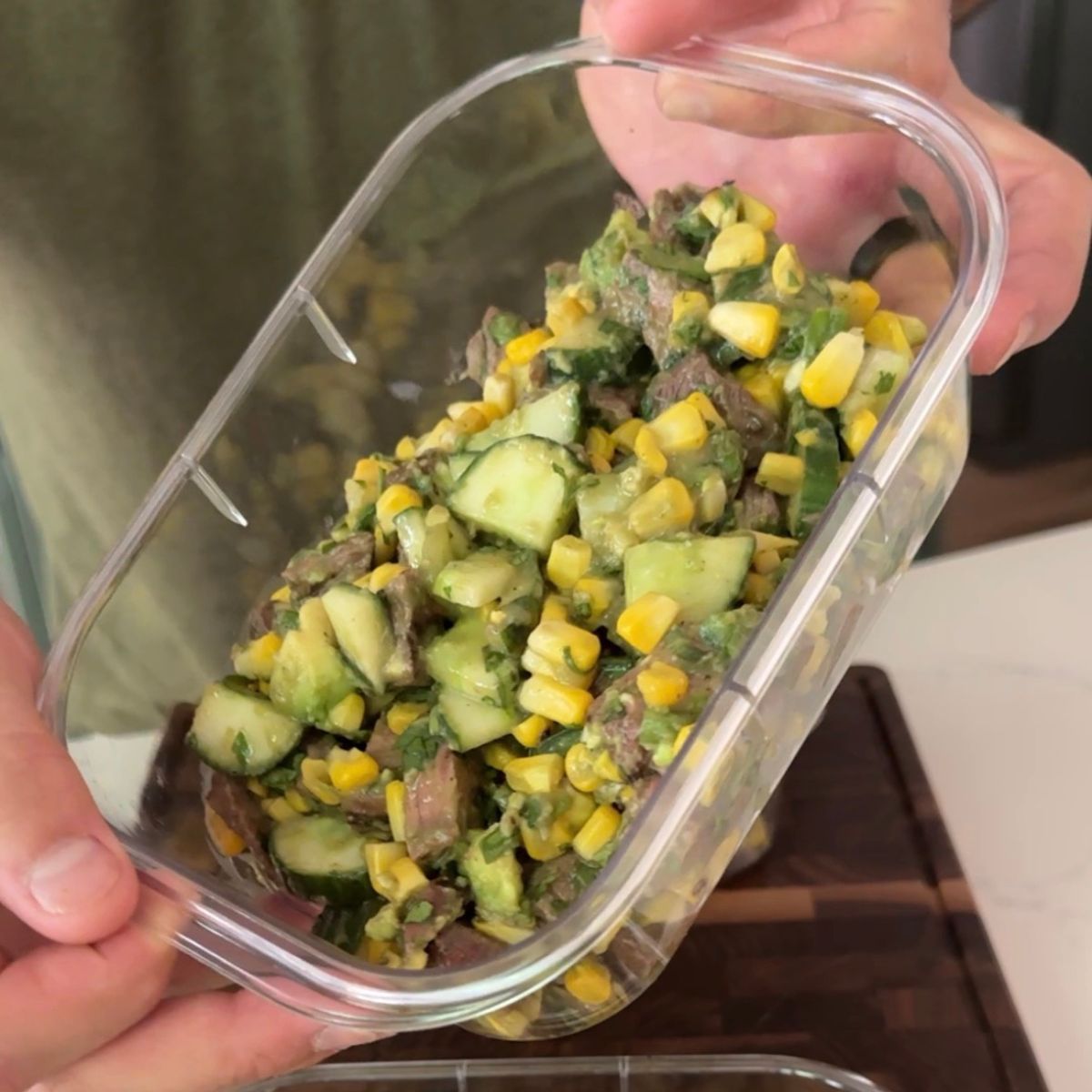
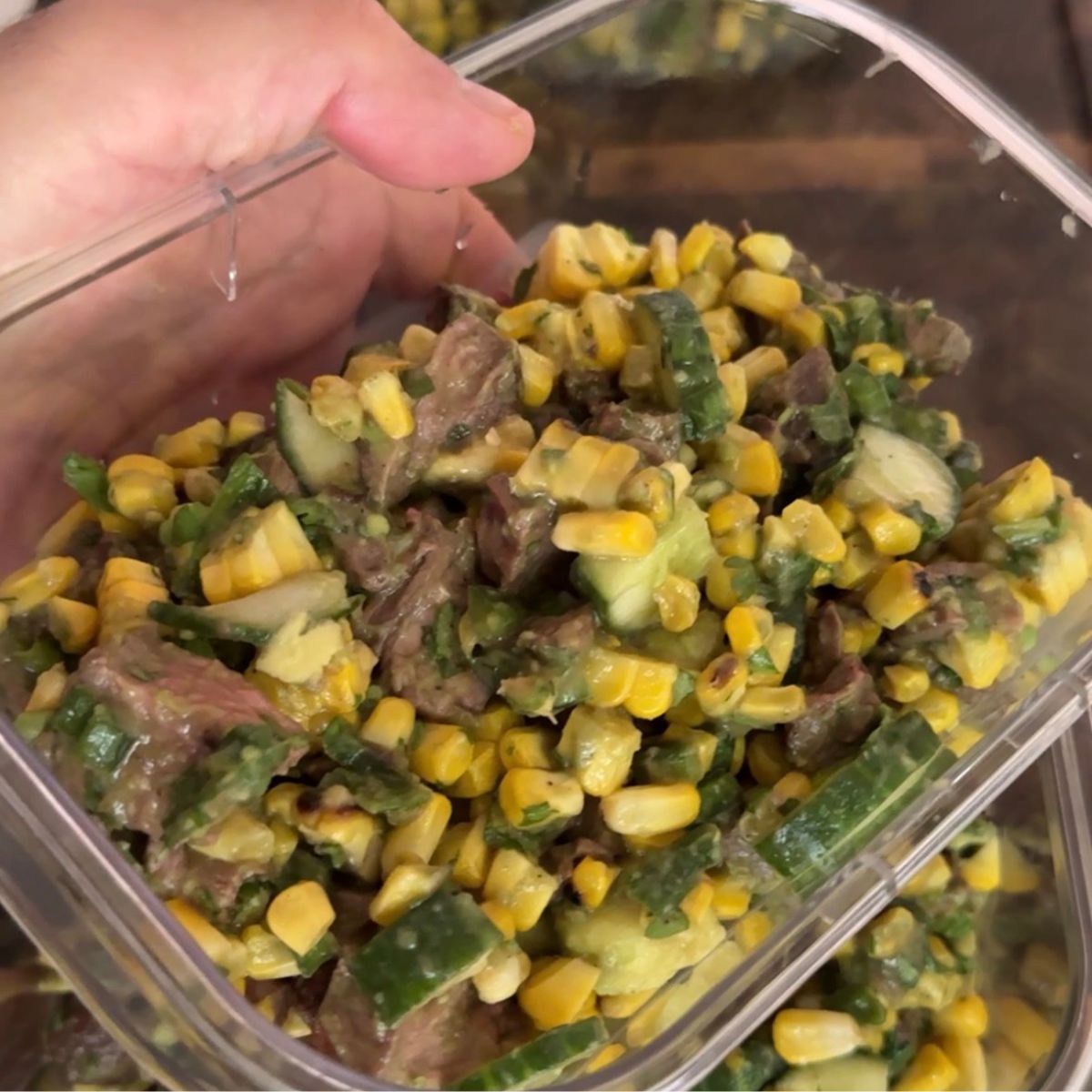
The Grilled Steak and Corn Salad shifts the focus toward cruciferous and hardy vegetables. By utilizing cucumber, corn, and avocado, the dish maintains its structural integrity for up to four days. This evolution in recipe design aligns with the broader meal-prep movement, which seeks to minimize food waste while maximizing the protein-to-calorie ratio, a critical factor for individuals managing fitness-related nutrition goals.
Nutritional Composition and Macro-Nutrient Analysis
This recipe is engineered for high protein intake, which is essential for muscle protein synthesis and prolonged satiety. A standard serving of this dish provides a balanced profile of macronutrients. The steak offers high-quality amino acids, while the corn provides complex carbohydrates and fiber. Avocado introduces monounsaturated fatty acids, which facilitate the absorption of fat-soluble vitamins (A, D, E, and K) present in the cilantro and jalapeño.
Recent data from the American Dietetic Association suggests that "bowl-based" meals, which prioritize a foundation of proteins and fats over simple carbohydrates, can assist in stabilizing blood glucose levels throughout the workday. Unlike traditional salads that often result in post-meal energy slumps due to a lack of substance, this specific combination of steak and corn provides a sustained caloric release.
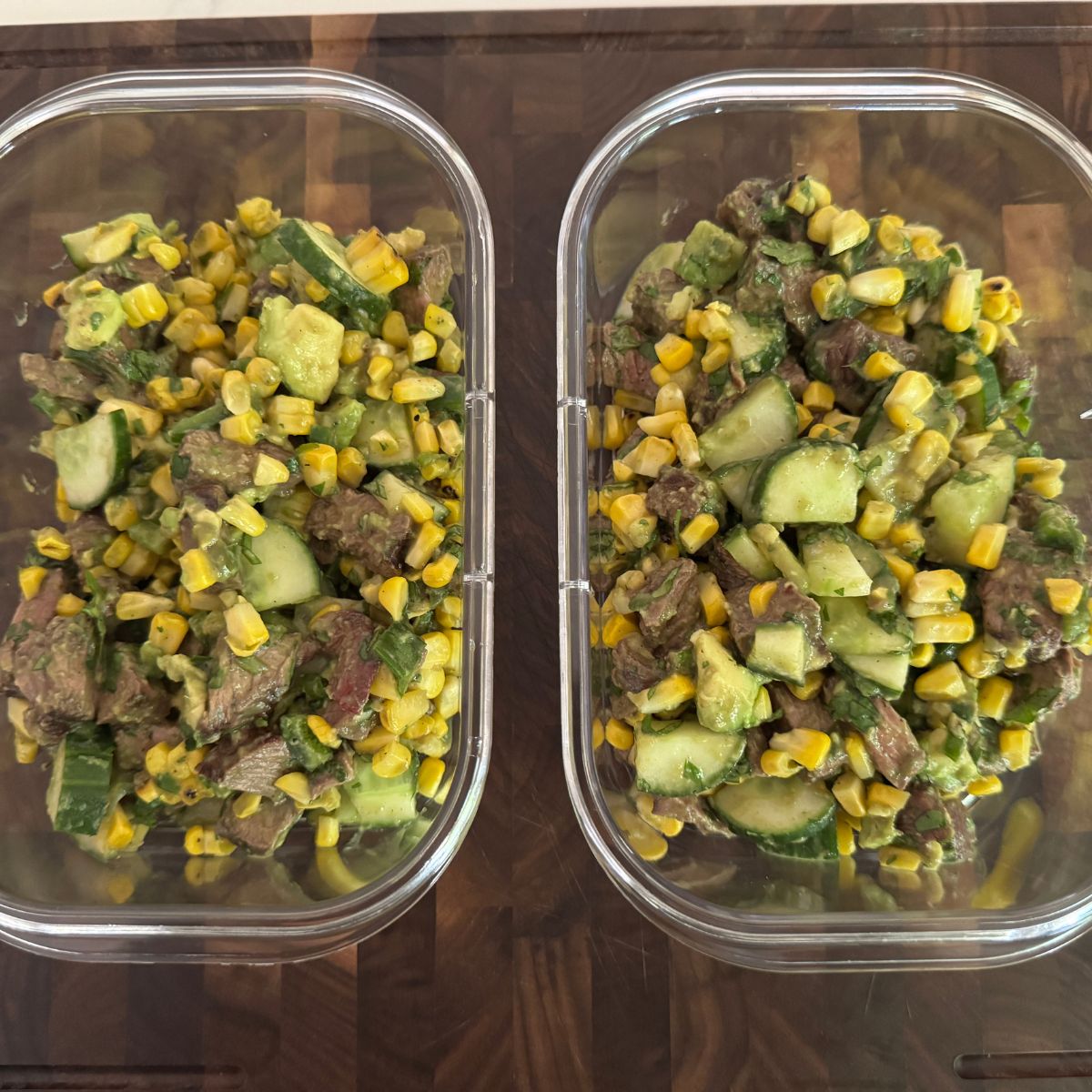
Chronological Preparation Workflow
Achieving the optimal flavor profile for this dish requires a structured approach to heat management. The preparation process can be broken down into distinct phases:
- Thermal Preparation (Grilling): The grill should be preheated to between 425°F and 450°F. This range is critical for the Maillard reaction—a chemical reaction between amino acids and reducing sugars that gives browned food its distinctive flavor.
- Protein Searing: Steak should be patted dry to ensure surface moisture does not inhibit the formation of a crust. It is recommended to limit movement on the grill to allow the protein fibers to contract and release naturally from the grates.
- Vegetable Charring: The corn requires approximately 8 to 10 minutes of direct heat. This process caramelizes the natural sugars in the kernels, creating a smoky depth that complements the heat of the dressing.
- The Cooling and Resting Period: A mandatory rest period of 5 to 10 minutes for the steak is required to ensure that the internal juices redistribute throughout the muscle fibers. Cutting the meat prematurely results in the loss of these fluids, leading to a drier texture.
- Assembly and Emulsification: The dressing—a mixture of lime juice, hot honey, and olive oil—acts as an emulsifier. The acidity of the lime cuts through the richness of the steak, while the capsaicin in the honey provides a palate-stimulating effect.
Expert Guidelines on Meat Processing
A key technical aspect of this recipe involves the mechanical breakdown of the steak. Culinary experts emphasize the importance of "slicing against the grain." Muscle fibers in tougher cuts, such as flank or skirt steak, run in parallel lines. By cutting perpendicularly to these lines, the cook effectively shortens the muscle fibers, resulting in a more tender mouthfeel. This technique is non-negotiable for ensuring the quality of the final product, particularly when intended for meal prep where the meat may be consumed cold or reheated.
Implications for Home Food Safety and Storage
One of the most significant challenges in modern meal prep is the degradation of ingredients during the storage window. This salad addresses this via the separation of components. The "hot honey lime" dressing, if applied too early, would begin to break down the cellular structure of the avocado and cucumber.
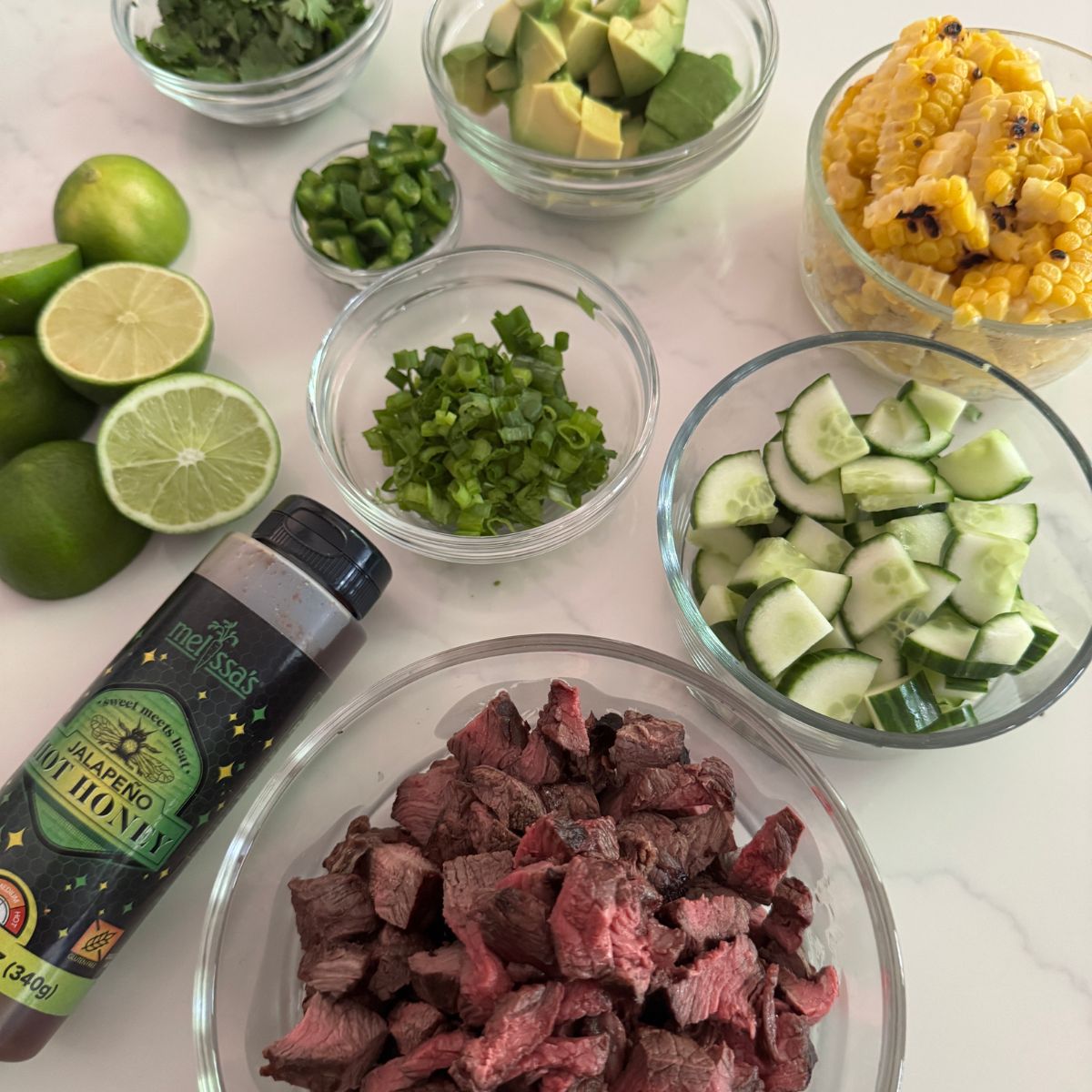
According to guidelines from the USDA Food Safety and Inspection Service, perishable prepared meals should be held at or below 40°F. By maintaining the avocado and the dressing in separate, airtight containers, the integrity of the salad is preserved for the maximum recommended duration of 3 to 4 days. This method of component separation is becoming the industry standard for commercial and home meal-prep services alike, as it prevents the soggy texture associated with mass-prepped salads.
Broader Impact of Ingredient Versatility
The flexibility of this recipe allows for significant individual customization, which is a hallmark of sustainable long-term dietary habits. For instance, the use of frozen corn as an alternative to fresh is not merely a convenience factor but a nutritional choice; frozen corn is often flash-frozen at the peak of its nutritional ripeness, locking in vitamins that may degrade during the shipping process of fresh produce.
Furthermore, the substitution of the protein source—such as using chicken breast or a plant-based protein like seitan—demonstrates the "formulaic" nature of this meal. By focusing on the structural components (protein, starch, fat, and acid) rather than rigid ingredient lists, consumers are better equipped to adapt the meal to seasonal availability or dietary restrictions.
Conclusion
The move away from lettuce-based salads toward more robust, nutrient-dense preparations is indicative of a broader shift in consumer behavior. As individuals demand more from their meals—specifically in terms of protein content, storage longevity, and flavor complexity—recipes like the Grilled Steak and Corn Salad provide a viable blueprint. By leveraging the principles of proper thermal processing, anatomical meat preparation, and strategic ingredient storage, home cooks can create meals that not only survive the transition from prep-day to consumption-day but actually improve in flavor as the ingredients marry. This dish serves as a testament to the fact that simplicity, when grounded in proper technique, remains the most effective tool in the kitchen.