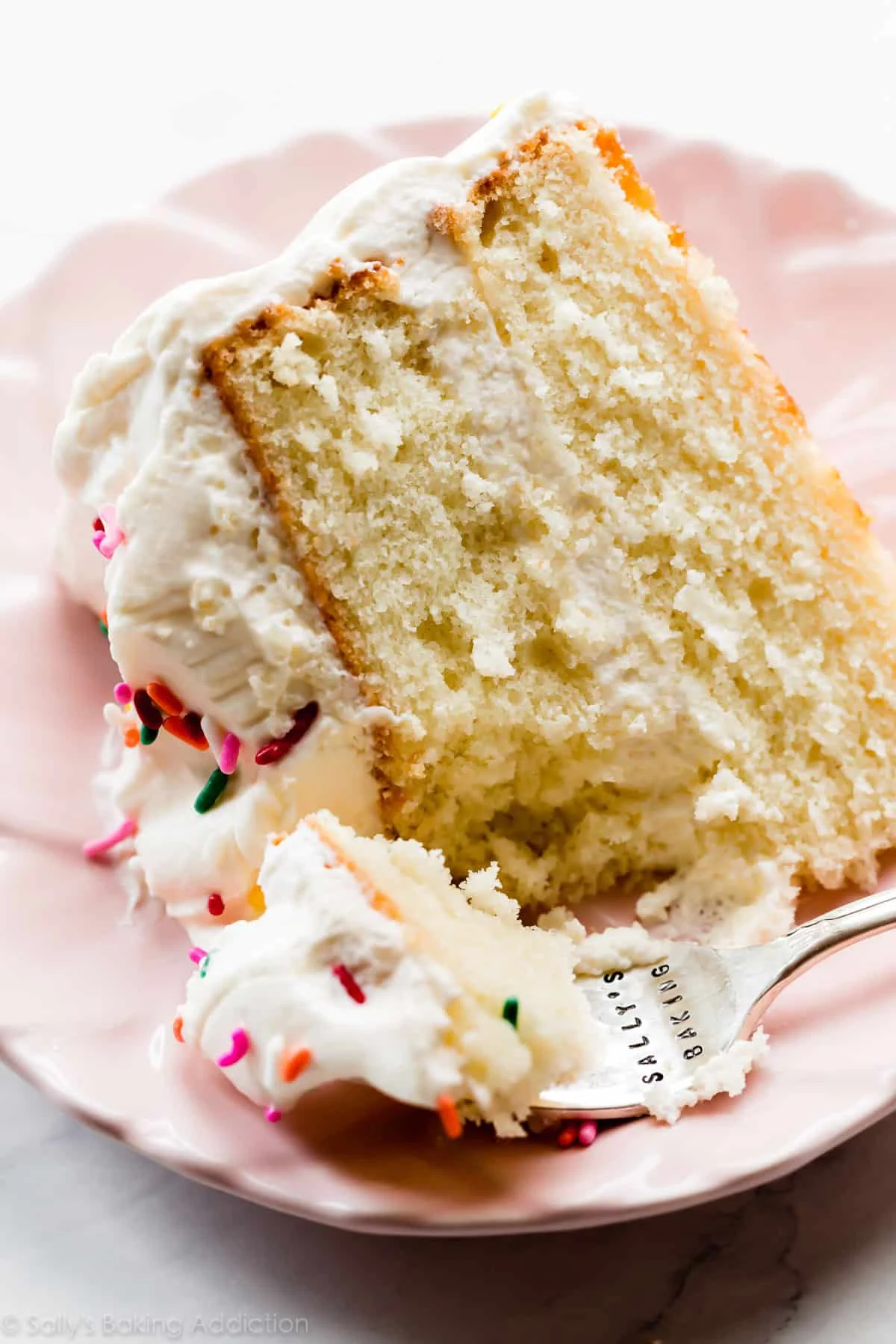

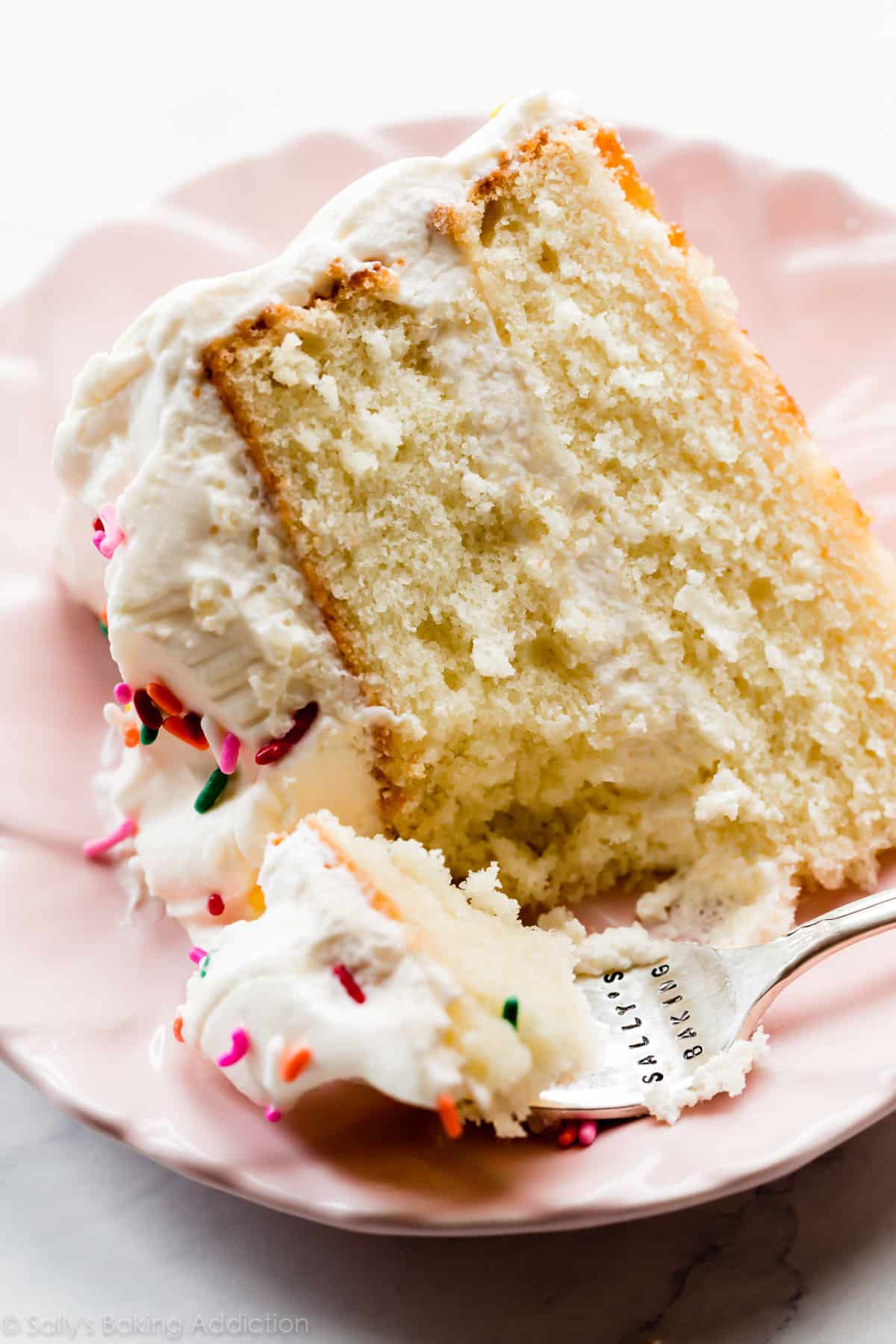
A new approach to dessert embellishment has garnered significant attention within the baking community, offering a lighter, less saccharine alternative to traditional American-style buttercream. Titled "Not-So-Sweet Whipped Frosting," this recipe, initially published in 2022 and subsequently updated with refined success tips, has positioned itself as a compelling option for both amateur and experienced bakers seeking a balance between indulgence and moderation. The development addresses a pervasive consumer complaint regarding the often cloyingly sweet and heavy nature of conventional frostings, presenting a solution that prioritizes a delicate texture and nuanced flavor profile.

The Evolution of Frosting: A Response to Changing Palates
For decades, American buttercream has been the ubiquitous choice for cakes and cupcakes, renowned for its simple preparation and robust structure. Typically composed of powdered sugar, butter, milk, and vanilla, its high sugar content and dense fat profile deliver a rich, sweet experience. However, a noticeable shift in consumer preferences over the past decade has seen a growing demand for less sugary desserts and lighter textures. This trend is not merely anecdotal; market research indicates a sustained interest in "reduced sugar" and "lighter" food options across various categories, including baked goods. A 22% increase in new product launches featuring "reduced sugar" claims was observed between 2018 and 2023, reflecting a broader public health consciousness and a desire for more balanced dietary choices. This culinary landscape provides the perfect context for the emergence and appeal of the Not-So-Sweet Whipped Frosting.

The recipe’s creator, a prominent figure in the online baking sphere, identified this gap in the market for a frosting that could offer the stability and pipeability of buttercream without its characteristic sweetness and density. The initial publication in 2022 marked a significant step in this direction, providing a foundation that has since been refined. The subsequent updates, incorporating "additional success tips to help guarantee perfectly thick and creamy frosting," underscore an iterative development process driven by user feedback and a commitment to optimal results. This continuous refinement is characteristic of modern digital culinary platforms, where recipes evolve in real-time based on community engagement and practical application.
Deconstructing the "Not-So-Sweet" Formula: Four Key Ingredients
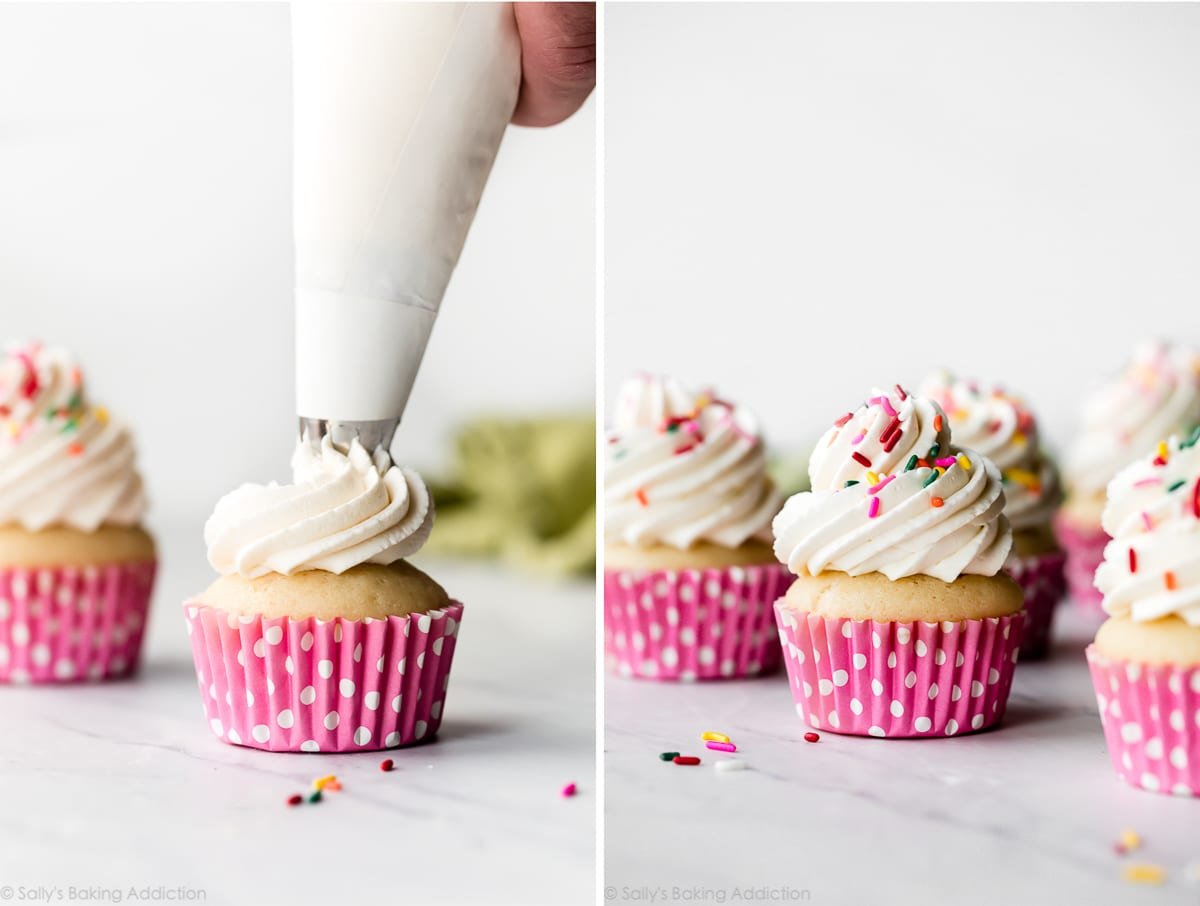
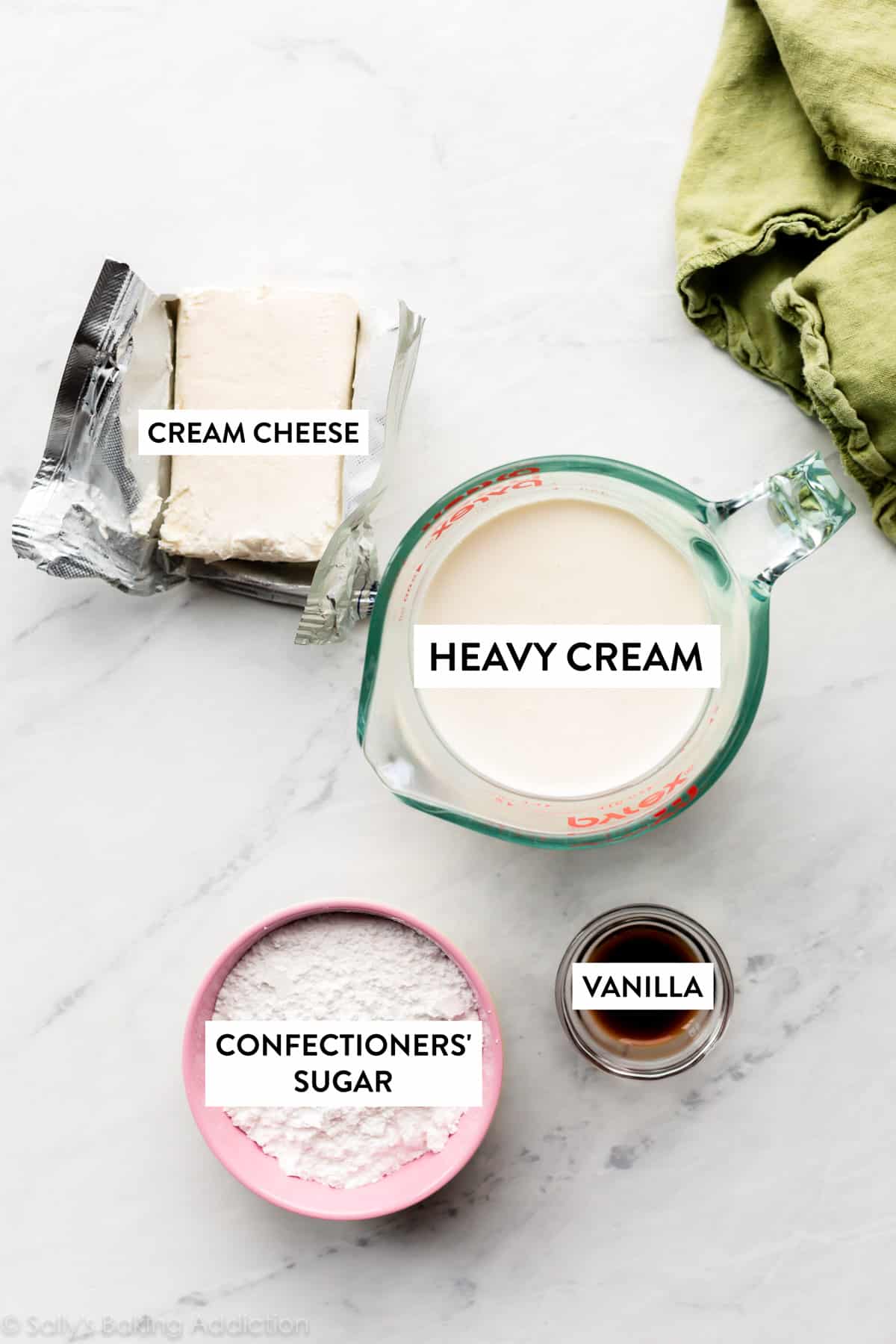
The simplicity of the Not-So-Sweet Whipped Frosting is one of its most compelling attributes, requiring only four core ingredients: cream cheese, confectioners’ sugar, heavy cream, and vanilla extract. This minimalist approach stands in stark contrast to the often more complex preparations of other stable frostings like Swiss Meringue Buttercream, which typically involves heating egg whites and sugar to precise temperatures. The careful selection and precise application of these four components are critical to achieving the desired outcome – a frosting that is "fabulously creamy and fluffy, but still holds its shape when piped."
-
Full-Fat Cream Cheese: This ingredient is the cornerstone of the frosting’s unique structure and flavor. Unlike traditional whipped cream, which relies solely on the fat globules in heavy cream for stability, the cream cheese provides an additional emulsifying agent and body. Its inherent tang subtly balances the sweetness from the confectioners’ sugar, contributing to the "not-so-sweet" profile. For optimal results, the cream cheese must be full-fat and brought to room temperature before mixing. This ensures it beats smoothly, preventing lumps and promoting a uniform texture when combined with other ingredients. The fat content in full-fat cream cheese (typically around 33% by weight) is crucial for both flavor and structural integrity, differentiating it from lighter varieties that may yield a less stable product.

-
Confectioners’ Sugar (Powdered Sugar): While the aim is a "not-so-sweet" frosting, a measured amount of confectioners’ sugar is essential for both flavor and texture. Its fine grind allows it to dissolve seamlessly into the cream cheese, contributing to the silky-smooth consistency. Crucially, confectioners’ sugar often contains a small amount of cornstarch (typically 3-5%), which acts as an anti-caking agent and further aids in stabilizing the frosting, preventing it from weeping or deflating over time. This subtle stabilizing effect is a key differentiator from simple whipped cream, which lacks this structural reinforcement.
-
Cold Heavy Cream (Heavy Whipping Cream): The "whipped" aspect of the frosting is predominantly derived from heavy cream. The cream must be very cold (ideally chilled to below 40°F or 4°C) to whip effectively. Heavy cream, by definition, contains at least 36% milkfat (compared to whipping cream’s 30-36%). This higher fat content allows the cream to trap air more efficiently when whipped, creating a voluminous, airy texture. The gradual incorporation of the cold cream into the cream cheese mixture is a critical step, preventing the mixture from becoming grainy or splitting, and ensuring the final product achieves stiff peaks.
-
Vanilla Extract: Beyond its aromatic qualities, vanilla extract serves as a flavor enhancer, complementing the subtle tang of the cream cheese and the richness of the cream. High-quality vanilla extract can elevate the overall sensory experience, adding depth and warmth to the frosting without overpowering the delicate balance of flavors.
The recipe’s scalability is another practical advantage, allowing bakers to easily adjust quantities based on their needs. The ratio of 2 ounces (57g) of cream cheese to 1/4 cup (30g) of confectioners’ sugar and 1/2 cup (120g/ml) of heavy cream provides a clear guideline for scaling up or down, making it adaptable for various baking projects, from a single batch of cupcakes to a multi-tiered celebration cake.
Technique and Troubleshooting: Mastering the Whip
The preparation process for this whipped frosting is deceptively simple, mirroring techniques found in no-bake cheesecakes, yet with a crucial difference in the order of ingredient incorporation. The "magic" lies in combining ingredients in specific stages to build stability and achieve the ideal airy texture.
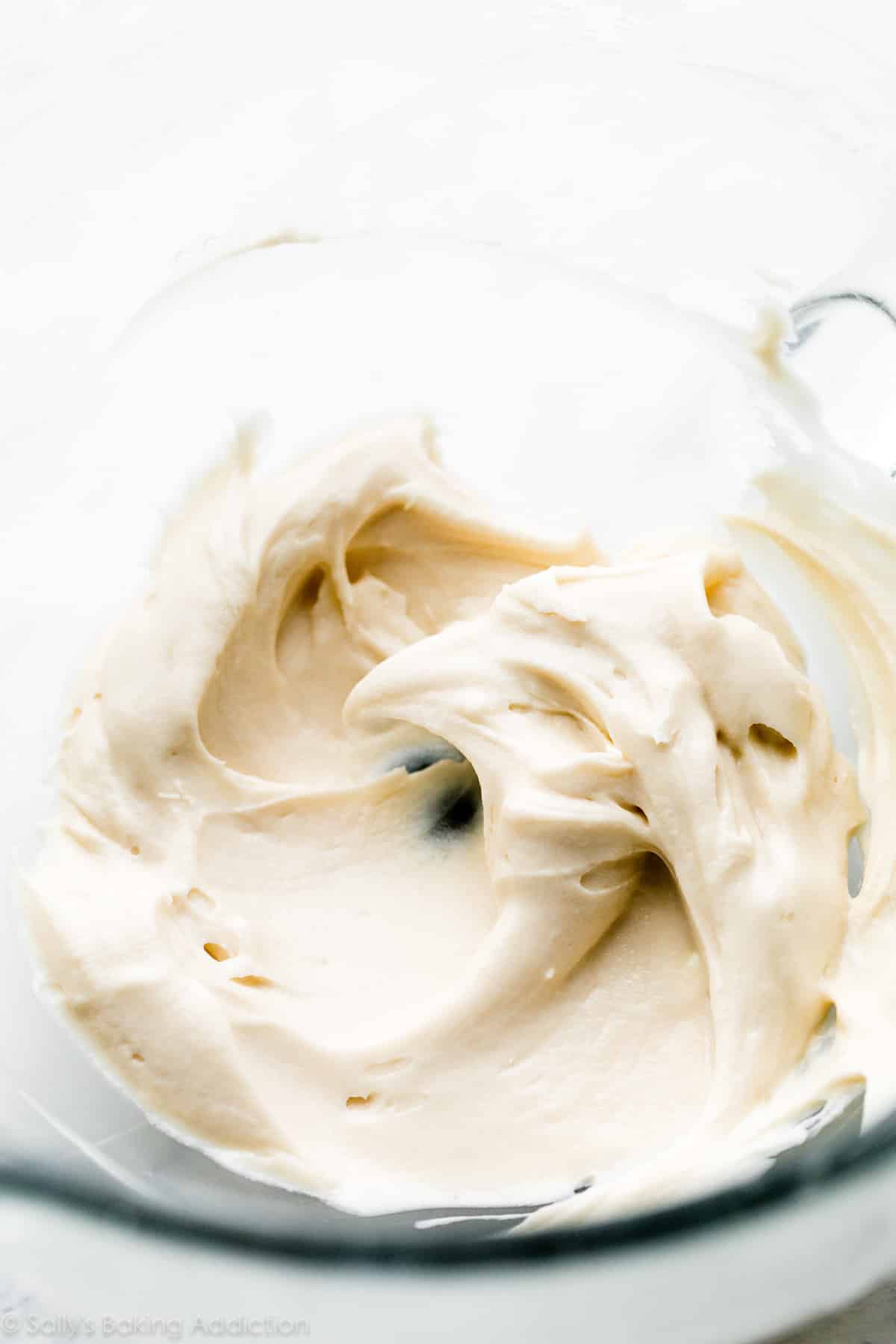
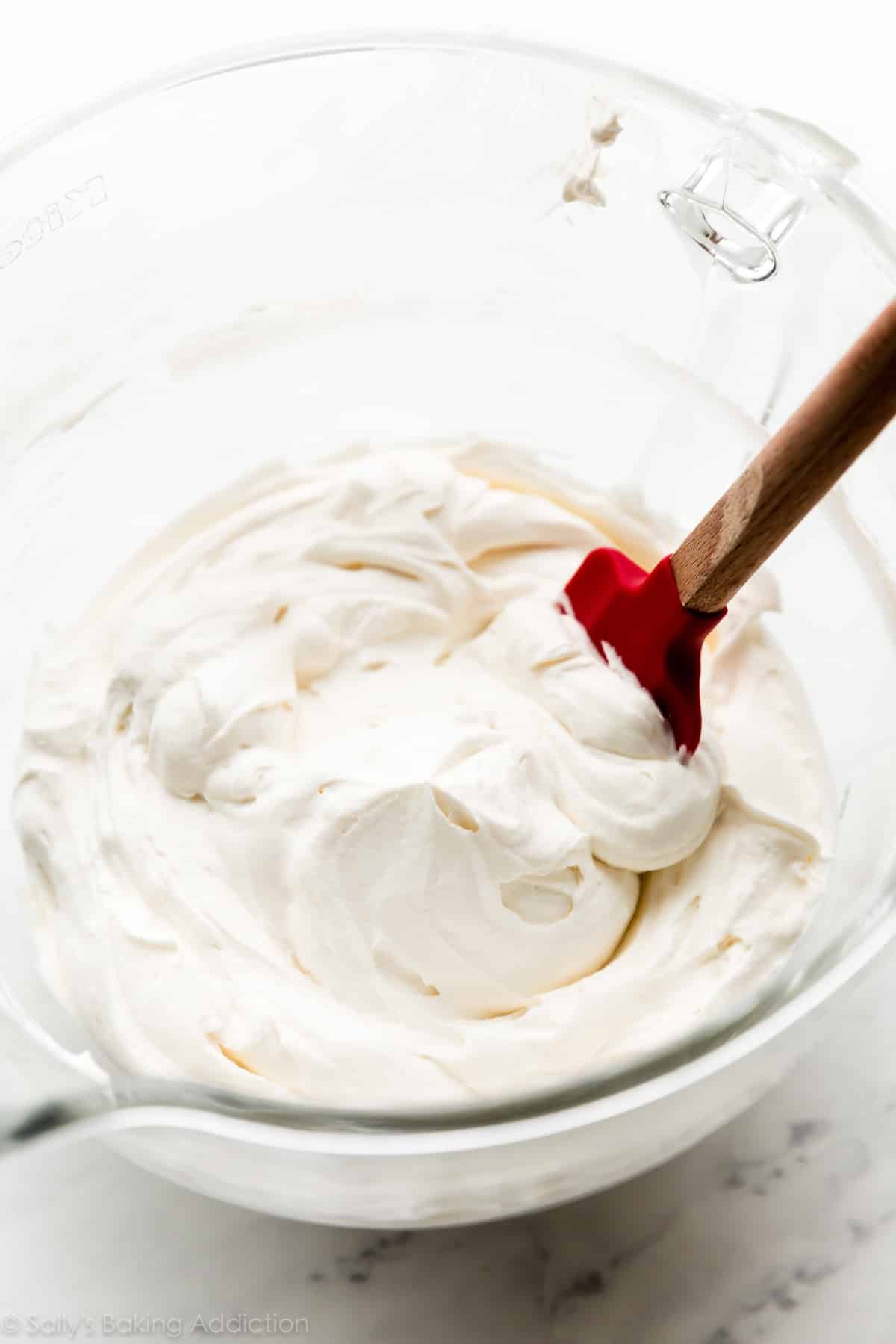
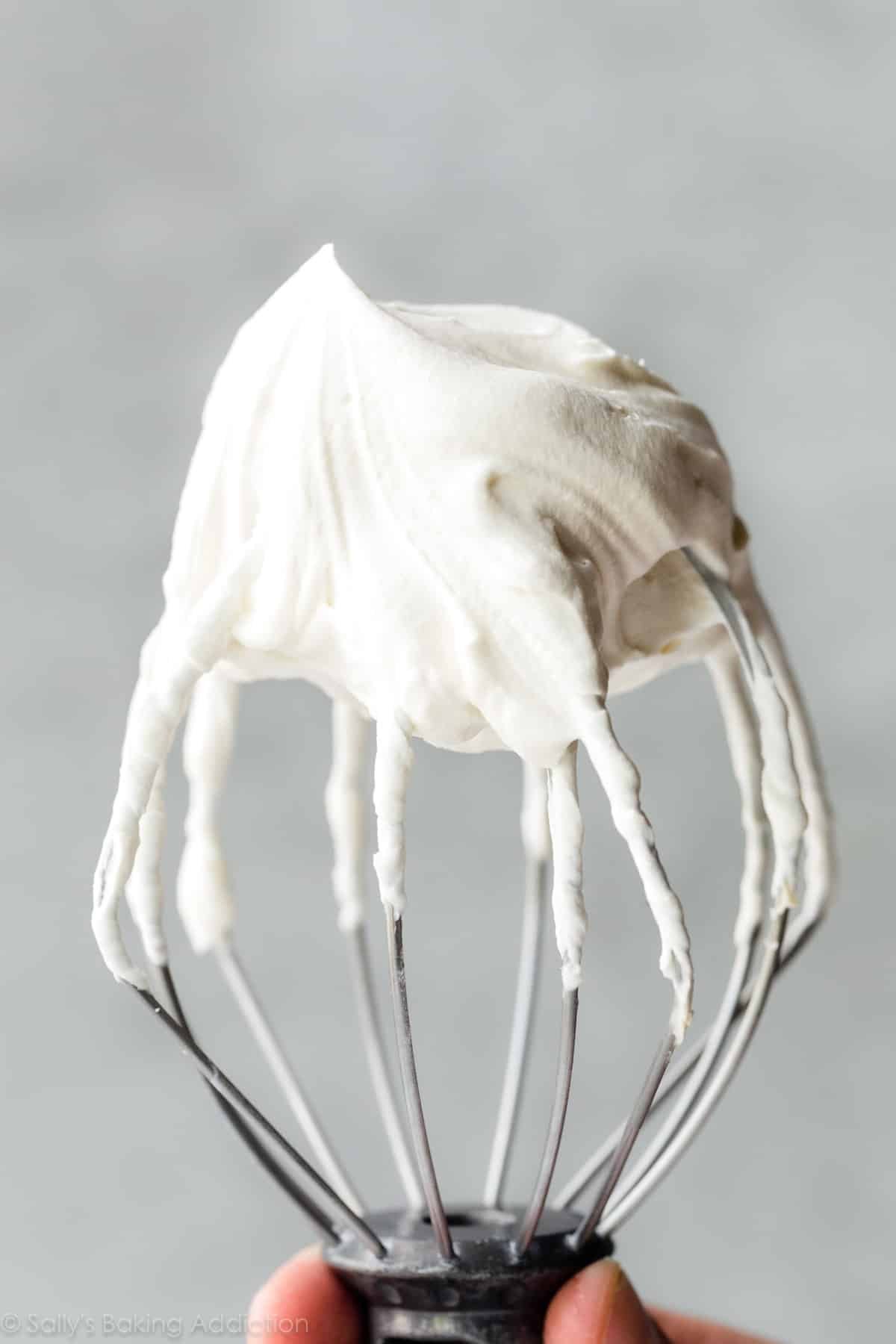
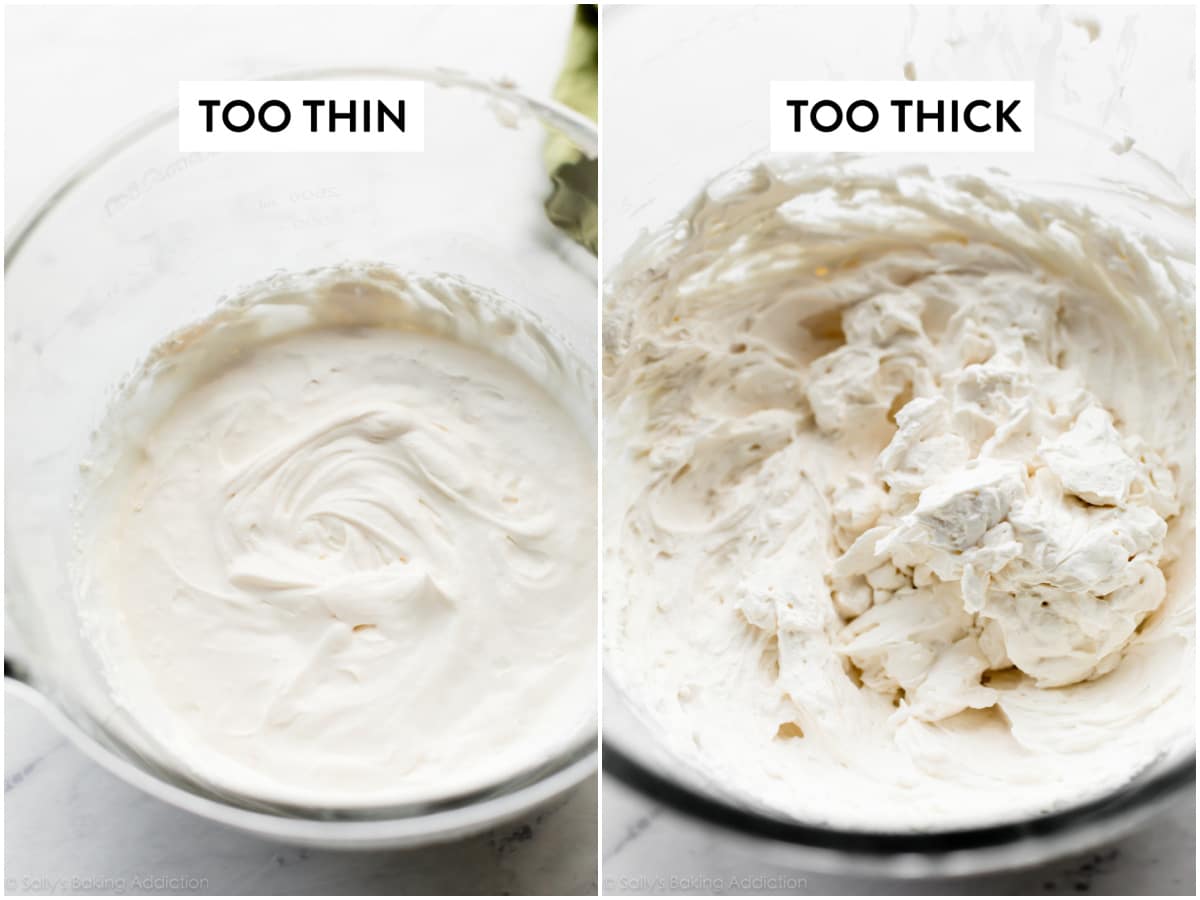
The process begins by thoroughly beating the room-temperature cream cheese until it is smooth and free of lumps. This foundational step is paramount for a uniform final product. Following this, the confectioners’ sugar and vanilla extract are incorporated, further smoothing the mixture and ensuring no grainy texture remains. The pivotal moment involves the slow, steady addition of very cold heavy cream. Initially, a few tablespoons are added to loosen the cream cheese mixture, followed by the remainder in a continuous stream while the mixer is on low speed. Once all cream is incorporated, the mixer speed is increased to high, allowing the mixture to aerate and thicken rapidly into "stiff peaks." The visual cue for success is a frosting that, when the bowl is gently shaken, "hardly moves," indicating sufficient stability.
Troubleshooting is also addressed, a common feature in well-developed recipes. An under-whipped frosting will appear "soft, soupy, [and] thin," resembling a "jello mold." The solution is straightforward: continue whipping until the desired stiff peaks are achieved. Conversely, over-whipping can lead to a "chunky and curdled" appearance, a common pitfall when working with dairy fats. While not a perfect reversal, a practical fix involves manually stirring in a tablespoon of cold heavy cream at a time with a spatula, gently coaxing the frosting back to a smooth consistency. These explicit troubleshooting guidelines enhance the recipe’s accessibility, empowering bakers to correct course if errors occur.
Applications and Culinary Versatility
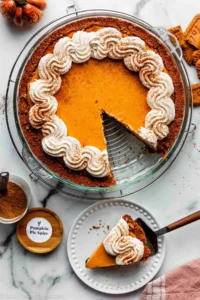
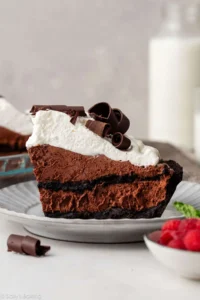
The Not-So-Sweet Whipped Frosting’s robust yet light character makes it exceptionally versatile across a spectrum of desserts. Its ability to hold shape allows for intricate piping on cupcakes, as demonstrated by reader Erika’s success in achieving a "silky smooth and light" result suitable for presentation. Beyond individual treats, it serves as an excellent topping for layer cakes, including classic vanilla or white cakes, chocolate cakes, and fruit-infused creations like lemon blueberry cake. Its lighter profile is particularly well-suited for cakes with "strong flavor" such as pumpkin or citrus, where a heavy buttercream might overshadow the delicate nuances of the cake itself.
Furthermore, its stability makes it suitable for more complex pastry applications, such as filling between layers of homemade mille-feuille or as a creamy component in ice cream cakes. The recipe’s developer notes that a version of this frosting is already a highlight in their "cookies and cream cake," underscoring its proven performance in demanding dessert structures. The implicit cream cheese flavor, while subtle and often undetectable by taste testers, adds a desirable richness and complexity that differentiates it from a pure stabilized whipped cream, which might rely on cornstarch or instant pudding mix for structure.
Public Reception and Broader Implications
The enthusiastic reception from the baking community underscores the demand for such a product. Reader Erika’s comment, praising it as an "amazing" alternative to "overly sweet and heavy" buttercream, highlights the recipe’s core appeal. John, another reader, lauded it as "the best ‘whipped’ frosting recipe I have ever made," noting its consistent success over multiple uses and its ease of preparation. The fact that he has "not bought store-made frosting since" and has been asked for the recipe by "multiple people" speaks volumes about its impact on home bakers’ practices. These testimonials collectively paint a picture of a recipe that is not only effective but also transformative for those seeking a superior, less sweet frosting experience.
The broader implications of the Not-So-Sweet Whipped Frosting extend beyond individual home kitchens. Its success signifies a broader culinary trend towards mindful indulgence, where flavor and texture are paramount, but excessive sweetness is tempered. This approach aligns with current dietary recommendations to reduce added sugars, offering a practical and delicious way for consumers to enjoy desserts without guilt. For the commercial baking industry, this recipe could serve as inspiration for developing new product lines that cater to health-conscious consumers, potentially influencing the formulation of ready-made frostings and bakery items. The emphasis on simple, accessible ingredients also democratizes sophisticated baking techniques, allowing more individuals to achieve professional-level results with minimal effort.
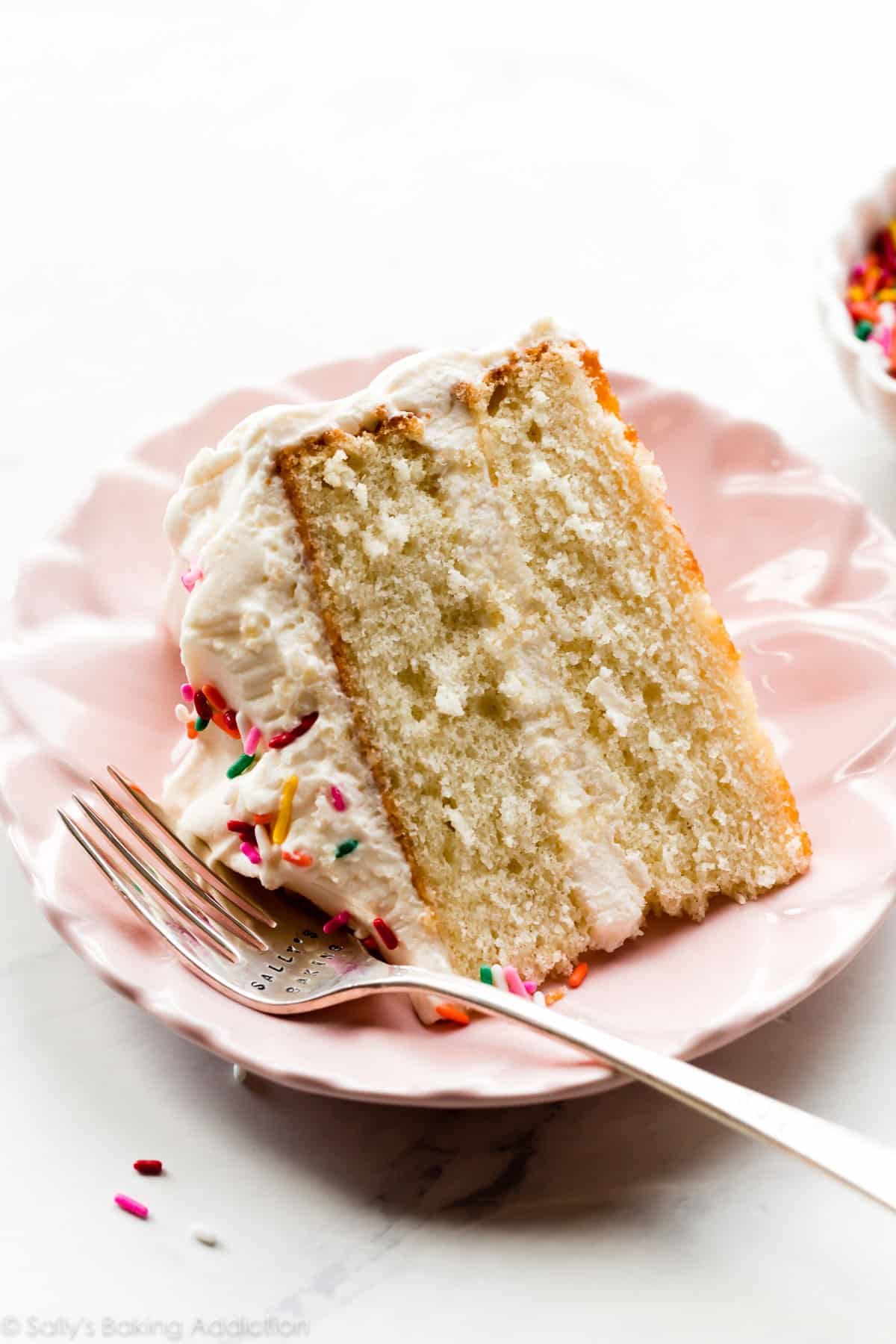
While the frosting is robust enough for piping, its stability is inherently different from butter-based frostings. As noted in the recipe’s frequently asked questions, "whipped frosting is less stable than traditional American-style buttercream and therefore should be refrigerated." This distinction is important for storage and planning, especially for events where desserts might be displayed for extended periods. However, its make-ahead capability—storable in the refrigerator for up to two days and re-whippable if needed—offers flexibility for busy bakers.
In conclusion, the Not-So-Sweet Whipped Frosting represents a significant contribution to contemporary home baking. By skillfully combining a few key ingredients and precise techniques, it provides a highly desirable alternative to overly sweet frostings. Its widespread positive reception and thoughtful development underscore a growing culinary movement towards lighter, more balanced dessert options, promising a future where indulgence can be enjoyed without overwhelming sweetness. The recipe is a testament to the ongoing innovation within the culinary world, constantly adapting to evolving tastes and health consciousness.