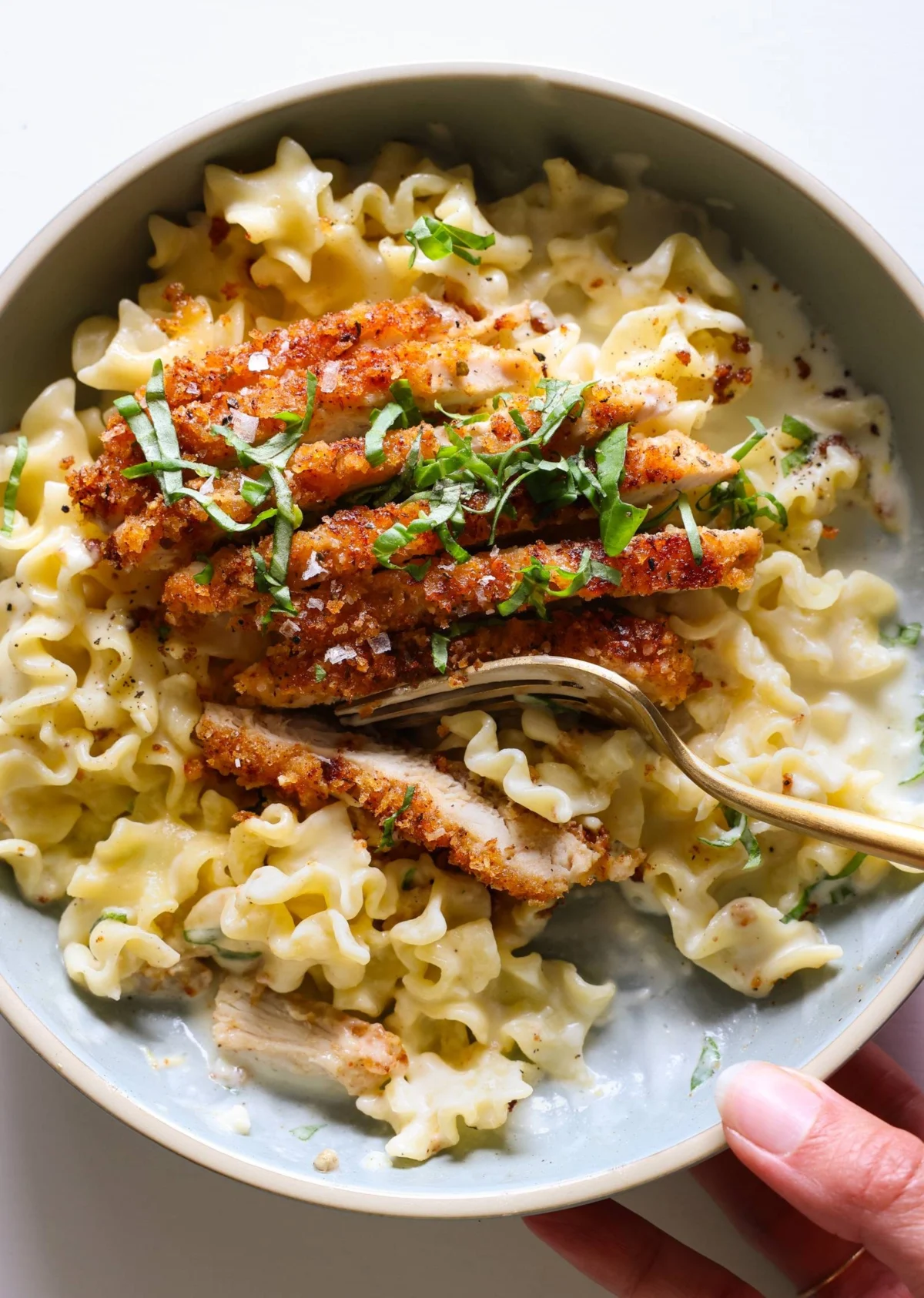

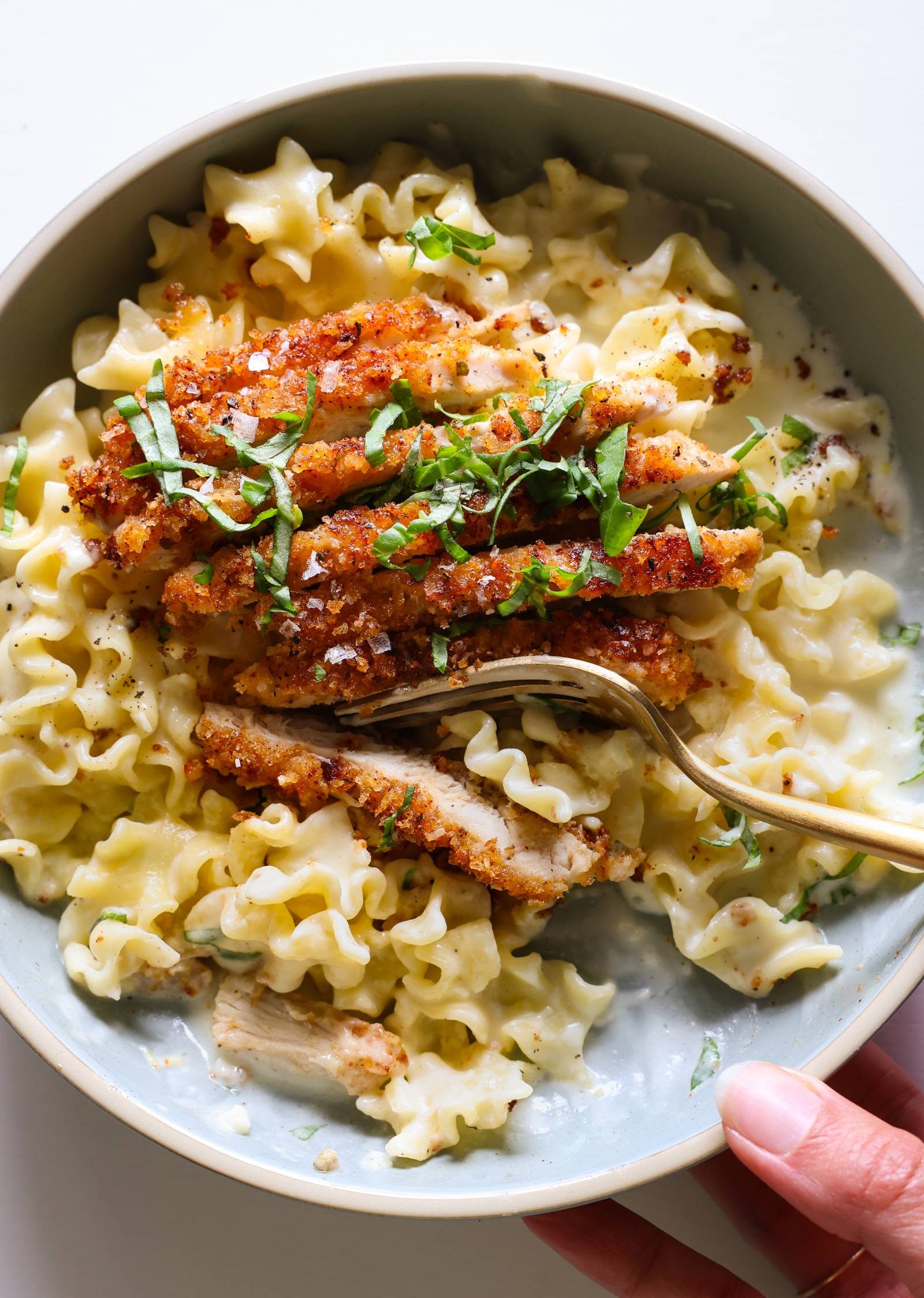
The modern culinary landscape is witnessing a significant shift toward "low-lift, high-reward" home cooking, a trend exemplified by the increasing popularity of sheet-pan techniques that combine protein and starch into singular, efficient meal preparations. Among the latest developments in this category is the Crispy Parmesan Chicken with Creamy Lemon Pasta, a dish that has garnered attention for its ability to balance traditional texture profiles with time-saving preparation methods. By utilizing unconventional binding agents—specifically mayonnaise—to achieve a superior crust, home chefs are finding new ways to elevate staple ingredients into restaurant-quality meals.
The Evolution of Home Cooking Techniques
For decades, the standard for breaded chicken involved the labor-intensive "dredging station": a three-step process of flour, egg wash, and breadcrumbs. While effective, this method is often criticized for its inefficiency and the substantial cleanup required. Culinary experts and food scientists have recently identified the use of mayonnaise as a stabilizing agent for breading. Because mayonnaise is an emulsion of oil, egg yolk, and acid, it provides a superior medium for adhering Parmesan-infused breadcrumbs to poultry.
When subjected to high heat, the fat content in the mayonnaise promotes an even, golden-brown Maillard reaction, while the proteins in the cheese create a protective, crispy barrier that locks in moisture. This technique represents a broader shift in home food preparation, where efficiency is prioritized alongside flavor development. Data from food industry analysts suggests that interest in "sheet-pan dinners" has increased by approximately 40% since 2020, as households seek to minimize the complexity of weeknight meals without sacrificing nutritional quality or culinary satisfaction.

Chronology of the Recipe’s Development
The integration of citrus-forward pasta with crispy, oven-baked poultry has roots in Mediterranean cuisine, though the specific synthesis of these two elements has gained traction in Western kitchens over the last eighteen months. The timeline for such a recipe’s rise to prominence generally follows a predictable path in the digital age:
- Phase 1: Conceptualization. Culinary developers test the structural integrity of using mayo as a binder, noting that it eliminates the need for raw egg management.
- Phase 2: Flavor Profiling. The introduction of lemon zest and cream creates a balance against the savory, salty profile of the Parmesan crust.
- Phase 3: Digital Proliferation. High-resolution photography and video tutorials documenting the ease of the "sheet-pan assembly" drive consumer engagement.
- Phase 4: Market Saturation. The dish becomes a staple in home-cooking databases and search engines, reflecting a change in consumer preferences toward comfort food that utilizes pantry staples.
Technical Analysis: The Science of the "Crispy Crust"
The success of the Crispy Parmesan Chicken lies in the chemical interaction between the amino acids in the cheese and the fat in the mayonnaise. When the chicken is brushed with the emulsion and coated in breadcrumbs, it creates a layer that is effectively "pre-fried" by the heat of the oven. Unlike traditional baking, which can often result in dry or soggy exteriors, this method allows the chicken to steam in its own juices while the exterior reaches a high-temperature crisp.

From a nutritional standpoint, this dish provides a balance of macronutrients. Chicken breast serves as a lean protein source, while the inclusion of lemon juice offers a subtle acidic counterpoint that aids in digestion. The creamy pasta component, often finished with fresh herbs like basil, provides complex carbohydrates. When served with a side of green vegetables, such as steamed green beans or a garden salad, the meal adheres to the USDA’s MyPlate dietary guidelines, offering a balanced distribution of protein, starch, and fiber.
Societal Trends and Consumer Behavior
The "democratization of fine dining" is a term often used by food historians to describe the way complex culinary techniques are simplified for the average home consumer. The rise of this specific chicken and pasta combination is a direct result of this phenomenon. Families are moving away from processed, frozen meal options toward "scratch-made" dinners that utilize fresh, accessible ingredients.
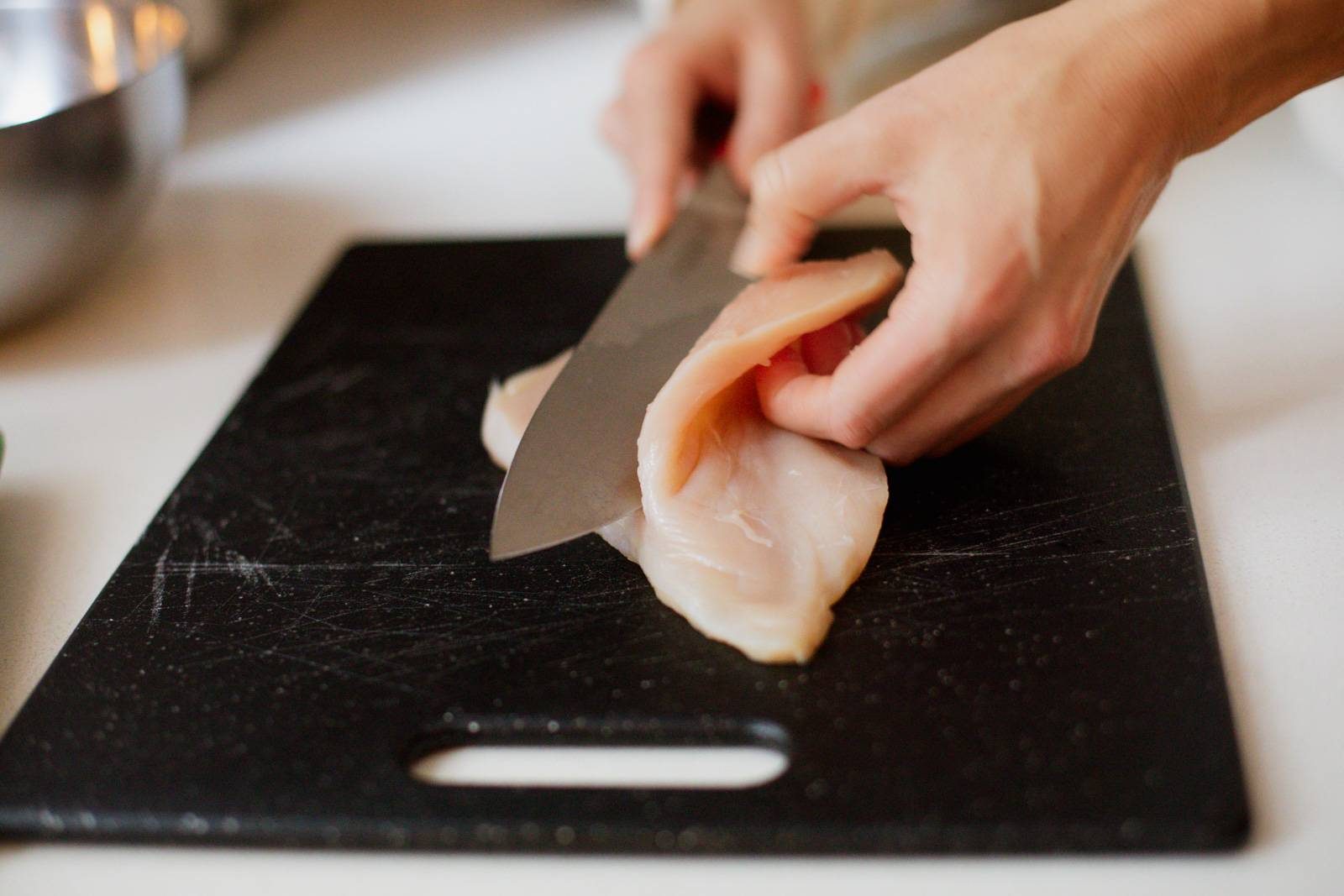
Industry reports from the National Restaurant Association indicate that 65% of consumers report feeling more confident in their cooking abilities today than they did five years ago, largely due to the accessibility of instructional video content. This particular recipe has benefited from such trends, as it removes the intimidation factor often associated with frying chicken. By shifting the cooking method from a stovetop skillet to a baking sheet, the recipe mitigates the risk of oil splatter and uneven cooking temperatures, which are common pain points for novice cooks.
Implications for the Home Food Industry
The popularity of this dish holds implications for food manufacturers and grocery retailers. As consumers continue to prioritize efficient, high-flavor meals, there is an increased demand for high-quality, pre-grated cheeses, fresh herbs, and specialty breadcrumbs. Retailers are responding by bundling these items in "meal kits" or proximity-based displays, recognizing that the consumer is looking for a cohesive, one-stop shopping experience for their weeknight dinner needs.
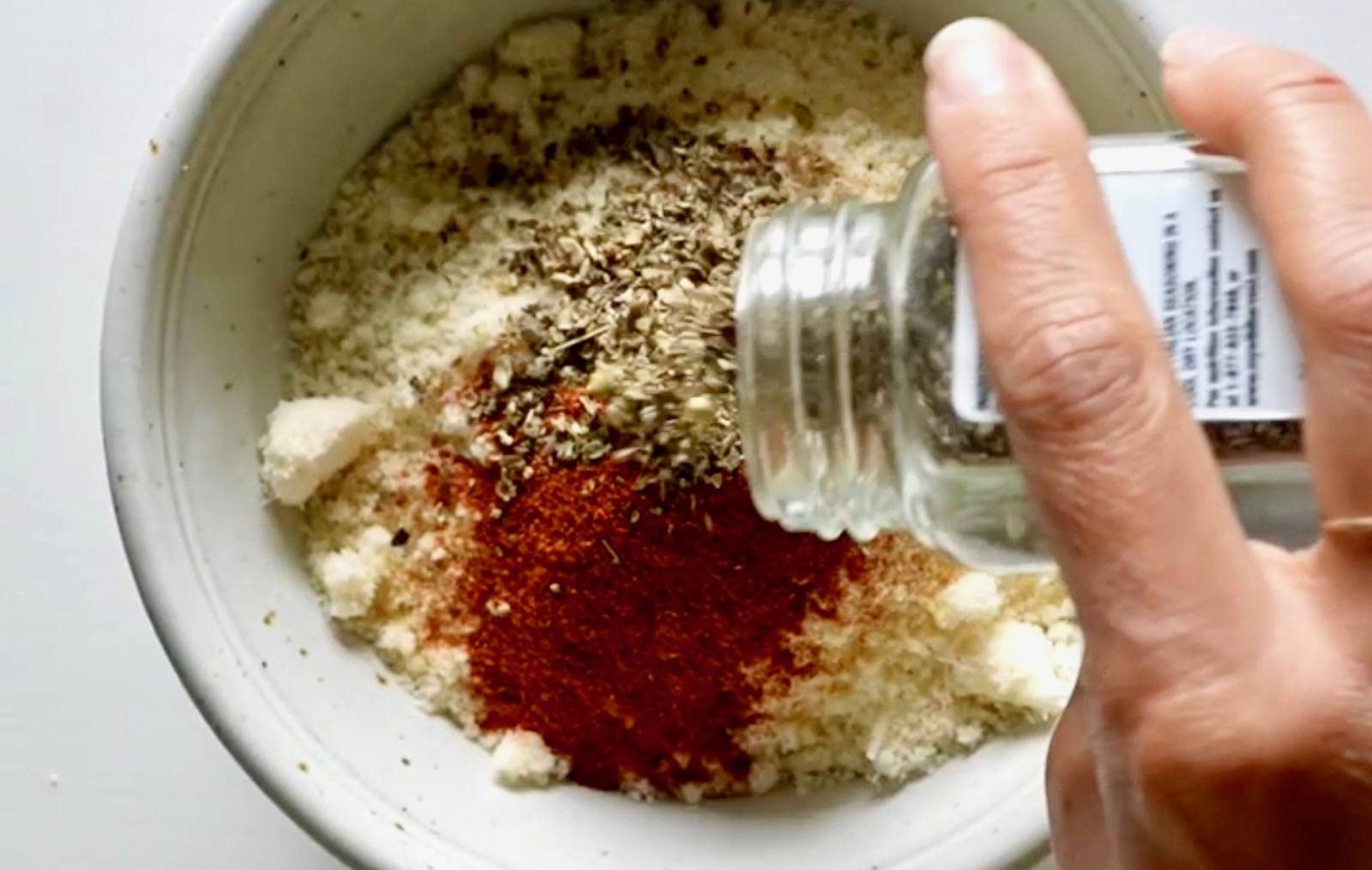
Furthermore, the adaptability of the dish—allowing for substitutions like gluten-free breadcrumbs or dairy-free cream alternatives—aligns with the growing consumer focus on personalized nutrition. Because the recipe is modular, it remains relevant across various dietary demographics, from busy working professionals looking for a quick meal to families accommodating picky eaters.
Expert Perspectives on Culinary Simplification
Professional chefs have noted that the success of such dishes is not merely about convenience, but about the "flavor architecture." The combination of a sharp, acidic component (lemon) and a rich, fatty component (cream/mayo) is a classic culinary principle known as "brightening." By cutting through the heaviness of the cheese-crusted chicken, the lemon pasta ensures that the palate does not become fatigued.
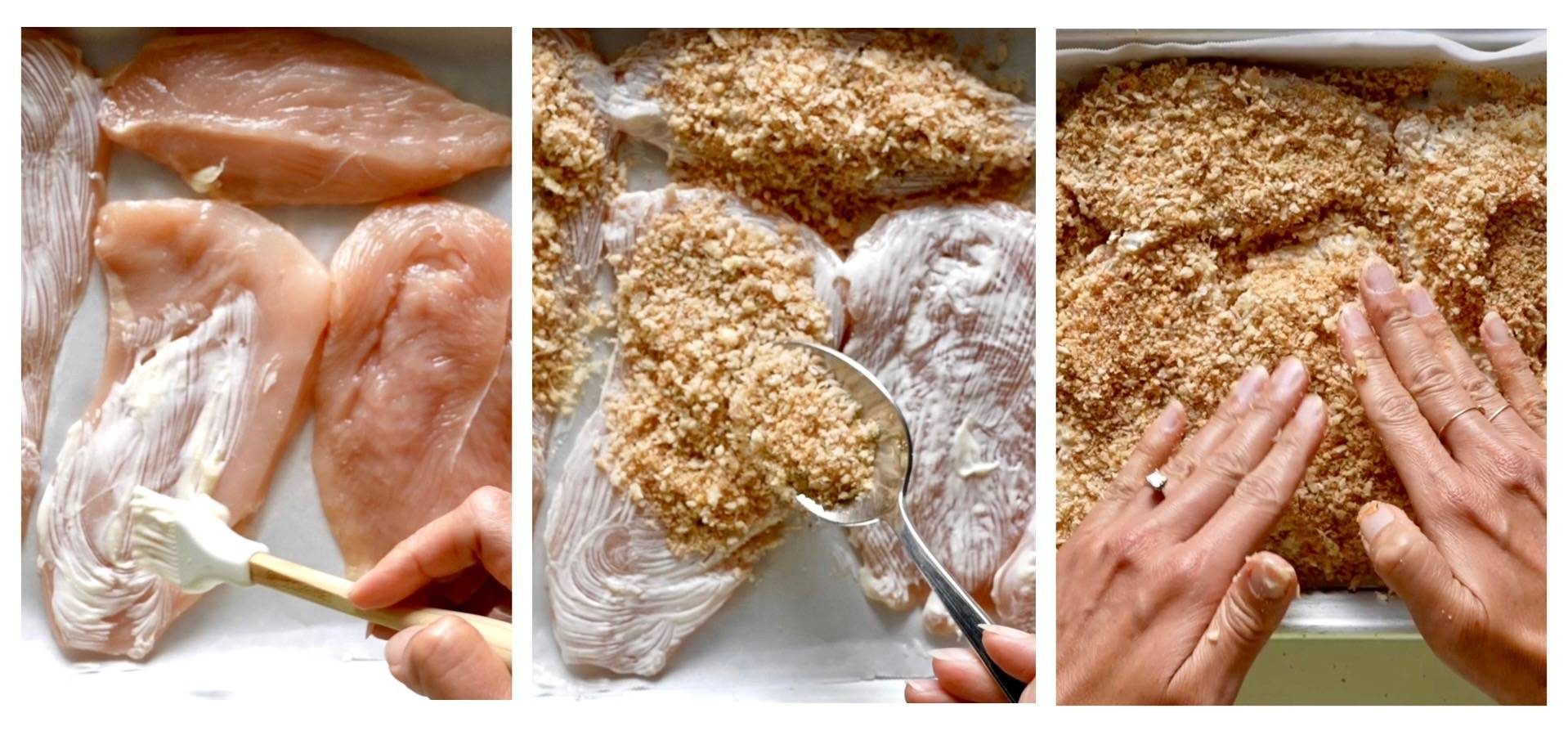
"The best recipes are those that respect the fundamentals of flavor while removing the friction of the process," says a spokesperson from a prominent culinary research firm. "When you look at this dish, you are seeing a masterclass in modern efficiency. You are getting the textural satisfaction of fried food with the health benefits of a controlled, oven-based preparation."
Future Outlook
As the culinary world continues to navigate the balance between nutrition, cost, and time, the trajectory of the Crispy Parmesan Chicken and Creamy Lemon Pasta suggests a lasting influence. It serves as a benchmark for how classic comfort food can be updated to meet the needs of a fast-paced society. Whether it is being prepared for a family of five or as a standalone meal, the dish represents the convergence of tradition and technology.
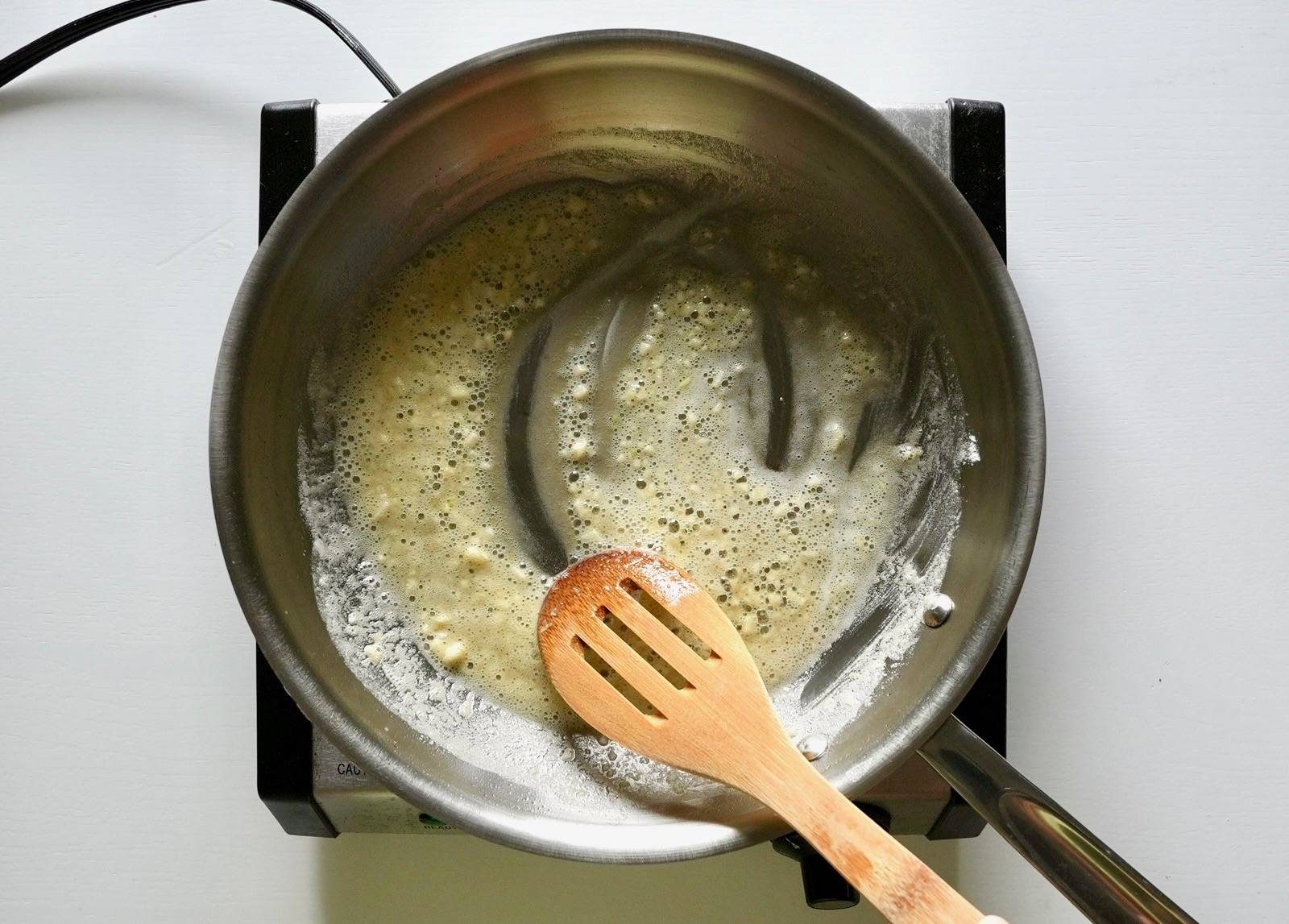
In summary, the transition toward simplified, high-impact cooking methods is not merely a passing trend but a structural change in how modern households view meal preparation. By leveraging simple chemical reactions and optimizing for time, the home cook is no longer relegated to the limitations of their own expertise. The Crispy Parmesan Chicken with Creamy Lemon Pasta stands as a testament to the fact that when culinary innovation meets domestic practicality, the result is a sustainable model for the future of the home kitchen. As more households adopt these streamlined techniques, the expectation for high-quality, efficient home dining will continue to rise, pushing the food industry to provide even more accessible, ingredient-focused solutions for the modern cook.