
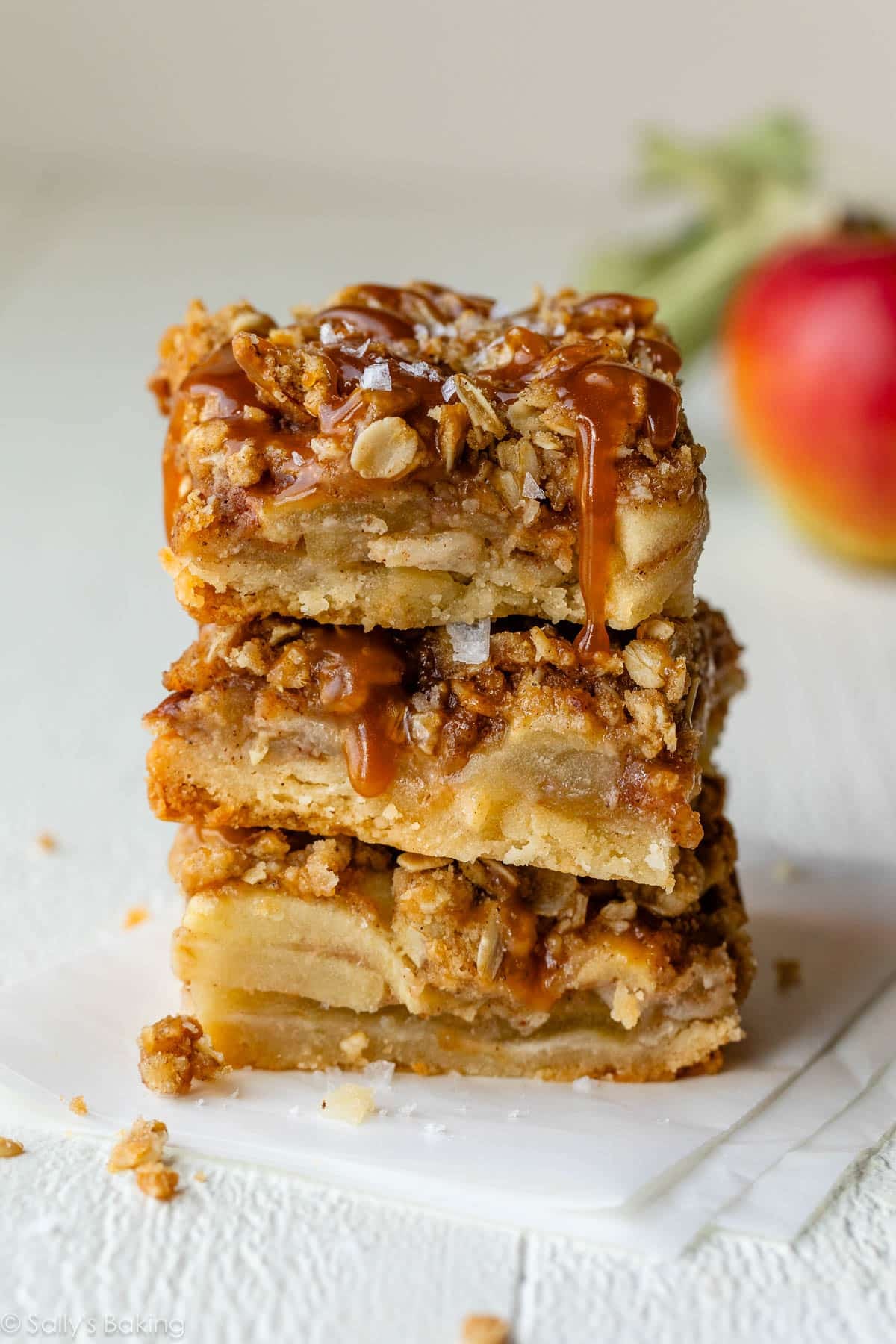
The evolution of home baking has shifted significantly over the past decade, moving toward simplified, high-efficiency recipes that prioritize both convenience and artisanal quality. Among these, the development of the Salted Caramel Apple Pie Bar has emerged as a hallmark of modern dessert innovation. Originally introduced to home baking enthusiasts in 2014, this recipe represents a culinary synthesis of traditional fruit-based pastry and the contemporary preference for portable, portion-controlled confections. Recent refinements to the preparation process reflect a broader industry trend of optimizing structural integrity and flavor balance in home-baked goods.
The Evolution and Refinement of the Recipe
When first introduced in 2014, the recipe sought to replicate the sensory experience of a classic apple pie—characterized by sweet-tart fruit and a buttery, flaky crust—within a structured, square-pan format. Over the last ten years, culinary feedback and iterative testing have prompted significant technical adjustments.
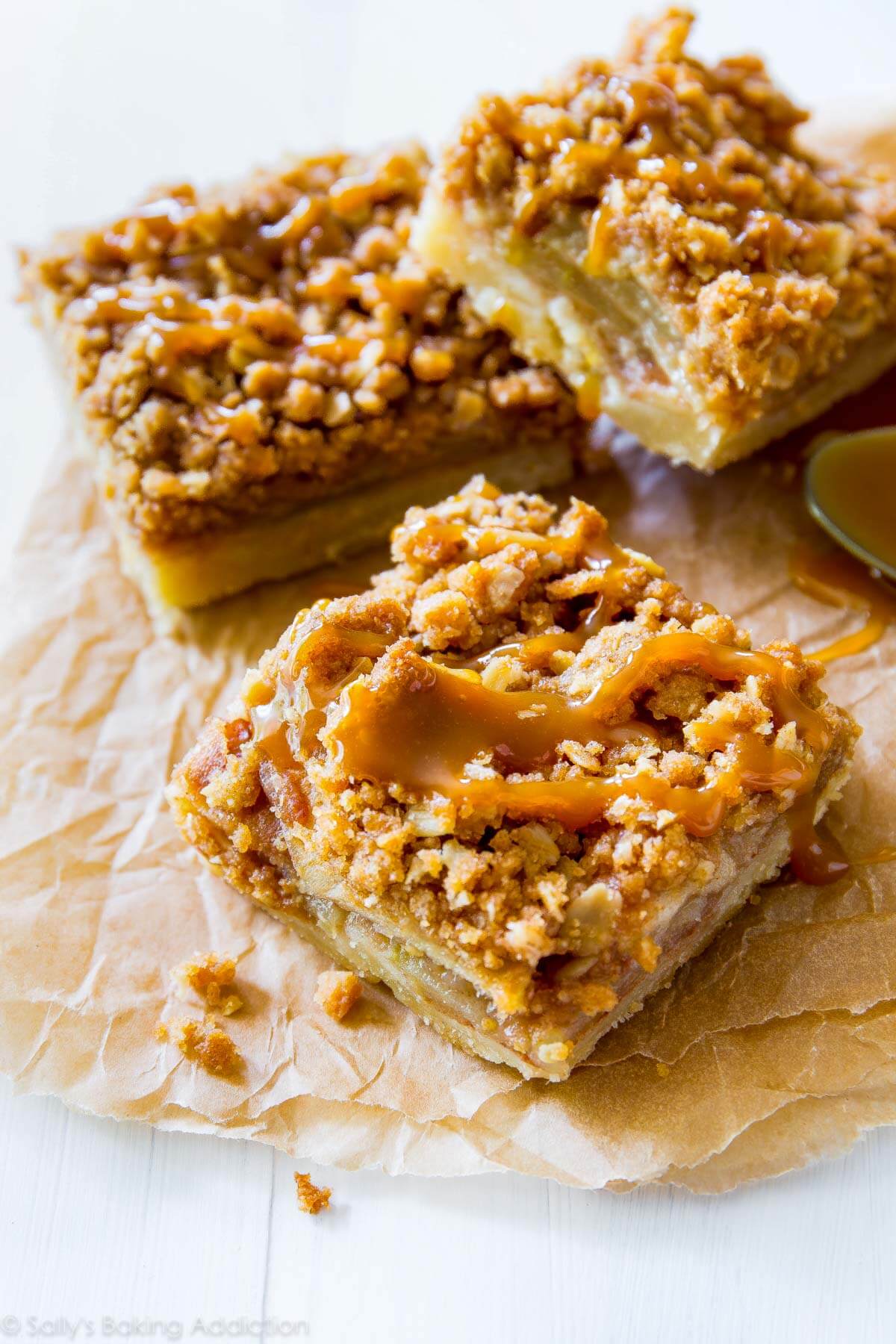
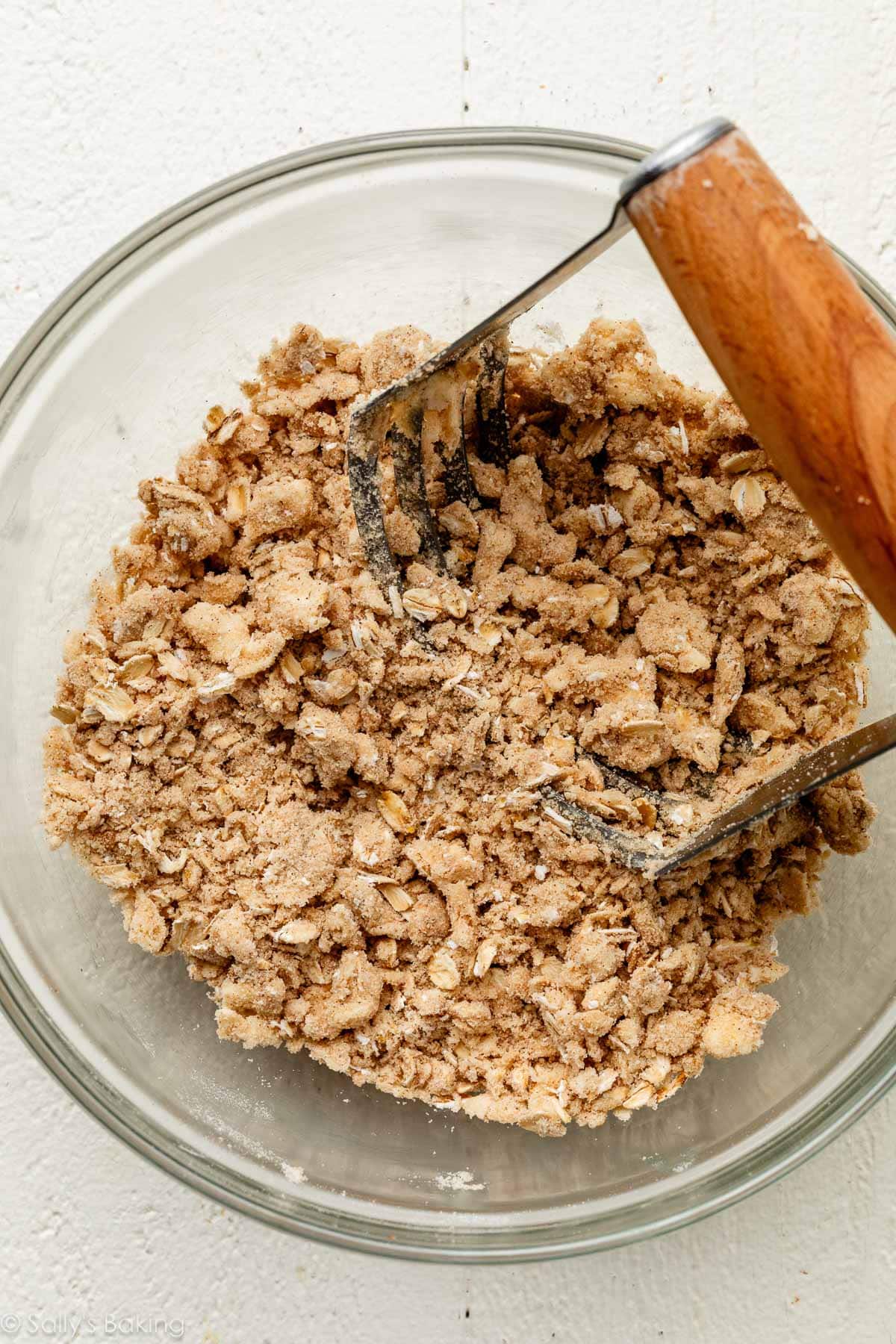
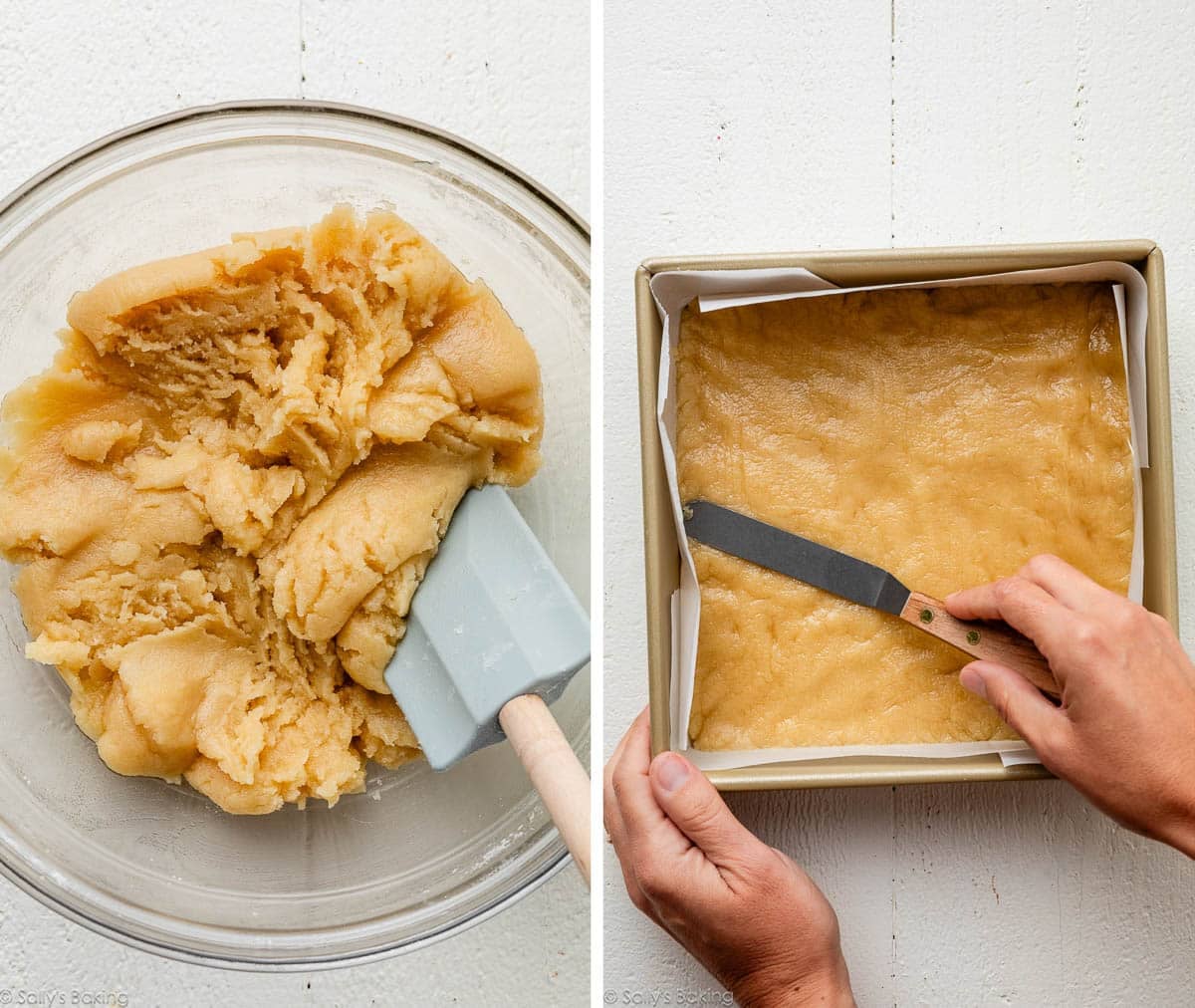
In the most recent update, developers increased the flour-to-fat ratio in the shortbread base to enhance the structural stability of the crust, ensuring it remains firm enough to support a dense fruit filling. Furthermore, a procedural shift was implemented regarding the streusel topping: rather than preparing the components in a single sequence, the streusel is now required to be chilled in a refrigerated environment before application. This change leverages the science of fat solidification, preventing the butter from liquifying prematurely in the oven and thereby maintaining the desired crumbly, coarse texture that defines premium pastry toppings.
Technical Composition and Structural Integrity
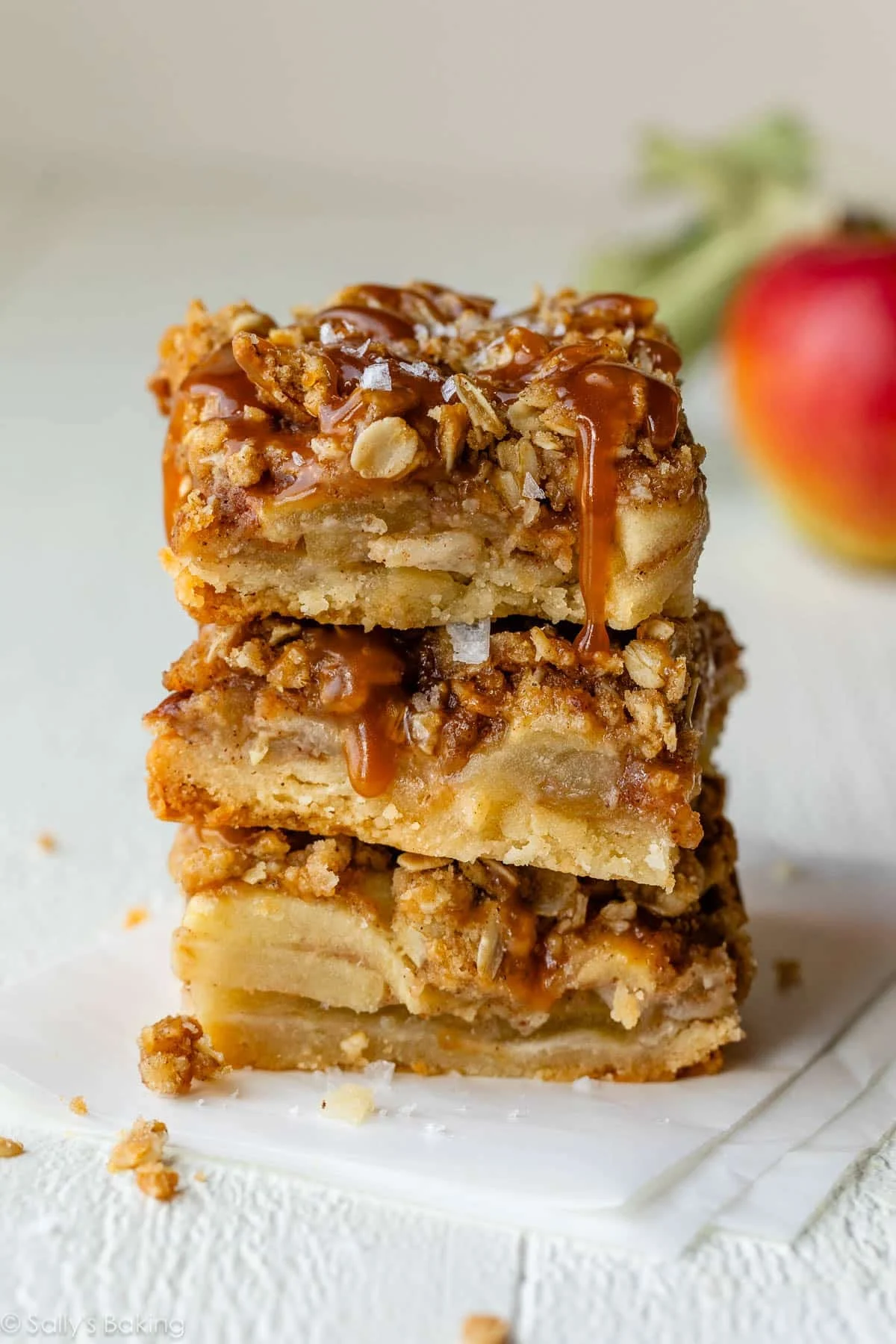
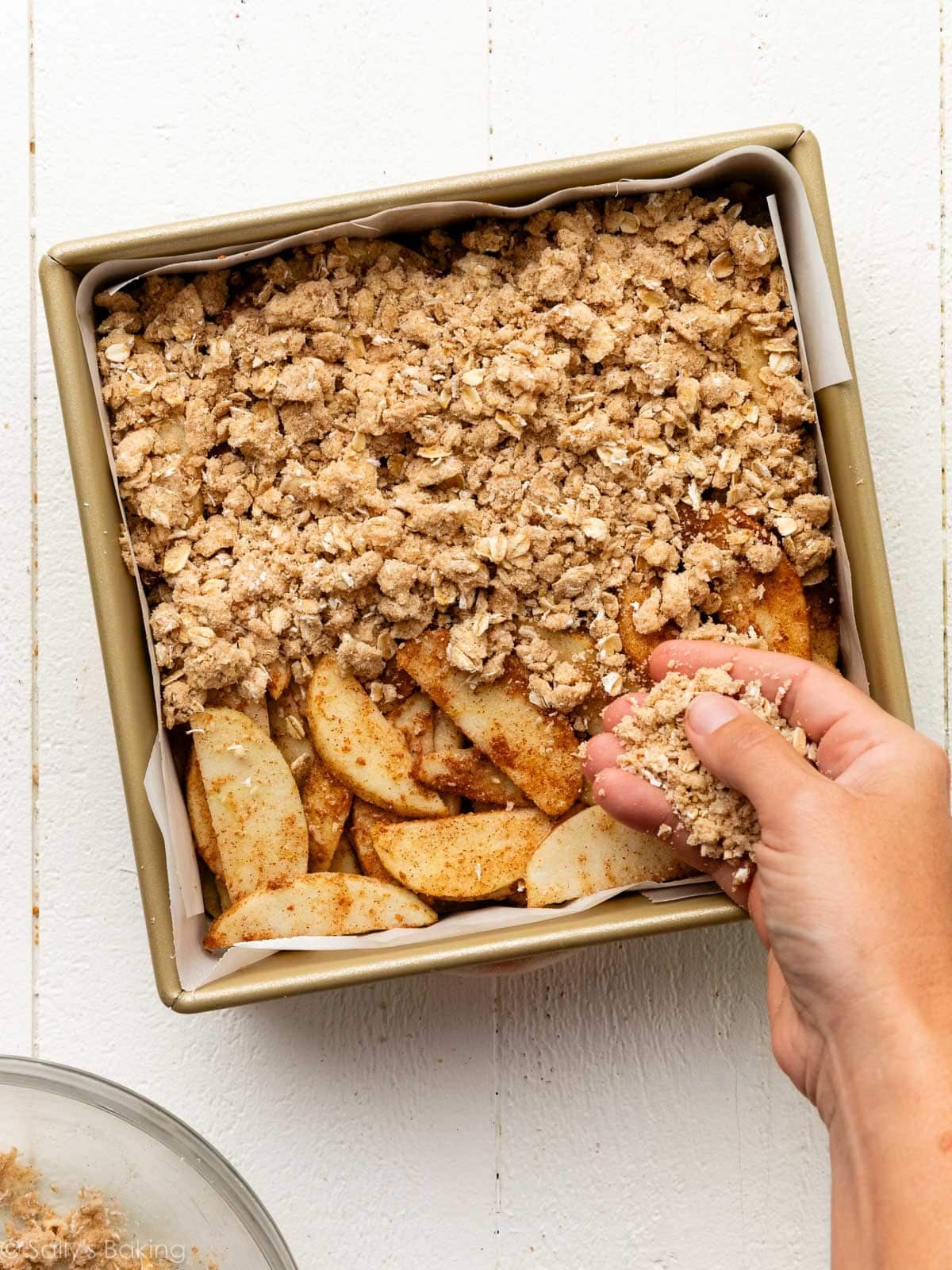
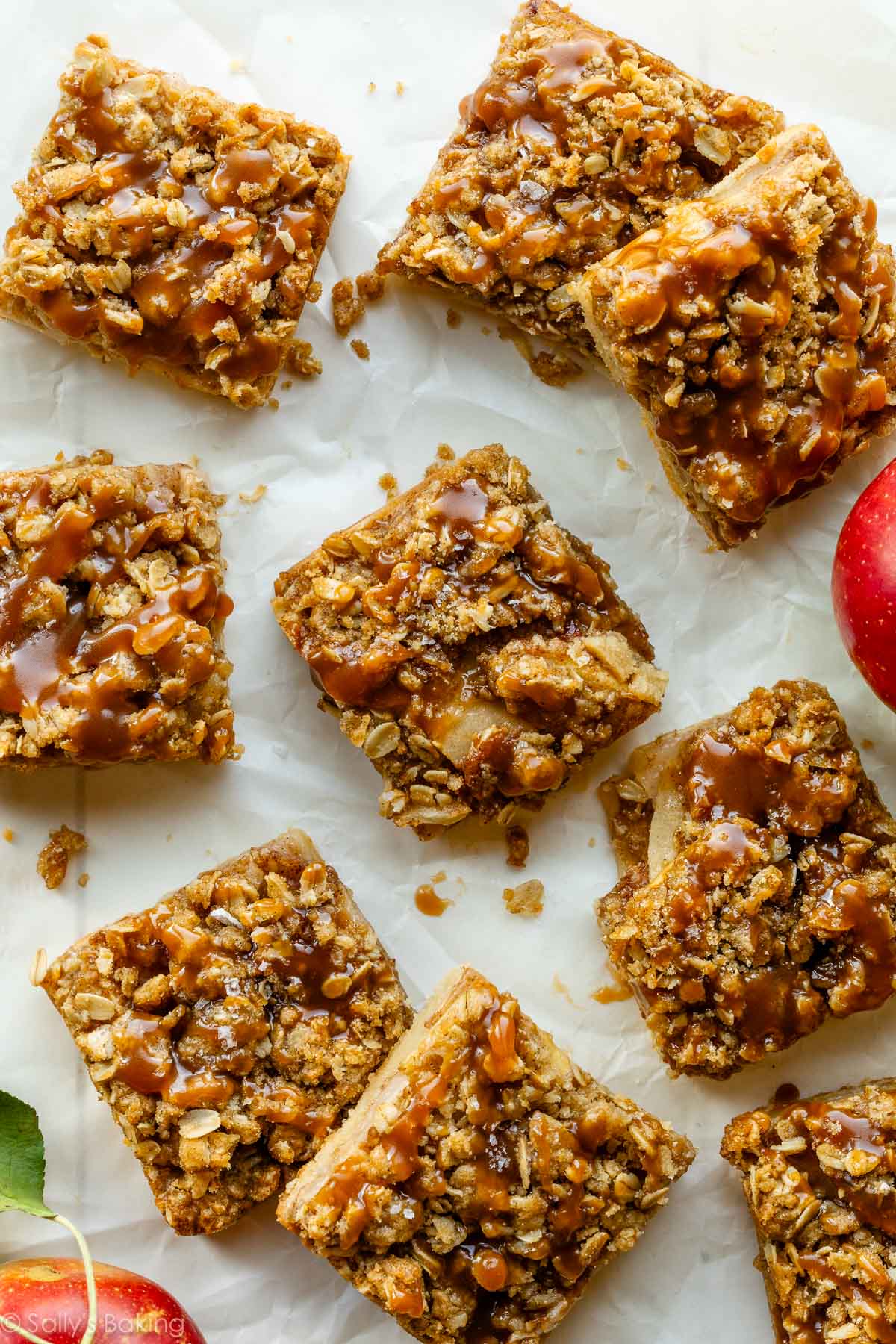
The modern iteration of these bars is defined by a three-layered architectural approach. The foundation consists of a dense shortbread crust, which serves as a sturdy platform for the weight of the fruit. This is followed by a layer of spiced, sliced apples, and finally, a brown sugar and oat streusel.
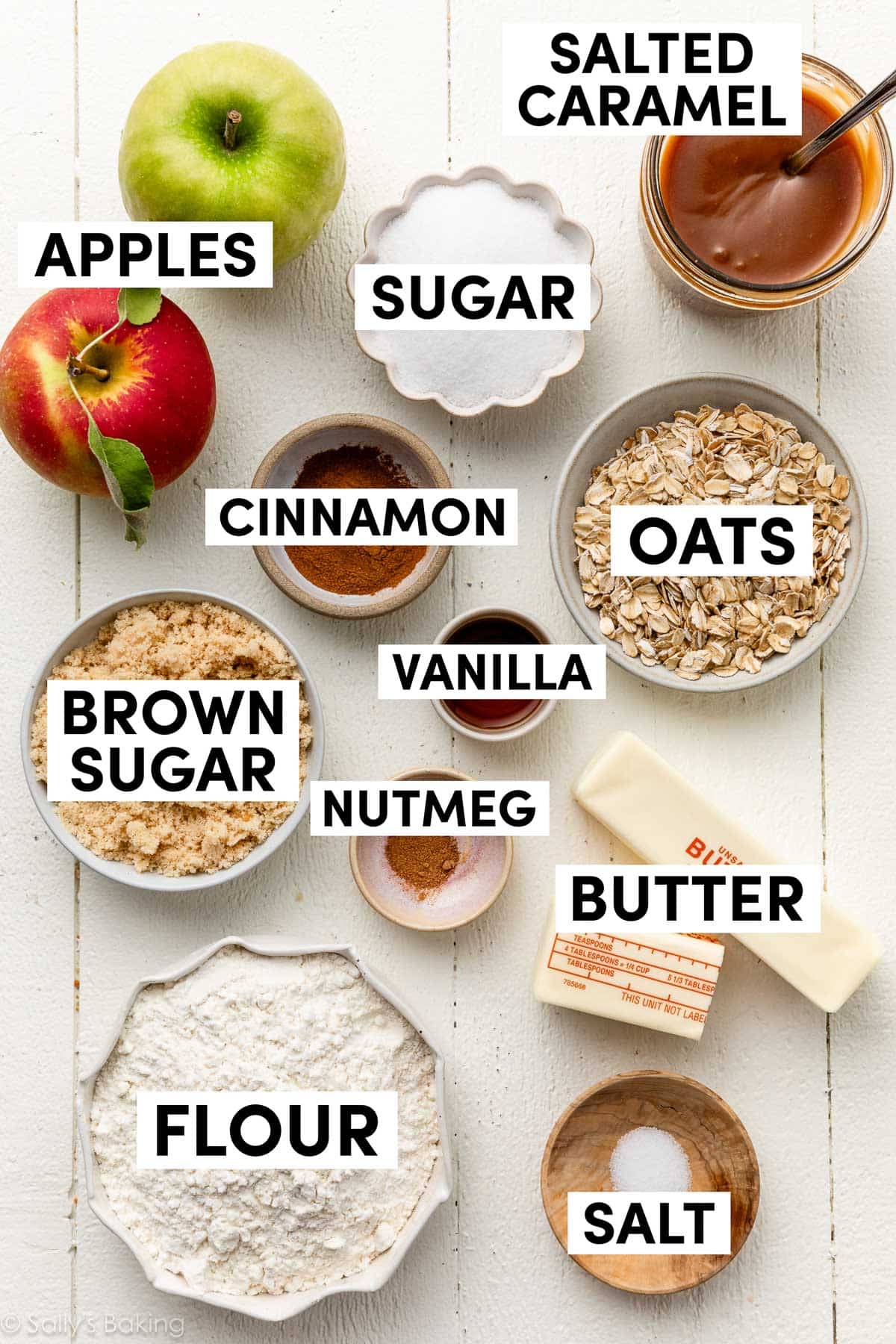
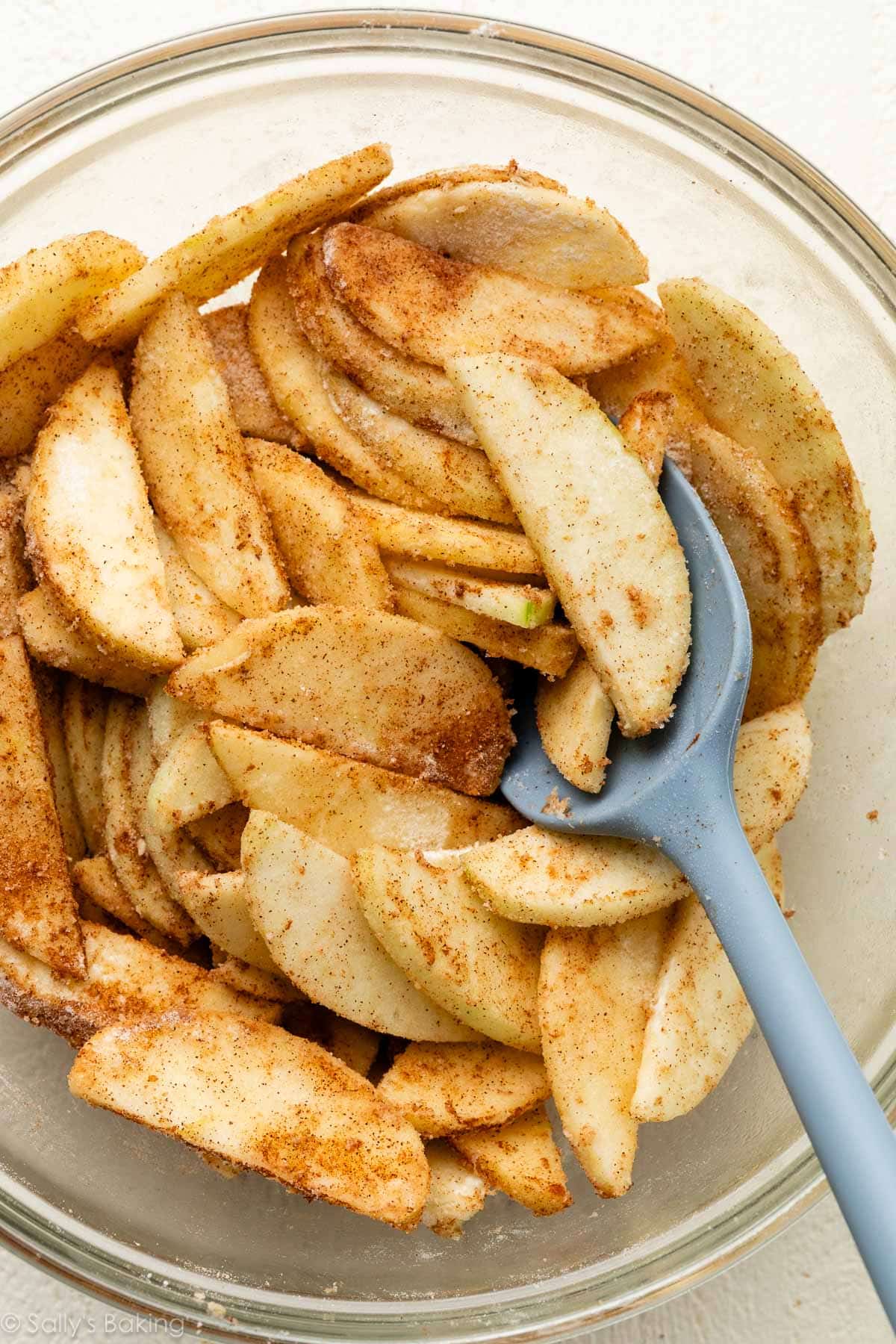
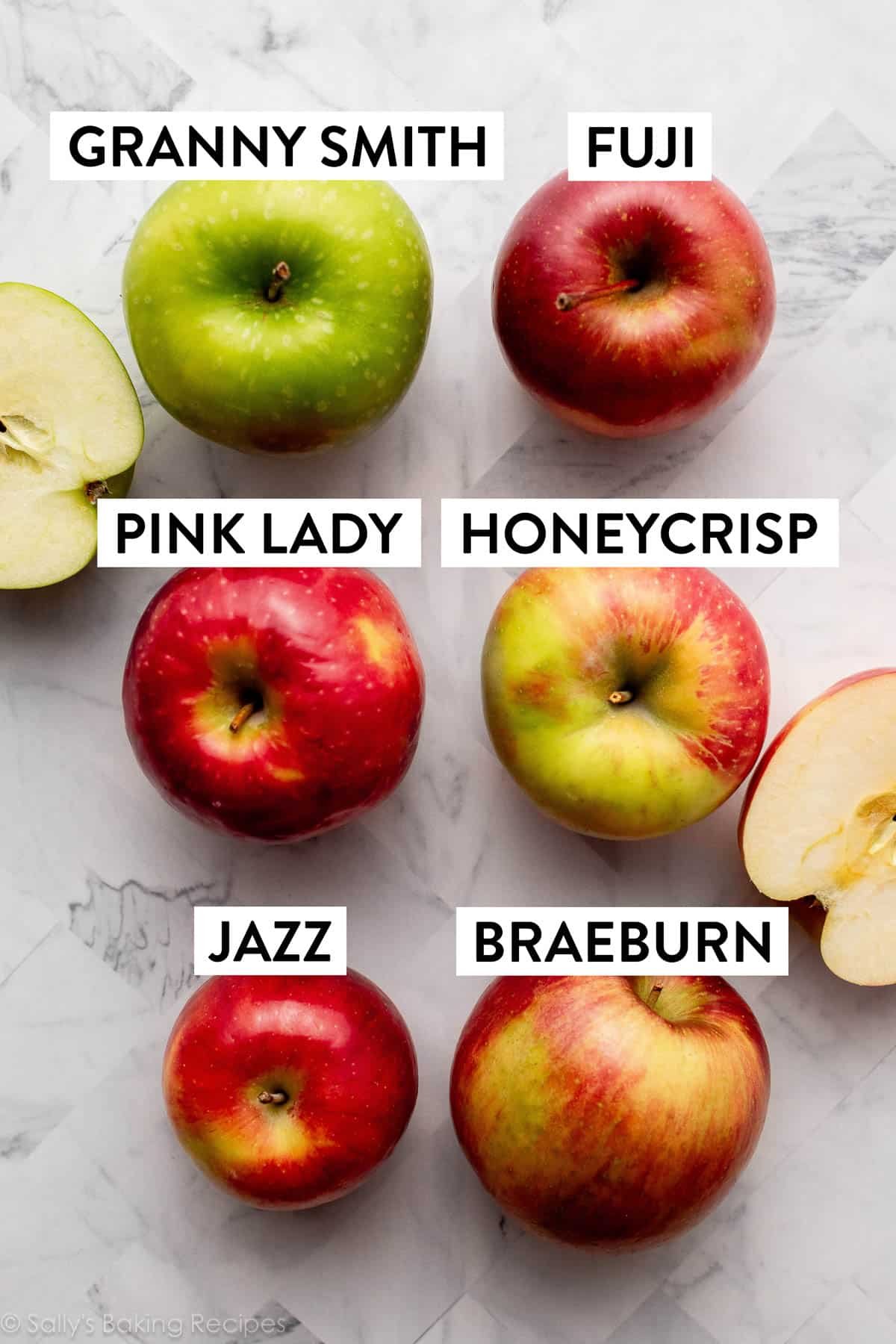
From a food chemistry perspective, the decision to use firm apple varieties—specifically cultivars such as Granny Smith, Honeycrisp, or Pink Lady—is critical. These varieties contain a higher pectin content and a cellular structure capable of withstanding the heat of the oven without dissolving into an unmanageable puree. The layering process requires precision; even when the volume of apple slices appears excessive, the fruit must be tightly packed to ensure uniform cooking and to minimize air pockets that could lead to an uneven, soggy crust.
Chronology of Preparation and Best Practices
The preparation cycle is optimized for a controlled kitchen environment. The recommended timeline begins with the creation of the streusel, which is then relegated to the refrigerator. This "cold-chain" approach is a standard practice in professional baking to ensure that the butter-based topping maintains its viscosity until it reaches the heat of the oven.
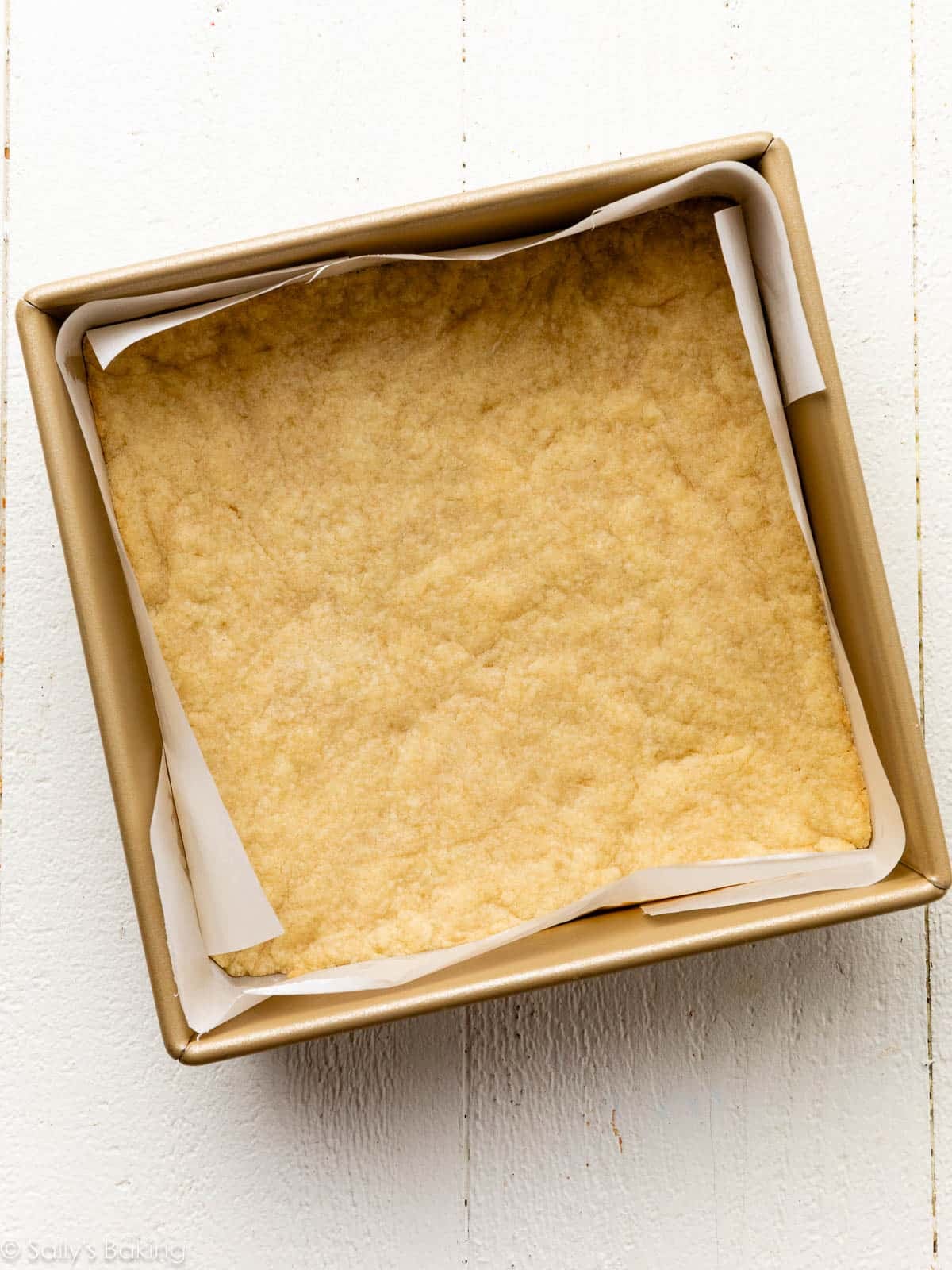
The crust is subjected to a pre-baking stage. This step is essential to ensure that the shortbread reaches a golden-brown state and creates a moisture barrier that prevents the apple juices from migrating into the base. Once the crust is partially baked, the apple filling is applied directly. A vital, albeit often overlooked, component of the process is the post-bake cooling period. Industry standards for dessert preparation dictate that these bars remain at room temperature for at least 20 minutes before undergoing a mandatory two-hour refrigeration period. This chilling phase allows the caramel elements and the fruit pectin to set fully, enabling the clean, professional-grade slicing that distinguishes a high-quality bar from a rustic crumble.
Supporting Data and Market Trends
The popularity of "pie bars" reflects a wider shift in consumer preferences toward "easy-to-serve" desserts. In surveys regarding home baking habits, convenience is frequently cited as the primary barrier to traditional pie making. The labor-intensive nature of rolling, crimping, and blind-baking a circular crust often leads to a decrease in frequency of preparation for the average home baker. By contrast, the square-pan format reduces the required equipment to a single baking sheet or square pan and eliminates the need for advanced pastry-rolling skills.
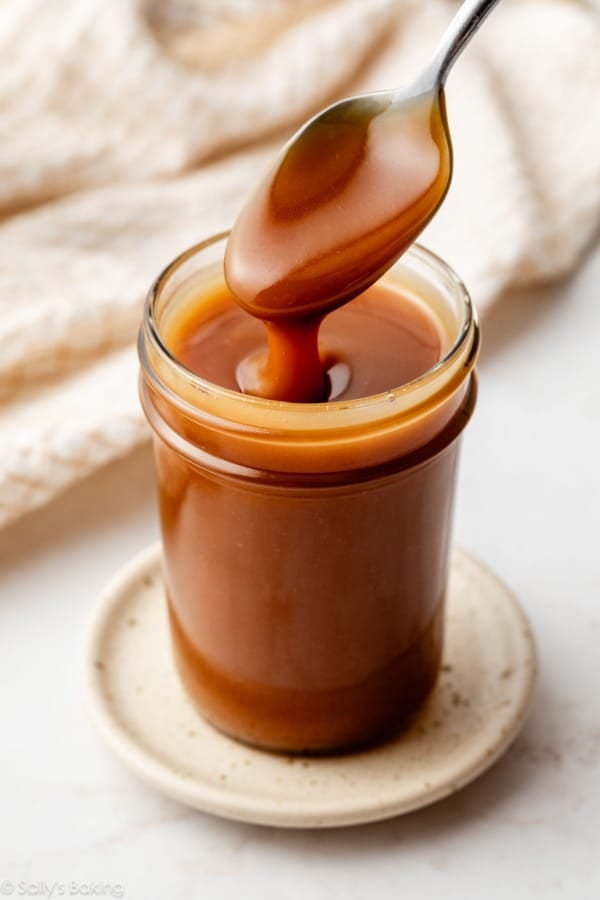
Furthermore, the integration of salted caramel—a flavor profile that has seen a 30% increase in menu appearances over the last decade—serves to elevate the product from a standard fruit dessert to a gourmet-adjacent offering. The salt acts as a flavor enhancer, cutting through the high sugar content of the fruit and the richness of the butter, which aligns with modern palate preferences for more complex, nuanced flavor profiles.
Official Perspectives on Scalability
For those looking to transition from small-batch preparation to larger quantities, the recipe possesses high scalability. Culinary experts note that the base formula can be doubled and transferred to a standard 9-by-13-inch pan without significant loss of quality. However, the variables of thermodynamics must be managed: in a larger vessel, the pre-baking time for the crust must be extended to 18 minutes, and the total bake time for the assembled bars must increase to between 45 and 55 minutes to compensate for the increased thermal mass.
Broader Impact and Culinary Implications
The persistence of this recipe in the public consciousness, even a decade after its inception, highlights the enduring appeal of "reimagined classics." By distilling the complex components of an apple pie into a more approachable, accessible format, the recipe has democratized a level of baking that might otherwise be perceived as intimidating.
The success of these bars in home kitchens across the country suggests that the future of dessert preparation lies in "modular" baking—where traditional flavors are preserved but the delivery systems are modernized for efficiency. As households continue to favor recipes that provide high-reward outcomes with lower labor requirements, the Salted Caramel Apple Pie Bar serves as a benchmark for future culinary adaptations. Whether served as a standalone treat or as a component of a larger dessert display, the recipe remains a functional and aesthetic success, bridging the gap between historical culinary traditions and the fast-paced, convenience-oriented lifestyle of the 21st-century home cook.