
The landscape of modern casual dining is undergoing a profound transformation, driven by consumer demand for convenience, variety, and exceptional value. In response to these shifting preferences, Dine Brands Global, Inc.—the parent company of two of America’s most recognizable culinary institutions, Applebee’s Neighborhood Grill + Bar and IHOP—has officially celebrated the rapid expansion of its innovative dual-branded restaurant concept. The milestone was marked by the grand opening of a high-profile location in San Antonio, Texas, signaling a major leap forward in the corporation’s aggressive domestic growth strategy.
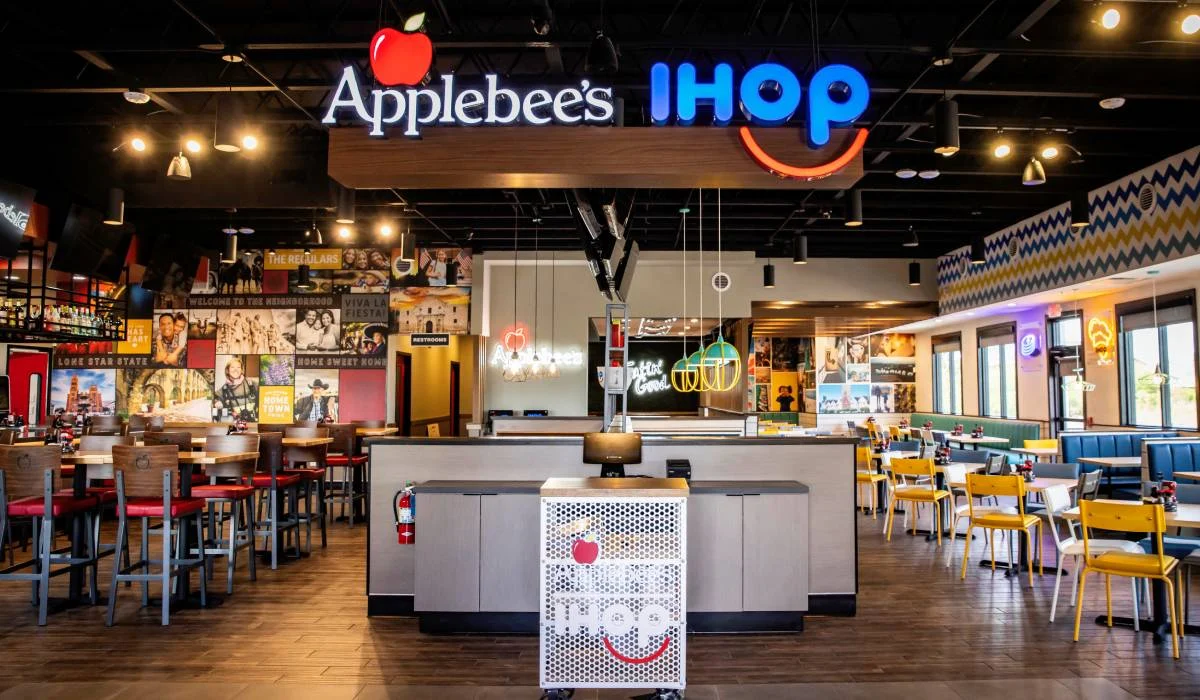
Located at 2607 W. Loop 1604 S., this newly opened facility represents the eighth dual-branded Applebee’s and IHOP location within the greater San Antonio market. The strong regional concentration highlights how deeply the local consumer base has embraced the hybrid dining model. Operated by prominent franchisee The Hakim Group, the launch event drew significant local attention, featuring a high-energy ribbon-cutting ceremony designed to engage the community and solidify the restaurant’s local roots.
The opening festivities underscored Dine Brands’ commitment to community integration. During the inaugural event, 100 lucky guests were awarded free pancakes for an entire year, a nod to IHOP’s heritage. Furthermore, The Hakim Group demonstrated its corporate citizenship by presenting a $1,000 charitable donation to the Stay Strong Foundation, a respected San Antonio-based nonprofit organization dedicated to community support and local empowerment.
Evolution of the Dual-Branded Concept: A Chronology of Growth
The journey toward the San Antonio opening represents a calculated, fast-paced evolution for Dine Brands Global. The concept of housing two distinct, high-volume restaurant brands under a single roof was not built overnight, but its scaling has moved at a staggering pace.
Less than two years ago, Dine Brands made waves in the domestic restaurant industry by launching its very first standalone U.S. dual-branded restaurant in Seguin, Texas, located just a short distance from the newly minted San Antonio site. The success of that initial pilot project proved that operational hurdles—such as combining complex kitchen workflows, distinct inventory management systems, and varied service styles—could be successfully overcome to deliver a cohesive consumer experience.
Following the Seguin launch, corporate leadership monitored metrics closely, noting high guest satisfaction scores, strong average unit volumes, and favorable labor efficiencies. Buoyed by these positive indicators, the corporation initiated a rapid rollout plan. Today, less than 24 months after the initial concept test, the two iconic brands are rapidly approaching a monumental milestone of 50 dual-branded locations nationwide.
This accelerated deployment timeline illustrates a broader strategic shift within the casual dining sector. Faced with rising real estate costs, shifting workforce dynamics, and the need to maximize operational efficiency, major restaurant conglomerates are increasingly looking toward hybrid models as a primary vehicle for sustainable expansion.
Bridging Two Culinary Worlds Under One Roof
The physical layout and operational mechanics of the San Antonio Applebee’s | IHOP are designed to eliminate the historical friction of choosing where to eat among diverse dining parties. The dual-branded restaurant offers guests the distinct advantage of accessing signature menu items from both Applebee’s and IHOP through a single, unified menu available throughout all operating hours, from early morning breakfast to late-night cravings.
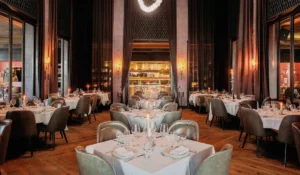
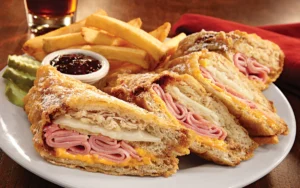
Inside the venue, the design architecture carefully preserves the individual brand identities and distinct atmospheres of both Applebee’s and IHOP. Guests transition smoothly through shared common spaces that create an integrated, seamless hospitality experience. To further differentiate these hybrid locations from their traditional single-brand counterparts, Dine Brands has introduced exclusive menu innovations and beverage programs. Patrons at dual-branded locations can enjoy specialty craft cocktails alongside creative menu mashups that are unavailable at standalone restaurants, such as the Loaded Buffalo Chicken Omelette and the Ultimate Breakfast Burger.
This cross-pollination of menus allows the corporation to capture multiple dayparts with maximum efficiency. An individual or family can order a stack of buttermilk pancakes alongside a classic bacon cheeseburger, effectively neutralizing the traditional demographic divisions that once dictated dining choices.
Leadership Perspectives and Strategic Vision
The rapid proliferation of the dual-branded model has earned enthusiastic endorsement from top-tier corporate leadership, who view the strategy as a critical pillar for future financial health and market penetration.
"What began as a bold idea has evolved into a meaningful complement to our development and growth strategies," said John Peyton, Chief Executive Officer of Dine Brands Global. "In under two years, we’ve gone from one dual-branded U.S. location to nearly 50 nationwide, and the momentum continues. By bringing Applebee’s and IHOP together under one roof, we’re creating a more flexible operating model, giving guests more reasons to visit, and offering franchisees an additional pathway to strengthen their businesses over time."
Franchisee partners have similarly voiced high optimism regarding the financial viability and operational synergy of the hybrid model. Danny Hakim, Vice President of The Hakim Group, emphasized the localized impact of the new San Antonio launch and the collaborative spirit driving the enterprise forward.
"We are excited for guests to experience this newest Applebee’s | IHOP location, which reflects the continued evolution of the dual-branded concept," Hakim stated during the ribbon-cutting ceremony. "Our restaurants are only as strong as the communities they serve, and we’re proud to continue investing in San Antonio and to support organizations that are making a difference locally."
Broader Market Implications and Future Outlook
The expansion of Dine Brands’ hybrid strategy offers vital insights into the current trajectory of the American restaurant industry. As traditional casual dining brands face mounting pressures from fast-casual competitors and delivery-centric models, operators must innovate to preserve margins and capture consumer loyalty.
By combining breakfast powerhouse IHOP with casual dining stalwart Applebee’s, Dine Brands has engineered a powerful hedge against economic volatility. Dual-branded units typically benefit from optimized real estate footprints, shared back-of-house infrastructure, streamlined management teams, and diversified revenue streams across breakfast, lunch, dinner, and late-night dayparts. For franchisees, this multi-brand approach mitigates single-concept risk and maximizes return on investment in high-cost real estate markets.
Looking ahead, Dine Brands Global has established aggressive yet achievable benchmarks for the concept’s continued scaling. As the corporation actively advances its comprehensive development and growth strategies, leadership confirmed that the enterprise remains firmly on track to open approximately 80 domestic dual-branded restaurants by the conclusion of fiscal year 2026.
With consumer reception remaining overwhelmingly positive and franchise demand surging across multiple U.S. markets, the Applebee’s and IHOP dual-branded model has firmly transitioned from an experimental pilot project into a permanent cornerstone of modern American dining infrastructure.