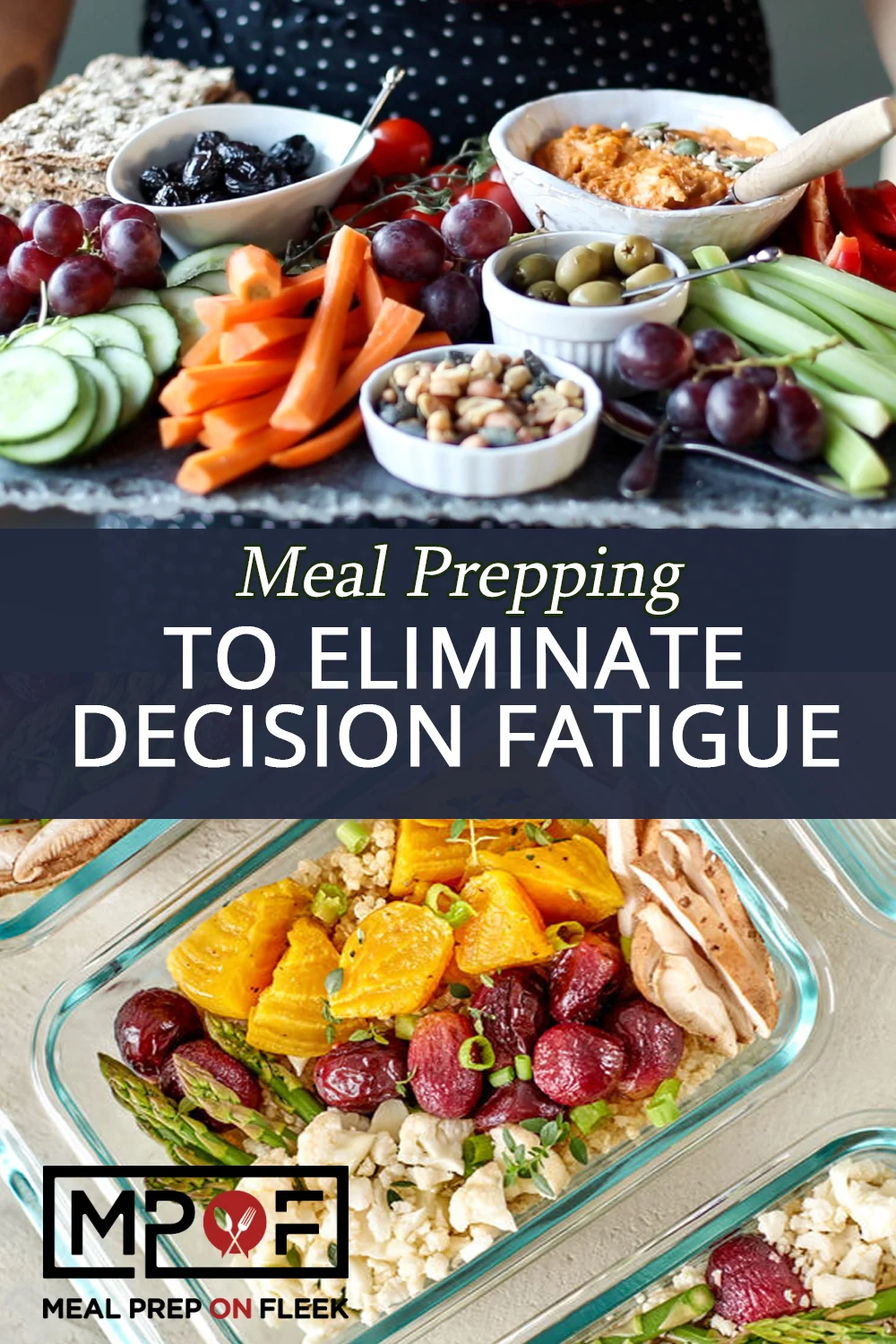

The modern world bombards individuals with an incessant stream of choices, from the mundane to the monumental. While this may seem like a hallmark of freedom and abundance, it can lead to a significant cognitive drain known as decision fatigue. For many, the evening hours, typically when hunger and exhaustion converge, become a battleground of mental negotiation. This is precisely where the practice of meal preparation emerges not merely as a dietary strategy, but as a powerful tool for reclaiming mental energy and combating the pervasive effects of decision fatigue.
The Pervasive Nature of Decision Fatigue
Decision fatigue, a concept explored in psychology, posits that an individual’s capacity for making sound decisions diminishes with each choice they make throughout the day. Every interaction, from selecting an outfit in the morning to prioritizing emails and managing household responsibilities, depletes this finite mental resource. By the time the evening arrives, particularly around the critical dinner hour, many individuals find their cognitive reserves critically low. This depletion makes them susceptible to defaulting to the easiest, often least healthy, options, such as ordering takeout or opting for convenience foods.

Research has provided compelling evidence for the impact of cognitive load on decision-making. A notable study involving parole judges, as referenced in discussions on decision fatigue, demonstrated a correlation between the time of day and the leniency of rulings. Judges were found to be more likely to grant parole earlier in the day or immediately after a meal break. As the day progressed and their mental energy waned, their decisions tended to become more conservative, reflecting the toll of continuous decision-making. This phenomenon is not exclusive to high-stakes professions; it affects everyday choices, including what to eat for dinner.
The saying, "Hungry belly knows no love," is a profound observation that extends beyond interpersonal relationships to the realm of decision-making. When individuals are hungry, stressed, or physically tired, their brains are predisposed to seeking immediate gratification and the path of least resistance. This biological imperative can override rational planning, leading to impulsive purchases, late-night snacking, and a cycle of dietary regret that begins with "just one night off." The mental exertion involved in resisting these impulses, especially when fatigued, can be substantial.
Meal Preparation as a Strategic Intervention
Meal preparation fundamentally addresses decision fatigue by front-loading the decision-making process. Instead of confronting the "what’s for dinner?" dilemma at the end of a draining day, individuals who meal prep make these choices proactively, during a time when their mental energy is typically higher. This involves a strategic commitment to planning meals in advance, often for the entire week.

The core benefit of meal prep, therefore, is not solely the availability of pre-portioned food, but the significant reduction in the number of food-related decisions required during periods of low cognitive capacity. This structured approach provides a framework that can prevent the week from becoming overly chaotic and unpredictable, particularly concerning dietary choices.
For individuals new to meal planning, a foundational step is crucial. Resources such as comprehensive meal planning guides can offer a structured introduction, enabling the establishment of a simple yet effective routine. This initial investment in planning can yield substantial returns in saved mental energy and improved dietary adherence throughout the week.
The Mechanics of Meal Prep and Decision Fatigue
The effectiveness of meal preparation in combating decision fatigue can be broken down into several key strategies:

1. Proactive Recipe Selection
A critical element of meal prep is choosing recipes well in advance of the week’s commencement. Waiting until the last minute to decide on meals is a direct invitation to decision fatigue. By dedicating time, perhaps on a weekend, to select a few anchor meals for the week, individuals can create a predictable structure. This does not necessitate a meticulously planned seven-day menu; even a partial plan, such as choosing three to four main meals, can significantly alleviate the daily burden of deciding what to eat. The objective is to cultivate clarity and reduce the mental overhead associated with meal selection. Resources like recipe indexes can provide a broad range of options, from quick lunches to more involved dinners, catering to diverse needs and preferences.
2. Strategic Grocery Shopping
The grocery store is often a minefield of impulse buys, especially for those without a clear plan. Walking into a supermarket without a grocery list, informed by pre-selected meals, can lead to inefficient spending and a lack of essential ingredients for planned dinners. Meal preparation effectively begins at the grocery store. Before embarking on a shopping trip, individuals should establish a clear understanding of:
- The Week’s Planned Meals: This forms the basis for the shopping list.
- Required Ingredients: A detailed inventory of what is needed for each recipe.
- Pantry Staples: Checking existing supplies to avoid duplicate purchases.
- Portion Sizes: Ensuring the correct quantities are purchased to minimize waste and meet dietary needs.
A well-structured grocery list serves as a powerful decision-making tool, preventing impulse purchases and ensuring that all necessary components for planned meals are acquired. This not only saves money and stress but also reduces the likelihood of last-minute takeout orders.
3. Emphasis on Simplicity
A common misconception about meal prep is that it requires elaborate, restaurant-quality recipes. In reality, simplicity is paramount for sustained success. The foundational meal structure of protein, carbohydrate, and vegetable is often sufficient. The goal is not culinary innovation every night but consistent, healthy eating. Easy-to-prepare recipes, such as baked chicken with roasted vegetables and quinoa, or lentil soup, can be highly effective. For those seeking to minimize hands-on cooking time, resources like sheet pan meals or slow cooker recipes offer convenient alternatives. This approach, requiring minimal upfront planning, can save considerable time and mental energy later in the week.

4. Adaptability to Individual Lifestyles
The most effective meal prep strategies are those that seamlessly integrate into an individual’s life. A recipe, however healthy or appealing, can be detrimental if it does not align with one’s schedule, dietary needs, or personal preferences. For example, a time-consuming recipe is unsuitable for a busy workweek, and foods that cause digestive distress should be avoided, regardless of their perceived health benefits. Meal prep should be a flexible system that adapts to individual circumstances, not the other way around. This might involve adjusting recipes, substituting ingredients, preparing smaller portions, or opting for meal components that can be assembled in various ways. Consistency, in this context, refers to adherence to a sustainable system, not rigid perfection.
5. Prepping Components for Versatility
An often-overlooked but highly effective meal prep strategy involves preparing individual food components rather than fully assembled meals. This approach offers greater flexibility and prevents the monotony that can deter some individuals from meal prepping. Instead of filling the refrigerator with identical meal containers, individuals can prepare versatile ingredients such as:
- Cooked Grains: Quinoa, rice, or farro that can form the base of bowls, salads, or side dishes.
- Cooked Proteins: Grilled chicken, baked fish, or seasoned tofu that can be incorporated into a variety of meals.
- Chopped Vegetables: Raw or lightly blanched vegetables that can be added to salads, stir-fries, or roasted.
- Sauces and Dressings: Homemade sauces or vinaigrettes that can elevate simple meals.
This method allows for the creation of diverse meals throughout the week using the same prepped ingredients. For instance, cooked chicken can be used in a rice bowl one day, a salad the next, and tacos on the third. This provides variety and choice without requiring the decision-making process to start from scratch each time. This "sweet spot" of structure without feeling trapped is a key to sustainable meal preparation.
Broader Implications and Accessibility
The benefits of meal preparation extend beyond individual dietary habits. In a broader societal context, it can contribute to improved public health outcomes by reducing reliance on processed foods and encouraging more balanced eating patterns. Furthermore, by making healthy eating more accessible and less mentally taxing, meal prep can empower individuals from all socioeconomic backgrounds to make better food choices, regardless of their time constraints or access to convenient, unhealthy options.
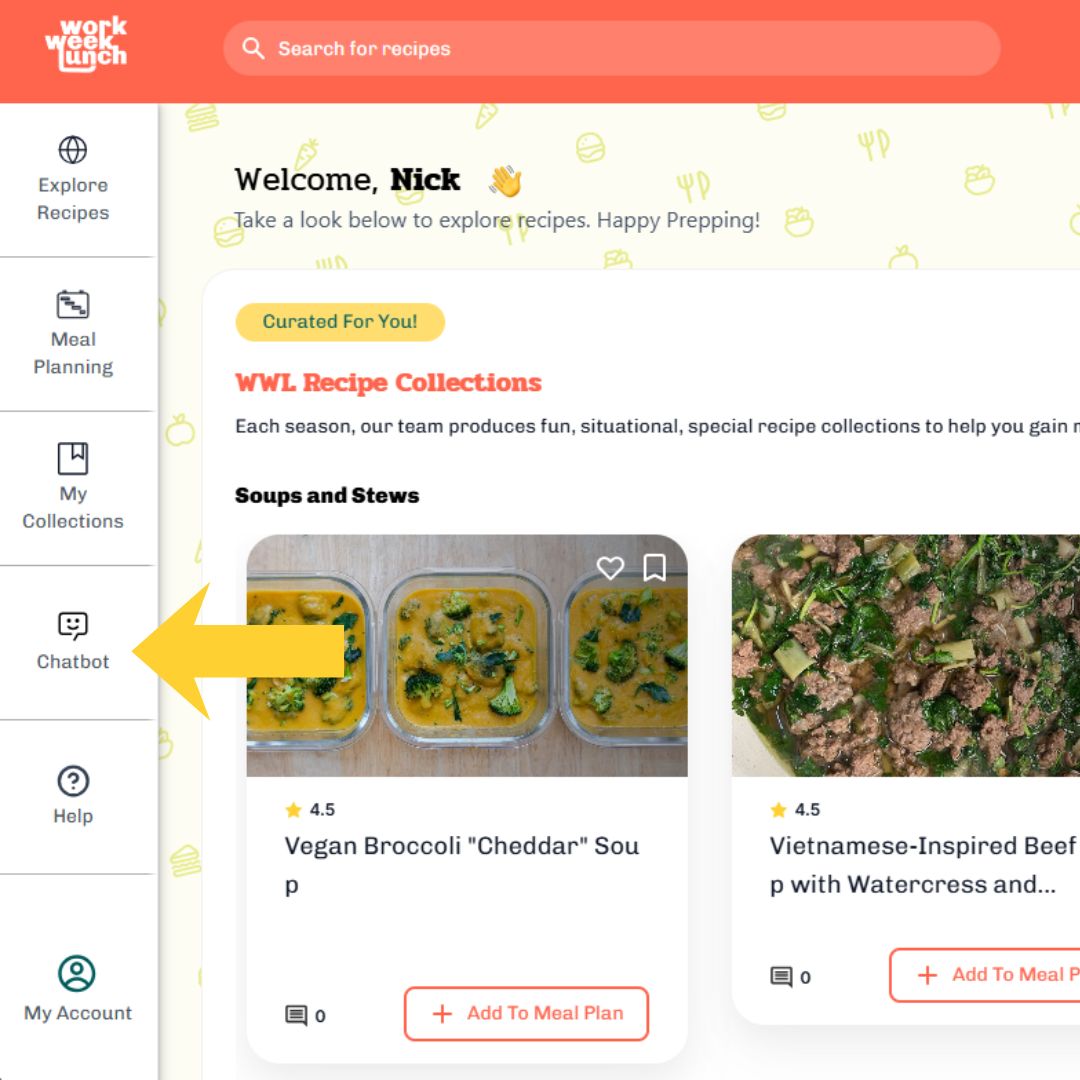
The accessibility of meal prep is further enhanced by the proliferation of resources and tools designed to simplify the process. Online recipe databases, meal planning apps, and even AI-powered assistants can guide individuals through recipe selection, grocery list generation, and portion planning. These technological advancements democratize the practice, making it a viable strategy for a wider audience.
Addressing Common Concerns
Several frequently asked questions highlight common hesitations about meal prepping:
- Effectiveness for Decision Fatigue: Meal prep directly combats decision fatigue by consolidating food choices into a single planning session. This conserves mental energy for other important decisions.
- Role in Weight Management: While not a magic bullet, meal prep significantly aids weight loss by reducing impulsive unhealthy food choices and facilitating adherence to dietary goals.
- Optimal Prep Duration: Most individuals find that prepping for three to four days at a time strikes a balance between freshness and efficiency, preventing boredom and food waste.
- Variety Concerns: Individuals who dislike eating the same meals can opt for component prepping, allowing for diverse meal combinations throughout the week.
- Beginner Strategies: Starting with one meal category (e.g., lunches) that presents the greatest challenge is an effective entry point for beginners.
- Maintaining Consistency: Consistency is fostered by simplifying the process through easy recipes, templated grocery lists, and repeating favored meals.
- Handling Plan Deviations: When plans falter, adjustments rather than abandonment are key. Utilizing backup meals, freezing extras, or modifying future prep quantities can help maintain momentum.
In conclusion, meal preparation serves as a powerful and practical strategy for mitigating the effects of decision fatigue. By shifting the cognitive load of food choices to a more opportune time, individuals can reclaim valuable mental energy, make healthier eating more accessible, and ultimately, foster a more balanced and less stressful lifestyle. The sustained practice of meal preparation is not about rigid adherence to a diet, but about building a sustainable system that supports well-being.