Evolution of the Recipe: A Ten-Year Retrospective
The conceptualization of the chocolate pumpkin muffin emerged from a common consumer dilemma during the autumn months: the necessity of choosing between the traditional, spice-forward profile of pumpkin-based desserts and the popularity of chocolate-based confectionery. Initially, home bakers addressed this through the simple addition of chocolate chips to standard pumpkin bread recipes. However, data from culinary archives indicate that by 2014, there was a growing demand for a more sophisticated balance where the chocolate profile served as a primary foundation rather than a secondary inclusion.
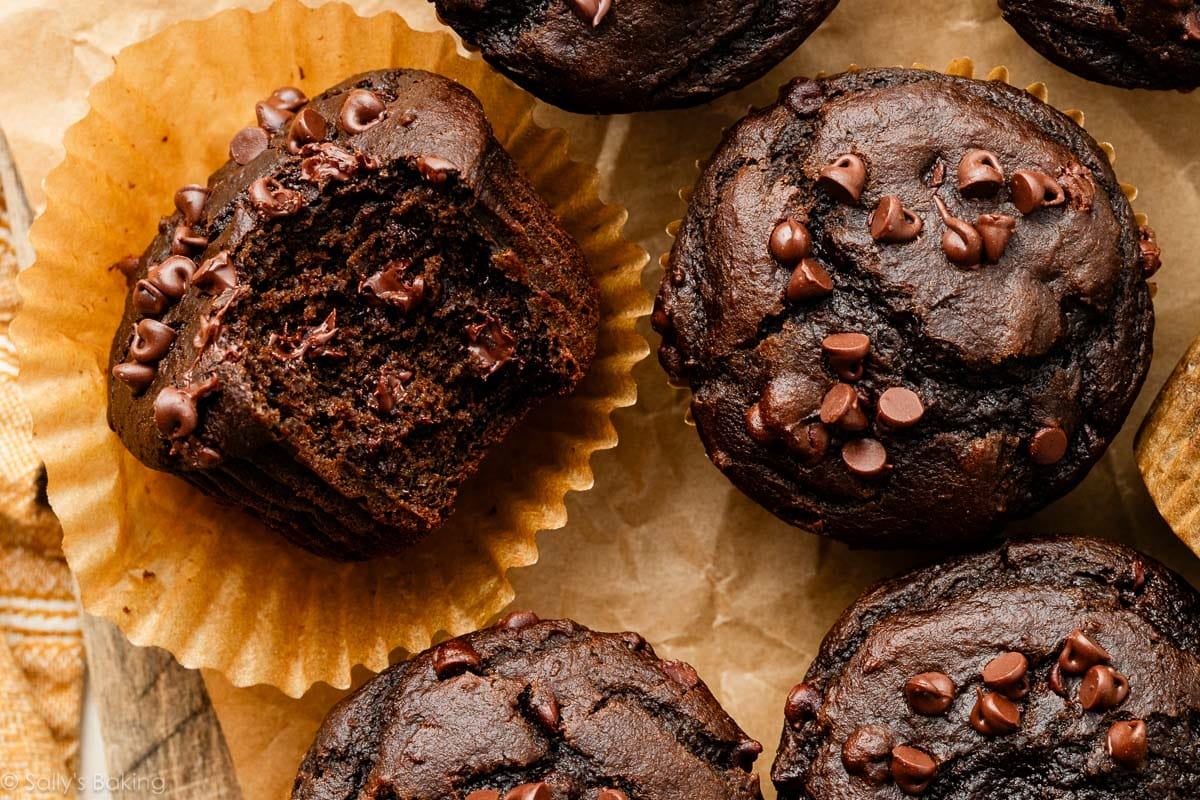
The original 2014 recipe focused on basic ratios of flour, pumpkin puree, and cocoa. Over the subsequent decade, the recipe underwent significant structural updates. Refinements focused on moisture retention—achieved through the incorporation of Greek yogurt and melted coconut oil—and the optimization of the crumb structure. These changes reflect a broader trend in home baking toward utilizing high-quality fats and acidity-balancing ingredients to improve the shelf-life and sensory experience of muffins without relying on industrial stabilizers.
The Science of Cocoa Blooming and Fat Hydration
A critical advancement in the preparation of these muffins is the requirement to bloom the cocoa powder. In culinary chemistry, cocoa powder contains starch and organic compounds that are often tightly bound. By incorporating the powder into warm melted coconut oil—or a similarly liquified fat—alongside maple syrup, the baker initiates a process that hydrates the cocoa particles.
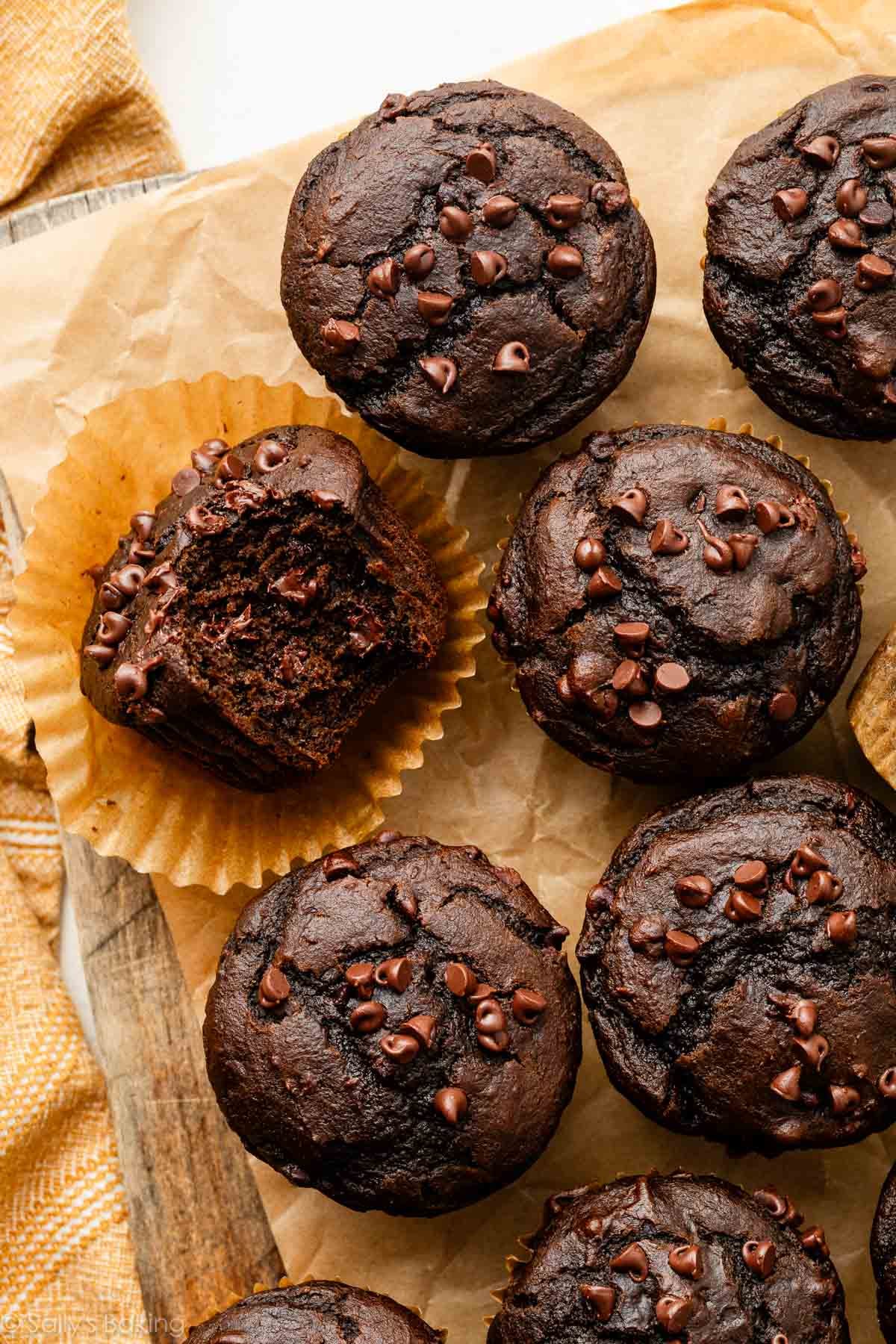
This step serves two distinct functions: it eliminates the raw, chalky texture often associated with high-cocoa recipes, and it amplifies the depth of the flavor profile by releasing volatile compounds that are otherwise dormant. The inclusion of maple syrup acts as a hygroscopic agent, assisting in the retention of moisture throughout the baking process. Because the batter relies on these specific interactions, temperature control is essential; using room-temperature secondary ingredients is necessary to prevent the coconut oil from prematurely solidifying, which would otherwise lead to an uneven, dense batter.
Chronological Baking Methodology: The Dual-Temperature Protocol
The production process for these muffins follows a precise chronological sequence designed to optimize the physical architecture of the finished product. The methodology is as follows:
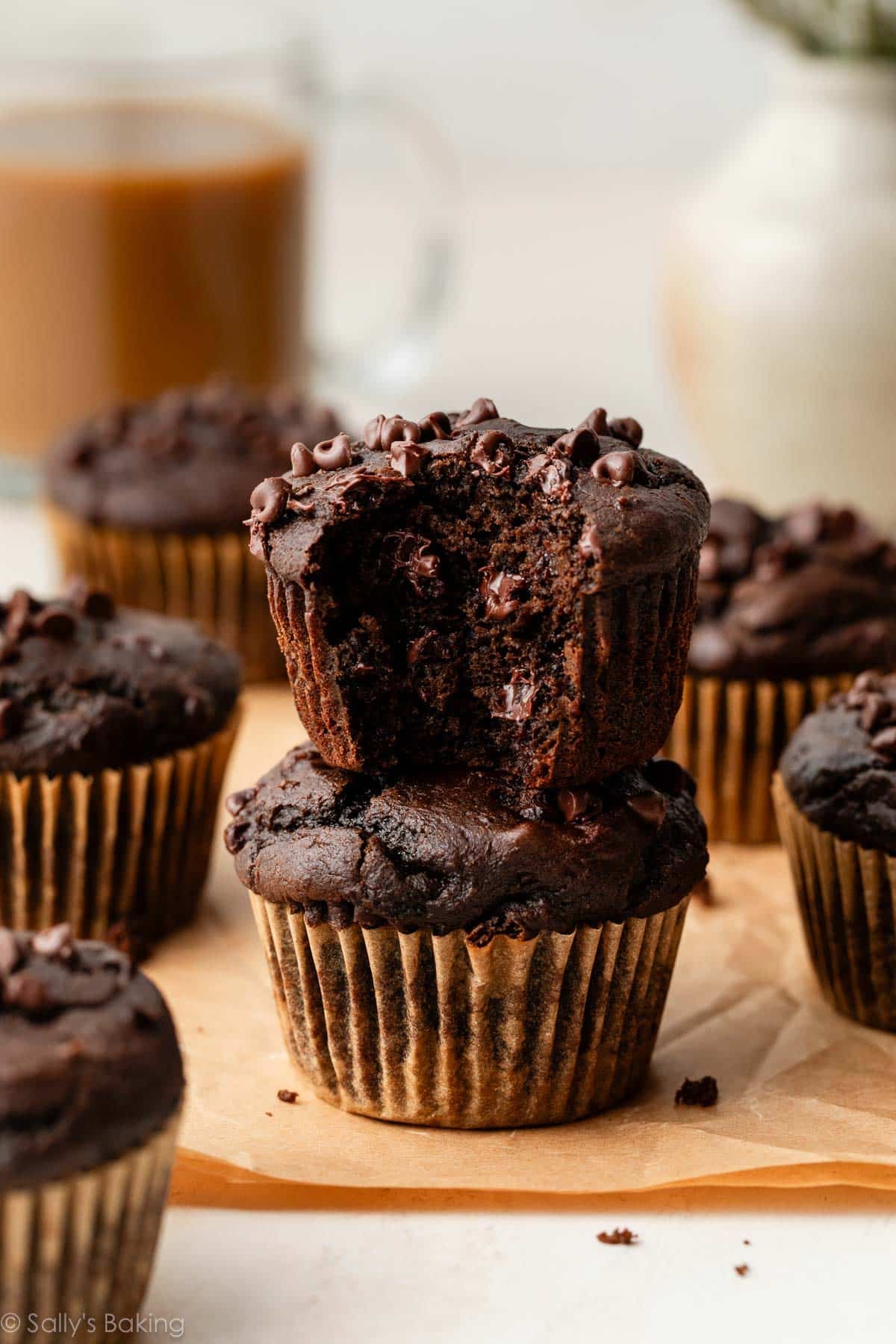
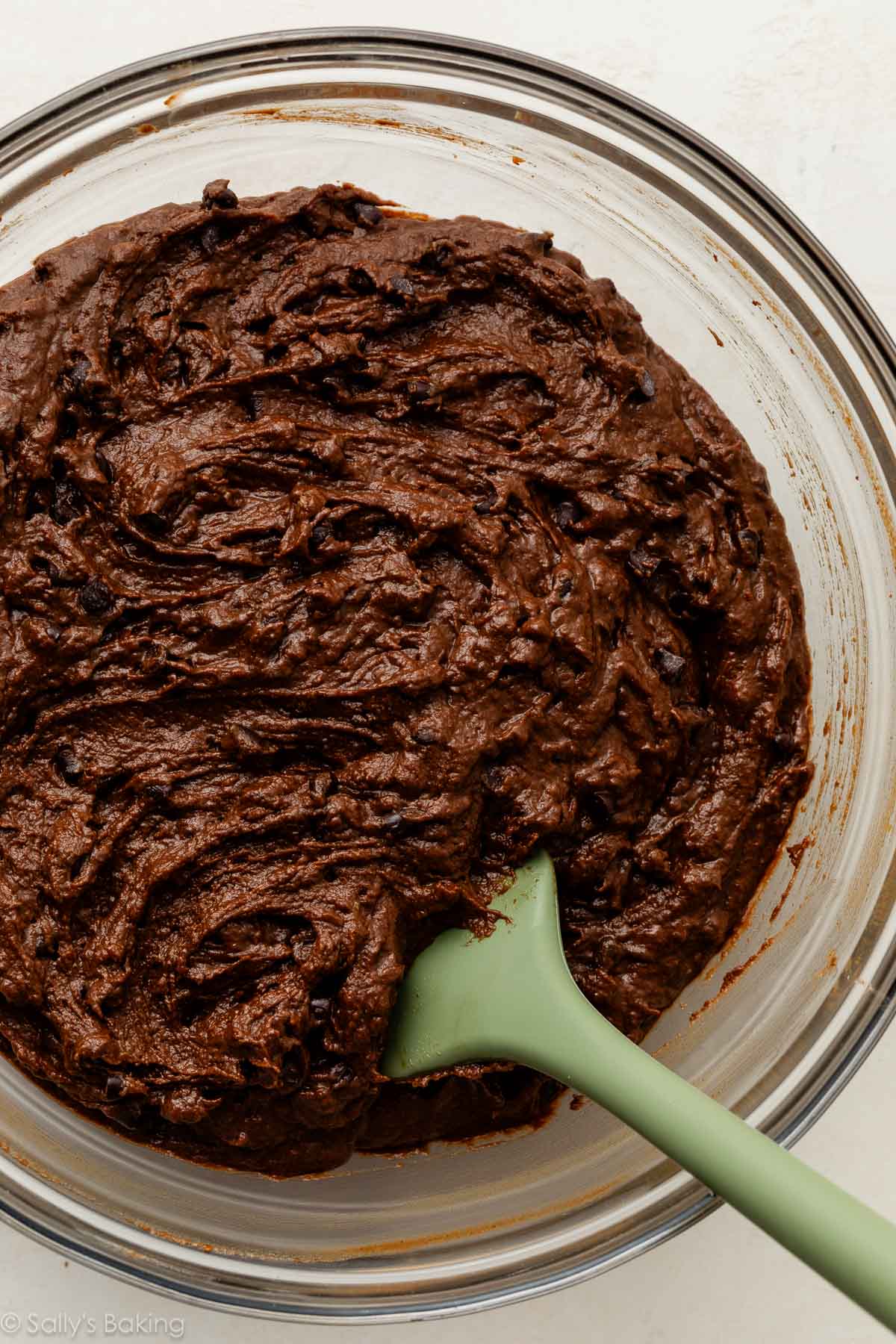
- Preparation Phase: The initial phase involves the synthesis of the cocoa-oil-syrup base. This is followed by the integration of room-temperature wet ingredients to ensure an emulsion is maintained.
- Dry Ingredient Integration: The dry components, including flour, baking soda, and baking powder, are introduced, followed by a light folding process to prevent over-mixing, which would lead to gluten development and a tougher final texture.
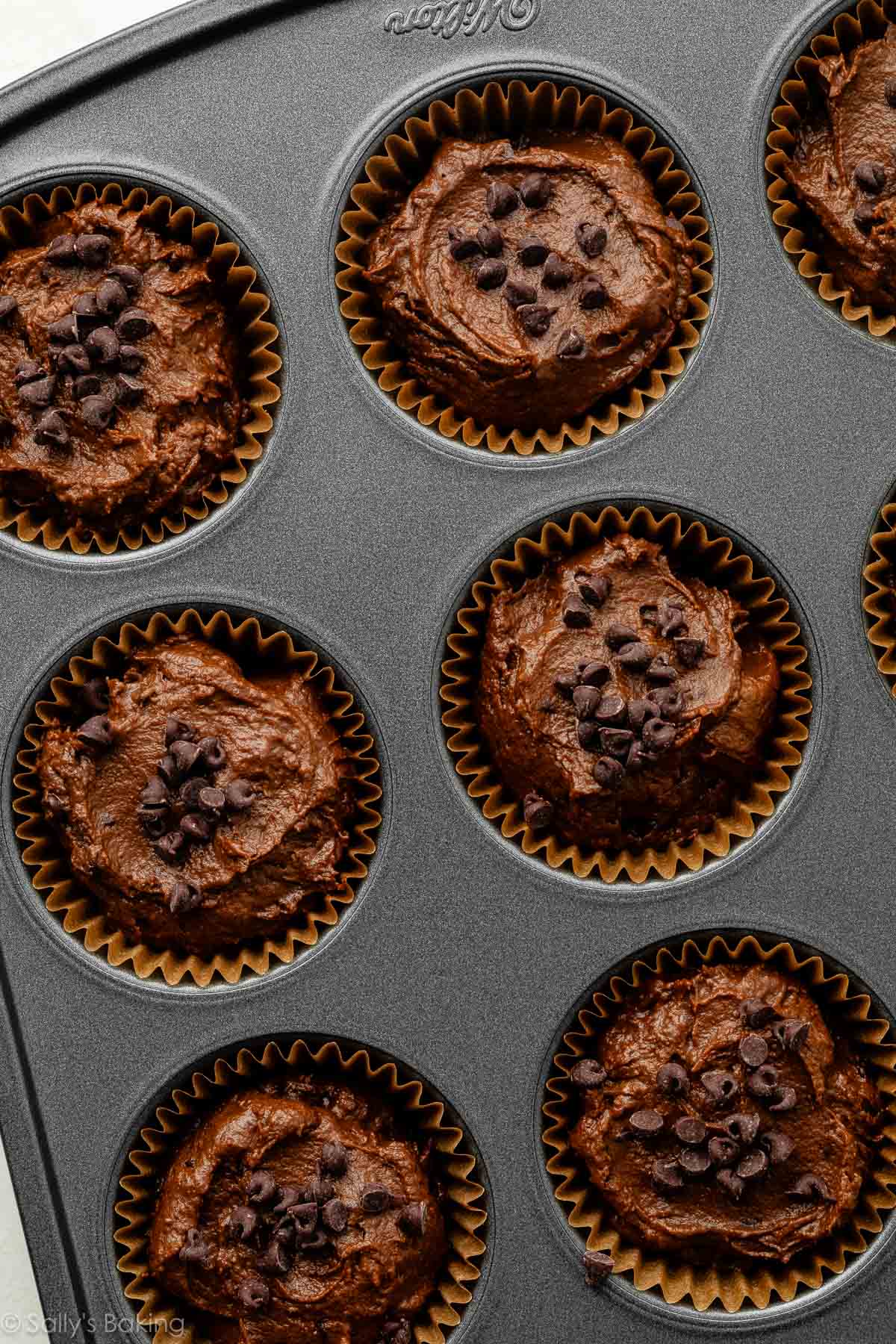
- Primary Baking Phase: The oven is preheated to 425°F (218°C). Upon entry, the muffins are subjected to this high heat for five minutes. This creates a rapid expansion of the leavening agents—baking soda and baking powder—resulting in the "bakery-style" rise that defines the aesthetics of professional-grade muffins.
- Secondary Baking Phase: Without opening the oven door, the temperature is reduced to 350°F (177°C) for approximately 15 minutes. This gentle thermal decline allows the interior of the muffin to reach the necessary internal temperature for structural set without scorching the exterior or drying out the crumb.
Ingredient Composition and Nutritional Context
The composition of these muffins serves to provide a more nutrient-dense alternative to traditional high-sugar muffins. The use of pumpkin puree provides a source of beta-carotene and dietary fiber, while Greek yogurt introduces protein and acidity, which reacts with the baking soda to assist in the leavening process.
Component Breakdown:
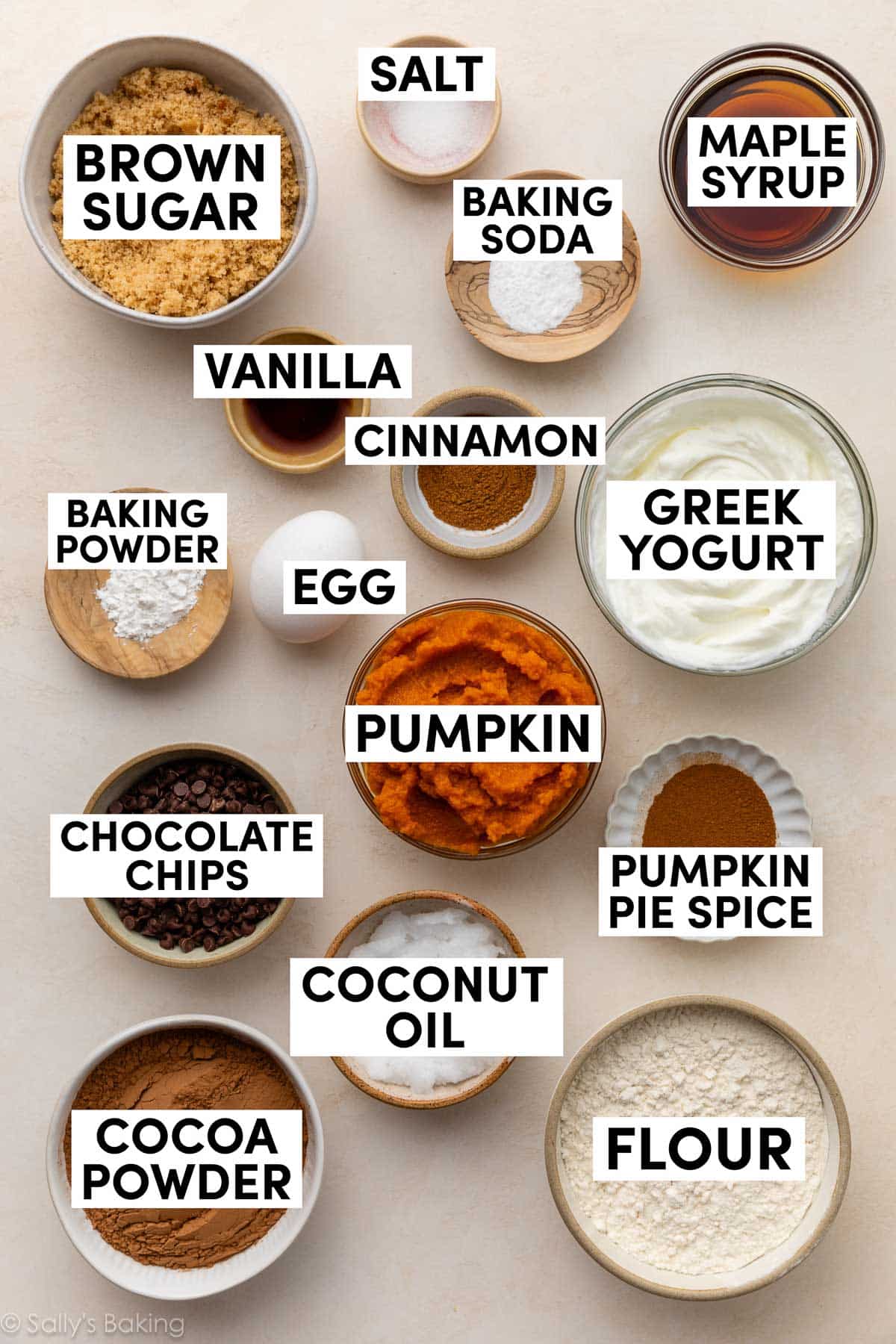
- Pumpkin Puree: Acts as the primary binding agent and provides the signature orange hue and subtle earthiness.
- Greek Yogurt: Essential for maintaining a moist crumb; the acidity also aids in the tenderness of the flour proteins.
- Maple Syrup: Serves as a natural sweetener that complements the earthy notes of pumpkin and the bitterness of the cocoa.
- Coconut Oil: Chosen for its specific melting point and ability to provide a clean fat profile that does not overpower the delicate spice mix.
- Pumpkin Pie Spice: A traditional blend of cinnamon, ginger, nutmeg, and cloves that triggers the sensory association with the autumn season.
Market Trends and Consumer Behavior
The sustained popularity of chocolate-pumpkin hybrids speaks to a shift in consumer behavior during the fall season. Industry analysts observe that seasonal "limited-time" flavors often drive retail and home-baking traffic. The chocolate-pumpkin segment, in particular, is viewed as a bridge between the late-summer harvest season and the heavier, decadent offerings of the mid-winter holiday season.
Furthermore, the emphasis on a "no-mixer-required" preparation style reflects a broader shift in the domestic baking market toward convenience-focused recipes. Data from culinary engagement metrics suggest that modern home bakers prioritize recipes that minimize cleanup while maximizing the visual and flavor-based output. By simplifying the process into a single-bowl method, the recipe addresses the demand for efficiency without sacrificing the complexity of the finished product.
Broader Implications for Home Baking
The refinement of the chocolate pumpkin muffin illustrates how traditional home-cooking recipes are increasingly being influenced by professional culinary techniques. By adopting methods such as temperature-stepping and ingredient blooming, the barrier between professional pastry production and home baking has diminished.
These muffins serve as a case study in the intersection of tradition and innovation. They maintain the core nostalgic elements of the pumpkin muffin—a staple of American autumn culture—while integrating the technical precision of modern pastry science. The result is a product that meets contemporary expectations for texture, flavor, and visual presentation.
As culinary practices continue to evolve, the documentation of these refinements becomes essential for historians and home bakers alike. The transition from the 2014 iteration to the current, refined standard provides a clear window into how small, evidence-based adjustments in technique can substantially elevate the quality of a home-baked good. These muffins continue to function as a significant representative of seasonal baking, demonstrating that even long-established recipes can benefit from a reassessment of their chemical and mechanical foundations.