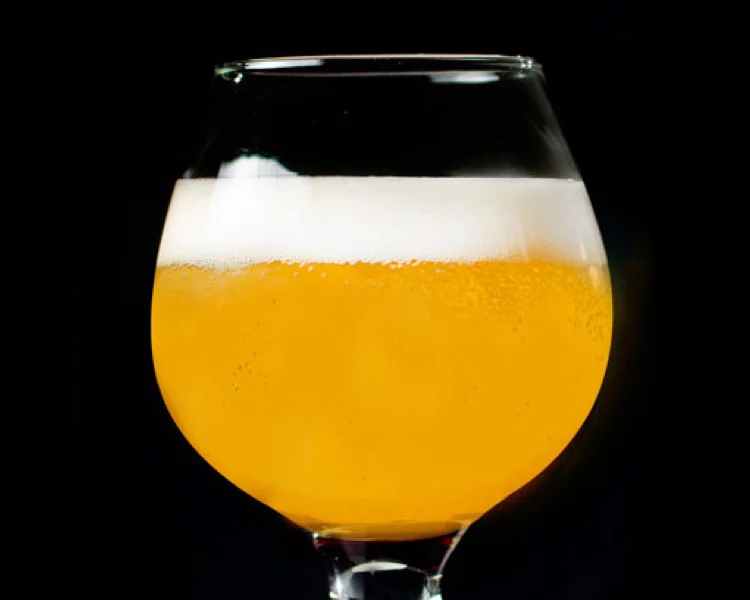

The craft beverage community has turned its attention to the official results of the 2026 National Homebrew Competition Final Round, where the American Homebrewers Association (AHA) has officially published its collection of gold medal-winning recipes. Representing the pinnacle of amateur fermentation from across the United States and international regions, the newly released archive highlights the meticulous craftsmanship, technical precision, and creative recipe formulation driving today’s homebrewing culture.
As commercial craft breweries increasingly look to the amateur sector for emerging flavor profiles and innovative techniques, this year’s catalog of winning beers, meads, and ciders serves as both a celebration of excellence and a technical blueprint for hobbyists seeking to elevate their craft.
Background and Context of the National Homebrew Competition
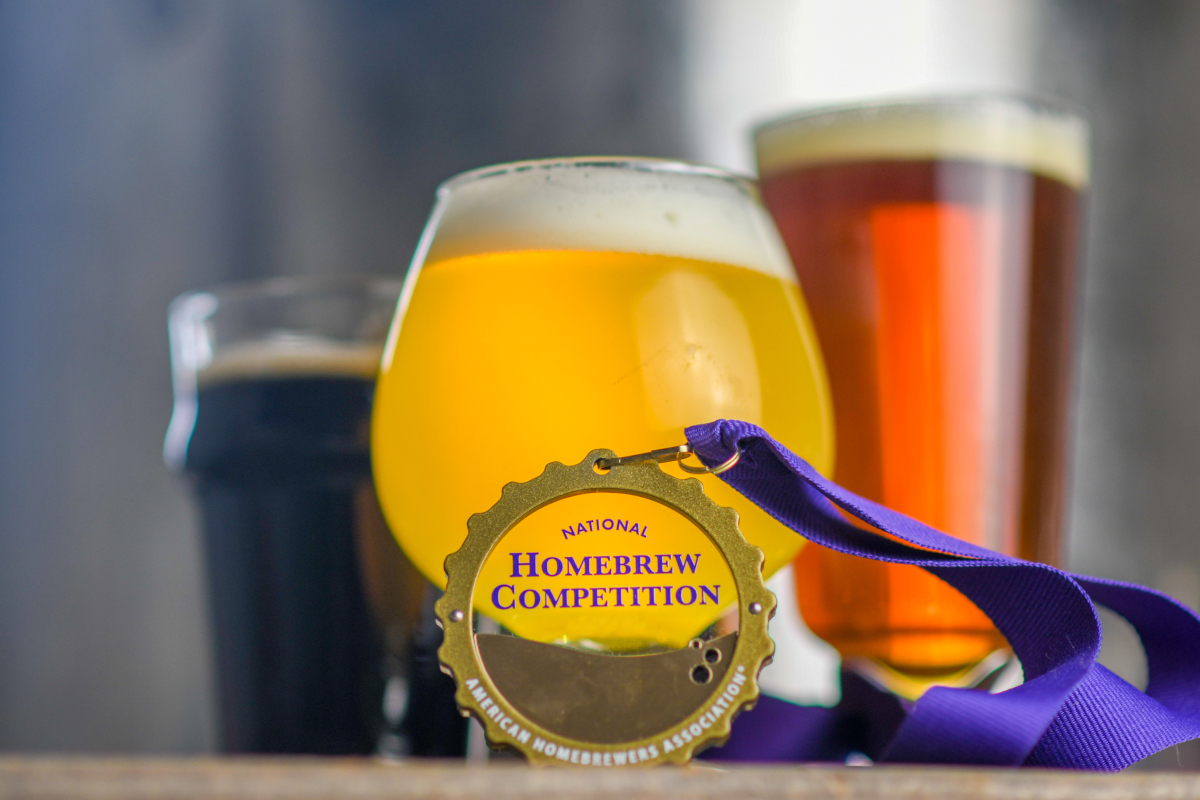
Established decades ago by the American Homebrewers Association, the National Homebrew Competition (NHC) is widely recognized as the world’s largest international amateur beer, mead, and cider competition. The event provides a rigorous platform for non-commercial fermenters to have their liquid creations evaluated by certified judges against the Beer Judge Certification Program (BJCP) style guidelines.
The path to a gold medal in the NHC is notoriously difficult. Participants must first navigate a series of highly competitive first-round regional competitions. Only the top-scoring entries advance to the final round, where a panel of master judges, professional brewers, and industry experts scrutinize appearance, aroma, flavor, mouthfeel, and overall technical execution. Securing a gold medal at this level requires not only an intuitive understanding of yeast management, water chemistry, and malt selection, but also flawless execution that leaves virtually zero room for off-flavors or process flaws.
Chronology of the 2026 Competition Cycle
The 2026 competition cycle followed a carefully orchestrated timeline designed to ensure thorough evaluation and quality control across all participating regions.

The season commenced in the early months of the year with nationwide registration, drawing thousands of entries spanning dozens of distinct categories. Regional judging events took place during the mid-spring window, utilizing designated judging centers where panels meticulously assessed each submission.
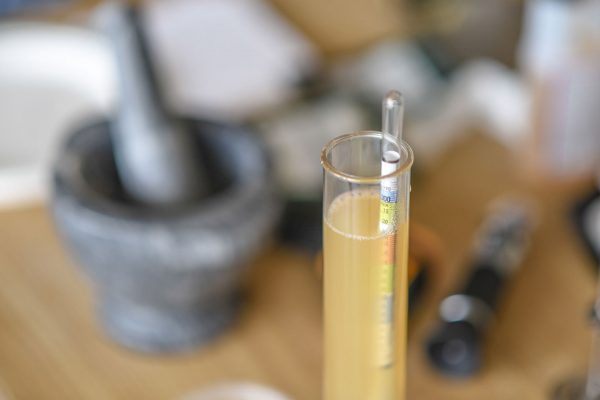
By late spring, advancing entries were consolidated for the final round judging, where the absolute best-of-the-best were identified. Following the verification of scores, the technical data—including Original Gravity (OG), Final Gravity (FG), Alcohol by Volume (ABV), International Bitterness Units (IBU), and Standard Reference Method (SRM) color metrics—were compiled. The culmination of this multi-month process arrived with the public release of the medal-winning recipes on the HomebrewersAssociation.org database, granting homebrewers worldwide immediate access to the formulas behind the 2026 champions.
A Technical Overview of the Winning Formulas
The 2026 gold medal recipes showcase an impressive diversity of styles, ranging from traditional European lagers and English ales to experimental meads and high-gravity ciders. A closer examination of the published data reveals the precise parameters that set these winning entries apart.

Among the lager categories, entries such as the "German Pils" (noted in previous competition cycles as "String of Perles") demonstrated the exacting standards required for clean styles, registering a crisp 5.2% ABV, 35 IBUs, and a pale 3.4 SRM. Similarly, the "Czech Amber Lager" balanced malt complexity with traditional noble hop bitterness, hitting 5.6% ABV, 35 IBUs, and an SRM of 14.
Darker styles and high-gravity offerings pushed the technical boundaries of homebrewing equipment. The "Hickory Dickory Weizenbock" showcased a robust 7.9% ABV alongside a restrained 17.6 IBUs and a 12.4 SRM, proving that malt-forward German wheat styles can achieve immense depth without excessive bitterness. On the heavier end of the spectrum, entries like "Hard Days Night" reached a formidable 10.4% ABV with 38 IBUs and a 22 SRM, while the high-octane specialty brew "BDSM" topped the scale at an impressive 11.2% ABV, 26 IBUs, and a dark 30 SRM.
The mead and cider categories introduced unique analytical profiles that highlighted fermentation mastery. The award-winning "Meaders Added Context…" achieved an 11.55% ABV from an Original Gravity of 1.090 (21.5°P), fermenting cleanly down to a Final Gravity of 1.002 (0.5°P). Meanwhile, experimental entries pushed boundaries further: "Smoking Cassis" recorded a staggering 16% ABV with an OG of 1.160 (36.2°P), and the "Eyes Pie Perry" balanced a 14% ABV with an elevated final gravity of 1.066 (16.2°P), showcasing expert control over residual sweetness and yeast attenuation.
Statements and Industry Reactions
While individual homebrewers frequently view the competition as a personal test of skill, the broader craft beverage industry closely monitors the NHC results to identify emerging consumer preferences and ingredient trends.
Representatives from the American Homebrewers Association noted that the 2026 submissions reflected an extraordinary level of technical sophistication. Industry analysts point out that as homebrewing equipment—such as automated brewing systems, precision temperature-control units, and advanced water chemistry profiling tools—becomes increasingly accessible to consumers, the baseline quality of amateur entries continues to rise. Professional brewers frequently attend or review these competitions as a scouting mechanism, often collaborating with gold medal-winning homebrewers to scale up their recipes for commercial release through pro-am partnerships.
Broader Impact and Economic Implications
The annual release of the National Homebrew Competition recipes carries significant weight within the domestic and international craft brewing ecosystem. Beyond recognizing individual achievement, the event acts as a vital educational engine for the hobbyist community. By making winning formulas transparent—complete with analytical data like ABV, IBU, SRM, and gravity readings—the AHA fosters a culture of open-source knowledge sharing.
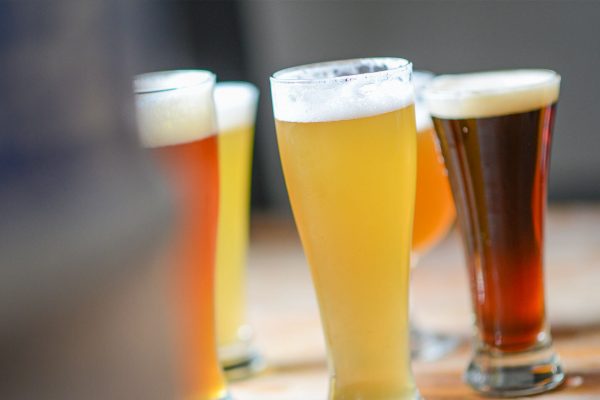
Furthermore, the homebrewing sector remains a foundational pillar of the broader craft beverage economy. Innovation in amateur brewing frequently precedes commercial market trends. Ingredients, fermentation strains, and style interpretations that win gold medals at the NHC often influence commercial taprooms within subsequent quarters. By lowering the barrier to advanced brewing knowledge, the competition ensures a continuous pipeline of passionate, highly skilled individuals entering the professional brewing and cidery workforce.
Homebrewers and enthusiasts looking to replicate these award-winning creations, or explore historical winning formulas from past years, can access the complete, searchable recipe archive directly through the official Homebrewers Association website.