
The American Homebrewers Association (AHA) has officially announced a call for applications for the prestigious position of National Homebrew Competition (NHC) Chair, a volunteer leadership role that oversees the most significant amateur brewing competition in the world. This appointment, which spans from December 1, 2025, through July 31, 2026, offers a unique opportunity for a dedicated community leader to shape the standards of excellence in the global homebrewing circuit. Prospective candidates are invited to submit their resumes and a statement of interest to Julia Herz, the Executive Director of the AHA, by the November 10 deadline. This role is not merely administrative; it serves as the public face of the NHC, a competition that has become the definitive benchmark for amateur beer, mead, and cider production.
The National Homebrew Competition Chair is tasked with a wide range of responsibilities that ensure the integrity, educational value, and logistical success of the event. As a high-visibility leadership post, the Chair works closely with the AHA staff and a vast network of volunteers to steward a competition that attracts thousands of entries from across the globe. While the position is a volunteer role, the AHA provides a stipend to defray travel expenses, acknowledging the significant commitment required to manage an event of this scale. The Chair is expected to be a pillar of the brewing community, embodying the AHA’s mission to inspire, educate, and celebrate the art of fermentation.
The Strategic Importance of the National Homebrew Competition
The NHC is more than a contest; it is a critical component of the brewing industry’s ecosystem. Since its inception in 1979, the competition has served as a proving ground for many of the world’s most celebrated professional brewers. The rigorous evaluation process, which utilizes the Beer Judge Certification Program (BJCP) guidelines, provides homebrewers with professional-grade feedback, helping to elevate the quality of fermented beverages worldwide. By appointing a dedicated Chair, the AHA ensures that the competition remains at the forefront of the movement, adapting to new trends in brewing while maintaining the traditional standards that have made it the "Gold Standard" of amateur competitions.
The role of the Chair involves overseeing the judging process, coordinating with regional organizers, and ensuring that the final round of the competition—typically held in conjunction with the annual Homebrew Con—is executed with precision. The Chair’s influence extends to the selection and training of judges and stewards, ensuring that every entry, whether it be a traditional German Pilsner or an experimental fruit mead, receives a fair and expert evaluation.
A Historical Perspective: From Humble Beginnings to Global Scale
The National Homebrew Competition was founded in 1979, just one year after the American Homebrewers Association was established by Charlie Papazian. At the time, homebrewing was a niche hobby, recently legalized at the federal level in the United States by President Jimmy Carter. The first competition saw a modest 34 entries, yet it laid the foundation for what would become a global phenomenon. Over the decades, the NHC has grown exponentially. According to historical data provided by the AHA, nearly 170,000 entries have been evaluated since the competition’s founding, representing the work of hundreds of thousands of fermenters.
This growth mirrors the explosion of the craft beer industry in the United States. In the late 1970s, there were fewer than 100 breweries in operation; today, that number exceeds 9,000. Many of these professional establishments were founded by individuals who began their journeys as AHA members and NHC participants. The competition has thus served as a vital "R&D" department for the broader beer industry, fostering innovation and a deep respect for technical proficiency.
Chronology and Milestone Responsibilities
The tenure of the NHC Chair is structured around a rigorous timeline that aligns with the competition’s annual cycle. Beginning in December 2025, the Chair will engage in initial planning sessions, reviewing the previous year’s feedback and setting the strategic goals for the 2026 cycle. This early phase is critical for establishing the judging criteria and ensuring that the logistical framework is robust enough to handle the volume of entries.
By the spring of 2026, the focus shifts to the regional first-round judging sites. The Chair provides guidance to regional coordinators, ensuring consistency in how the BJCP standards are applied across different locations. This period requires significant communication and organizational skills, as the Chair acts as the primary liaison between the AHA headquarters and the local volunteer committees.
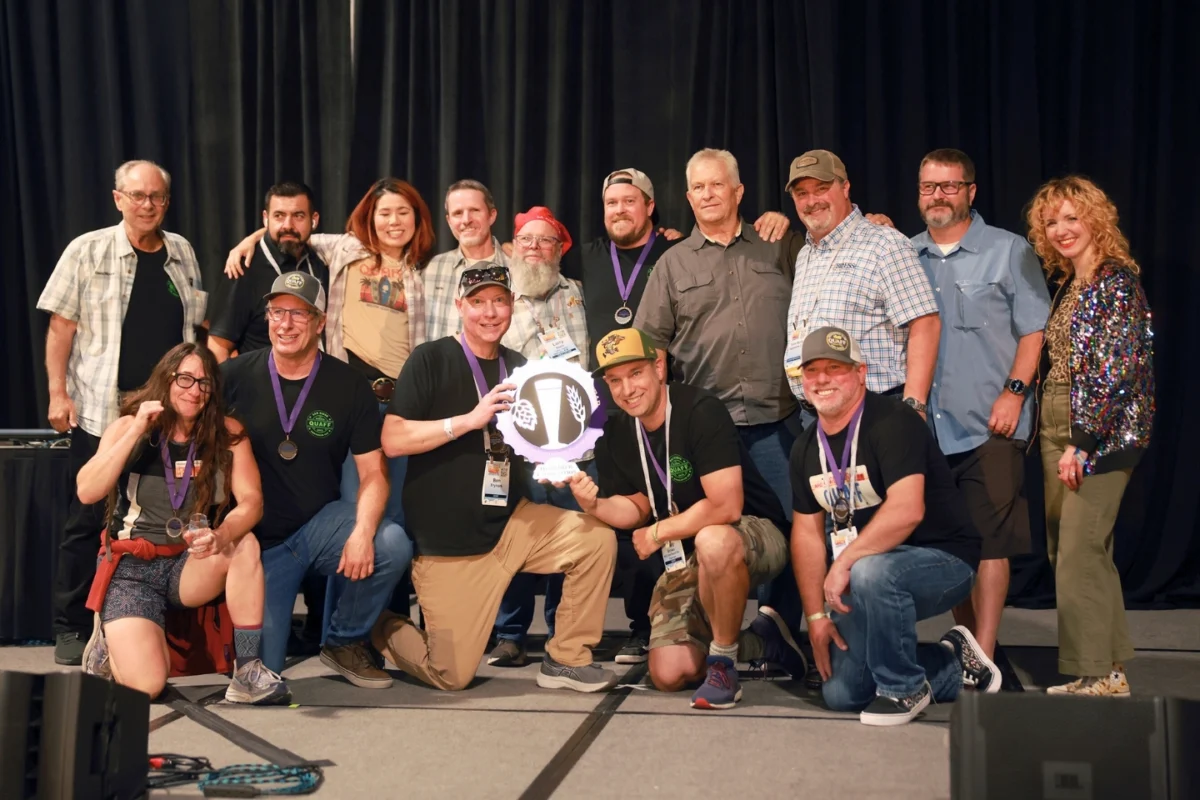
The culmination of the Chair’s responsibilities occurs in the summer, leading up to the final awards ceremony in July 2026. This period involves the final round of judging, where the top-scoring entries from the regional rounds are evaluated to determine the medalists in dozens of categories. The Chair is the central figure at the NHC awards ceremony, often held during Homebrew Con, where they announce the winners and present the prestigious "Homebrewer of the Year," "Cidermaker of the Year," and "Meadmaker of the Year" awards.
Supporting Data: The Impact of the AHA and NHC
The American Homebrewers Association currently serves a community of approximately 20,000 members. These members are part of a larger population of an estimated 1.1 million homebrewers in the United States alone. The AHA provides these enthusiasts with a wealth of resources, including Zymurgy magazine, access to NHC-validated recipes, and a network of AHA Member Deals at breweries and supply shops across the country.
The NHC itself is a massive logistical undertaking. In recent years, the competition has required:
- Thousands of volunteer hours from judges and stewards.
- Dozens of regional judging sites across the United States.
- The evaluation of thousands of individual bottles and cans.
- Strict adherence to over 30 distinct style categories, ranging from Light Lagers to Specialty Ciders.
The economic impact of homebrewing is also notable. Homebrewers contribute significantly to the economy through the purchase of ingredients, equipment, and educational materials. Furthermore, the skills developed through NHC participation often translate into professional careers, contributing to the $28 billion craft beer industry in the U.S.
Official Responses and Community Implications
While the AHA has not released specific statements from the outgoing leadership, the organization’s Executive Director, Julia Herz, has consistently emphasized the importance of volunteerism in the brewing community. In various industry forums, Herz has noted that the strength of the AHA lies in its members’ willingness to give back to the hobby. The appointment of a new NHC Chair is seen as a vital step in maintaining the "by members, for members" ethos that has defined the association for nearly 50 years.
Industry analysts suggest that the role of the NHC Chair is becoming increasingly complex as the hobby evolves. With the rise of non-alcoholic brewing, gluten-free beers, and the continued popularity of mead and cider, the Chair must stay abreast of technical advancements and shifting consumer preferences. The brewing community views the NHC Chair as a guardian of quality, ensuring that the competition remains relevant in a rapidly changing beverage landscape.
Broader Impact and the Vision for the Future
The search for a new NHC Chair comes at a time when the AHA is doubling down on its vision: "A homebrewer in every neighborhood and a homebrew club in every community." This vision recognizes that homebrewing is more than just a way to make beer; it is a catalyst for community building and local engagement. Homebrew clubs often serve as social hubs, and the NHC provides these clubs with a sense of purpose and a platform for friendly competition.
The NHC Chair plays a pivotal role in this community-centric vision. By fostering a fair and prestigious competition environment, the Chair encourages brewers to join clubs, share knowledge, and strive for excellence. This, in turn, strengthens the local brewing culture and ensures the long-term health of the hobby.
As the December 1 start date approaches, the AHA is looking for a candidate who possesses not only a deep knowledge of brewing and judging but also the leadership acumen to manage a diverse group of stakeholders. The successful applicant will join a legacy of leaders who have helped shape the modern beer movement, leaving a lasting impact on thousands of brewers worldwide.
Application and Selection Process
Qualified individuals are encouraged to apply by submitting a resume and a short statement of interest to the AHA Executive Director. The selection process will likely focus on the candidate’s history within the homebrewing community, their experience with large-scale event management, and their vision for the future of the NHC. Given the high-visibility nature of the role, the AHA is seeking a communicator who can represent the organization with professionalism and passion.
The November 10 deadline is a firm cutoff, allowing the AHA leadership enough time to conduct interviews and finalize the appointment before the December 1 start date. For the chosen candidate, the next eight months will be a whirlwind of activity, culminating in the celebration of the world’s best homebrewers in July 2026. This role represents the pinnacle of volunteer service in the brewing world, offering the chance to lead an institution that has defined the hobby for generations.