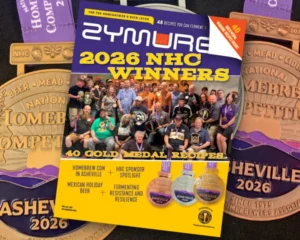

The art of craft brewing reached a new milestone as Jeff Zwetsch and Don Frakes of Anaheim, California, secured the prestigious gold medal in Category 1: Pale American Beer at the final round of the 2026 National Homebrew Competition. Representing the Ace Brewing Society, the duo triumphed over a highly competitive field of 104 entries, showcasing exceptional technical mastery, precision, and dedication to the craft of independent fermentation. This year’s victory underscores the growing sophistication of amateur brewing communities in Southern California and highlights the rigorous standards upheld by the premier amateur brewing event in the world.
The National Homebrew Competition, organized annually by the American Homebrewers Association (AHA), represents the culmination of regional and preliminary judging rounds designed to evaluate the finest amateur fermented beverages globally. Earning a medal in this esteemed contest requires navigating a multi-layered evaluation process where entries are judged against strict style guidelines established by the Beer Judge Certification Program (BJCP). Zwetsch and Frakes’ winning Pale American Beer distinguished itself through a harmonious balance of malt sweetness, subtle hop bitterness, clean fermentation profiles, and visual clarity—hallmarks of the style that demand flawless execution during both the brewing and packaging stages.
Background Context and the Evolution of the Competition
To understand the magnitude of the achievement by Zwetsch and Frakes, one must examine the rich history and evolution of the National Homebrew Competition. Established decades ago to foster the craft of homebrewing following the federal legalization of home-scale beer production in the United States, the competition has grown from a modest gathering of enthusiasts into the largest international beer competition of its kind. Today, tens of thousands of entries are submitted annually across dozens of distinct categories, ranging from traditional lagers and ales to experimental fruit beers, meads, and ciders.
The journey to the final round is arduous. Brewers must first excel in regional competitions, where panel judges meticulously evaluate aroma, appearance, flavor, and mouthfeel. Only the top-scoring entries advance to the final round, where a grand master panel of judges reassesses the top contenders to determine the gold, silver, and bronze medalists. For Category 1: Pale American Beer, the competition is historically fierce. This category encompasses styles such as American Wheat Beer, Cream Ale, and American Blonde Ale, which leave virtually no room for technical flaws. Off-flavors that might be masked in heavier, hop-forward IPAs or dark stouts are immediately noticeable in lighter American beer styles, making the gold medal won by the Anaheim brewers a testament to their unwavering precision.
Chronology of the 2026 Event and the Road to Gold
The path to the 2026 National Homebrew Competition Final Round spans nearly a year of preparation, formulation, and iterative brewing.
Phase one of the timeline began in late 2025, when local homebrew clubs, including the Ace Brewing Society, initiated internal competitions and feedback sessions. For Zwetsch and Frakes, perfecting their Pale American Beer recipe involved months of rigorous testing, adjusting water chemistry profiles, experimenting with hop varieties, and refining fermentation temperature controls to ensure a crisp, clean finish.
Phase two unfolded in early 2026, as regional preliminary judging sessions commenced across multiple operational hubs in North America. Thousands of homebrewers submitted their bottled or kegged creations, hoping to secure one of the coveted advancement slots for the final round. The competition received widespread participation from across the United States, Canada, and international affiliates, reflecting the global reach of the amateur brewing community.
Phase three culminated in the final round judging, where elite BJCP judges convened to evaluate the finalists. Out of 104 elite entries in Category 1: Pale American Beer, the panel evaluated the physical properties and sensory attributes of Zwetsch and Frakes’ brew. By consistently meeting or exceeding the stringent BJCP guidelines for balance, drinkability, and technical execution, the Anaheim duo’s beer was unanimously selected for the gold medal.

Statements and Reactions from the Brewing Community
While specific direct quotes from Jeff Zwetsch and Don Frakes remain part of their private celebrations with the Ace Brewing Society, reactions from regional homebrewing leaders and association representatives highlight the broader significance of the victory.
Regional brewing advocates noted that success at the national level requires a collaborative environment where knowledge is shared freely. The Ace Brewing Society, a prominent hub for amateur brewers in Orange County, California, has long cultivated an ecosystem of peer review, equipment sharing, and educational workshops. Members frequently conduct sensory panels to train their palates, ensuring that recipes taken to national competitions are thoroughly vetted against objective standards.
Industry observers and AHA representatives emphasized that victories by dedicated homebrewers often serve as the incubator for the broader commercial craft beer industry. Many of the most successful commercial craft breweries operating today trace their foundational recipes and brewing philosophies back to medals won on the amateur circuit. While Zwetsch and Frakes focused their efforts purely on the pursuit of amateur excellence, achievements of this caliber frequently inspire the next generation of professional brewmasters.
Technical Analysis and BJCP Standards for Pale American Beer
Category 1: Pale American Beer is defined by its approachable, refreshing, and clean character. According to the Beer Judge Certification Program style guidelines, beers in this category are designed for high drinkability and broad appeal, yet they present a distinct challenge to the brewer due to their simplicity.
A successful Pale American Beer must exhibit the following characteristics:
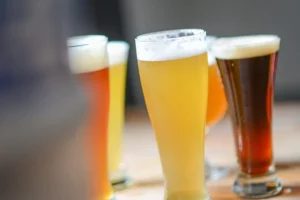
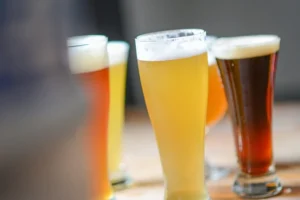
- Appearance: Straw to light gold in color, with high clarity and a white, persistent head.
- Aroma: Low to medium-low malt sweetness, potentially featuring a light grainy or bready quality. Hop aroma is typically low to moderate, often showcasing floral, herbal, citrus, or fruity American hop attributes without being overpowering.
- Flavor: Initial malt sweetness followed by a moderate, clean bitterness. The finish is crisp and dry, without lingering heavy sweetness or astringency. Diacetyl and DMS (dimethyl sulfide) must be absent.
- Mouthfeel: Light to medium-light body, with a high degree of carbonation that enhances the refreshing qualities of the beverage.
Achieving this exact balance requires meticulous control over mash temperatures, yeast selection, fermentation timelines, and sanitation protocols. Zwetsch and Frakes demonstrated mastery over these variables, ensuring that their gold-winning entry met every technical benchmark established by the judging panel.
Broader Impact and Implications for Homebrewing Culture
The recognition of Zwetsch and Frakes at the 2026 National Homebrew Competition carries significant implications for the broader culture of home fermentation. As commercial craft beer markets face increased saturation and evolving consumer preferences, the amateur sector continues to thrive as a bastion of experimentation, education, and community-driven passion.
Events like the National Homebrew Competition validate the rigorous science and artistic dedication required to brew exceptional beverages at home. For local clubs like the Ace Brewing Society, bringing home a national gold medal elevates the profile of regional brewing communities, proving that world-class expertise can emerge from local garages, basements, and backyard setups.
Furthermore, the availability of comprehensive resources—such as the American Homebrewers Association’s extensive databases of medal-winning recipes, educational guides, and member networks—ensures that enthusiasts have continuous access to the tools needed to refine their craft. As new generations of brewers enter the hobby, benchmarks set by competitors like Zwetsch and Frakes will continue to inspire higher standards of quality, safety, and innovation across the global homebrewing landscape.