
The American Homebrewers Association (AHA) has officially released the May/June 2026 edition of Zymurgy, its flagship publication dedicated to the art and science of fermentation. This latest installment serves as a comprehensive global survey of contemporary brewing, bridging the gap between ancient European traditions and cutting-edge biotechnological applications. Featuring a diverse array of content ranging from the formal recognition of regional beer styles to the use of brewer’s yeast in medical research, the issue underscores the evolving role of the homebrewer in both the culinary and scientific communities.
Central to this issue is a deep dive into the emerging "Ukrainian Golden Ale," a style currently seeking broader international classification. This is accompanied by technical explorations of German Dunkel, Italian Saison, and the unique terroir of Tuscan homebrewing. Beyond the brewhouse, the publication highlights a significant intersection of zymurgy and virology, documenting how common fermentation agents are being utilized to develop vaccines for lethal viral groups.

The Evolution of Ukrainian Golden Ale and Global Style Recognition
The cover story, authored by noted beer writer and historian Lana Svitankova, provides a definitive look at Ukrainian Golden Ale. Historically positioned between the lighter profile of a British Golden Ale and the high-gravity complexity of a Belgian Golden Strong Ale, this style has become a symbol of national identity and brewing prowess in Eastern Europe.
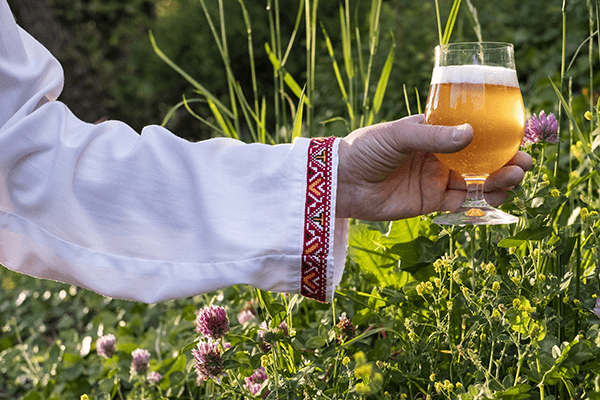
According to the technical specifications outlined in the issue, Ukrainian Golden Ale typically features a prominent malt sweetness, often balanced by a distinct hop character that utilizes both noble and modern varieties. The style’s hallmark is its versatility and approachable strength, usually ranging between 6% and 7.5% alcohol by volume (ABV). Svitankova’s analysis tracks the efforts of the Ukrainian brewing community to have this style officially recognized by international bodies such as the Beer Judge Certification Program (BJCP).
The inclusion of this style in Zymurgy marks a significant milestone in the globalization of homebrewing knowledge. By providing 14 curated recipes, including a standardized version of the Ukrainian Golden Ale, the magazine enables enthusiasts worldwide to replicate and refine these regional specialties, effectively crowdsourcing the "calibration" of the style for future competitive standards.

Technical Mastery: From Bavarian Dunkels to Italian Saisons
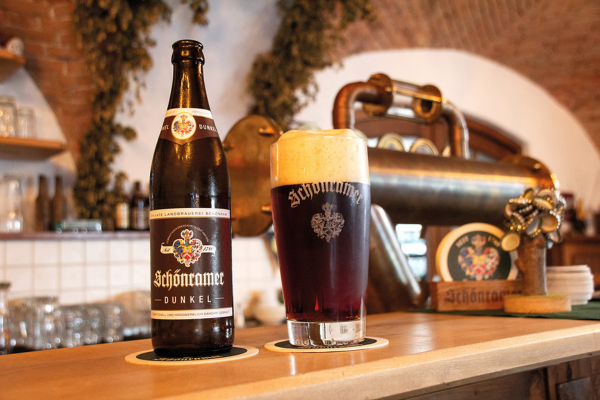
The May/June 2026 issue places a heavy emphasis on technical proficiency, particularly concerning malt balance and fermentation temperature control. A featured segment on German Dunkel explores the historical roots of this Munich classic. The article details the "secret" to brewing an authentic Dunkel: achieving a rich, toasted malt profile through the use of Munich and Pilsner malts while maintaining a high degree of attenuative "drinkability." This section provides homebrewers with data on decoction mashing—a traditional technique that enhances the Maillard reaction, leading to the complex melanoidins characteristic of the style.
The focus then shifts to the Mediterranean, where Carlo Sesia, a gold medalist in the National Homebrew Competition, shares his methodology for brewing Belgian-style Saisons in Northern Italy. Sesia’s approach emphasizes the importance of yeast selection and the management of phenolic and ester production. His work demonstrates how regional environmental factors, such as ambient temperature and local water chemistry, can influence the final profile of a style traditionally associated with the farmhouses of Wallonia.
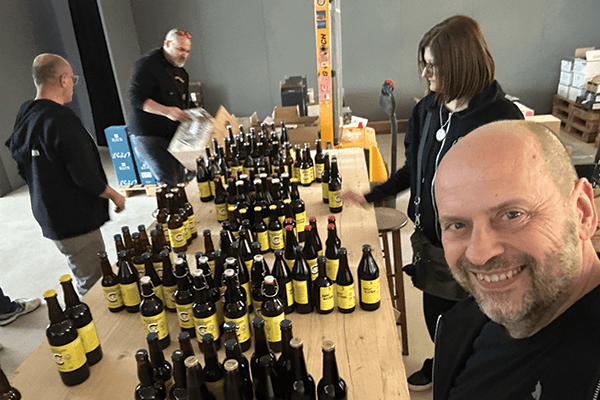
In a related feature, the magazine examines the "Homebrewers Fiorentini," a club based in Tuscany. This group has gained notoriety for integrating local agricultural products—grape must, honey, and wine-soaked oak—into their fermentation processes. This "Italian Grape Ale" (IGA) influence represents a broader trend in the hobby: the move toward hyper-localism and the blurring of lines between oenology and zymurgy.
The Intersection of Yeast and Medicine: The Vaccine Beer Project
One of the most provocative features in this issue is the story of Chris Buck, an American virologist and avid homebrewer. Buck’s research has identified a revolutionary use for Saccharomyces cerevisiae—the standard yeast used in ale production. His work demonstrates that the same biological pathways used to convert sugars into ethanol and carbon dioxide can be engineered to produce proteins for vaccines against polyomaviruses.
Polyomaviruses are a group of DNA viruses that can cause severe disease in immunocompromised individuals. Buck’s "Vaccine Beer" project represents a breakthrough in low-cost, scalable medical manufacturing. By leveraging the robust nature of brewer’s yeast, researchers may be able to produce life-saving treatments in facilities that resemble craft breweries more than traditional pharmaceutical labs. This intersection of hobbyist passion and professional scientific inquiry highlights the magazine’s commitment to exploring the full potential of fermentation science.
Chronology and Context: The American Homebrewers Association
To understand the significance of the May/June 2026 issue, it is necessary to view it through the lens of the AHA’s history. Founded in 1978 by Charlie Papazian in Boulder, Colorado, the AHA was established shortly after the federal legalization of homebrewing in the United States. Zymurgy was launched that same year as the first publication dedicated solely to the amateur brewer.
Over nearly five decades, the magazine has evolved from a black-and-white newsletter into a high-production-value technical journal. The 2026 issue reflects a modern era where homebrewing is no longer a fringe hobby but a sophisticated discipline that feeds directly into the commercial craft beer industry.
Timeline of Key Developments:
- 1978: Federal legalization of homebrewing; AHA and Zymurgy founded.
- 1980s: Introduction of the National Homebrew Competition (NHC).
- 2000s: Rise of the "Extreme Beer" movement, heavily documented in Zymurgy.
- 2010s: Integration of digital resources and "online previews" to reach a global audience.
- 2020s: Focus on global style diversification and the application of CRISPR and other genetic tools in home fermentation.
Supporting Data and Economic Impact
Homebrewing remains a significant economic driver within the broader beverage industry. According to data from the Brewers Association (the parent organization of the AHA), there are an estimated 1.1 million homebrewers in the United States alone. These enthusiasts contribute approximately $700 million annually to the economy through the purchase of equipment, ingredients, and educational materials.

The May/June 2026 issue serves as a primary educational resource for this demographic. The 14 recipes included in the edition are "validated," meaning they have been tested for accuracy and reproducibility in various home environments. This rigorous vetting process is a hallmark of Zymurgy and ensures that the data shared with the community maintains a high standard of quality.
Furthermore, the magazine’s focus on international styles like Ukrainian Golden Ale reflects the shifting demographics of the AHA membership, which has seen an increase in international subscriptions. This globalization of the hobby has led to a more robust exchange of genetic material (yeast strains) and agricultural products (specialty hops and malts) across borders.
Editorial Leadership and Future Outlook
Dave Carpenter, the Editor-in-Chief of Zymurgy, continues to steer the publication toward a balance of "geekery" and accessibility. Carpenter, who began his brewing journey in 2009, emphasizes the importance of language and precision in beer writing. His editorial philosophy focuses on "other gerunds"—the active, ongoing processes of hiking, traveling, and exploring that inform the brewer’s palate.
In his communications regarding the May/June issue, Carpenter suggests that the future of homebrewing lies in its ability to adapt to global changes. Whether it is responding to supply chain shifts by using local Tuscan ingredients or contributing to global health through biotechnological innovation, the homebrewer is positioned as a versatile actor in the modern world.
The publication also continues to serve as a gatekeeper for exclusive content. While a free online preview is available to the public, full access to the technical papers and recipes remains a benefit of AHA membership. This "members-only" model has allowed the association to remain self-sustaining and independent of corporate influence, ensuring that its reporting on beer quality and industry trends remains objective.
Implications for the Craft Beer Industry
The trends highlighted in Zymurgy often serve as a bellwether for the commercial craft beer market. The focus on Ukrainian Golden Ale, for instance, suggests that professional brewers may soon see a consumer demand for this style. Similarly, the technical deep dive into German Dunkel reflects a growing "back-to-basics" movement among enthusiasts who are moving away from overly flavored "pastry stouts" in favor of clean, malt-forward lagers.

As the May/June 2026 issue circulates, it is expected to spark a wave of experimental batches across the globe. From the home kitchens of Tuscany to the sophisticated "nano-breweries" of American garages, the recipes and techniques shared in this edition will continue to refine the global definition of what beer can be. The integration of science, culture, and community remains the core mission of Zymurgy, ensuring that the ancient art of fermentation continues to innovate well into the 21st century.