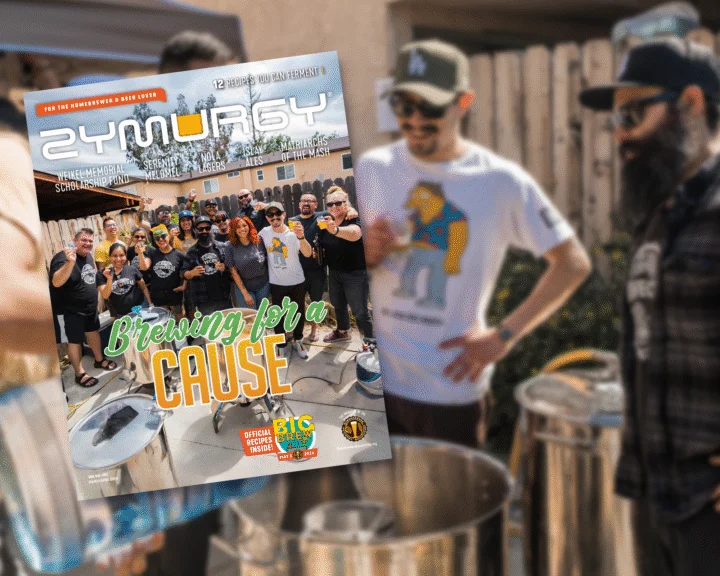

The latest March/April 2026 edition of Zymurgy magazine, the flagship publication of the American Homebrewers Association (AHA), has officially arrived, bringing a timely focus on adaptability, resilience, and evolution within the brewing community. Under the leadership of Editor-in-Chief Dave Carpenter, the new issue centers around a central theme: "the pivot"—examining how commercial and amateur brewers alike are actively navigating and thriving amid intensifying climate challenges, shifting economic pressures, and evolving global beer cultures. Packed with in-depth features, historical retrospectives, and 12 curated recipes, the Spring 2026 release addresses the complex realities facing modern brewers while maintaining a strong commitment to the hands-on craft of homebrewing.
The Craft Brewing Landscape in 2026: Navigating Global Pressures
To understand the relevance of the March/April 2026 theme, one must examine the current operating environment for brewers worldwide. Over the past several years, the brewing industry has faced a convergence of unprecedented supply chain disruptions, fluctuating costs for raw materials such as malted barley and hops, and regulatory adjustments. Concurrently, changing consumer preferences—driven by health-conscious trends, the rise of non-alcoholic alternatives, and a broader demographic shift in who consumes craft beer—have forced producers to rethink their long-term strategies.

The American Homebrewers Association, through publications like Zymurgy, has consistently served as an educational anchor for hobbyists and professionals navigating these transitions. By dedicating this issue to the concept of the pivot, the editorial team highlights practical examples of how brewers are altering their recipes, sourcing local ingredients, adopting sustainable water and energy practices, and finding creative ways to keep the craft accessible and engaging.
Cover Story: The Stoney Creek Homebrewers Weikel Memorial Scholarship Fund
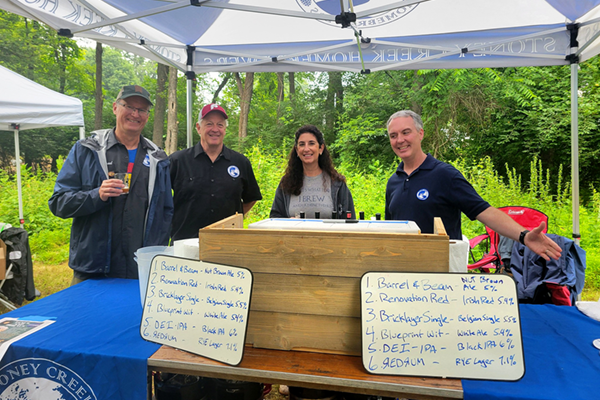
At the forefront of this issue is a deeply moving and community-oriented cover story penned by Josh Weikert. The feature details the legacy and ongoing impact of the Stoney Creek Homebrewers club, founded in 2007 in Philadelphia, Pennsylvania. Established with the dual mission of fostering a collaborative learning environment for craft enthusiasts and giving back to the local community, the club has long stood as an exemplar of grassroots brewing culture.
The article explores the origins of the Weikel Memorial Scholarship Fund, established following a tragic loss within the club’s community. Through detailed narrative reporting, Weikert illustrates how local homebrew clubs function as more than just hobbyist collectives; they operate as vital social safety nets, support systems, and incubators for philanthropic initiatives. The scholarship fund serves as a permanent testament to community resilience, ensuring that educational opportunities in brewing science and art continue to be accessible to the next generation of enthusiasts in the Philadelphia area and beyond.
Uncovering Hidden Histories: Women in Brewing
Moving from regional community impact to a global historical perspective, the March/April 2026 issue features an extensive exploration of women’s historical contributions to the brewing arts. Titled to address the historical marginalization of female practitioners, the feature addresses how modern brewing history has largely overlooked centuries of practice by women—traditionally known as "brewsters"—whose labor, innovation, and expertise have frequently been minimized or erased from mainstream narratives.
Drawing on historical archives and global perspectives, the article paints a comprehensive portrait of how women dominated the production of beer for millennia before the commercialization and industrialization of the trade gradually pushed them to the periphery. By highlighting these historical figures and their techniques, Zymurgy aims to correct the historical record and inspire contemporary female brewers who continue to shape the modern landscape of craft beer.
Regional Spotlights: From New Orleans Lagers to Scottish Islands and Desert Fermentation

The new issue also takes readers on a geographical journey, exploring how diverse environments and localized cultures influence brewing styles and practices.
In New Orleans, the local beer market has undergone a dramatic transformation over the past five years. Historically characterized as a lager desert—where the regional giant Abita stood nearly alone as a bastion of traditional brewing—the city has seen a burgeoning appreciation for crisp, refreshing lagers. Local producers are increasingly experimenting with traditional European styles adapted to the humid, subtropical climate of Louisiana, signaling a sophisticated maturation of the region’s palate.
Meanwhile, in North America’s harshest arid regions, independent thinkers are utilizing what the climate provides. In a fascinating feature by Art Fitzsimmons, the magazine investigates the indigenous peoples of one of the hottest regions on the continent, examining how they have historically consumed and fermented native fruits despite inhospitable environmental conditions. Fitzsimmons unveils the enduring fermenting spirit of these communities, demonstrating ancient wisdom that predates modern brewing science.
Crossing the Atlantic to Scotland, another feature highlights the remote island of Islay. Globally renowned for its heavily peated, smoky whiskies, Islay is charting a new course in beverage production. Taking direct inspiration from the Scottish Craft Brewers homebrew club, local innovators Donald MacKenzie and Mackay Smith have successfully established Islay Ales, bringing a distinct craft beer identity to an island traditionally dominated by distillation.
Recipes, Resources, and AHA Membership Benefits
True to its tradition as a practical guide for practitioners, the March/April 2026 issue delivers 12 meticulously tested recipes spanning various styles, allowing members to test the concepts discussed in the articles right in their own home setups.
The publication is spearheaded by Editor-in-Chief Dave Carpenter, who has been an influential voice in beer journalism since he brewed his first batch in 2009. Carpenter, known for his deep appreciation of both brewing technique and linguistic precision, continues to guide the magazine’s editorial direction alongside his personal passions for hiking and travel.
While a free online preview of the issue is available to the public via the digital publication platform, the complete array of validated recipes, DIY tutorials, and member-exclusive resources requires an active subscription to the American Homebrewers Association. Membership options start at an accessible rate, providing hobbyists with year-round access to the award-winning content that has defined Zymurgy for decades.

Broader Impact and Industry Implications
The release of the March/April 2026 issue of Zymurgy arrives at a critical juncture for the broader fermentation and craft beverage sector. As commercial breweries grapple with economic volatility and climate-induced agricultural shifts, the innovations pioneered at the homebrew level—highlighted across the pages of this magazine—frequently serve as the testing ground for the commercial industry of tomorrow.
By documenting community scholarship initiatives, correcting historical oversights, and showcasing adaptive brewing techniques from New Orleans to the Scottish Isles, Zymurgy continues to reinforce that the heart of brewing lies not just in commercial output, but in community, history, and continuous adaptation.