
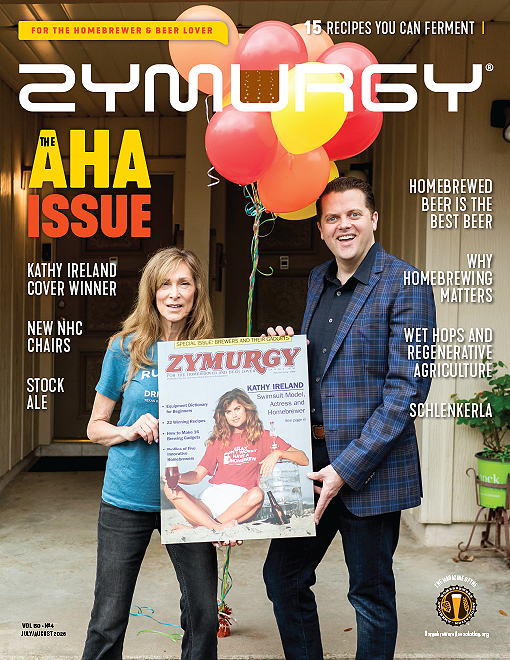
The American Homebrewers Association (AHA) has officially released the July/August 2026 edition of its flagship publication, Zymurgy, marking a significant milestone for the hobbyist brewing community. This latest installment arrives at a pivotal moment for the organization, highlighting the much-anticipated return of Homebrew Con, a cornerstone event that has historically served as the largest gathering of amateur brewers in the world. The issue serves as both a retrospective of the hobby’s deep roots and a forward-looking roadmap for the next generation of fermenters, covering technical brewing science, historical preservation, and the evolving leadership within the National Homebrew Competition (NHC).
As the homebrewing landscape continues to adjust to post-pandemic shifts in hobbyist engagement and craft beer market dynamics, the July/August 2026 issue of Zymurgy positions itself as a vital resource for education and community cohesion. By blending technical deep-dives with human-interest stories, the publication reinforces the AHA’s mission to promote the community of homebrewers and to empower them to make the best beer in the world.
The Resurgence of Homebrew Con and Community Engagement
Central to the theme of this issue is the formal announcement regarding the return of Homebrew Con. For decades, Homebrew Con—formerly known as the National Homebrewers Conference—was the premier annual event for the AHA. Following a period of restructuring and virtual adaptations, the return to a physical, large-scale format signifies a renewed investment in the grassroots brewing community.
The magazine outlines how the upcoming convention will integrate modern brewing technologies while maintaining the "Social Club" atmosphere that defined its early years. Industry analysts note that the return of such events is critical for the survival of local homebrew shops (LHBS), which have faced significant economic headwinds. By fostering a national event, the AHA stimulates interest in the hobby, which directly correlates with increased foot traffic and sales for the suppliers of malt, hops, and yeast.
Leadership Transition at the National Homebrew Competition
A major feature in the issue introduces the new leadership of the National Homebrew Competition. Charlie Harr and Jen Pereira, both veteran organizers with extensive experience in the competitive circuit, have been appointed to lead the NHC. The competition is widely regarded as the most prestigious amateur brewing contest globally, often serving as a springboard for brewers who eventually transition into the professional craft beer industry.

Harr and Pereira face the challenge of modernizing the judging process and managing the logistics of thousands of entries from across the globe. Their appointment is seen as a move toward stability and expertise. The NHC has historically been a driver of style innovation; for example, many trends now prevalent in the commercial craft sector, such as the New England IPA or various pastry stouts, saw their early refinements in the hands of NHC competitors. The new leadership is expected to focus on judge education and the refinement of the Beer Judge Certification Program (BJCP) standards to reflect modern brewing techniques.
Historical Deep-Dives: American Stock Ale and Schlenkerla
In a move to preserve brewing heritage, the July/August issue provides an extensive analysis of the American Stock Ale. This historical style, which flourished in the pre-Prohibition era, is presented as the direct ancestor to the contemporary West Coast IPA and the more recent "Cold IPA" trend. Stock ales were characterized by their higher alcohol content and significant hop loads, designed for long-term storage or "stocking."
The article details how these beers utilized American-grown hops and six-row barley, creating a profile that was distinct from the English Pale Ales of the time. By exploring these roots, Zymurgy provides homebrewers with the historical context necessary to recreate authentic versions of these forgotten beers, while also offering 15 specific recipes for readers to ferment at home.
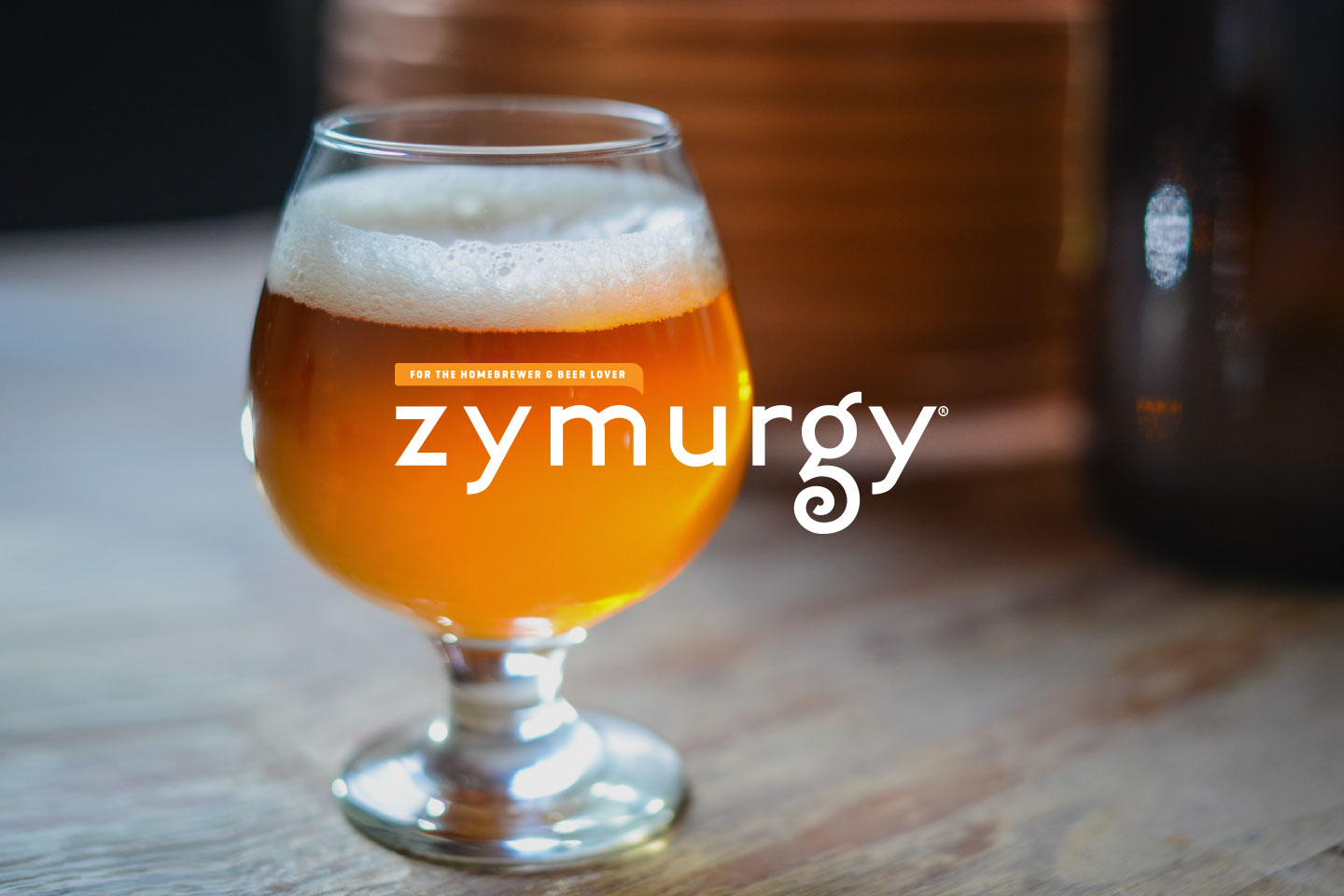
The issue also features an exclusive look at the legendary Schlenkerla brewery in Bamberg, Germany. Current steward Mattias Trum discusses the delicate balance of maintaining a 500-year-old tradition of Rauchbier (smoke beer) in a modern regulatory and technological environment. Schlenkerla remains one of the few breweries in the world that continues to malt its own barley over open beechwood fires. Trum’s insights into the "advancement of technologies" suggest that even the most traditional breweries must adapt to energy efficiency and sustainability standards without compromising the unique smoky flavor profile that has made the brewery a pilgrimage site for beer enthusiasts worldwide.
Sustainability and Innovation in Hop Farming
The technical sections of the magazine shift focus toward the raw ingredients, specifically the rise of regenerative organic hop farming. As climate change impacts traditional hop-growing regions in the Pacific Northwest and Europe, more farmers are turning to regenerative practices to ensure soil health and crop resilience.
The feature on "wet hops"—hops that are harvested and used in the brewing process within 24 hours without being dried—highlights the seasonal nature of brewing. Regenerative organic methods, which avoid synthetic fertilizers and focus on carbon sequestration, are reported to produce hops with more complex terpene profiles. This section provides homebrewers with guidance on how to source these sustainable ingredients and the specific brewing adjustments needed when working with the high moisture content of fresh-off-the-vine hops.
Celebrating the Individual Homebrewer: The Kathy Ireland Cover and Jim Spaulding
Human-interest stories remain a core component of the Zymurgy editorial strategy. This issue celebrates Janet Anderson, the winner of a unique raffle held at the 2025 Great American Beer Festival (GABF). The raffle featured a poster of one of the most iconic Zymurgy covers in history, featuring Kathy Ireland. The inclusion of this story serves as a bridge between the magazine’s pop-culture influence in the 1980s and 90s and its current status as a serious technical journal.
Furthermore, the issue honors the expertise of Jim Spaulding, a 37-year veteran of the hobby and a long-standing AHA member. Spaulding’s contribution focuses on the philosophy of brewing, describing the act of making beer as "bringing order to chaos." His "tasty nuggets of brewing knowledge" offer a masterclass in the intangibles of the craft—patience, sanitation, and the importance of sensory evaluation. Spaulding’s tenure mirrors the growth of the AHA itself, providing a link to the early days of the American craft beer revolution.
The Editor’s Vision: Dave Carpenter’s Impact
Under the guidance of Editor-in-Chief Dave Carpenter, Zymurgy has transitioned into an era of high-definition technical writing and diverse storytelling. Carpenter, who began his brewing journey in 2009, has been instrumental in maintaining the magazine’s relevance in an age of instant digital information. By focusing on "geeking out on beer and language," Carpenter ensures that the publication remains an authoritative voice that cannot be easily replicated by AI-generated content or amateur blogs.
His editorial direction in the July/August 2026 issue emphasizes the "stewardship of an ancient and proud tradition." This perspective frames homebrewing not merely as a hobby, but as a cultural responsibility to connect with ancestors and build contemporary communities through local homebrew clubs.
Broader Implications for the Brewing Industry
The content of the July/August 2026 issue of Zymurgy reflects broader trends within the global beverage industry. The emphasis on historical styles like Stock Ale suggests a growing "retro-innovation" trend, where brewers look backward to find the next big thing. Simultaneously, the focus on regenerative farming and leadership transitions indicates an industry that is professionalizing its amateur roots to ensure long-term viability.
Data from the Brewers Association, the parent organization of the AHA, suggests that while the total volume of beer consumption has seen fluctuations, the "quality over quantity" mindset remains dominant among homebrewers. This demographic continues to be the most influential "influencer" group in the craft sector, as they are the primary educators of the general public regarding beer styles, ingredients, and quality.
As Zymurgy continues to document these shifts, it remains a critical archive for the brewing arts. The July/August 2026 issue, with its blend of 15 new recipes, historical scholarship, and organizational news, serves as a testament to the enduring appeal of fermentation and the dedicated community that surrounds it. Whether through the return of Homebrew Con or the appointment of new NHC leadership, the message from the AHA is clear: homebrewed beer remains the "best beer," not just for its flavor, but for the community and tradition it represents.