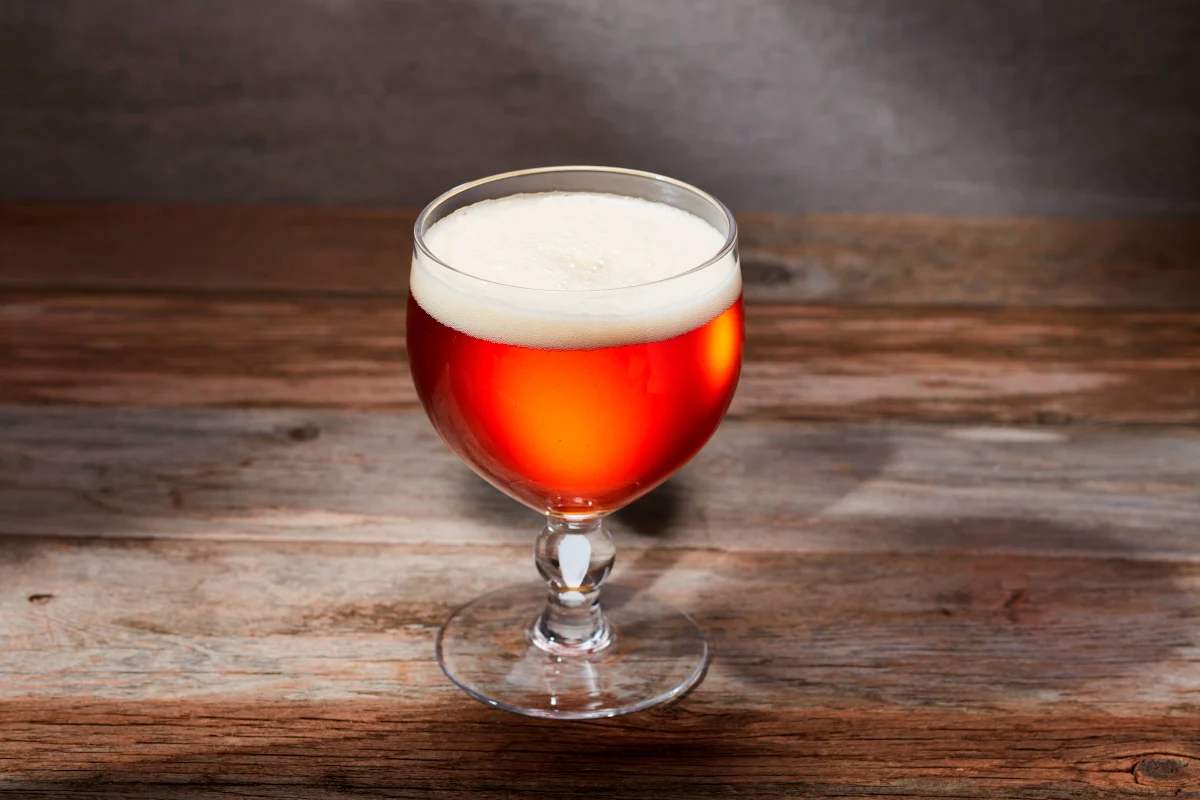

The craft brewing industry is currently witnessing a significant shift in consumer preferences, moving away from high-alcohol, heavy-bodied beers toward more "sessionable" alternatives that prioritize flavor complexity without the intoxicating weight of traditional ales. Central to this movement is the Session Copper Ale, a style that balances a modest alcohol by volume (ABV) with a robust malt backbone and a refined hop profile. A technical analysis of the brewing specifications for a standard five-gallon batch reveals a calculated approach to achieving this balance, utilizing an original gravity (OG) of 1.036 (9°P) and a final gravity (FG) of 1.008 (2°P), resulting in a precise 3.6% ABV. This specific formulation represents a broader trend in the homebrewing community to reclaim the traditional British "Ordinary Bitter" philosophy, adapted for the modern palate through specific ingredient selection and rigorous temperature control.
Technical Specifications and Chemical Composition
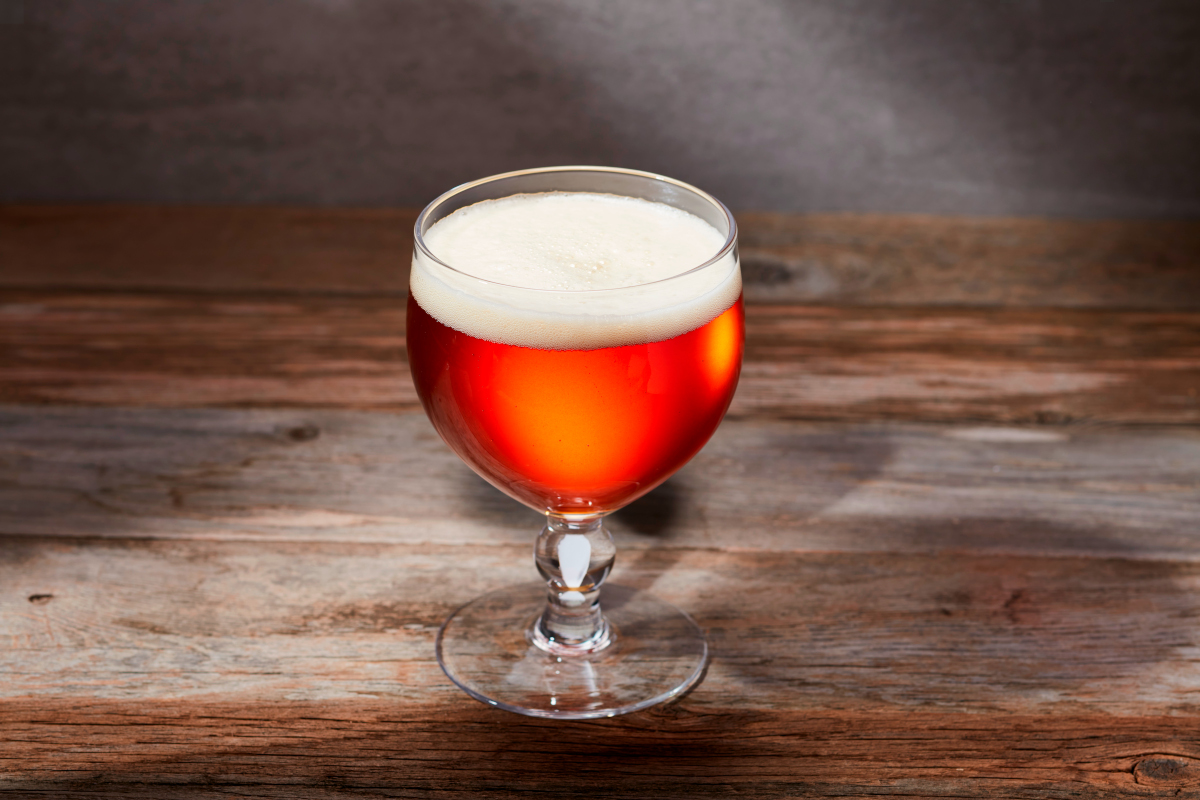
To understand the profile of the Session Copper Ale, one must first examine the quantitative data that defines its character. The beer is characterized by an International Bitterness Unit (IBU) rating of 30, which provides a firm, clean bitterness that offsets the residual sugars from the specialty malts. On the Standard Reference Method (SRM) scale, the beer registers at a 12, placing it firmly in the copper-to-amber spectrum. This color is primarily derived from the use of crushed crystal malt, which undergoes a controlled steeping process to extract melanoidins and unfermentable sugars.
The gravity readings are particularly telling of the beer’s intended mouthfeel. An OG of 1.036 is relatively low, indicating a lean grain bill, yet the attenuation—the percentage of sugars converted to alcohol—is high, as evidenced by the FG of 1.008. This suggests a highly fermentable wort that results in a crisp, dry finish, preventing the low-ABV beverage from feeling "thin" or "watery" on the palate.
The Chronology of the Brewing Process
The production of a Session Copper Ale follows a strict chronological sequence designed to maximize flavor extraction while maintaining clarity. The process begins with the preparation of the specialty grain liquor, a phase that sets the foundation for the beer’s color and body.
Phase I: Extraction and Wort Preparation
The initial step involves steeping crushed crystal malt in 1.5 gallons (5.7 L) of water maintained at a constant 150°F (65.5°C). This 30-minute duration allows for the hydration of the grain and the dissolution of color and flavor compounds. Following the steep, the grains are strained and sparged with 170°F (76.5°C) water. This specific sparging temperature is critical; it is high enough to rinse the remaining sugars effectively but low enough to avoid the extraction of astringent tannins from the grain husks. The goal of this phase is to produce 2.5 gallons (9.5 L) of concentrated specialty grain liquor.
Phase II: The 60-Minute Boil
Once the liquor is prepared, dried malt extract (DME) and bittering hops are introduced. The mixture is brought to a "full and vigorous boil," a state necessary for several chemical reactions, including the isomerization of hop alpha acids and the sterilization of the wort. The boil lasts for 60 minutes in total:
- 60 Minutes remaining: Addition of bittering hops to establish the base 30 IBU.
- 20 Minutes remaining: Introduction of flavor hops, which contribute essential oils that provide aroma and nuanced taste without excessive bitterness.
- 10 Minutes remaining: Addition of Irish moss, a clarifying agent derived from seaweed that helps coagulate proteins, ensuring a clear final product.
Phase III: Cooling and Primary Fermentation
Immediately following the boil, the "hot break" occurs, and the wort must be cooled rapidly to prevent the formation of off-flavors. The wort is racked into a sanitized fermenter containing 2 gallons (7.6 L) of cold water. Additional water is added to reach the final 5-gallon (19-L) volume. The mixture is chilled to 70°F (21°C), aerated to provide oxygen for the yeast, and pitched with an active yeast starter. Primary fermentation typically spans four to six days, during which the bulk of the attenuation occurs.
Phase IV: Secondary Aging and Conditioning
After primary fermentation, the beer is transferred to a secondary fermenter and chilled to 60°F (15.5°C). This cooler environment encourages the yeast and remaining particulates to settle, further clarifying the copper-colored ale. Once aging is complete, the beer is primed with sugar and bottled or kegged. Conditioning occurs at temperatures above 60°F (15.5°C) to facilitate carbonation, a process that continues until the beer is clear and the desired CO2 levels are achieved.
Contextual Background: The Rise of Sessionability
The development of this recipe reflects a historical lineage dating back to the British pub culture of the mid-20th century. During the World Wars, tax structures and grain shortages in the United Kingdom led to the prevalence of "Small Beers" and "Ordinary Bitters" with lower alcohol content. These beers were designed to be consumed in multiple pints over an extended period—a "session"—without leading to significant impairment.
In the modern context, the American Homebrewers Association (AHA) and professional craft breweries have seen a resurgence in these styles. According to industry analysts, the "session" category has grown as a response to the "IPA fatigue" that dominated the 2010s. Consumers are increasingly seeking beverages that align with active lifestyles, where the social aspect of drinking is preserved but the physical toll of high-alcohol consumption is mitigated.
Industry Perspectives and Expert Analysis
Brewing consultants and sensory analysts note that creating a successful 3.6% ABV beer is often more difficult than brewing an 8% ABV Double IPA. In high-alcohol beers, the sheer volume of hops and malts can mask minor technical flaws. In a Session Copper Ale, there is "nowhere to hide."
"The key to a beer like this is water chemistry and temperature precision," states an industry report on low-gravity brewing. "By mashing or steeping at 150°F, the brewer ensures a balance of fermentable and non-fermentable sugars. If the temperature fluctuates even five degrees, the beer could end up either too dry and thin or too sweet and cloying."
Furthermore, the use of an active yeast starter is highlighted as a non-negotiable step. Even though the sugar content (gravity) is low, providing a healthy population of yeast ensures a clean fermentation profile, free of the esters or phenols that can detract from the subtle malt and hop interplay of a copper ale.
Broader Impact and Economic Implications
The shift toward recipes like the Session Copper Ale also has economic and environmental implications for the brewing industry. Lower-gravity beers require fewer raw materials per gallon—less grain and, frequently, fewer hops. For the homebrewer, this reduces the cost per batch, making the hobby more accessible. On a commercial scale, this translates to lower excise taxes in many jurisdictions where tax rates are tied to alcohol content.
Moreover, the "Low and No" (low alcohol and non-alcoholic) beverage sector is one of the fastest-growing segments in the global drinks market. While this 3.6% ale is not non-alcoholic, it sits in the "light" category that appeals to a demographic focused on health and wellness. The clarity and aesthetic appeal of a 12 SRM copper ale also cater to the visual nature of modern consumerism, where the "pour" is as important as the taste.
Conclusion: The Future of the Style
The Session Copper Ale serves as a bridge between the traditional and the contemporary. It utilizes the foundational techniques of extract brewing and steeping while adhering to a modern demand for moderation. As brewing technology continues to evolve, with better temperature-controlled fermentation vessels and high-quality malt extracts, the ability of the average homebrewer to produce a professional-grade, low-alcohol ale has never been greater.
The recipe’s emphasis on a 60-minute boil, specific hop additions, and a two-stage fermentation process ensures a product that is both technically sound and highly drinkable. As the craft beer market continues to mature, it is expected that these "session" styles will move from the periphery to the center of the brewing world, proving that complexity and character are not solely the domain of high-gravity beers. Through careful adherence to the specifications of 1.036 OG and 30 IBUs, brewers can achieve a copper-colored ale that stands as a testament to the elegance of simplicity.