
Thompson Restaurants, a prominent player in the Mid-Atlantic dining landscape, has announced an aggressive expansion strategy aimed at reaching a milestone of 100 locations by the end of 2027. This ambitious growth trajectory follows a banner year for the hospitality group, which reported a 12 percent increase in total revenue for 2025. This financial performance has been largely attributed to a combination of strategic new openings, the successful conversion of existing assets, and a decentralized operational model that empowers individual brand leadership. By maintaining a diverse portfolio that ranges from Southern-inspired brunch concepts to artisanal pizza and elevated bar fare, the company is positioning itself to capture a wide demographic of consumers across multiple geographic regions.
The company’s recent performance serves as a foundation for its "one unit per month" growth objective. Over the preceding twelve months, Thompson Restaurants successfully integrated or opened 11 new locations, demonstrating the scalability of its current infrastructure. Unlike many restaurant groups that focus on the rapid replication of a single flagship brand, Thompson’s strategy relies on a multi-concept approach. This prevents the company from becoming overly dependent on a single market segment and allows it to pivot resources toward brands that show the highest return on investment.
A Decentralized Leadership Framework
Central to the company’s ability to manage such a diverse portfolio is a deliberate shift in organizational structure. Founder and Chairman Warren Thompson has spent the last three years investing heavily in the company’s internal infrastructure to ensure that growth does not outpace operational oversight. The result is a system that avoids a monolithic management style. Instead of a centralized operating layer that dictates terms to every brand, Thompson Restaurants has assigned dedicated leadership teams to each concept.
These brand-specific operators are given significant autonomy, effectively "owning" the development and growth of their respective brands. This model ensures that the unique identity and culture of a concept like Milk & Honey are not diluted by the operational requirements of a brand like Matchbox or Wiseguy Pizza. By separating responsibilities across the portfolio, the company allows each brand to evolve on its own timeline, dictated by consumer demand and market performance rather than a rigid corporate schedule. As Warren Thompson noted, performance remains the primary driver of investment; brands that demonstrate superior financial results and customer loyalty are prioritized for faster expansion, while others are allowed to grow incrementally.
Milk & Honey and the Drive for Dominance
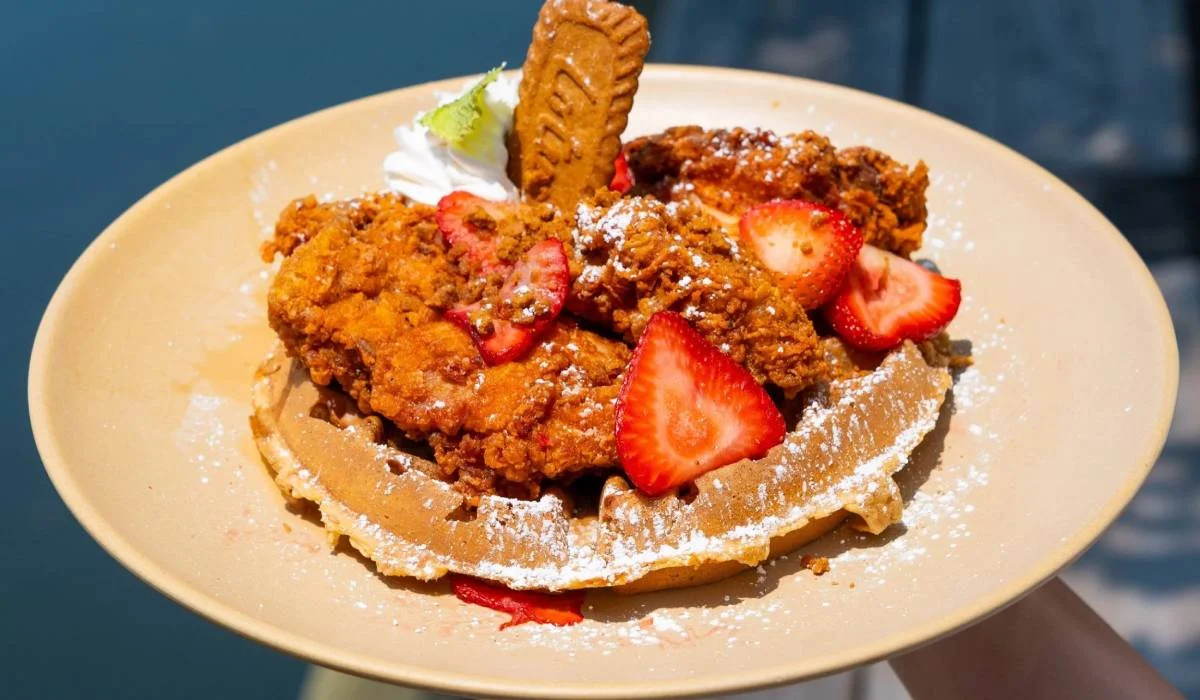
In the current portfolio, Milk & Honey has emerged as the clear frontrunner. The Southern-inspired concept, known for its elevated comfort food and popular brunch offerings, added five locations in 2025, bringing its total footprint to 19 units. The brand’s success is rooted in its ability to occupy a market segment that remains relatively underserved. While the casual dining and quick-service pizza categories are often saturated with national competitors, the niche for high-quality, Southern-inspired breakfast and lunch concepts offers a clearer path for expansion.
Thompson Restaurants plans to capitalize on this momentum by opening at least four additional Milk & Honey locations before the end of the current calendar year. The brand’s expansion is not limited to traditional retail spaces; its versatility allows it to function effectively in suburban shopping centers, urban corridors, and nontraditional venues. This flexibility is a key component of the broader corporate goal to establish a presence in high-traffic areas where direct competition for Southern-inspired cuisine is minimal.
Portfolio Diversification and Brand Revivals
While Milk & Honey leads the charge, other brands within the Thompson portfolio continue to see steady advancement. Wiseguy Pizza, a brand focused on authentic New York-style slices, is currently undergoing a phased expansion, while Makers Union continues to hold a stable position within the upscale casual dining segment. The company is also in the process of evaluating Big Buns for potential growth, weighing market data against the brand’s current performance metrics.
In addition to expanding current winners, Thompson Restaurants has shown a penchant for strategic revivals and the creation of legacy-driven concepts. The group recently brought back Austin Grill, a brand that once held a significant presence in the Washington, D.C., Maryland, and Virginia (DMV) area. Furthermore, the company introduced Ms. Peach’s Southern Kitchen, a concept that serves as a tribute to Hattie Warren, Thompson’s grandmother. This move highlights the company’s ability to blend commercial strategy with personal heritage, creating a brand story that resonates with consumers. Another recent addition is Velocity Bar + Kitchen, an elevated spinoff of the group’s Velocity Wings brand, designed to capture a more sophisticated dining demographic while maintaining the core appeal of the original concept.
The Cluster Strategy and Geographic Expansion
Thompson Restaurants has mastered a "clustering" strategy in its home market of the DMV. This method involves placing multiple, non-competing concepts in close proximity to one another. For example, a Matchbox location might be situated across from a Wiseguy Pizza, with a Milk & Honey located just a block away. This approach allows the company to dominate a specific trade area, offering diverse dining options that cater to different times of day and different consumer needs without cannibalizing its own sales.
This philosophy is now being exported to new markets. The company has identified Tidewater, Virginia; Pennsylvania; and North Carolina as primary targets for geographic expansion. The entry into these markets is guided by a rigorous evaluation process that combines demographic data with real-world testing. One of the company’s most effective tools for market entry is the use of pop-up locations in nontraditional venues, such as college campuses and corporate dining halls.
By introducing concepts to students and corporate employees through existing dining contracts, Thompson Restaurants can gauge consumer interest and build brand awareness before committing to the high capital expenditures required for full-scale retail leases. In many cases, these campus locations are integrated with student meal plans and shuttle services, providing a guaranteed base of demand. This "test-and-learn" model significantly reduces the risk associated with entering unfamiliar trade areas.
Strategic Partnerships in High-Traffic Hubs
Airports represent another critical pillar of the Thompson expansion plan. Building on a decade of experience in the travel hospitality sector, the company has partnered with SSP America to open Wiseguy Pizza and Makers Union locations at Ronald Reagan Washington National Airport. Operating in an airport environment requires a high degree of logistical precision, as service must be rapid and menus must be adapted for portability.
Warren Thompson’s history in the airport sector dates back to the early 1990s during his tenure at Marriott. As part of a team nicknamed the "Renegades," Thompson was instrumental in placing the first national fast-food brands, such as Taco Bell and Pizza Hut, into major East Coast airports. This deep-seated expertise provides Thompson Restaurants with a competitive advantage in navigating the complexities of airport concessions, from security clearances to high-volume operational demands.
Future Growth Through Mergers and Acquisitions
As Thompson Restaurants moves toward its 100-unit goal, organic growth will be supplemented by strategic mergers and acquisitions (M&A). The group is actively seeking opportunities to acquire brands in categories where it currently lacks a presence, specifically coffee shops, bakeries, and global cuisines. The target range for these acquisitions is broad, encompassing everything from successful single-unit operators to larger multi-unit systems located within the DMV and South Florida regions.
The company’s approach to acquisition is notably founder-friendly. When Thompson Restaurants acquires a brand, it typically retains the original founders for several years to ensure a smooth transition and to preserve the brand’s "DNA." This strategy is designed to maintain the culture and operational integrity that made the brand successful in the first place. Menus, vendor relationships, and core practices are generally kept intact, with corporate adjustments made only when necessary to improve efficiency or scalability.
Human Capital and Internal Mobility
The rapid expansion of a restaurant group requires a robust pipeline of talent, an area where Thompson Restaurants has overhauled its approach. Over the last two years, the company has moved away from a reliance on external headhunters, focusing instead on direct recruitment and the strength of its internal culture to attract candidates. This shift has allowed the company to be more selective, ensuring that management teams are aligned with the group’s long-term vision.
Internal development is a cornerstone of the Thompson model. The company offers clear career paths that allow employees to rise from entry-level positions to executive roles. A unique feature of this system is the "operating partner" role, which allows high-performing general managers to take an equity stake in their specific location. By tying personal financial outcomes to the performance of the restaurant, the company fosters a sense of ownership and long-term commitment among its leadership. This philosophy is exemplified by stories within the company of individuals who began their careers as dishwashers and eventually ascended to the rank of vice president.
Succession Planning and Long-Term Stability
As Thompson Restaurants prepares for the next phase of its evolution, Warren Thompson has initiated a formal succession process to ensure the company’s longevity. Key leadership roles, including Chief Financial Officer and Chief Operating Officer, have been transitioned to a new generation of executives. Family involvement remains a significant factor in the company’s stability; Thompson’s sister oversees the joint venture division, while his nephew manages real estate acquisitions and deal-making.
This transition is designed to create a self-sustaining organization that can thrive beyond the tenure of its founder. By combining a disciplined financial approach with a culture that rewards internal growth and brand autonomy, Thompson Restaurants is positioning itself not just as a regional powerhouse, but as a national model for multi-concept hospitality management. With 2027 on the horizon, the group’s focus remains on executing its monthly opening schedule while maintaining the high operational standards that fueled its 12 percent revenue growth in 2025.