
This seemingly innocuous statement, shared by a friend, Anna, a highly proficient legal professional, served as a stark illustration of a pervasive modern dilemma in health and wellness. Anna, known for her sharp critical thinking and an almost hawk-like skepticism when it came to unsubstantiated claims, was grappling with a common pitfall: the pursuit of niche, often peripheral, solutions to fundamental lifestyle challenges. Her desire to lose approximately 15 pounds had stalled, and her latest focus was on the perceived hormonal benefits of BPA-free containers.
"Interesting. What inspired you to focus on that?" was the natural query.
Anna’s response articulated a widely held belief: "Well, I’ve been reading about how microplastics in food containers can mess up our hormones and cause weight gain." This revelation came shortly after she had described her struggles with gym consistency, a reliance on frequent takeout meals, and the habitual sacrifice of adequate sleep for late-night "doom scrolling." When presented with suggestions regarding more consistent workouts or increased homemade meal preparation, her immediate retort encapsulated the core issue: "Yeah, but I’ve tried that a thousand times. If it were that simple, it would have worked already."
Anna’s experience is far from unique. It reflects a societal tendency to overlook or delay challenging yet fundamentally impactful habit changes in favor of searching for an ultra-specific, often complex, "magic bullet" promising transformative results. Individuals frequently dedicate hours to researching the "most optimal" workout regimen rather than simply committing to a basic, known exercise routine. This phenomenon often manifests as a perpetual waiting game – for inspiration, motivation, or a less busy period – before initiating meaningful action.
The Psychology of Avoidance in Health
Several psychological factors contribute to this pattern of avoidance and distraction. The act of purchasing new gear, subscribing to a popular supplement, or consuming a barrage of online content about health changes feels like progress, offering a temporary sense of accomplishment without demanding immediate behavioral shifts. Similarly, deferring action until the "right time" provides a comfortable illusion of future control. However, genuine, lasting change remains elusive until consistent, tangible actions are taken. Humans are adept at devising intricate rationalizations to bypass the fundamental, often "unsexy," and difficult actions that are truly necessary for progress.
This article aims to provide an objective, fact-based analysis of why individuals often distract themselves from impactful health actions, exploring common barriers and offering evidence-informed strategies for sustainable change.
The Unmet Basics: A Public Health Imperative
The foundational health habits are widely recognized:
- Regular Physical Activity: Ideally, 30 minutes daily of moderate-to-vigorous effort, incorporating both aerobic and resistance training. The U.S. Department of Health and Human Services recommends at least 150 minutes of moderate-intensity or 75 minutes of vigorous-intensity aerobic activity per week, plus muscle-strengthening activities at least twice a week.
- Nutrient-Dense Diet: Prioritizing minimally processed, whole foods. A diet where approximately 80% consists of whole or minimally processed options is generally considered excellent. This acknowledges that "perfection" is not a prerequisite for health and allows for occasional indulgences.
- Adequate Protein Intake: Consuming sufficient protein supports muscle mass, aids appetite regulation, and contributes to body recomposition goals. Recommendations typically range from 1.2 to 2.2 grams of protein per kilogram of body weight, often translating to 4-6 palm-sized portions of lean protein daily for most adults.
- Prioritized Quality Sleep: Aiming for seven to eight hours of quality sleep per night. While sleep quality can be influenced by many factors, establishing a consistent sleep schedule and a calming wind-down routine can significantly improve outcomes. The Centers for Disease Control and Prevention (CDC) identifies insufficient sleep as a public health problem, linking it to chronic diseases, accidents, and reduced productivity.
- Moderation or Avoidance of Harmful Substances: Reducing or eliminating excessive consumption of alcohol, recreational drugs, and tobacco products is crucial for long-term health, despite being often perceived as less "fun."
Beyond this core list, other vital habits include fostering positive social relationships and effective stress management. However, even the basic five are consistently unmet by a significant portion of the population. A striking statistic reveals that only six percent of Americans consistently adhere to all five of these fundamental health behaviors. This implies that nearly 94 percent of the American population is not consistently engaging in the most basic actions known to promote health and well-being.
These foundational behaviors are critical not only for achieving common goals like healthy weight management and improved athletic performance but also for extending longevity and enhancing overall quality of life. The struggle to implement these seemingly straightforward practices has significant public health implications, contributing to the rising prevalence of chronic diseases such as obesity, type 2 diabetes, and cardiovascular conditions, which place an enormous burden on healthcare systems and diminish societal productivity.
Ambivalence and Resistance: Normal Stages of Change
The internal push-and-pull experienced when contemplating a significant change is a well-documented psychological phenomenon known as ambivalence. It manifests as a simultaneous desire for a new outcome ("I want to eat healthier") alongside a reluctance to abandon current comforts or habits ("and also want to enjoy my favorite treats without restriction"). Similarly, resistance to change—the feeling of "I want this, but at the same time, not"—is a natural human response. For instance, an individual might wish to reduce phone screen time but dread the anxiety associated with being left alone with their thoughts.
These contradictory emotions, while potentially frustrating, are not indicative of illogical thinking or a flawed desire for change. Instead, ambivalence and resistance are fundamental and normal components of the change process. Their presence often signals that the contemplated change is genuinely important to the individual, highlighting its personal significance. Recognizing this normalization of conflicting feelings can be a powerful first step toward addressing them constructively.
Core Barriers to Consistent Action
Analysis of behavioral patterns reveals three common barriers that prevent individuals from consistently adopting basic health habits:
Barrier 1: Ambition Overload and the Planning Fallacy
Individuals frequently embark on health journeys with an overly ambitious and unrealistic set of goals. For example, a person with no regular exercise habit, a dislike for vegetables, and a tendency to stay up late might declare an intention to exercise for an hour daily, "eat clean" at every meal, and sleep eight hours nightly, all starting "next Monday." This "all-or-nothing" approach, while momentarily comforting, is often a recipe for failure.
This phenomenon is exacerbated by several cognitive biases. The planning fallacy leads individuals to underestimate the time, effort, and resources required to complete future tasks, while optimism bias causes them to overestimate their future capabilities, motivation, and available time. These biases create an instantaneous, albeit temporary, sense of relief by offloading the burden onto an idealized future self. However, grand, complex plans rarely integrate seamlessly into already busy and complex lives. When these ambitious goals inevitably falter, individuals often internalize blame, attributing failure to a lack of willpower or discipline, thereby reinforcing a self-defeating narrative about their inability to maintain consistency.
Barrier 2: The Quest for Novelty and the "Cutting-Edge" Illusion
A prevalent belief is that if fundamental health practices were truly effective, everyone would already be healthy. This leads to the assumption that "secret," "hardcore," or "cutting-edge" strategies must be necessary for success. The reality, however, is that the vast majority—nearly 94%—of Americans are not consistently performing the basic health and fitness behaviors. If more advanced behaviors like optimal protein intake or consistent stress management were added, this figure would shrink even further.

The appeal of novelty is strong. Basic health practices can be perceived as "boring," driving individuals toward new diets, exotic supplements, or complex workout protocols that promise a fresh outcome and a "new us." The wellness industry often capitalizes on this desire, marketing products and programs as revolutionary solutions. However, most "hardcore," "industry-secret," or "cutting-edge" approaches tend to be unsustainable, inaccessible, unproven, or outright ineffective. They consume time, effort, and financial resources without delivering a commensurate return on investment, critically distracting from the proven strategies that genuinely work.
Barrier 3: The Paralysis of Perfection and All-or-Nothing Thinking
The health and fitness industry often perpetuates an illusion of "perfect" health—an idealized state involving organic-only diets, marathon-level fitness, and monastic morning routines. This unattainable standard creates immense pressure and often leads to inaction. The truth is, perfection is an illusion. Humans, even exceptionally healthy ones, experience illness, digestive issues, fatigue, and periods of reduced motivation. Expecting immunity from the vagaries of human experience is unrealistic and can foster a sense of vulnerability when imperfections inevitably arise.
Many individuals pursue health with the belief that their "optimal" or "perfect" self is attainable through the right plan. However, achieving a realistic "best self" necessitates accommodating the "worst self"—the part that prefers passive entertainment over exercise or unhealthy comfort food over a balanced meal. Life is inherently unpredictable, filled with obstacles, distractions, and competing demands that render sustained perfection impossible. Letting go of the illusion of a perpetually energetic and disciplined self, and instead supporting what the real self needs and wants, is crucial for long-term adherence and well-being.
Strategies for Sustainable and Realistic Action
Overcoming these barriers requires a deliberate shift in approach. Here are four evidence-based steps to foster effective and realistic action:
Step 1: Explore the "Why" Before the "How"
Before embarking on any change, understanding the deeper motivations is paramount. Intrinsic motivation—driven by internal satisfaction and values—is far more sustainable than extrinsic motivation (e.g., societal pressure, superficial appearance goals). Engaging in self-inquiry through questions like:
- "What truly matters to me about making this change?"
- "What would my life look like if I successfully made this change?"
- "What are the long-term consequences if I don’t make this change?"
- "How does this change align with my core values?"
- "What kind of person do I want to be?"
Techniques such as "The 5 Whys" (repeatedly asking "why" to uncover deeper motivations) can be invaluable. A clear understanding of the "why" provides a resilient, sustaining push, particularly when challenges arise.
Step 2: Prioritize the Most Effective Actions (The Pareto Principle)
Effective change is not about doing all things, but doing the most impactful things consistently. This involves realistically assessing capacity and focusing on:
- Identifying the essential actions related to a specific goal.
- Integrating these actions into daily life with minimal disruption.
- Sustaining these actions over time, even amidst life’s fluctuations.
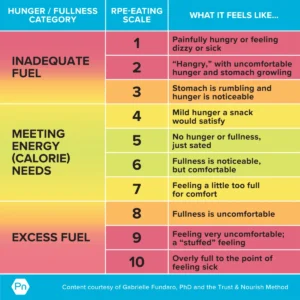
For health goals, essentials often fall into domains like movement, nutrition, and recovery. Utilizing a structured approach, such as a "Skills, Practices, and Daily Actions Cheat Sheet," can guide this prioritization. By starting with a broad domain (e.g., "Nutrition"), narrowing to a specific skill (e.g., "Eat well intuitively"), selecting a practice (e.g., "Eat to satisfied"), and finally choosing a small, manageable daily action (e.g., "Record hunger and fullness levels at the start and end of meals"), individuals can focus their efforts on high-leverage behaviors. This approach aligns with the Pareto Principle (80/20 rule), where a small percentage of actions yield the majority of results.
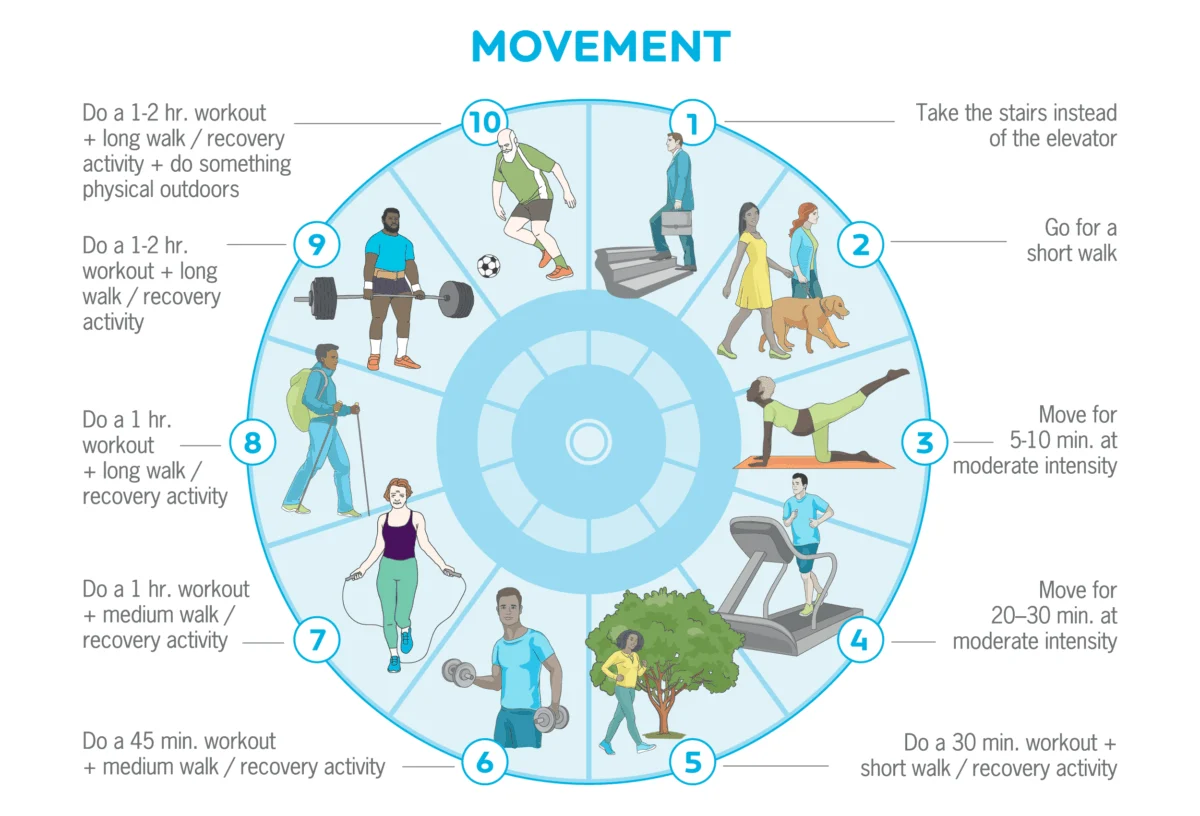
Step 3: Make Actions Flexible for "Worst Days" (The "Dial" Concept)
A critical shift from all-or-nothing thinking is to define a flexible range for health actions. This involves establishing a "pathetic goal" or a "floor"—the absolute minimum action achievable even on the most challenging day. This might be five minutes of walking, ten push-ups, one extra portion of vegetables, or three conscious deep breaths. Simultaneously, defining a "ceiling"—the maximum, ideal effort on a good day—provides aspirational context.
This "floor" and "ceiling" approach transforms health habits from an "on/off" switch to a "dial." When life is smooth, the dial can be turned up—achieving personal records, perfectly preparing meals, or meditating deeply. When life becomes chaotic, the dial can be turned down to the floor, ensuring some action is taken, rather than abandoning habits entirely. Crucially, doing the bare minimum is not failure; it is a success within the context of a messy, real life. This paradigm fosters self-compassion and builds resilience, ensuring continuity even during difficult periods.
Step 4: Create a Supportive Ecosystem (Environmental Engineering)
Willpower and good intentions are often insufficient to sustain behavioral change against environmental pressures. Instead, actively engineering one’s environment to support desired behaviors is highly effective. This concept, often termed "Nudge Theory" or "Choice Architecture," recognizes that context significantly shapes behavior. Research, such as a review in Nature Reviews Psychology, consistently ranks access and environmental cues as primary influencers of behavior.
While not everyone can change their neighborhood, most individuals have considerable control over their immediate surroundings. Examples include a "kitchen makeover" where healthy foods are readily accessible and unhealthy options are removed or made difficult to reach. Other strategies involve:
- Optimizing Physical Space: Laying out workout clothes, placing an alarm clock across the room, creating a dedicated workspace.
- Managing Digital Environment: Setting screen time limits, unfollowing unhelpful social media accounts, creating "digital detox" zones.
- Cultivating Social Support: Engaging with like-minded individuals, joining supportive communities, communicating goals to friends and family.
- Structuring Routines: Automating decisions where possible (e.g., meal prepping, scheduling workouts).
Investing effort into building an ecosystem that nudges individuals toward desired actions makes healthy choices the default or "obvious" path, requiring less conscious effort and yielding greater, more sustainable returns.
Embracing "C+ Effort" for Lifelong Well-being
For those accustomed to striving for perfection, the concept of "C+ effort" can be challenging. However, this approach champions compassion and acceptance of inherent human imperfection. Expecting perfection inevitably leads to cycles of intense effort followed by burnout and self-blame. Instead, working with one’s vulnerabilities, rather than constantly fighting against them, fosters a more sustainable relationship with health.
There will be periods of "A" grade performance in fitness and nutrition, and these should be celebrated. However, the objective is not to aim for C+ but to acknowledge that dialing down effort when circumstances demand it is not a failure, but a strategic adaptation. Living a healthy, meaningful life involves a continuous striving for one’s best, balanced with flexibility, acceptance of mistakes, and accommodating bad days or challenging life seasons. The consistent application of "good enough" strategies will, surprisingly, yield far superior long-term results than sporadic attempts at perfection.
References
[Placeholder for actual academic references, e.g., CDC, WHO, academic journals on behavioral psychology, nutrition science, etc. as inferred by content enrichment.]
If you’re a coach, or you want to be…
You can help people build sustainable nutrition and lifestyle habits that will significantly improve their physical and mental health—while you make a great living doing what you love. We’ll show you how.
If you’d like to learn more, consider the PN Level 1 Nutrition Coaching Certification. (You can enroll now at a big discount.)