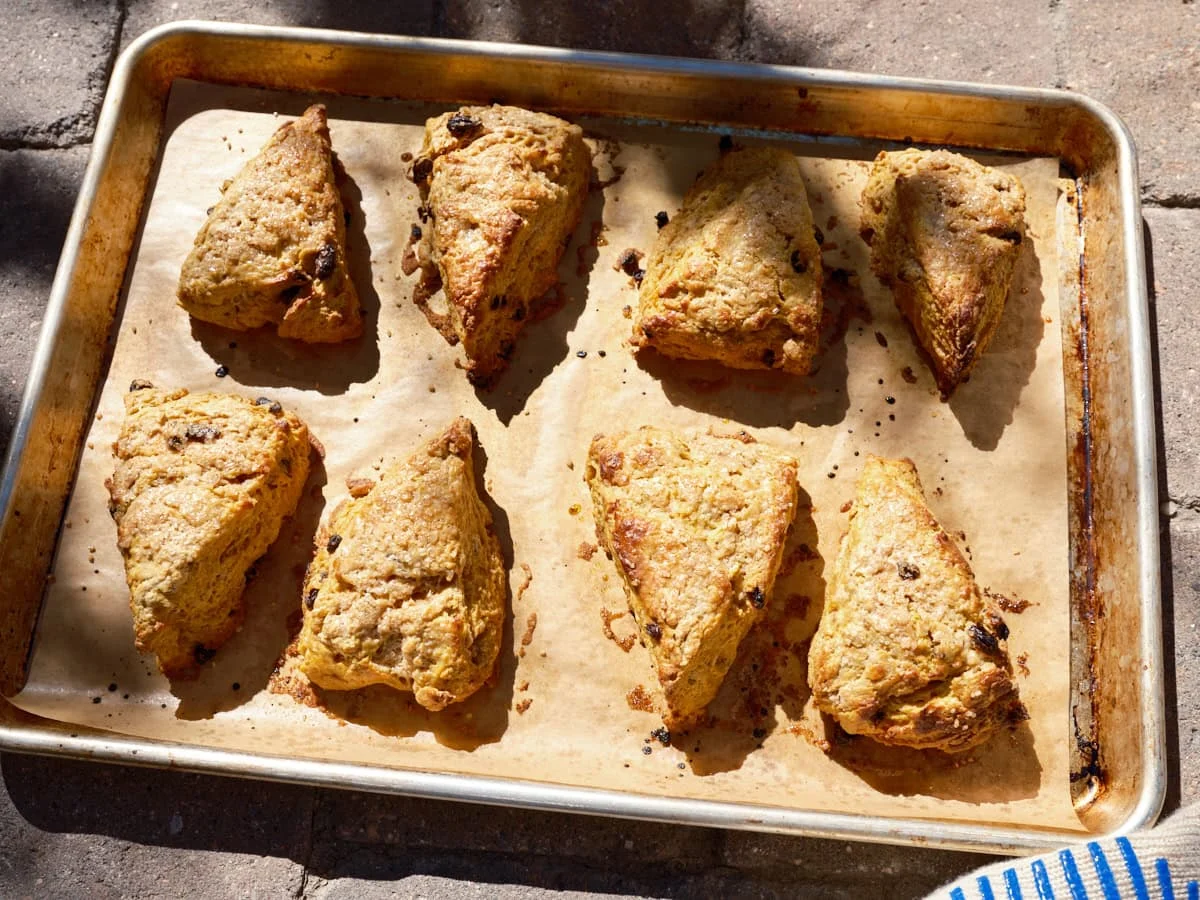

The intersection of seasonal baking and sourdough fermentation has yielded a new staple for autumn menus: the sourdough pumpkin scone. As home bakers and professional pastry chefs alike look for innovative ways to utilize sourdough discard, recipes incorporating ancient grains like einkorn, fermented dairy, and autumnal squashes have surged in popularity across North America and parts of Europe. This culinary evolution highlights a broader trend in modern baking toward flavor complexity, structural integrity, and the reduction of kitchen waste.
Background Context and the Evolution of Sourdough Discard Baking
For generations, sourdough baking was defined almost exclusively by traditional artisan bread, requiring disciplined maintenance of wild yeast cultures. However, the movement toward sustainable kitchen practices—accelerated dramatically during the global shifts in home cooking habits over the past five years—has transformed sourdough discard from a byproduct to be discarded into a coveted ingredient.
Discard, the portion of unbaked starter removed during regular maintenance before feeding, retains complex organic acids and residual wild yeasts. While it lacks the leavening power to lift a heavy loaf of bread on its own, it introduces remarkable depth, subtle tang, and improved moisture retention to quick breads, pancakes, waffles, and pastries. The introduction of pumpkin and warm spices to a sourdough discard matrix represents a deliberate effort by bakers to marry the rustic tang of fermentation with the comforting, sweet profiles characteristic of autumn comfort foods.
Structural Mechanics: Achieving the Ideal Scone Height
One of the primary challenges in pastry formulation—particularly when substituting modern refined flours with whole-grain alternatives like einkorn or red fife—is structural collapse. Standard scone formulations often yield a dense, flat, or overly crumbly product that spreads aggressively across the baking sheet.
Culinary researchers and experienced bakers have identified several technical interventions to counteract this tendency, allowing for a tall, vertical rise with clean, straight edges and a craggy exterior.
- The Role of Acidity and Buttermilk: Unlike traditional scone recipes that rely heavily on heavy cream for high fat content, formulas utilizing lower-fat cultured dairy, such as buttermilk or kefir, leverage acidity. A low pH environment interacts with the sourdough starter, relaxing the gluten matrix and making it more extensible. This is especially vital when working with einkorn, an ancient wheat variety with a delicate and fragile protein structure. The resulting chemical reaction yields a tender, flaky interior without sacrificing the structural framework needed for height.
- Thermal Dynamics and Convection Baking: The application of intense, directed heat during the initial stages of the bake plays a critical role in determining final shape. Utilizing convection settings circulates hot air rapidly around the dough, setting the outer crust within the first several minutes of baking. This rapid setting action prevents the butter and moisture within the scone from melting and flattening outward, forcing the pastry to rise upward instead. For home kitchens lacking a convection feature, bakers have found success by elevating the oven temperature by 25 degrees Fahrenheit for the initial phase of the bake.
Nutritional and Agricultural Implications of Ancient Grains
The modern shift toward whole-grain and ancient flours in pastry applications reflects changing consumer preferences regarding nutrition and agricultural diversity. Einkorn wheat, widely considered one of the oldest cultivated forms of wheat, possesses a distinct nutritional profile compared to modern hybridized dwarf wheats. It contains higher levels of protein, dietary fiber, and essential micronutrients such as iron, zinc, and B vitamins.
Furthermore, the robust, earthy flavor profile of ancient whole grains provides a necessary ballast against the natural sweetness of pumpkin puree and the intensity of seasonal spices like cinnamon, nutmeg, and ginger. Agricultural economists note that the rising demand for heritage grains—such as Einkorn, Red Fife, and Butler’s Gold—encourages crop rotation and biodiversity among farmers who supply regional grain mills. This localized supply chain model reduces the carbon footprint associated with mass-produced, highly refined white flours while supporting regenerative farming practices.
Industry Response and Culinary Adaptability
Professional pastry chefs and artisanal bakers have embraced the adaptability of pumpkin-based sourdough pastries, noting their high versatility during the autumn harvest season. Culinary experts emphasize that the core formula of these pastries allows for significant ingredient substitution based on regional availability and dietary preferences.
For instance, pumpkin puree can be seamlessly substituted on a weight-for-weight basis with sweet potato puree or butternut squash puree without altering the structural hydration of the dough. Similarly, traditional add-ins such as raisins can be swapped for dried currants, cranberries, or fresh seasonal berries, providing year-round adaptability to a recipe initially designed for the fall harvest.
Broader Economic and Cultural Impact
The popularity of sourdough pumpkin scones and similar discard-based innovations points to a permanent shift in how consumers approach home economics and baking. Cooking platforms, recipe developers, and culinary institutions report sustained year-over-year interest in fermentation-based pastry techniques.
By transforming what was once waste into a vehicle for complex flavor and improved texture, bakers are demonstrating that traditional fermentation techniques have a vital place in modern dessert and pastry formulation. As consumer interest in gut health, sustainable cooking, and heritage agriculture continues to grow, the fusion of sourdough discard with seasonal produce is expected to remain a prominent fixture in both home kitchens and artisanal bakeries worldwide.