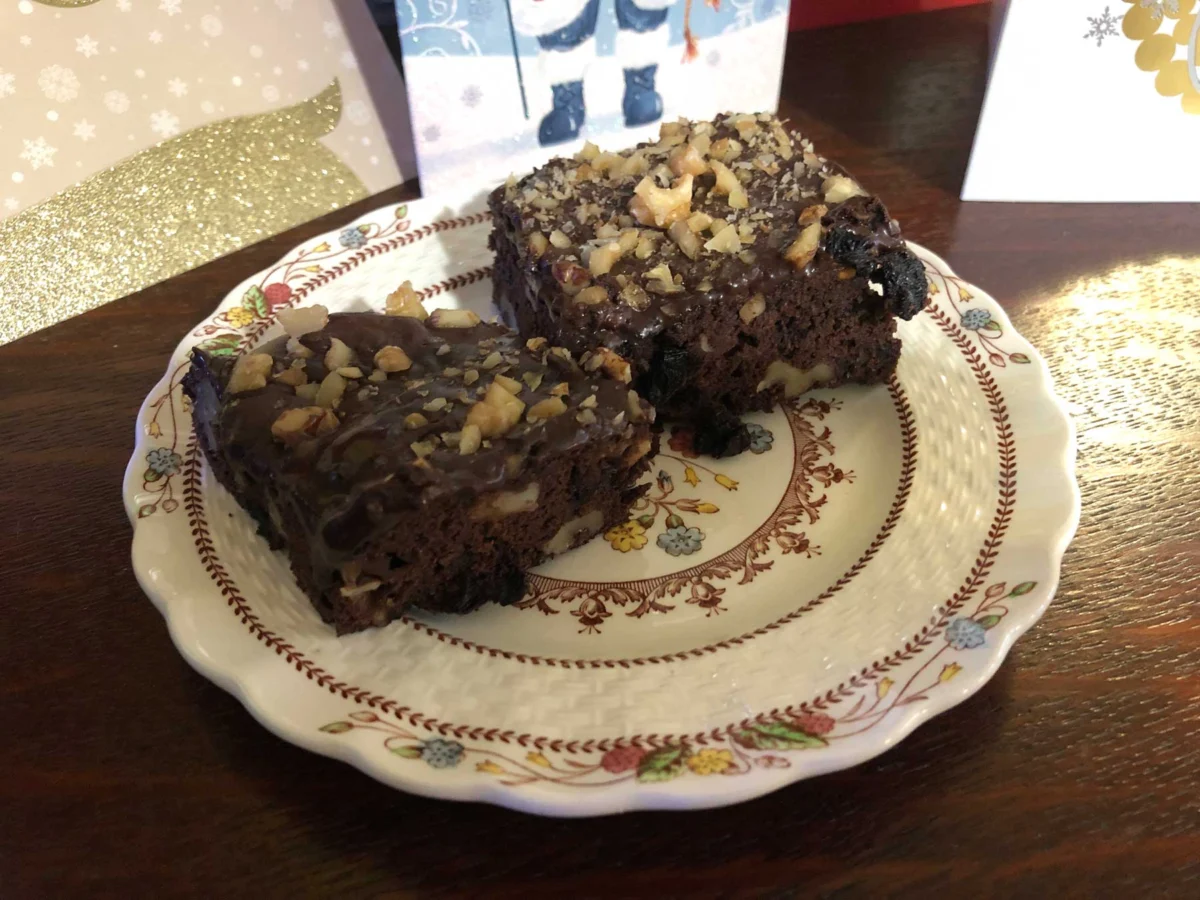

The landscape of modern home baking is undergoing a significant transition as consumers increasingly prioritize both economic efficiency and dietary customization, leading to a resurgence in the popularity of "do-it-yourself" dry mixes. Recent data indicates that the shift toward home-prepared staples is not merely a hobbyist trend but a strategic response to rising grocery costs and a growing demand for transparency in ingredient sourcing. Among the most versatile of these innovations is the DIY Brownie Mix, a bulk-prepared base that allows households to produce high-quality, cake-style brownies for a fraction of the cost of commercial alternatives. By utilizing a standardized base that accommodates both traditional sugars and modern sugar substitutes like sucralose or stevia, this method provides a template for what culinary experts call "convenience-at-home" baking.
The Economic Logic of DIY Dry Mixes
In the current inflationary environment, the cost of pre-packaged convenience foods has seen a marked increase. Commercial brownie mixes, while offering a time-saving benefit, often carry a premium price tag that covers packaging, marketing, and shelf-space logistics. Analysis of the DIY Brownie Mix reveals that it can be produced for "pennies on the dollar," a factor that has become a primary driver for budget-conscious families. A single batch of this homemade mix yields approximately 8 cups (1 kg) of dry base, which is sufficient to produce five full pans of brownies.

When compared to the average cost of a name-brand brownie mix, which typically ranges from $3.00 to $5.00 per box, the homemade equivalent reduces the cost per pan significantly. By purchasing bulk ingredients—flour, cocoa powder, and sweeteners—the cost per serving drops to a level that commercial manufacturers cannot match. This economic advantage is compounded for those with specific dietary needs; sugar-free or "keto-friendly" commercial mixes are often priced at a 50% to 100% markup over standard versions. The ability to substitute granulated sugar with Splenda or generic sucralose within a bulk DIY framework allows health-conscious consumers to bypass this "health tax" imposed by traditional retailers.
Technical Specifications and Yield Analysis
The DIY Brownie Mix is engineered for consistency and ease of use. The standard yield of one batch is approximately 1 kg of dry material. When transitioning from the dry mix to a finished product, the precision of the measurements ensures a uniform result across all five batches. A single pan of brownies produced from this mix, excluding the weight of the pan itself, weighs approximately 420 grams (15 oz).
When following standard culinary portions, a single pan is typically cut into nine squares. This results in an individual brownie weight of approximately 50 grams (2 oz). This standardized weight is critical for nutritional tracking, particularly for individuals managing caloric intake or glycemic loads. The inclusion of optional ingredients, such as walnuts, alters the final weight and nutritional density, but the base mix remains a constant variable, allowing for predictable kitchen management.

Chronology of the Brownie: From Luxury to Pantry Staple
To understand the impact of DIY mixes, one must look at the evolution of the brownie itself. The brownie is a uniquely American dessert, with its origins tracing back to the late 19th century.
- 1893: The Origin: The first iteration of the brownie is widely attributed to the Palmer House Hotel in Chicago, created for the World’s Columbian Exposition. These were dense, fudgy, and topped with an apricot glaze—a far cry from the shelf-stable mixes of today.
- Early 1900s: Recipe Standardization: The first recipes appearing in cookbooks like the Boston Cooking-School Cook Book by Fannie Farmer began to standardize the chocolate, butter, sugar, and flour ratios.
- 1940s-1950s: The Rise of Convenience: Following World War II, the American food industry pivoted toward convenience. The first commercial cake and brownie mixes hit the shelves, promising "perfect results" with minimal effort.
- 1980s-1990s: Gourmet and Health Trends: The market bifurcated into high-end "triple chocolate" fudgy mixes and the first attempts at low-fat or diet-conscious alternatives.
- 2020-Present: The DIY Resurgence: A combination of global supply chain disruptions and a renewed interest in "from-scratch" cooking led to the current era. Consumers are now looking for the middle ground: the speed of a mix with the ingredient control of scratch baking.
Nutritional Analysis and Dietary Customization
The flexibility of the DIY Brownie Mix is perhaps its most significant feature for the modern health-conscious consumer. While traditional recipes rely heavily on granulated sugar, this mix is specifically formulated to work with Splenda (sucralose) or other one-to-one volume sweeteners.
According to nutritional data provided by Healthy Canning, a brownie made using the Splenda-based mix and low-fat margarine contains approximately 116 calories and 8 grams of fat per 50-gram serving. For those following structured dietary programs like Weight Watchers, these brownies calculate to 2 SmartPoints Freestyle per square. The addition of walnuts increases the caloric count to 131 and the fat content to 10 grams, adding an extra point to the program score.
The ability to swap ingredients extends beyond sweeteners. If a baker prefers traditional sugar, the recipe can be adjusted by using 4 cups (900 g) of granulated white sugar in place of the Splenda. This level of control allows the baker to manage the glycemic index of the dessert, which is a vital consideration for the millions of individuals living with diabetes or insulin resistance. Furthermore, the choice of fats—ranging from butter to low-fat margarine or even applesauce—further allows for the customization of the brownie’s moisture content and lipid profile.
Food Safety and Handling of Raw Ingredients
A critical, yet often overlooked, aspect of DIY baking is the safety of raw ingredients. Public health officials and culinary experts emphasize that raw flour should be treated with the same level of caution as raw meat. Flour is a raw agricultural product that has not been treated to kill germs like E. coli or Salmonella, which can contaminate grain while it is still in the field or during production.
The DIY Brownie Mix instructions include a mandatory safety note: after preparing the dry mix or the wet batter, individuals must wash their hands and all surfaces that have come into contact with the raw flour. This focus on food safety is a hallmark of professional-grade recipe development and is essential for preventing foodborne illnesses in a home setting.

Broader Implications for Household Management and Sustainability
The shift toward DIY mixes like this brownie base has implications that extend beyond the kitchen. It represents a broader movement toward "pantry resilience." By maintaining bulk supplies of basic ingredients rather than dozens of single-use boxes, households can reduce their environmental footprint by minimizing packaging waste.
Furthermore, the "batching" of dry mixes is a form of time-management known as "pre-prep." In a professional kitchen, this is called mise en place on a macro scale. By spending 10 minutes to create a bulk mix that serves five future baking sessions, the home cook saves cumulative time in measuring and cleanup during the workweek.
Expert Perspectives and Market Reactions
While official statements from major food conglomerates often emphasize the "consistency" of their proprietary formulas, independent nutritionists and consumer advocates are increasingly vocal about the benefits of DIY alternatives. "The primary advantage here is the elimination of hidden preservatives and stabilizers," says one nutrition analyst. "When you make your own mix, you are removing the anti-caking agents and artificial flavor enhancers that are standard in the boxed-mix industry."
Budgeting experts also point out that the DIY approach fosters a better understanding of food costs. "When a consumer sees that they can make five pans of brownies for the price of one store-bought box, it changes their entire perspective on the value proposition of processed foods," notes a financial advisor specializing in household economics.
Conclusion: The Future of the DIY Movement
The DIY Brownie Mix is more than a recipe; it is a tool for economic and nutritional sovereignty. By leveraging the principles of bulk preparation and ingredient substitution, consumers can enjoy the convenience of modern life without sacrificing their health or their savings. As the trend toward home-based food processing continues to grow, it is likely that more staples—from pancake mixes to savory seasoning blends—will be moved from the shopping list to the "DIY" pantry. This evolution marks a return to culinary basics, empowered by modern nutritional science and a renewed focus on household efficiency. Whether for a school bake sale, a family dessert, or a personal treat, the ability to produce high-quality, customizable brownies "for pennies on the dollar" is a testament to the enduring value of the home kitchen.