
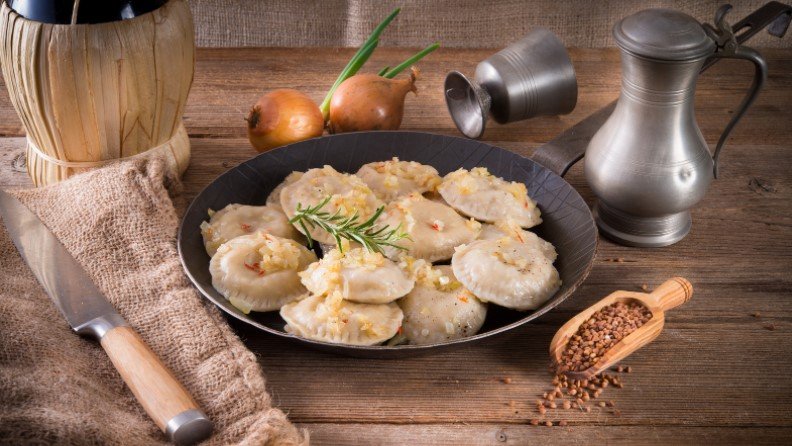
For those seeking the perfect culinary companions to the beloved pierogi, a seasoned perspective from a classically trained chef with deep Polish roots in Jersey offers an indispensable guide. Drawing from a childhood steeped in the tradition of crafting these delicate, half-moon dumplings, this expert has meticulously explored a myriad of pierogi pairings, identifying those that rise above the rest in both flavor and practicality. These recommended accompaniments are designed to be accessible even for novice cooks, ensuring a delightful culinary experience for all. A crucial consideration, however, is the filling of the pierogi itself. Whether one opts for the comforting embrace of mashed potato and cheese, the tangy depth of sauerkraut, the earthy notes of mushroom, the subtle sweetness of pumpkin, or the delightful burst of fruit, a suitable and complementary side dish awaits.
The Foundation of Flavor: Essential Accompaniments
At the heart of any successful pierogi experience lies a thoughtful selection of side dishes that either complement or provide a delightful contrast to the dumplings. The author emphasizes that the most traditional and arguably the most satisfying accompaniments are often the simplest, requiring minimal preparation and allowing the pierogi to shine.
1. The Ubiquitous Sour Cream: A Creamy Counterpoint
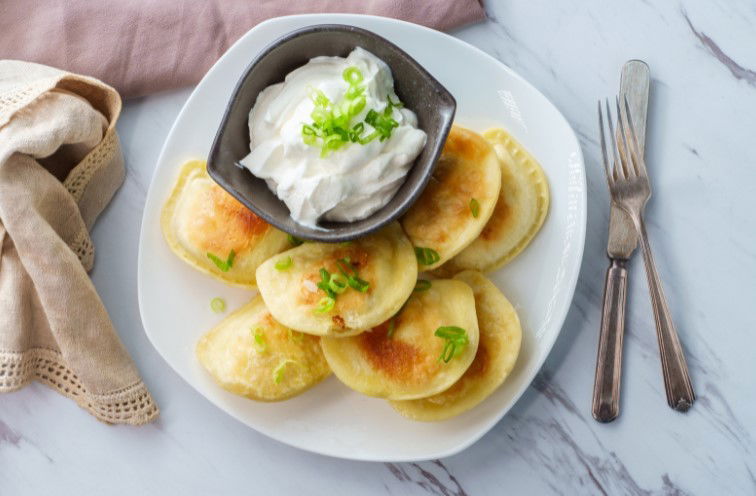
Sour cream holds a prime position on this list, a testament to its near-universal appeal and its ability to transform a simple pan-fried pierogi into a complete and deeply satisfying meal. Its cool, tangy creaminess provides a welcome counterpoint to the warm, often slightly crispy exterior of a freshly prepared pierogi. Even when other side dishes are present, a generous dollop of sour cream remains an indispensable topping, a sentiment echoed by the author’s personal culinary philosophy. This classic pairing is not merely a suggestion but a cornerstone of the pierogi dining experience, offering a smooth, rich texture that coats the palate and enhances the inherent flavors of the dumpling. The inherent versatility of sour cream allows it to harmonize with a wide spectrum of pierogi fillings, from savory potato and cheese to more complex mushroom or meat variations.
2. The Sweet Allure of Sautéed Onions: A Caramelized Symphony
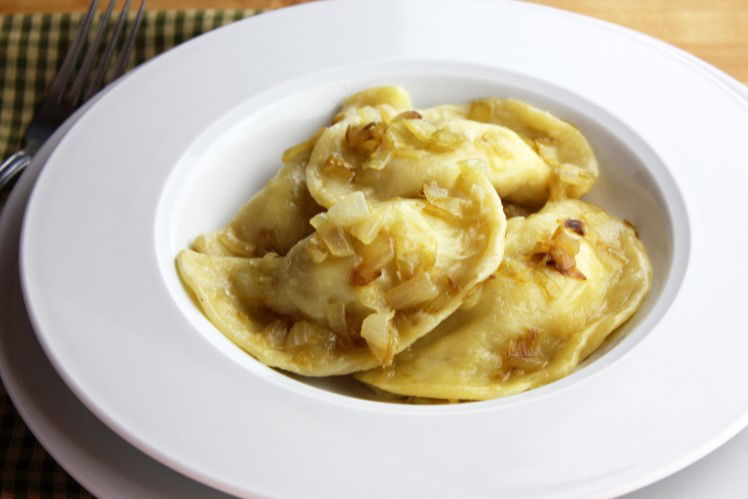
Sautéed onions, much like sour cream, are an "always" accompaniment for pierogies. Their natural sweetness, amplified through the caramelization process, offers a profound depth of flavor that beautifully complements the often delicate dough and savory fillings of pierogies. When pierogies are pan-fried to a golden crisp, the soft, buttery texture of sautéed onions provides a pleasing textural contrast. This pairing is particularly harmonious as it can often be achieved in a single pan. Onions can be thinly sliced and sautéed in butter until tender and slightly caramelized. This process not only softens the onions but also imbues them with a delightful sweetness, which then pairs exquisitely with the bright tang of sour cream, creating a trifecta of flavors and textures atop a warm, comforting pierogi.
The technique for achieving optimal sautéed onions ranges from a quick sauté for a softer, more mellow flavor to a slow, low-and-slow caramelization that yields a deeply sweet, almost jam-like consistency. The latter process, which can take upwards of 45 minutes to an hour, allows the natural sugars in the onions to break down and concentrate, resulting in a rich, complex flavor profile. This patient approach transforms humble onions into a gourmet accompaniment. For those seeking guidance, resources detailing the art of caramelizing onions are readily available, offering step-by-step instructions to achieve this culinary magic.
3. The Nuanced Elegance of Brown Butter and Herbs: A Sophisticated Drizzle
Elevating the pierogi experience further, a simple yet sophisticated topping of brown butter infused with fresh herbs offers a complex flavor profile. Brown butter, often perceived as a daunting culinary feat, is in fact a straightforward process that rewards patience and attention. The key lies in toasting the milk solids within the butter until they achieve a rich, nutty aroma and a golden-brown hue. This transformation adds a layer of depth and complexity that is unparalleled.
To achieve this, butter is melted in a heavy-bottomed pan over medium heat, stirring continuously to prevent the milk solids from scorching. As the butter melts, it will foam and then settle, signaling the onset of browning. During the foaming stage, fresh herbs such as parsley, chives, dill, or thyme can be added. These herbs release their essential oils into the warm, nutty butter, creating an aromatic and flavorful sauce that is both delicate and impactful. This brown butter and herb sauce acts as a luxurious drizzle, enhancing the pierogi without overpowering its inherent flavors. Recipes for achieving the perfect browned butter sauce are widely accessible, providing detailed guidance for home cooks.
Pro-Tip Synthesis: The Power of Combination
A particularly insightful "pro-tip" suggests the masterful combination of these foundational elements. This approach involves a sequential preparation process that maximizes flavor and efficiency. Begin by sautéing the onions, setting them aside. Next, prepare the brown butter and herb sauce. Finally, pan-fry the pierogies. By layering these components, each element retains its distinct character while contributing to a harmonious whole. The result is a complex interplay of textures and tastes: the tender, sweet onions, the nutty, herbaceous brown butter, and the perfectly cooked pierogi. This layered approach is a culinary strategy that transforms a simple meal into an extraordinary one.
Adding Substance: Hearty and Savory Companions
Beyond the foundational accompaniments, several more substantial options provide additional texture, flavor, and heartiness, transforming pierogi into a more complete and satisfying meal.
4. The Rustic Charm of Cabbage or Brussels Sprouts with Bacon: A Smoky Indulgence
For those seeking additional substance without the commitment of preparing a full protein dish, cabbage or Brussels sprouts paired with crispy bacon offers a robust and flavorful solution. The rendered fat from the bacon not only adds a smoky, savory dimension but can also serve as the cooking medium for the vegetables, eliminating the need for additional fats like butter.
The preparation involves frying bacon until crisp, then reserving some of the rendered fat. Shredded cabbage or thinly sliced Brussels sprouts are then sautéed in this flavorful bacon grease until tender-crisp or fully softened, depending on preference. This mixture can be served alongside the pierogies or used as a topping, its rich, smoky flavor providing a delightful contrast to the soft dough and varied fillings. The inclusion of bacon greaves adds a textural crunch, further enhancing the dish. This combination is a nod to traditional Eastern European cuisine, where hearty vegetables and pork are often staples. Recipes for preparing Brussels sprouts and bacon are readily available, offering simple yet effective methods.
5. The Classic Appeal of Kielbasa: A Savory Sausage Staple
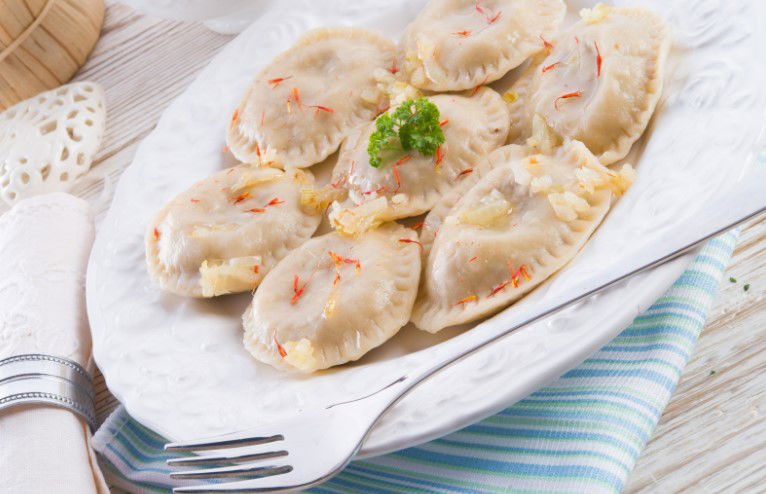
Kielbasa, a traditional Polish sausage, stands as a substantial and satisfying accompaniment to pierogies. It can be prepared in various ways, including boiling or slicing and pan-frying, making it a versatile addition to any pierogi meal. Its robust, savory flavor profile, often characterized by notes of garlic and marjoram, complements the mildness of many pierogi fillings. Kielbasa is readily available in most grocery stores, typically found in the refrigerated section alongside other sausages and hot dogs.
A cherished family preparation involves slicing kielbasa into angled medallions, frying them until browned, and then combining them with jarred apricot preserves. Baking this mixture allows the preserves to melt and meld with the sausage’s juices, creating a delectable sweet and salty sauce that is an exceptional partner to pierogies. This particular preparation highlights the culinary innovation and fusion that can occur within family traditions, blending savory and sweet elements for a unique flavor experience. Detailed guides on cooking kielbasa offer a plethora of preparation methods for this versatile sausage.
6. The Versatility of Pork: A Protein Powerhouse
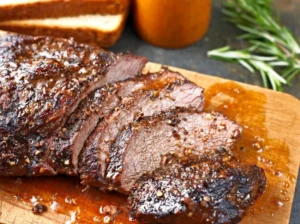
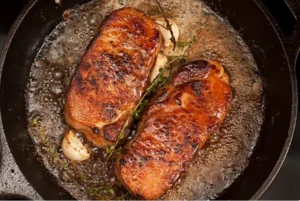
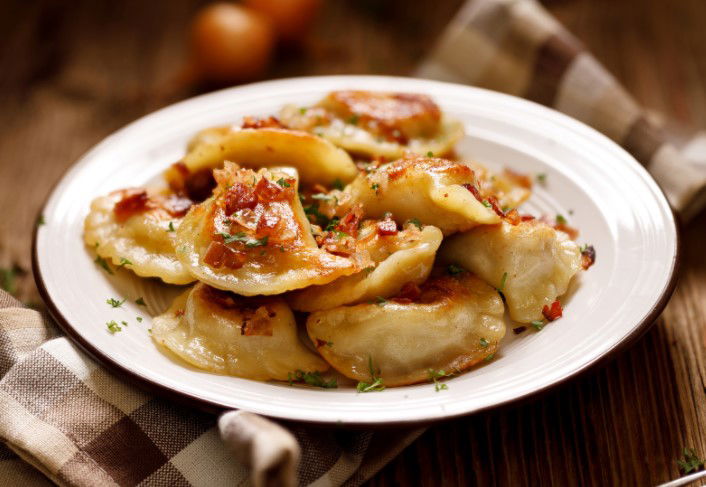
Pork, in its myriad forms, is an exceptionally well-suited accompaniment to pierogies. Whether it’s crispy bacon, pan-seared pork chops, tender pork tenderloin, crunchy fried pork cracklings, or savory pulled pork, pork offers a wide range of flavors and textures that harmonize with the dumplings. Pork is often a cost-effective and filling option, making it an excellent choice for rounding out a meal.

Historically, pork and sausages have been among the most common proteins served with pierogies, forming an integral part of traditional Polish family meals, particularly on Sundays. The practice of frying pork in the same pan used for pierogies is a culinary strategy that maximizes flavor, allowing the rendered lard and browned bits to contribute to the overall taste of both dishes. For those with a penchant for culinary fusion, a personal anecdote highlights the successful pairing of Pernil, a slow-roasted, marinated Puerto Rican pork shoulder with crispy skin, alongside fried pierogies, caramelized onions, and sour cream. This exemplifies how diverse culinary traditions can intersect to create unique and delicious meals.
7. The Depth of Braised Meats: Slow-Cooked Perfection
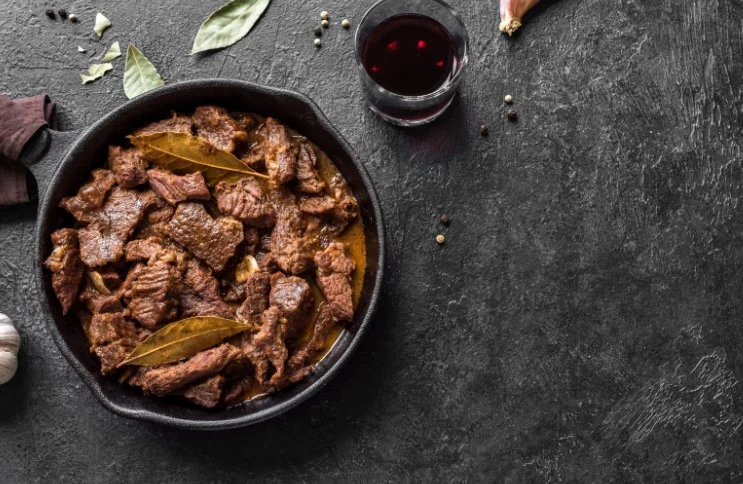
Braised meats offer a luxurious and tender counterpoint to pierogies, particularly when the dumplings are intended to be the supporting act rather than the main event. The process of braising, which involves an initial high-heat sear followed by slow cooking in liquid, results in exceptionally tender and flavorful meat that practically melts in the mouth. Cuts such as chuck roast, pork shoulder or ribs, and lamb shank or shoulder are ideal for braising and pair beautifully with the comforting nature of pierogies.
This method of preparation is particularly well-suited for creating a balanced and complete meal, especially when served with steamed vegetables. The rich, savory juices from the braised meat can also serve as an additional sauce for the pierogies. Detailed guides on braising meats provide comprehensive instructions for various proteins, enabling home cooks to achieve restaurant-quality results. The enduring appeal of braised meats lies in their ability to develop deep, complex flavors over time, making them a perfect complement to the comforting embrace of pierogies.
Pro-Tip for Leftovers: Maximizing Culinary Enjoyment
A practical tip for those planning ahead or anticipating leftovers emphasizes the excellent shelf life and reheating potential of both braised meats and pierogies. Both components store well in the refrigerator and can be easily reheated, making them ideal for weeknight meals or packed lunches. This foresight in meal planning can significantly enhance the convenience and enjoyment of pierogi-centric dishes.
Frequently Asked Questions: Demystifying Pierogi Traditions
To further illuminate the preparation and enjoyment of pierogies, several frequently asked questions address common curiosities.
How are pierogies traditionally served?
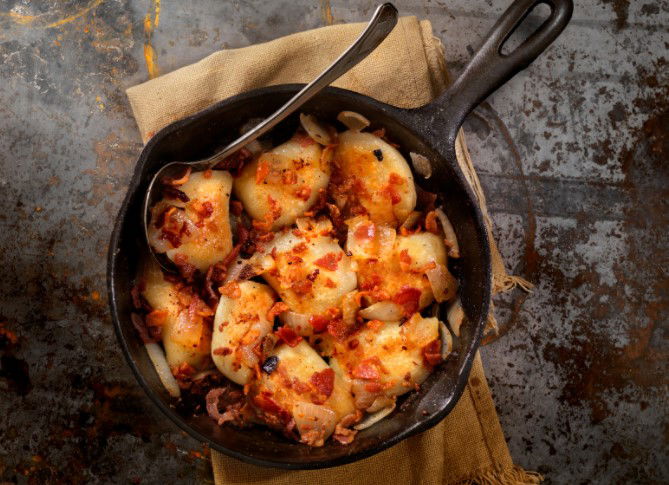
Traditionally, pierogies, originating from Poland, are pan-fried to achieve a delightful crispness. They are commonly served with a simple yet flavorful topping of melted butter and sautéed onions. This classic preparation highlights the inherent qualities of the dumpling and its fillings.
Do you have to boil pierogies before frying them?
The necessity of pre-boiling pierogies depends on their state. Frozen pierogies benefit from a brief pre-boil to ensure even cooking and to prevent the dough from becoming tough during the frying process. However, thawed or fresh pierogies can be fried directly without pre-boiling, yielding a pleasingly crispy exterior and tender interior.
What do you dip pierogies in?
Pierogies are exceptionally versatile and can be dipped in a variety of accompaniments. Melted butter and sour cream are among the most popular choices, offering a rich and creamy counterpoint to the dumpling’s texture and flavor. Other dipping options can include various sauces, herb-infused oils, or even a light vinaigrette, depending on the pierogi’s filling and the desired flavor profile.
In conclusion, the journey of discovering the perfect pierogi pairings is one of culinary exploration and appreciation for tradition. From the essential simplicity of sour cream and sautéed onions to the more robust offerings of kielbasa and braised meats, each suggested accompaniment offers a unique opportunity to enhance the beloved pierogi, transforming a simple dish into a memorable and satisfying gastronomic experience.