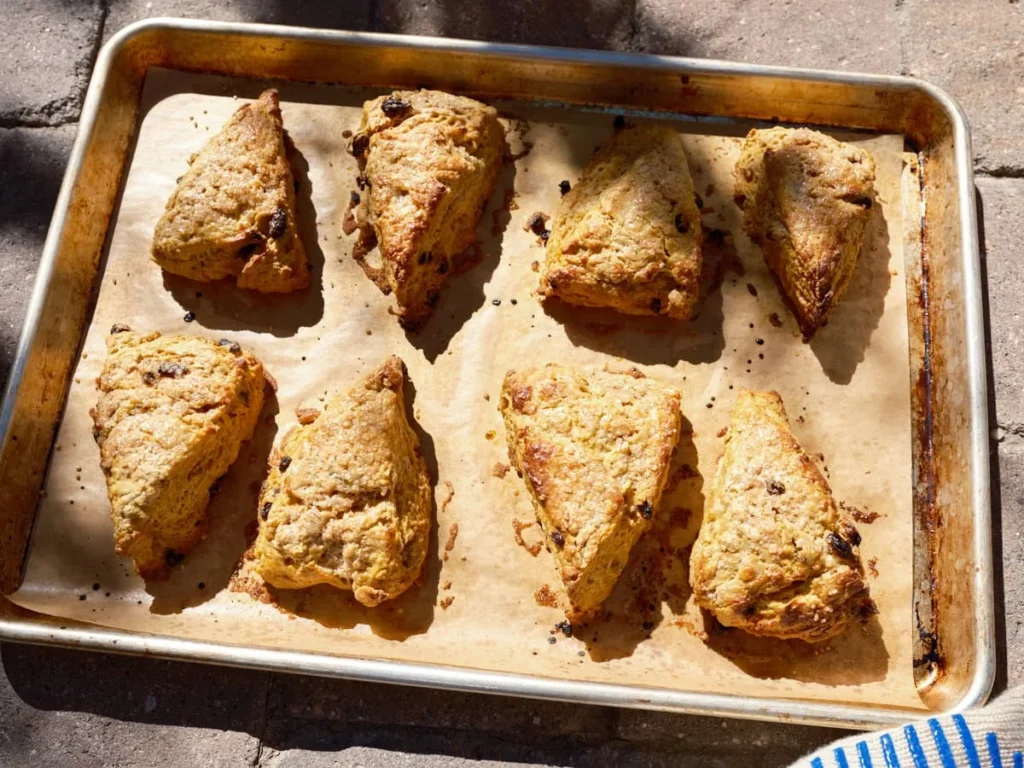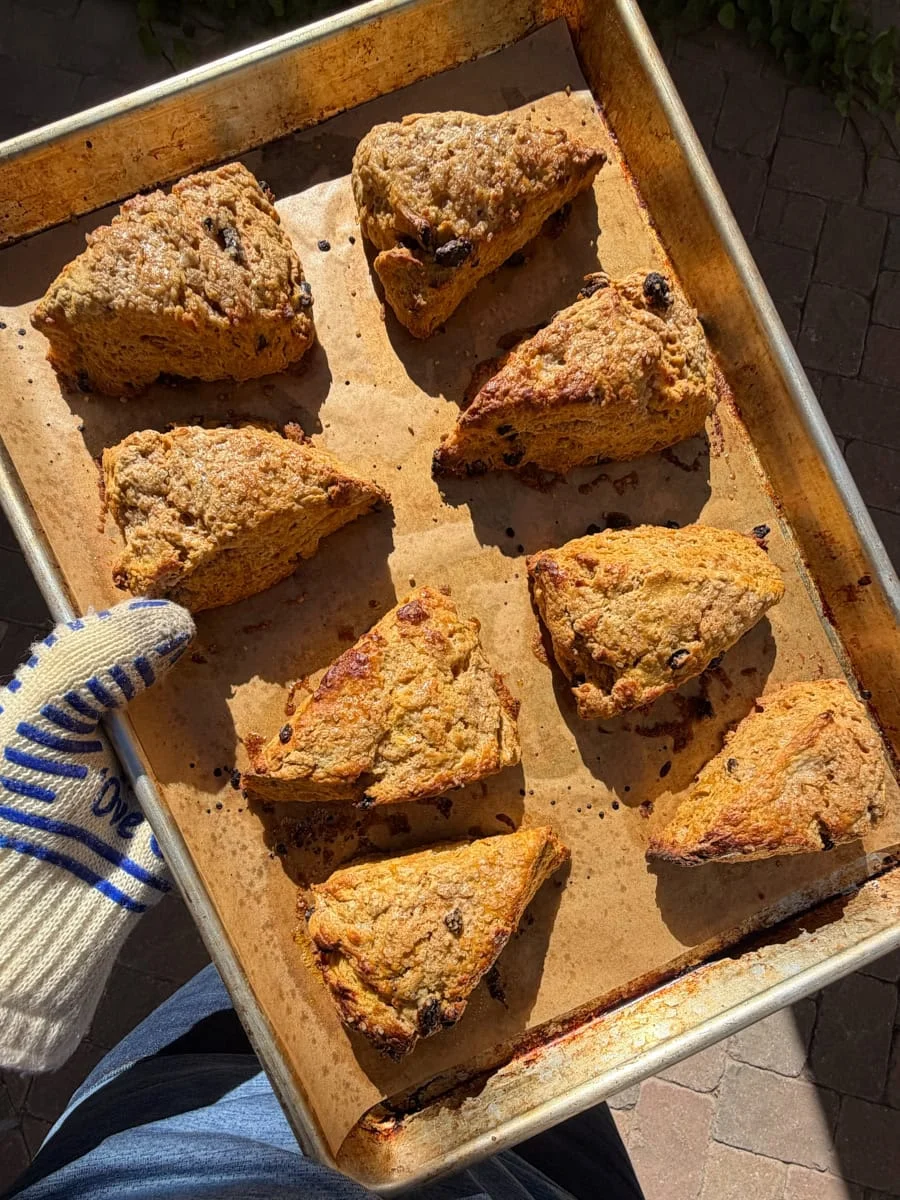

The realm of baked goods is constantly evolving, with home bakers and professional chefs alike seeking to innovate and elevate familiar favorites. In this pursuit, a new sourdough pumpkin scone recipe has emerged, promising a unique textural experience and a delightful flavor profile. This recipe diverges from traditional dense scones, offering a soft, tender interior complemented by a craggy, sturdy crust, a characteristic often found in biscuits. The creator of this recipe, drawing from extensive baking experience, particularly at high altitudes, has refined techniques to ensure a superior rise and a more appealing scone structure.
The core of this culinary innovation lies in the thoughtful integration of sourdough starter discard, the earthy notes of einkorn flour, and the tangy richness of buttermilk. This combination not only enhances flavor but also contributes to the scone’s distinctive texture and rise. The recipe addresses common baking challenges, offering practical solutions for home bakers, regardless of their location or available ingredients.
The Science Behind the Scone: Texture and Rise
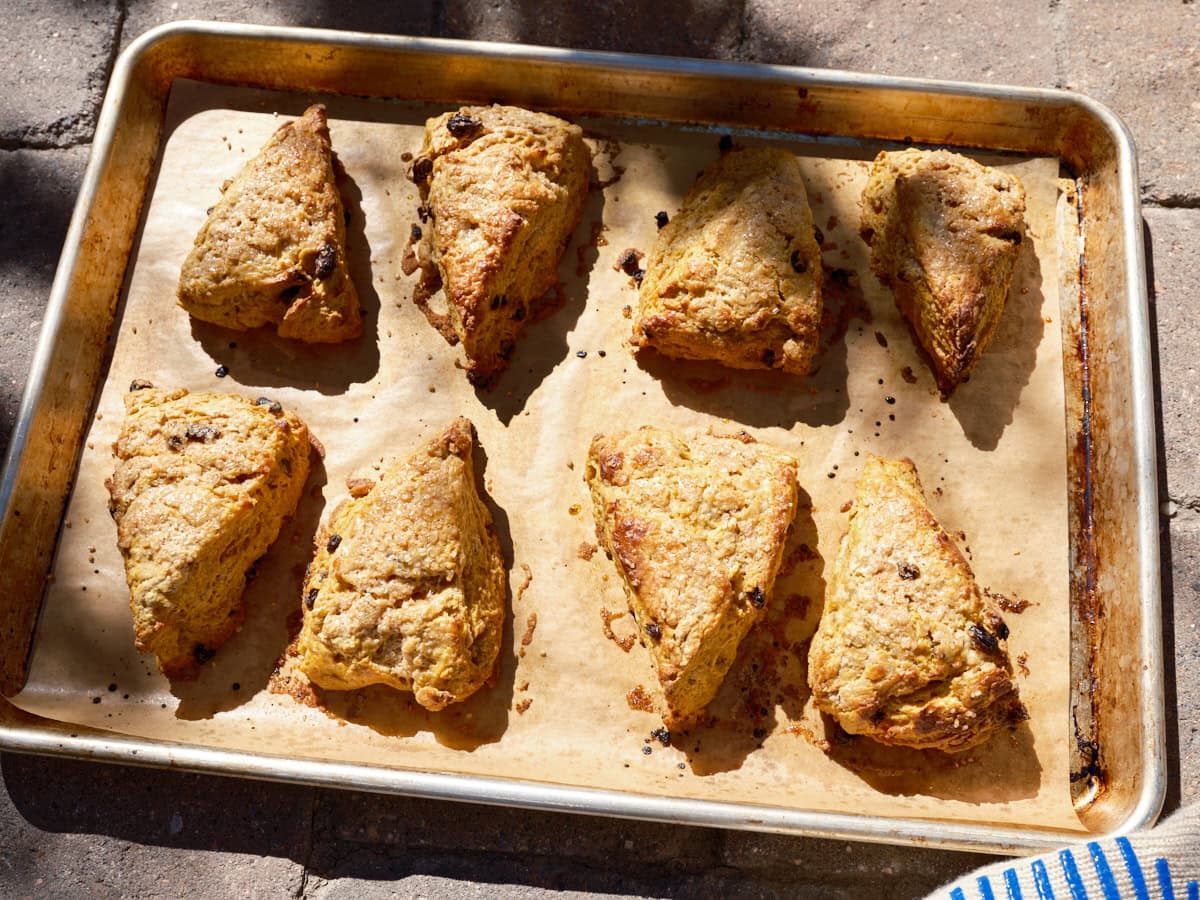
The distinction between scones and biscuits often sparks debate, particularly across different culinary traditions. While the author acknowledges this linguistic and cultural nuance, the recipe firmly categorizes these creations as scones due to their inherent sweetness. The development of this recipe was driven by a desire to achieve a scone that is both structurally sound and delightfully tender. Traditional scones are often characterized by a dry, dense crumb, a texture that, while appealing to some, can be less universally loved. This new recipe strikes a balance, offering a soft interior that melts in the mouth, while the exterior provides a satisfyingly crisp contrast.
Achieving this ideal texture and height involves a nuanced understanding of baking science. The recipe highlights key techniques that contribute to a superior rise. For bakers at high altitudes, where atmospheric pressure differences can significantly impact baked goods, these techniques become even more critical. Similar to the adjustments required for high-altitude sourdough bread baking, subtle modifications can transform a flatter, more spread-out scone into a tall, proud creation. The author’s personal experience baking in the high desert has informed these refinements, making the recipe particularly valuable for those facing similar environmental challenges.
Ingredient Spotlight: Einkorn and Buttermilk’s Role
A crucial element in this recipe is the use of einkorn flour. Einkorn, an ancient grain, possesses a unique nutty flavor and a distinct earthy quality that complements the sweetness of pumpkin beautifully. For bakers who may not have einkorn readily available, the recipe provides a practical substitution: any whole wheat flour can be used. The author suggests specific heritage wheat varieties like Red Fife, Butler’s Gold, or Marquis, known for their robust flavors, which would further enhance the rustic character of the scones. The inclusion of whole-grain flour not only adds nutritional value but also contributes to the scone’s complex flavor profile, preventing it from becoming overly sweet.
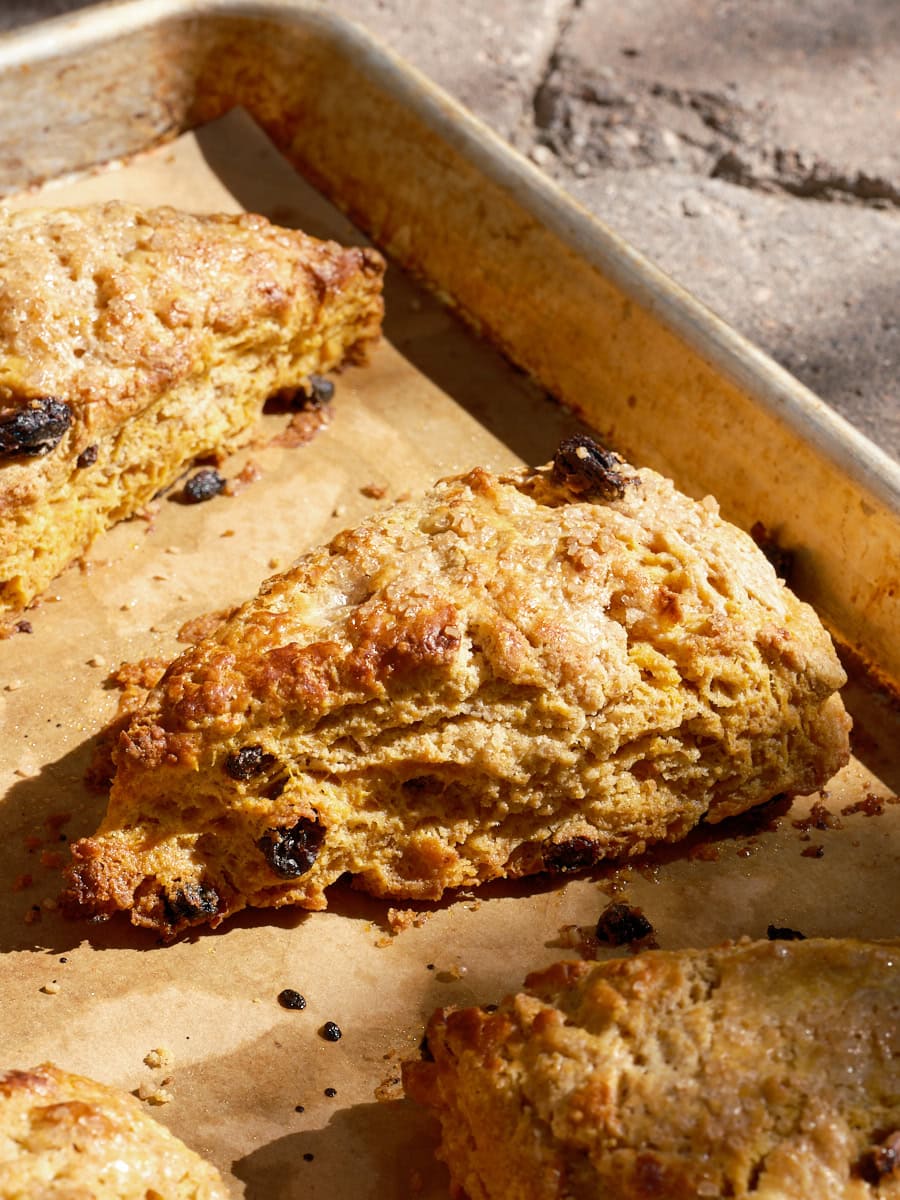
Equally important is the role of buttermilk. While it contains less fat than heavy cream, its acidity is paramount to the scone’s success. The low pH of buttermilk interacts with the gluten structure, making it more relaxed and extensible. This is particularly beneficial when working with whole-grain flours like einkorn, which can have a more delicate gluten network. This interaction results in a tender and flaky crumb. The acidity also plays a vital role in the fermentation process when combined with sourdough starter, creating a delightful tang that balances the sweetness of the pumpkin and spices.
In contrast to the author’s previous "more traditional flaky sourdough scones," which relied on the high fat content of heavy cream to create distinct layers, this recipe utilizes buttermilk for a different, yet equally desirable, tender texture. The fat in heavy cream coats flour particles, leading to a layered structure when melted during baking. This buttermilk-based approach, however, leverages the acid’s impact on gluten, producing a tender crumb through a different mechanism. Both methods yield delicious results, but the choice of dairy ingredient offers a unique textural outcome.
The Convection Advantage: Achieving Height
Beyond ingredient selection, the baking method plays a significant role in achieving the desired scone height. The author strongly advocates for the use of convection in baking, with the notable exception of bread baking that requires steam. Convection ovens provide intense, even heat that is crucial for quickly forming a crust on the exterior of the scones. This rapid crust formation effectively "sets" the dough in its initial stages of baking, preventing it from spreading outwards and promoting upward rise.
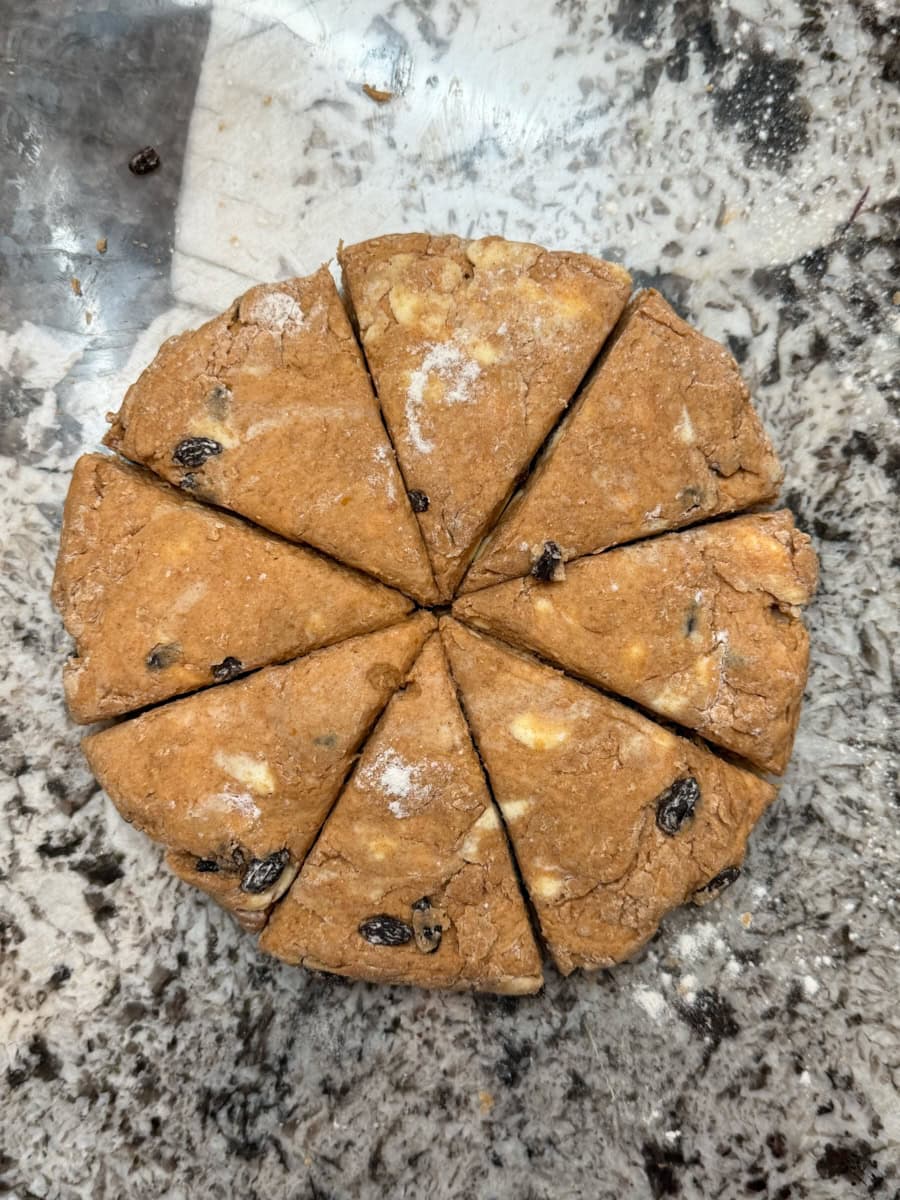
For bakers whose ovens lack a convection setting, a simple workaround is suggested: increasing the baking temperature by approximately 25°F (about 14°C) for the initial minutes of baking. This temporary temperature boost can help to mimic the effects of convection, encouraging a more pronounced rise. This practical advice underscores the recipe’s focus on accessibility and adaptability for home bakers.
Beyond the Basics: Adaptations and Variations
The recipe anticipates common questions and provides clear guidance for substitutions. For those who do not have pumpkin puree, sweet potato or butternut squash puree can be used in equal weight. Applesauce or mashed banana, while sweeter, can also be substituted at a 100g measure.
The FAQ section addresses ingredient availability, offering solutions for those without einkorn flour (whole wheat is recommended) and for those who may not have buttermilk on hand. A common and effective method for creating a buttermilk substitute involves adding a teaspoon of white vinegar or lemon juice to 70g of whole milk and allowing it to sit for five minutes until it curdles. Kefir is also presented as a direct one-to-one substitute.
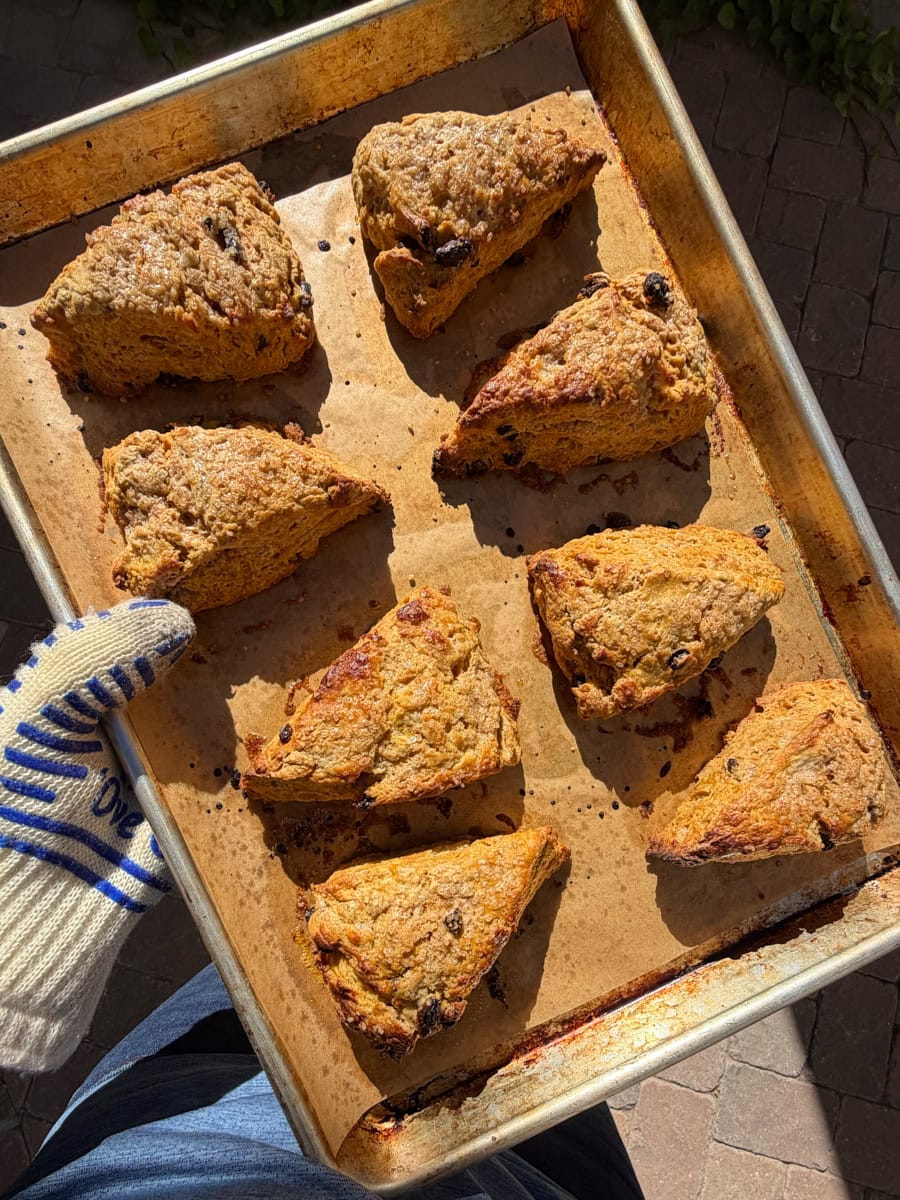
For bakers who are not fond of raisins, the recipe suggests dried cranberries as a primary alternative. Fresh or frozen blueberries are also proposed as a refreshing variation. These thoughtful substitutions demonstrate a commitment to accommodating diverse preferences and dietary needs.
Culinary Connections and Future Endeavors
The author also suggests ways to utilize any leftover pumpkin puree, recommending a Pumpkin Cinnamon Sourdough loaf or pumpkin pancakes. This forward-thinking approach encourages bakers to minimize waste and explore other delicious sourdough creations. The article also acknowledges Michele, who provided inspiration and assisted in the recipe’s development over several years, highlighting the collaborative nature of culinary innovation.
The evolution of this sourdough pumpkin scone recipe is a testament to the ongoing creativity within the baking community. By focusing on specific ingredients, understanding baking science, and offering practical solutions for home bakers, this recipe stands out as a significant contribution to the world of artisanal baking. The combination of a soft, tender interior and a craggy, sturdy crust, achieved through techniques like the use of buttermilk and convection baking, redefines what a scone can be, offering a delightful experience for all who venture to bake them. The emphasis on high-altitude baking further broadens its appeal, making it a valuable resource for a wider range of bakers.