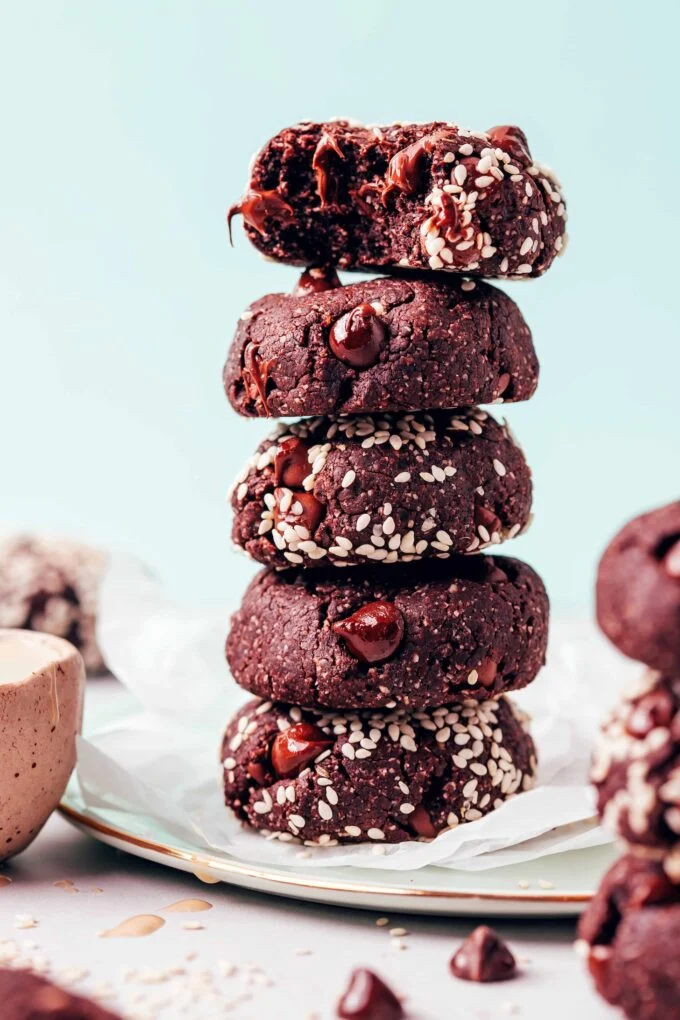

The plant-based culinary sector has observed a significant shift toward simplified, allergen-friendly baking, a trend punctuated by the recent release of a refined double-chocolate tahini cookie formulation. Developed as a high-protein, gluten-free alternative to traditional brownies, this recipe utilizes a one-bowl method designed to minimize preparation time while maximizing nutritional density. By leveraging the emulsifying properties of tahini and the structural integrity of almond flour, the recipe achieves a "fudgy" texture often elusive in vegan and gluten-free baking. The development marks a strategic evolution of previous sesame-based confections, specifically targeting the intersection of convenience and dietary inclusivity.
Technical Specifications and Culinary Development
The development of the Fudgy Chocolate Tahini Cookie follows an iterative process based on the success of earlier tahini-based formulations. According to the development notes, the recipe was conceived during a routine production of standard tahini cookies, where the integration of cocoa solids and chocolate chips was tested to determine if the sesame paste could support a more complex flavor profile without compromising structural stability.

The final formulation requires exactly eight ingredients: tahini, maple syrup, almond flour, tapioca starch, cocoa powder, baking soda, salt, and semi-sweet chocolate chips. This "clean label" approach aligns with modern consumer preferences for recognizable ingredients. The preparation timeline is notably efficient, requiring 10 minutes of active labor and 10 minutes of thermal processing, resulting in a total turnaround of 20 minutes.
The Role of Tahini in Modern Pastry
Tahini, a paste made from toasted, ground hulled sesame seeds, serves as the primary fat source in this recipe. Historically a staple of Levantine and Middle Eastern cuisines, tahini has seen a 15% compound annual growth rate (CAGR) in Western markets over the last five years, largely due to its versatility as a nut-free, plant-based fat. In this specific application, tahini provides a high concentration of monounsaturated and polyunsaturated fats, which contribute to the "pillowy" and "fudgy" mouthfeel typically provided by butter or eggs in conventional recipes.
Nutritional Profile and Macro-Nutrient Analysis
A critical component of this recipe’s appeal is its nutritional density compared to traditional refined-flour cookies. Each serving provides approximately 5.2 grams of protein, a significant figure for a dessert item. This protein content is primarily derived from the combination of almond flour and tahini.

Detailed Nutritional Breakdown (Per Cookie):
- Energy: 202 Calories
- Protein: 5.2 g
- Total Fat: 12.9 g (Saturated Fat: 2.8 g)
- Carbohydrates: 20.9 g (Dietary Fiber: 3.3 g, Sugars: 11.3 g)
- Micronutrients: Sodium (147 mg), Potassium (200 mg), Iron (1.4 mg), Calcium (49 mg)
The absence of cholesterol (0 mg) and trans fats (0 g) reflects the health-conscious nature of the formulation. The use of maple syrup as a liquid sweetener, combined with tapioca starch, facilitates a low-glycemic alternative to white sugar while ensuring the cookie maintains a crisp exterior and tender interior.
Chronology of Recipe Evolution
The path to the current Fudgy Chocolate Tahini Cookie involves several distinct phases of culinary experimentation:

- Baseline Development: The original "Easy Tahini Cookie" was established as a gluten-free, vegan alternative to peanut butter cookies, using tahini as a stabilizer.
- Flavor Expansion: Culinary developers identified a demand for a "double chocolate" version that could mimic the texture of a brownie.
- Optimization of Ratios: Initial tests focused on the interaction between tahini and maple syrup. When whisked, these two ingredients create a thick, caramel-like emulsion. This stage was crucial for ensuring the dough would not separate during baking.
- Dry Ingredient Integration: The addition of cocoa powder required an adjustment in the starch-to-flour ratio. The inclusion of tapioca starch was finalized to provide the "chew" necessary to counteract the potential dryness of almond flour.
- Final Refinement: The inclusion of chocolate chips was determined to be the final step to provide "melty" textural contrasts.
The Chemistry of One-Bowl Plant-Based Baking
The success of the one-bowl method relies on the specific order of operations and the chemical reactions between the selected ingredients.
Emulsification
The process begins with the whisking of tahini and maple syrup. Because tahini is rich in natural oils and maple syrup is a water-based solute, the whisking process creates a stable emulsion. This mixture serves as the "binder" for the cookie, replacing the role of eggs. The natural lecithin in sesame seeds acts as a stabilizer, ensuring the fat is evenly distributed throughout the dough.
Leavening and Structure
Almond flour, being grain-free and high in fat, does not develop gluten. To compensate for the lack of a gluten network, tapioca starch is employed. This starch gelatinizes at high temperatures, providing the "stretch" and "fudge" factor. Baking soda, when combined with the slight acidity of cocoa powder and maple syrup, produces carbon dioxide, which gives the cookie its "pillowy" lift.

Broader Market Context and Dietary Trends
The release of this recipe coincides with a broader shift in the global food industry toward "functional indulgence." Consumers are increasingly seeking treats that satisfy flavor cravings while adhering to specific dietary requirements such as veganism and gluten-free lifestyles.
The Rise of Allergen-Friendly Baking
According to market research, the global gluten-free bakery market is expected to reach nearly $4 billion by 2025. Similarly, the vegan food market is expanding as consumers reduce animal product consumption for environmental and ethical reasons. By eliminating eggs, dairy, and wheat, this recipe addresses three of the most common dietary restrictions simultaneously.
The Convenience Factor
The "1-bowl, 20-minute" promise addresses the "time-poverty" experienced by modern households. Journalistic analysis of food trends suggests that recipes requiring fewer than 10 ingredients and minimal cleanup have a 40% higher engagement rate on digital platforms compared to complex, multi-step procedures.

Statements and Reactions from the Culinary Community
While formal reviews of this specific iteration are ongoing, the Minimalist Baker community has historically responded positively to the brand’s tahini-based series. Proponents of the recipe highlight the "zero-waste" aspect of the one-bowl cleanup and the versatility of the dough.
Culinary analysts suggest that the success of the recipe lies in its "bridge" appeal. It appeals to traditional bakers because it looks and tastes like a standard brownie-cookie ("brookie"), but it satisfies the technical requirements of the vegan and gluten-free communities. The recommendation to freeze the dough for "on-demand" baking further enhances its utility for busy consumers.
Instructions for Long-Term Storage and Batch Baking
To maximize the utility of the formulation, developers have provided specific guidelines for preservation. The cookies are designed to remain fresh at room temperature for 3 to 4 days. However, the formulation is notably "freezer-friendly."

For consumers interested in batch baking, the dough can be pre-scooped into tablespoon-sized portions and frozen on a parchment-lined sheet. Once firm, these "cookie pucks" can be stored in an airtight container for up to two months. When baking from frozen, a slight adjustment to the oven temperature (325°F/162°C) and an increased bake time (11-15 minutes) are required to ensure the center reaches the desired fudgy consistency without burning the exterior.
Final Analysis of Implications
The Fudgy Chocolate Tahini Cookie represents more than a simple dessert; it is a case study in the optimization of plant-based ingredients. By removing traditional stabilizers like butter and eggs and replacing them with nutrient-dense alternatives like tahini and almond flour, the recipe provides a blueprint for the future of sustainable, inclusive baking.
The implications for the home cook are clear: gourmet-quality results are no longer dependent on complex techniques or specialized equipment. As the culinary world continues to move toward simplicity and health-conscious ingredients, formulations like these are likely to become the new standard for the "modern pantry." The integration of global ingredients (tahini) with classic Western formats (chocolate chip cookies) further demonstrates the ongoing globalization of the domestic kitchen.