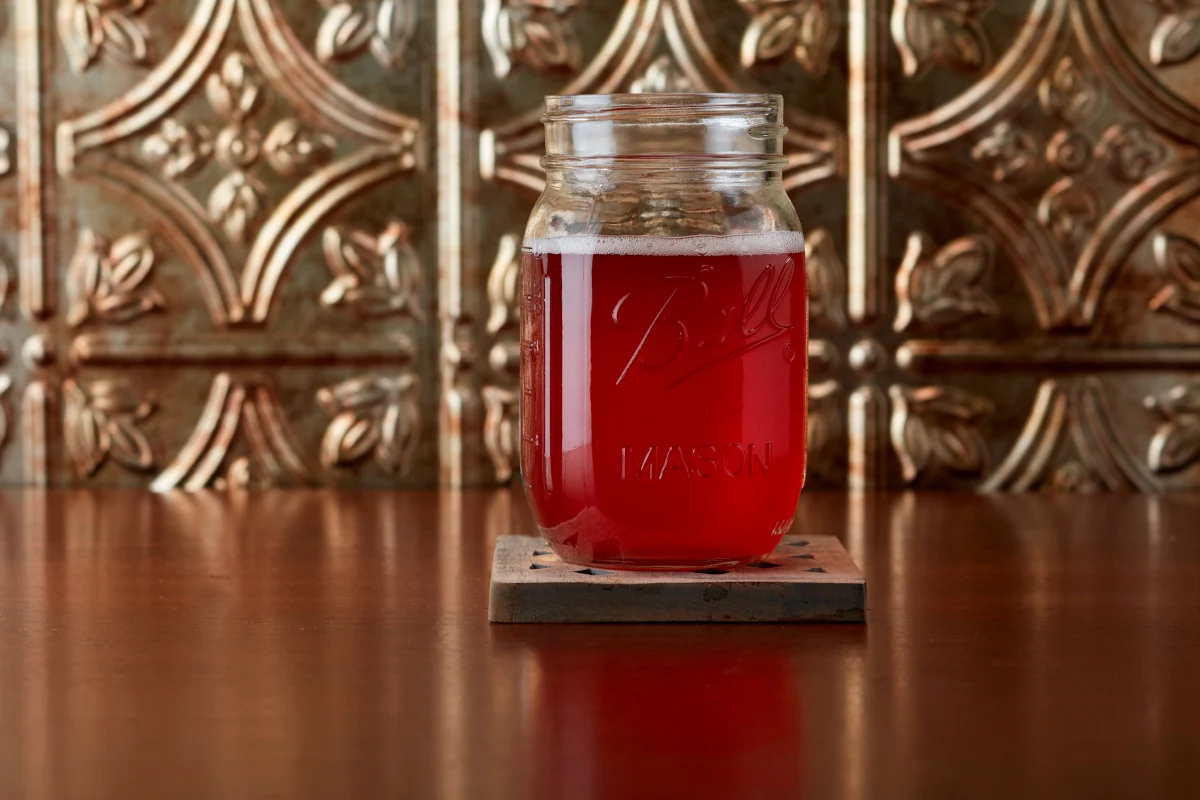

The global homebrewing community is continually exploring novel ways to push the boundaries of traditional fermentation, and the latest creation to capture the attention of hobbyists and professionals alike is a unique beverage known as the Coca-Cola bochet. Developed by Charlie Biolo, the visionary founder of Golden Hive Mead, this unorthodox concoction completely replaces traditional water with flattened commercial soda, blending it with caramelized honey to produce a complex, rich, and tangy mead. Officially selected as one of the hallmark recipes for Learn to Homebrew Day 2026, an initiative proudly brought to the public by Grainfather, this recipe exemplifies the evolving creativity within modern craft fermentation.
Main Facts and Recipe Mechanics
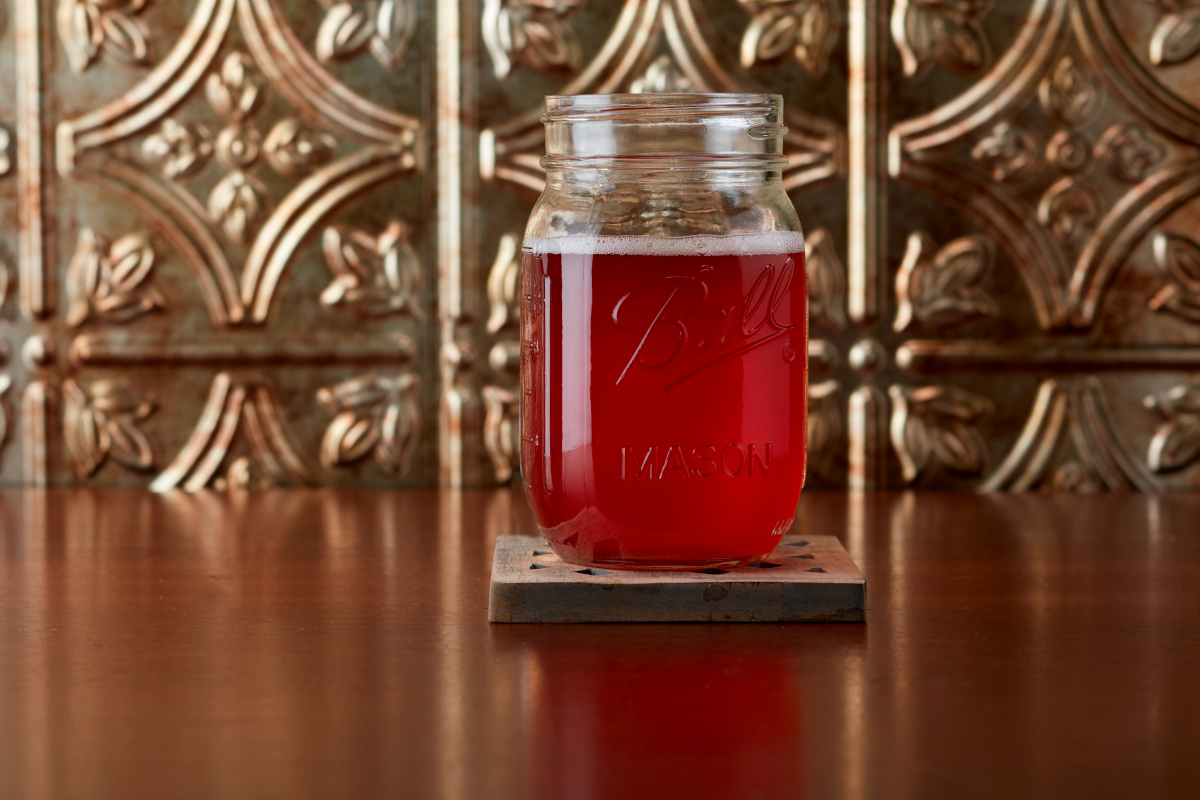
The Coca-Cola bochet is fundamentally a hybrid beverage that merges the ancient craft of mead-making with the universally recognized flavor profile of a modern mass-market soft drink. Unlike standard meads, which rely on water, honey, yeast, and nutrients, this recipe utilizes decarbonated Coca-Cola as its liquid base. The soda is paired with caramelized honey—traditionally known in the mead community as a bochet—to construct a deep, multifaceted flavor architecture.
According to the formulation guidelines released for the event, the beverage yields prominent sensory notes of rich caramel, warm cinnamon, subtle vanilla, and a bright hint of lime. However, executing the recipe requires precise technical control. Brewers must ensure that the soda goes completely flat prior to initiating fermentation to prevent unpredictable foaming and carbonation interference. Furthermore, when caramelizing the honey, the producer must pull the substance from the heat source well before it reaches the targeted flavor profile. Because residual thermal energy continues the chemical browning process, honey left on the burner for too long will over-caramelize and impart an undesirable burnt bitterness.
Post-fermentation management is equally rigorous. The recipe dictates that the brew must be chemically or physically stabilized before any backsweetening takes place to prevent residual sugars from triggering secondary fermentation in the bottle. Once stabilized, the mead requires careful aging on oak and a specific blend of spices, with producers advised to conduct weekly tastings to monitor flavor integration and prevent the wood or spices from overwhelming the underlying caramel and honey profile.
Chronology and Background of Learn to Homebrew Day
To understand the significance of the Coca-Cola bochet’s feature, it is necessary to examine the history and trajectory of Learn to Homebrew Day. Established in 1999 by the American Homebrewers Association (AHA), Learn to Homebrew Day was created to foster community engagement, demystify the art and science of fermentation, and provide an accessible entry point for prospective hobbyists. Held annually on the first Saturday of November, the event has grown over the decades from a modest grassroots gathering into an international celebration featuring hundreds of synchronized events, workshops, and demonstrations across clubs, commercial breweries, and residential garages globally.
In recent years, the AHA has partnered with prominent industry leaders to elevate the technical capabilities and reach of the event. Grainfather, a leading manufacturer of all-in-one brewing systems and digital brewing technology, stepped up as a primary sponsor, supplying cutting-edge equipment and helping curate official educational materials. For the 2026 iteration of the event, organizers sought to break away from conventional pale ales and traditional meads, choosing instead to showcase boundary-pushing recipes that challenge homebrewers to refine their technical skills.
Charlie Biolo and Golden Hive Mead: A Profile in Innovation
The selection of Charlie Biolo as a featured creator for Learn to Homebrew Day 2026 underscores the rising influence of digital-age mead makers. Through Golden Hive Mead, Biolo has built a massive following by documenting his fermentation experiments, demystifying complex mead-making techniques, and introducing unorthodox ingredients to traditional styles.
Bochets themselves are an ancient French style of mead characterized by boiling or caramelizing the honey prior to fermentation, which breaks down complex sugars into unfermentable compounds and creates robust toffee, marshmallow, and dark fruit notes. By integrating Coca-Cola—a beverage itself famous for its complex blend of citrus oils, spices, and caramel coloring—into a bochet framework, Biolo bridges the gap between commercial soda production and ancient mead-making traditions. Industry analysts note that this approach reflects a broader trend among younger makers who are less constrained by historical dogma and more interested in flavor exploration.
Supporting Data and Craft Beverage Trends
The release of the Coca-Cola bochet recipe arrives at a fascinating juncture for the broader craft beverage industry. According to recent market research data from the Brewers Association and analogous craft alcohol trade groups, consumer interest in alternative fermentation categories—including mead, ciders, hard kombuchas, and botanical seltzers—has seen steady year-over-year growth. While traditional beer volumes have faced saturation and modest contractions in mature markets, experiential and artisanal beverages that tell a unique story continue to capture consumer wallets.
Furthermore, data concerning homebrewing demographics indicates a significant shift toward flavor experimentation. Surveys of homebrew club members reveal that a growing percentage of hobbyists regularly experiment with non-traditional adjuncts, ranging from culinary spices and specialized teas to commercial sodas and local agricultural products. The technical hurdle of stabilizing and backsweetening a mead, as required in Biolo’s recipe, serves as an educational milestone for intermediate homebrewers looking to graduate from basic kit brewing to advanced beverage architecture.
Official Responses and Industry Perspectives
While major commercial soft drink manufacturers have not officially partnered with the American Homebrewers Association for this specific release, representatives from the broader craft fermentation sector have praised the initiative.
"The democratization of brewing relies entirely on curiosity," noted a regional craft beverage educator during a preliminary preview of the 2026 event materials. "When you introduce a universally recognized flavor profile like Coca-Cola into a complex, ancient medium like a bochet, you immediately lower the intimidation factor for newcomers while simultaneously giving experienced brewers a fascinating technical puzzle to solve. Controlling attenuation, managing residual sweetness, and balancing oak aging with soda syrup chemistry are advanced skills disguised as a fun experiment."
Grainfather representatives echoed this sentiment, emphasizing that Learn to Homebrew Day has always been about inspiring passion rather than enforcing rigid adherence to style guidelines. By providing recipes that demand precision—such as timing the honey caramelization and monitoring the aging process on a weekly basis—the event organizers ensure that participants walk away with a deeper, practical understanding of fermentation science.
Broader Impact and Implications for the Future of Homebrewing
The inclusion of the Coca-Cola bochet in the official lineup for Learn to Homebrew Day 2026 carries several notable implications for the future of the hobby. First, it highlights the ongoing convergence of internet culture, modern culinary arts, and traditional fermentation. Content creators who share their processes across digital platforms are increasingly shaping the curriculum of legacy educational institutions like the American Homebrewers Association.
Second, the recipe underscores the growing importance of advanced process control in home production. As equipment manufacturers like Grainfather continue to introduce precision heating, digital temperature monitoring, and automated systems to the consumer market, homebrewers are equipped to tackle complex, multi-stage recipes that were once exclusively the domain of commercial laboratories. Managing a delicate balance of caramelized honey, flat soda sugars, chemical stabilizers, and oak tannin extraction requires a level of scientific diligence that elevates homebrewing from a simple domestic pastime into a refined craft.
As participants prepare for Learn to Homebrew Day 2026, the Coca-Cola bochet stands out not merely as a novelty, but as a case study in modern beverage development. By respecting the underlying chemistry of fermentation while boldly reimagining traditional flavor parameters, creators like Charlie Biolo are ensuring that the global homebrewing community remains vibrant, innovative, and endlessly curious for decades to come.