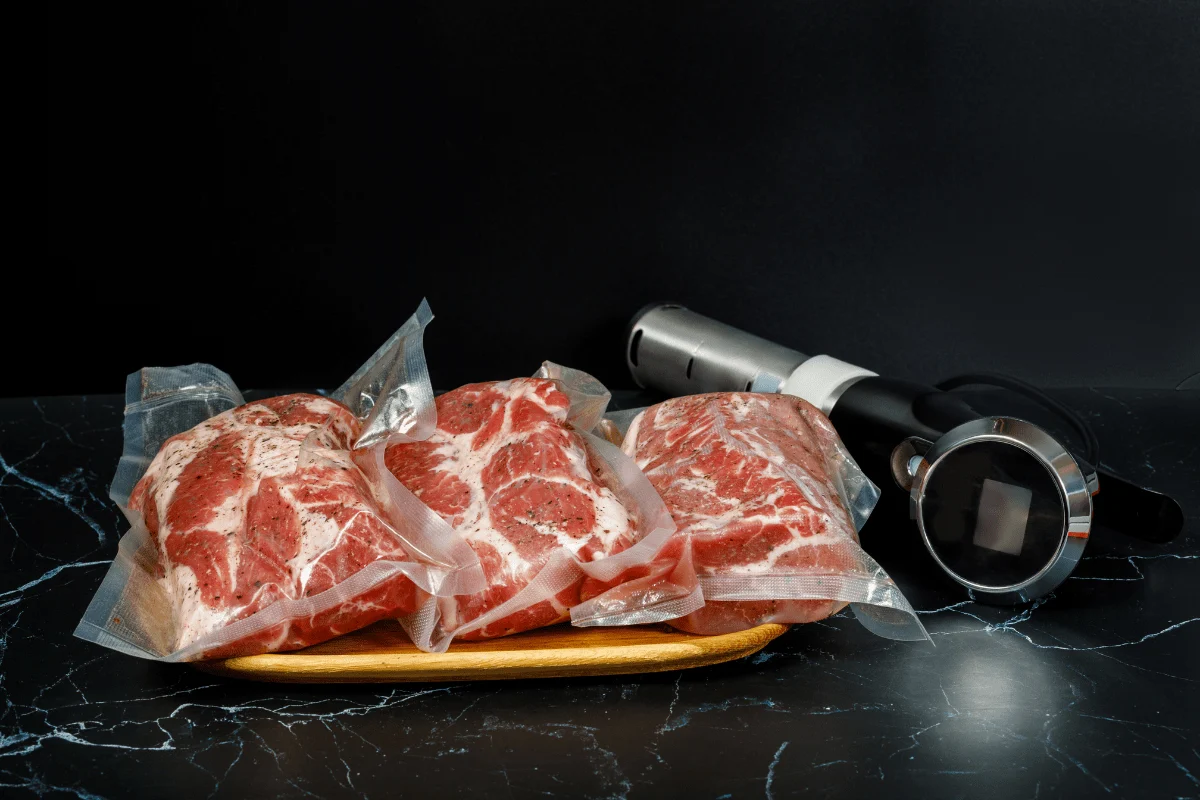

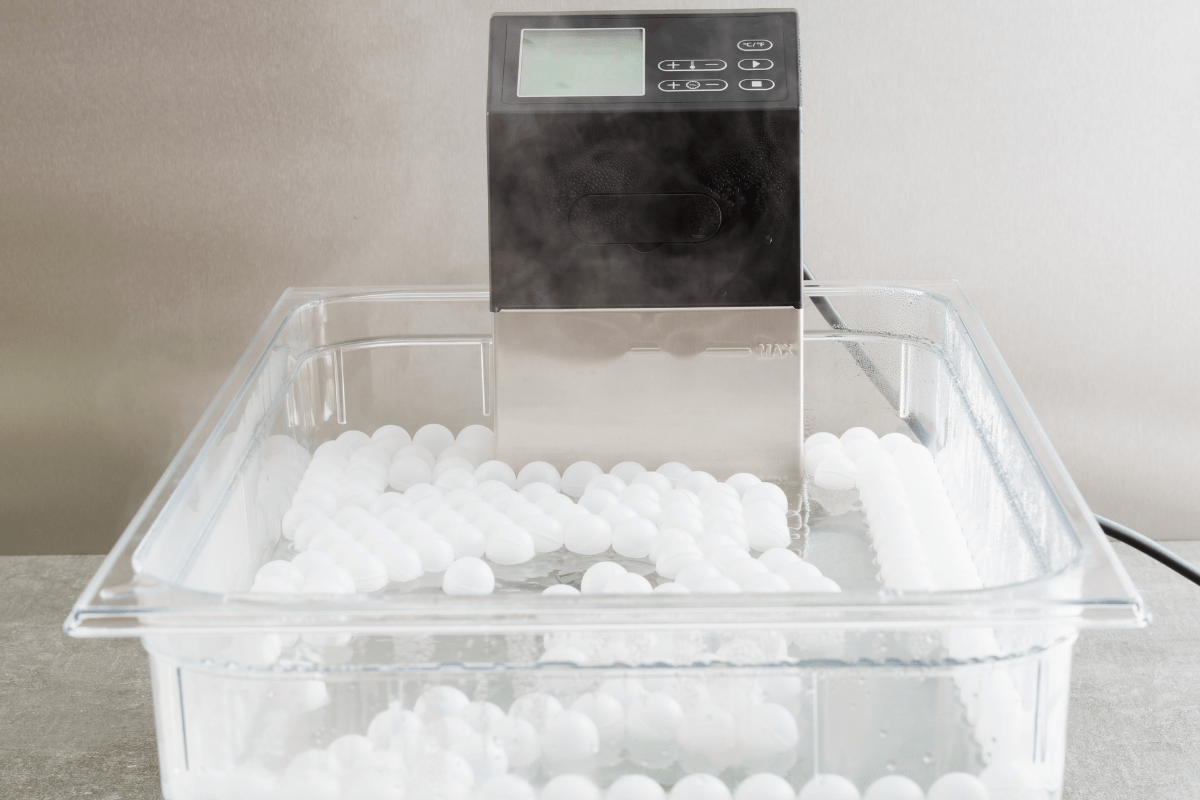
My culinary journey began with an immersion into the world of sous vide cooking during my time at culinary school. We utilized a large, multi-compartment water bath to meticulously prepare proteins, offering a stark contrast and a powerful comparison to traditional cooking methods. The results were nothing short of revelatory, showcasing an unparalleled level of precision and consistency. This initial exposure coincided with a pivotal moment in the restaurant industry, as sous vide technology was rapidly becoming more accessible. This allowed me to gain extensive hands-on experience, refining my understanding and application of this revolutionary technique. Now, drawing upon over a decade of experience with leading commercial sous vide machines, this analysis aims to equip operators with the knowledge to make informed purchasing decisions, optimize efficiency, and ultimately enhance the profitability of their commercial kitchens.
Our Top Picks for Commercial Sous Vide
Best Overall: PolyScience Creative Series Sous Vide Commercial Circulator
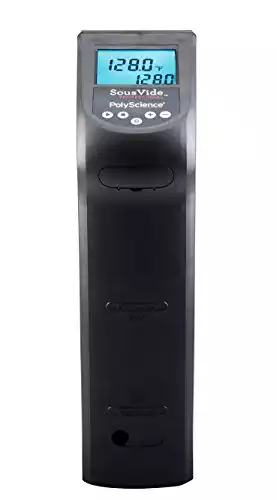
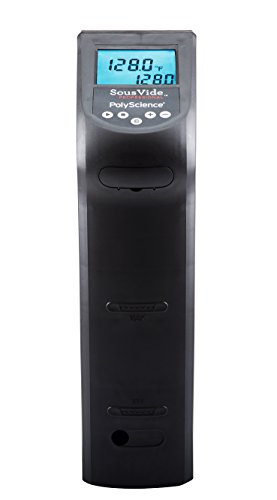
The PolyScience Chef circulator stands as a comprehensive solution for commercial sous vide operations. While previously recognized as an excellent upgrade for home cooks, its true prowess is unleashed within the demanding environment of a professional kitchen. This immersion circulator masterfully blends substantial power and exceptional accuracy into a remarkably compact and portable unit.
Its intuitive control interface simplifies operation to a fundamental level: set your desired temperature, and the cooking process begins. It is important to note that this specific model does not feature a built-in timer, necessitating the use of an external timing device to monitor cooking durations. The generously sized, backlit LCD display is easily legible from across a busy kitchen, clearly indicating both the current and target temperatures. This allows for immediate awareness of bath readiness and provides visual cues to detect any temperature drops upon the introduction of ingredients.
Despite its diminutive size, this immersion circulator possesses the capability to precisely heat water baths up to eight gallons with a maximum temperature of 200°F. The superior heating coil accuracy and the robust durability of the water pump are the distinguishing factors that elevate PolyScience sous vide machines above their competitors. This model is capable of managing substantial water volumes and sustaining multi-day cooking cycles without succumbing to overheating or temperature fluctuations. Furthermore, in the event of a power interruption, this unit is engineered to automatically resume operation at the last recorded temperature, thereby safeguarding against product spoilage even in the absence of direct supervision. My extensive use of this model, including recipes that require up to 72 hours of continuous operation, stands as a testament to its unwavering accuracy and reliability.
What we like:
- Exceptional durability and proven longevity in commercial settings.
- High degree of temperature accuracy for consistent results.
- Automatic restart feature after power interruptions.
- Compact and portable design.
What we don’t:
- Lacks an integrated timer function.
Best Value: Anova Culinary Sous Vide Precision Cooker Pro
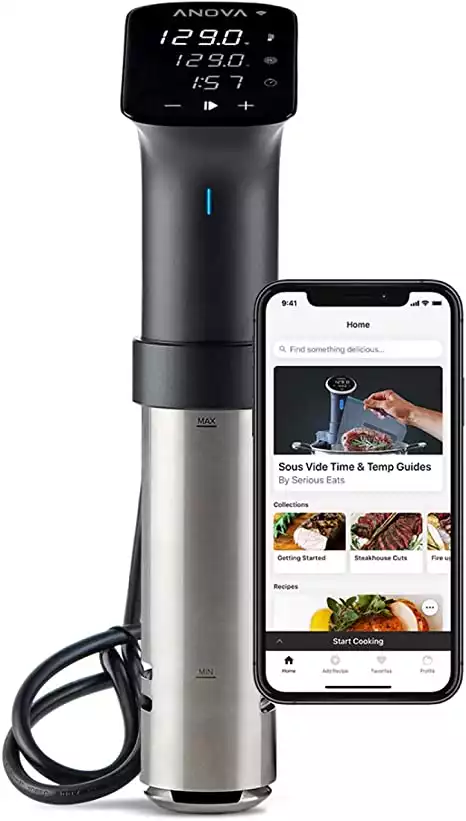
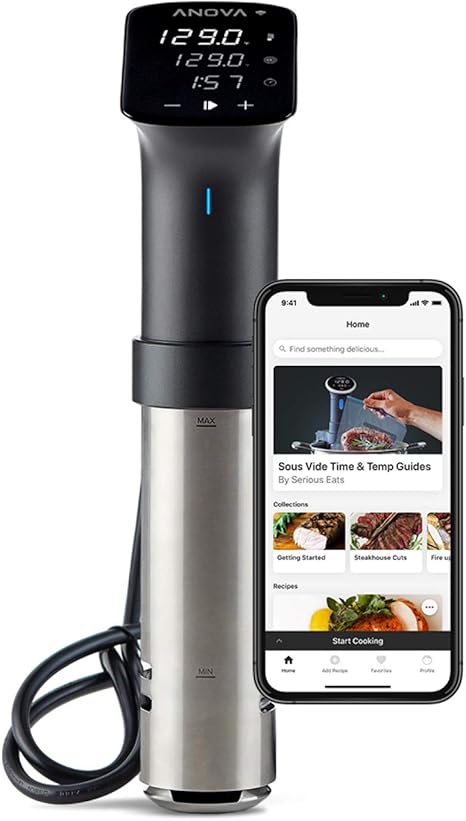
While not strictly classified as a commercial unit, the Anova Precision Cooker Pro presents a compelling option for smaller operations or those seeking exceptional value without compromising on precision and dependability. Its performance in a small restaurant setting has been consistently reliable, offering remarkable power for its size. A significant financial advantage lies in its affordability; multiple Anova units can be acquired for the cost of a single commercial-grade machine, enabling the simultaneous operation of multiple water baths at distinct temperatures. This flexibility can be particularly beneficial during extensive food preparation or for managing diverse protein cooking requirements during peak service hours.
Despite its accessible price point, the Anova Precision Cooker Pro does not sacrifice performance. Its technical specifications rival those of high-end commercial devices. Operation is straightforward, featuring touch-sensitive buttons on the unit itself, or the convenience of wireless control via the Anova smartphone application. Notably, it includes a built-in timer, addressing a feature absent in the top-tier PolyScience model. The precision of this cooker is remarkable, achieving temperature accuracy within 0.09°F. Similar to its commercial counterparts, it is designed for extended continuous operation, boasting a lifespan of up to 10,000 hours.
The primary consideration differentiating it from a true commercial unit is its potential for reduced long-term durability. While PolyScience circulators have demonstrated a lifespan exceeding a decade in demanding environments, the Anova unit, though robust, has not yet undergone the same prolonged period of rigorous, constant restaurant use to definitively establish its extreme longevity.
What we like:
- Excellent value for money, offering multiple units for the price of one commercial model.
- High degree of temperature accuracy.
- Integrated timer function.
- App compatibility for remote monitoring and control.
- Capable of continuous operation for extended periods.
What we don’t:
- Long-term durability in extreme commercial environments is less proven than dedicated commercial units.
Understanding Commercial Sous Vide Equipment
Type of Cooker: Immersion Circulators vs. Other Commercial Cooking Options
Immersion circulators represent a pinnacle of precision cooking technology. Their portability, ease of storage, and cost-effectiveness, especially when juxtaposed with other commercial cooking appliances, make them highly attractive.
Water Oven
A water oven offers a dedicated, all-in-one solution for precision sous vide cooking. These units integrate the water reservoir, heating element, and circulation motor into a single appliance. While they can achieve comparable precision to immersion circulators, their fixed configuration means a singular bath size for all applications, and they occupy a significant footprint, even when not in use.
Combi-Oven
The combi-oven is a versatile cornerstone of many commercial kitchens, capable of performing a wide array of cooking techniques using a combination of dry heat and steam. While not typically as precise as immersion circulators for low-temperature cooking, their broad functionality is invaluable. However, low-temperature sous vide applications within a combi-oven are often constrained, and their cost begins in the thousands of dollars, escalating rapidly to tens of thousands.
Power, Wattage, and Speed: Impact on Performance
The power and wattage of a sous vide machine directly dictate its water-heating speed and the maximum volume of the water bath it can effectively manage. Commercial-grade units typically operate within the 1000 to 1200-watt range; units below this threshold are generally designed for domestic use. Within this power spectrum, small baths (3-5 gallons) can typically reach the target temperature in approximately 15 minutes, while larger baths (around 8 gallons) may require double that time. Preheating the water can significantly accelerate this process. These higher-powered machines also exhibit a rapid recovery rate, quickly compensating for any temperature loss incurred when introducing cold ingredients.

Precision: The Core of Sous Vide Cooking
The fundamental principle of sous vide cooking lies in achieving exact temperatures. Even entry-level domestic units often boast accuracy within 0.1°F, making any commercial option with less precision a questionable investment. Regarding temperature ranges, most immersion circulators are comparable. Few culinary applications necessitate temperatures below 100°F, which is the typical starting point for most models. Maximum temperatures generally reach around 200°F; exceeding this threshold renders a pot of boiling water or a combi-oven a more suitable alternative.
Compatible Containers: Leveraging Existing Kitchen Infrastructure
For effective sous vide cooking, appropriate containers are essential. Fortunately, many commercial kitchens are already equipped with Cambro food boxes, which serve as ideal vessels. These are not only perfectly suited for sous vide but also contribute to maintaining organization within walk-in refrigerators. Larger 8-gallon versions are available for substantial cooking tasks, while 3-gallon containers are suitable for smaller-scale operations.
Controls: Prioritizing Simplicity and Readability
The control panels of immersion circulators should prioritize simplicity. The primary function required is the precise setting of the cooking temperature. A clear, backlit or LED display is crucial, allowing for at-a-glance temperature readings, even in low-light conditions or from across a busy kitchen. While wireless connectivity and app control are common features in domestic models, such as the Anova Pro, their utility in commercial settings may be less critical, though app notifications for task completion can be a convenient bonus.
Vacuum Sealer: An Indispensable Sous Vide Companion
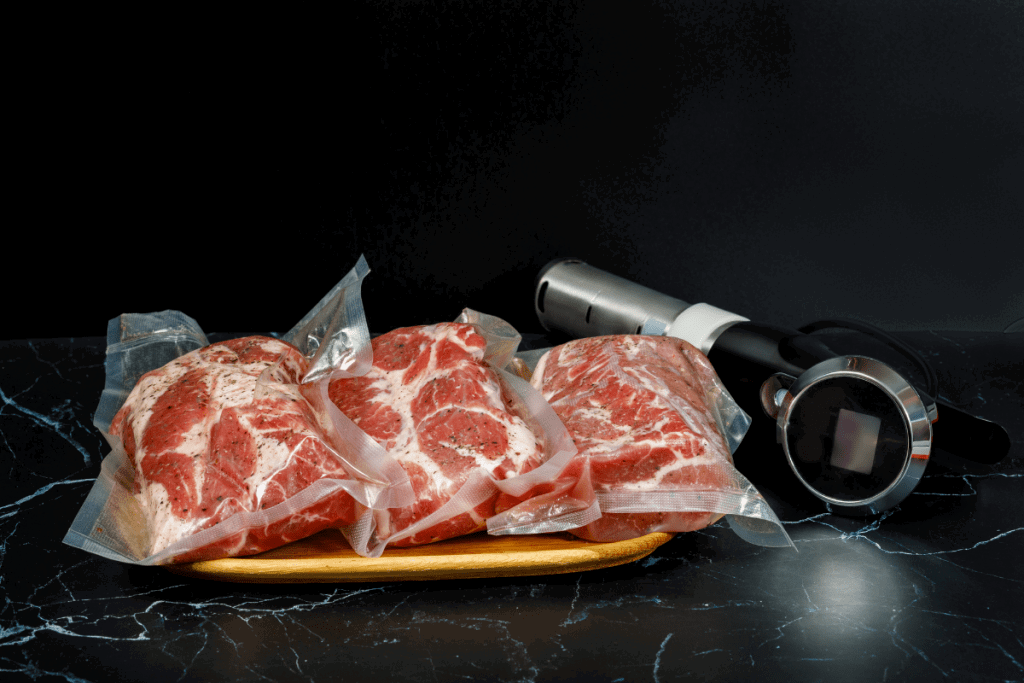
While not an absolute prerequisite, a vacuum sealer is exceptionally close to being essential for commercial sous vide operations. It ensures that bags are entirely waterproof, allowing for denser packing of items within a water bath and preventing the ingress of water, which can dilute or spoil food. Furthermore, vacuum sealing facilitates more rapid and effective marination, leading to more consistent cooking outcomes. Numerous high-quality commercial vacuum sealers are available to complement sous vide cooking.
Care and Maintenance: Ensuring Longevity
Durable and easily maintained sous vide immersion circulators are designed for longevity. Regular cleaning and avoiding prolonged submersion of the control unit will ensure years of trouble-free operation. Periodic maintenance primarily involves cleaning the heating coil and removing any debris that may accumulate in the circulator pump. Wiping the coil clean is standard practice, and any buildup can be addressed by running a cleaning cycle with a solution of equal parts water and white vinegar. Maintaining a clean water bath and using only water are paramount for the optimal functioning of the water pump. Occasional inspection and removal of debris from the pump mechanism, using tools like tweezers or a toothpick, is recommended.
What You Can Expect To Spend
A genuine commercial-grade immersion circulator typically represents an investment of approximately $1000. While this may seem substantial, it is often one of the more economical appliances found in a professional kitchen. For less frequent use or operations where extreme durability is not the paramount concern, the Anova Culinary Sous Vide Precision Cooker Pro offers a more budget-friendly alternative, priced in the few hundred dollar range.
Frequently Asked Questions
What Is A Commercial Sous Vide Used For?
Commercial sous vide cooking finds application across a broad spectrum of culinary disciplines, including bar services, savory preparations, and pastry. A primary use is the precise cooking and holding of proteins during service, eliminating guesswork regarding doneness and accelerating the delivery of dishes from the kitchen to the diner. It is also instrumental in achieving the exact textures required for delicate items like eggs, which can drastically alter with even minor temperature variances.
Would I Be Better Off With A Commercial Or Home-Use Sous Vide?
For domestic use, commercial models are generally unnecessary. Modern home sous vide devices offer comparable accuracy at a fraction of the cost. The primary advantage of commercial units lies in their enhanced durability, which often exceeds typical home requirements. Additionally, some commercial models possess certifications for commercial use and sanitation.
What Type And Size Of Cooking Vessel Will I Need?
The 4.5-gallon Cambro food boxes are an excellent size for most common applications. While large pots can be substituted, they lack the convenient, space-saving fit of Cambro boxes on countertops or tables. For larger items, such as 3-pound bone-in pork chops, 8-gallon Cambro models are necessary.
Is There A Cost Economy Or Value Add Benefit To Cooking With Sous Vide In A Commercial Kitchen?
Sous vide cooking offers significant economic advantages and enhances consistency in commercial kitchens. Its inherent precision ensures perfect results every time, minimizing over- or under-cooking and consequently reducing food waste. Furthermore, it liberates valuable stovetop and oven space, which can be a point of contention in high-volume kitchens.
What Happens If My Power Supply Is Interrupted?
Many commercial circulators, including the recommended PolyScience and Anova Pro models, feature an auto-restart function. This crucial feature ensures that upon restoration of power, the machine will automatically resume cooking at the last set temperature, regardless of the duration of the interruption. This provides invaluable peace of mind for extended cooking processes.
My Recommendation
Integrating a commercial sous vide machine into your operation is a strategic decision that promises both cost savings and enhanced cooking efficiency. The PolyScience Creative Series stands as a benchmark for durability and accuracy in the market. While its initial investment is higher, its long-term reliability and performance justify the cost when compared to many other commercial kitchen appliances. For smaller establishments or those with less frequent sous vide requirements, the Anova Culinary Sous Vide Precision Cooker Pro offers a compelling, more affordable alternative, delivering impressively accurate and powerful cooking capabilities.
Regardless of the chosen path, the acquisition of appropriately sized containers for your water bath is essential. Incorporating a wire rack within your setup can further optimize efficiency and organization. These considerations, combined with the precision and consistency offered by sous vide technology, will undoubtedly elevate the culinary output and operational effectiveness of any commercial kitchen.