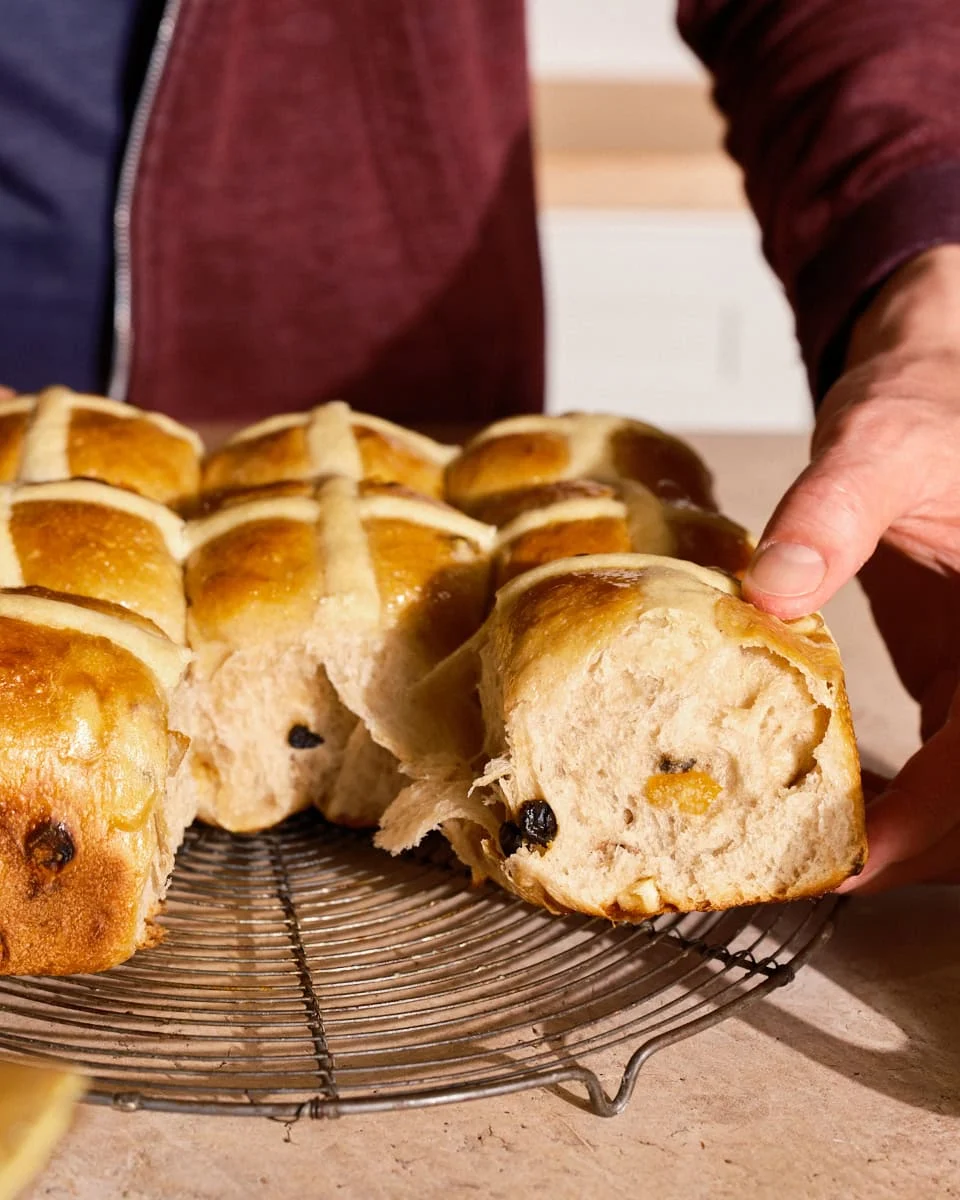

As the crisp air of winter yields to the gentle warmth of spring, a culinary tradition begins to stir for many: the creation of hot cross buns. While often associated with Good Friday, these spiced, fruit-laden buns have transcended their specific holiday designation, becoming a beloved marker of the season’s transition. This year, bakers are embracing a more nuanced approach, elevating this classic with the artful application of sourdough and the secret weapon of tangzhong, resulting in an unparalleled softness and depth of flavor.
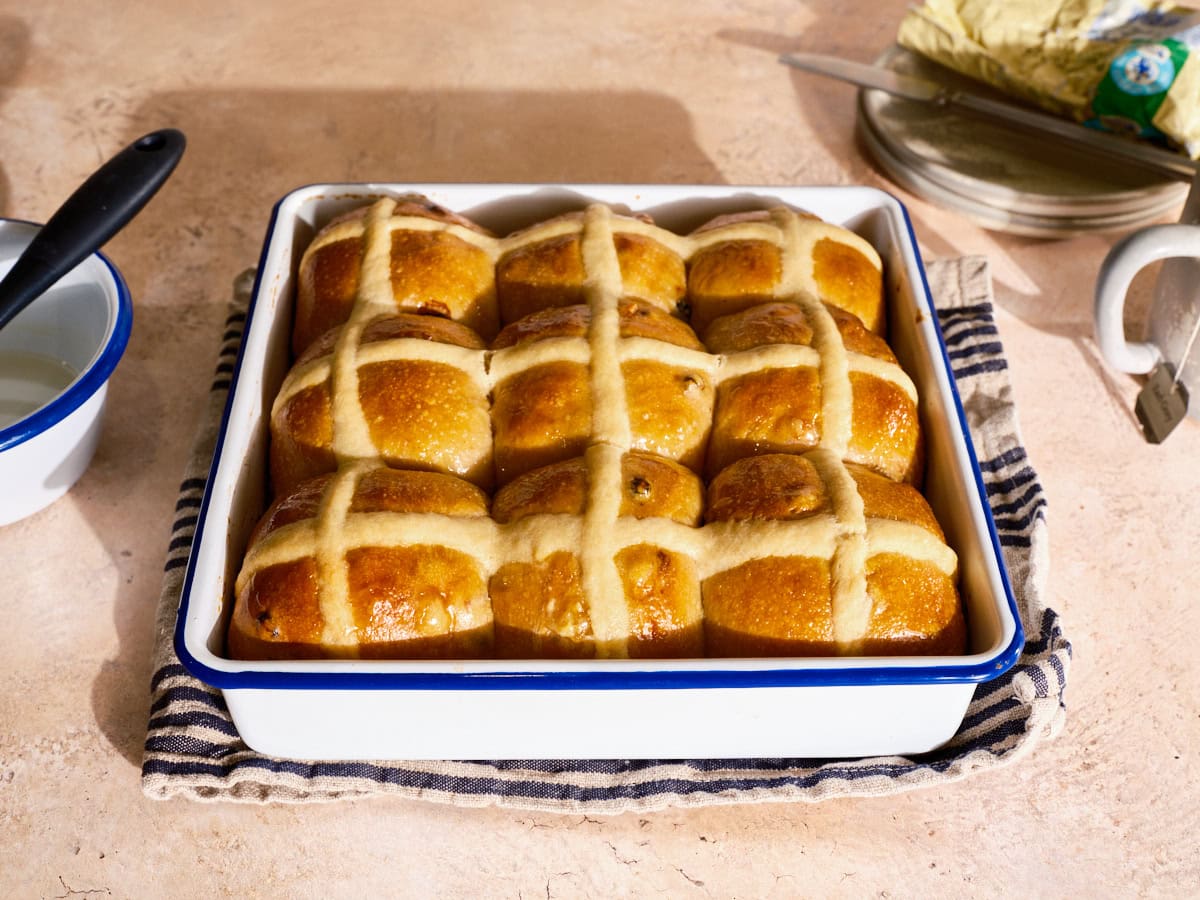
At the heart of this refined baking practice lies a commitment to time-honored techniques and a deep understanding of dough. The sourdough starter, a living culture of wild yeast and bacteria, imparts a subtle tang that beautifully complements the sweet and warm spice notes inherent to hot cross buns. This natural leavening process, while requiring patience, rewards the baker with a complexity of flavor that commercial yeast simply cannot replicate.
The integration of tangzhong, a cooked flour and liquid paste, further elevates the texture of these buns. This technique, popularized in Asian baking, involves heating a small portion of the flour and liquid until it forms a thick gel. When incorporated into the main dough, tangzhong acts as a moisture magnet, trapping water molecules and contributing to an exceptionally tender, pillowy crumb that remains soft for longer. This innovation transforms the humble hot cross bun into a luxurious treat, a testament to the continuous evolution of baking science.
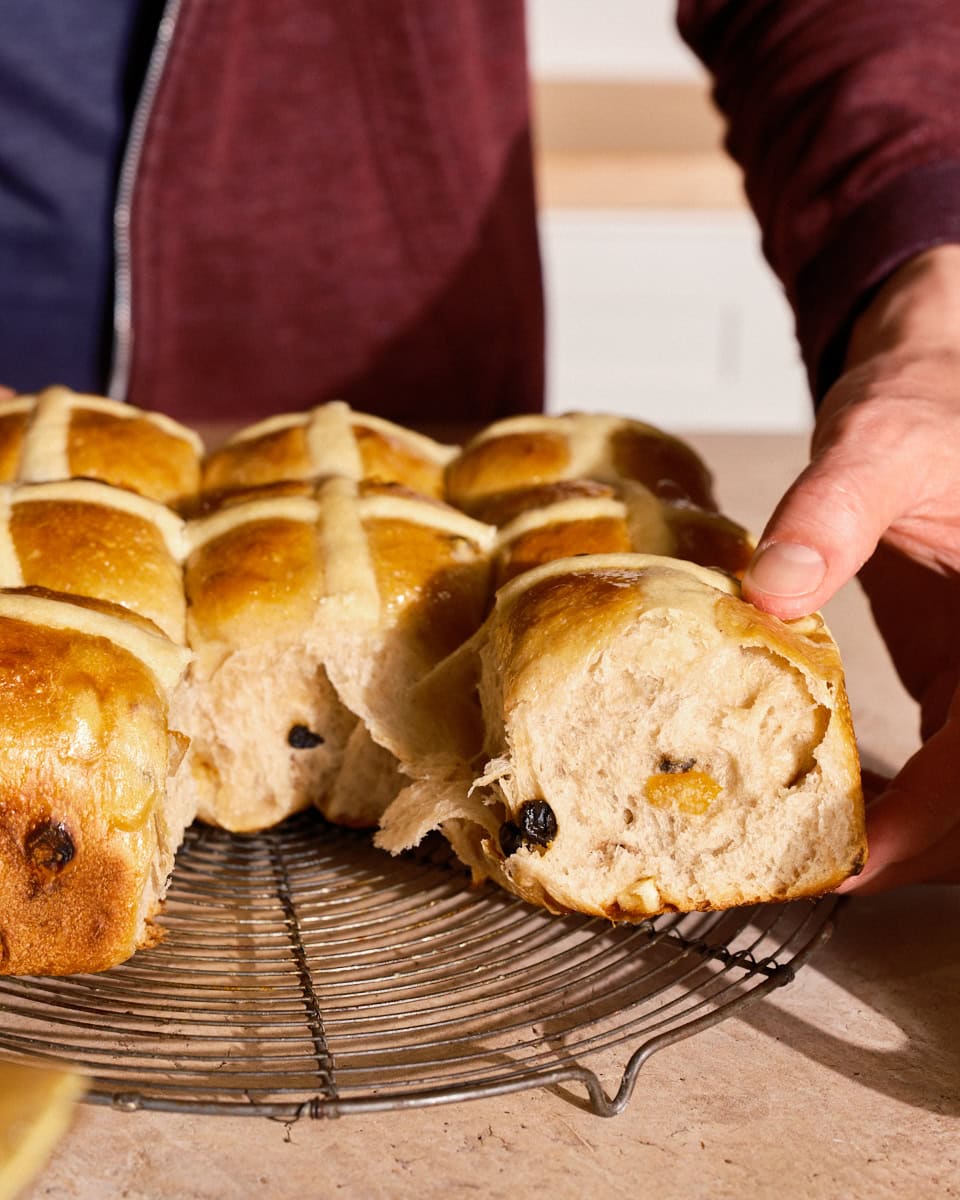
The recipe, adapted from "The Perfect Loaf" cookbook, emphasizes the delicate balance of ingredients necessary for such an enriched dough. Milk, egg, and butter contribute to the richness, while cinnamon, allspice, and nutmeg provide the quintessential warm spice profile. The inclusion of citrus zest, lemon and orange, adds a bright, aromatic counterpoint to the sweetness of the dried fruits and candied peel. This thoughtful combination ensures that each bite is a symphony of complementary flavors and textures.
A Sourdough Approach: Beyond Commercial Yeast
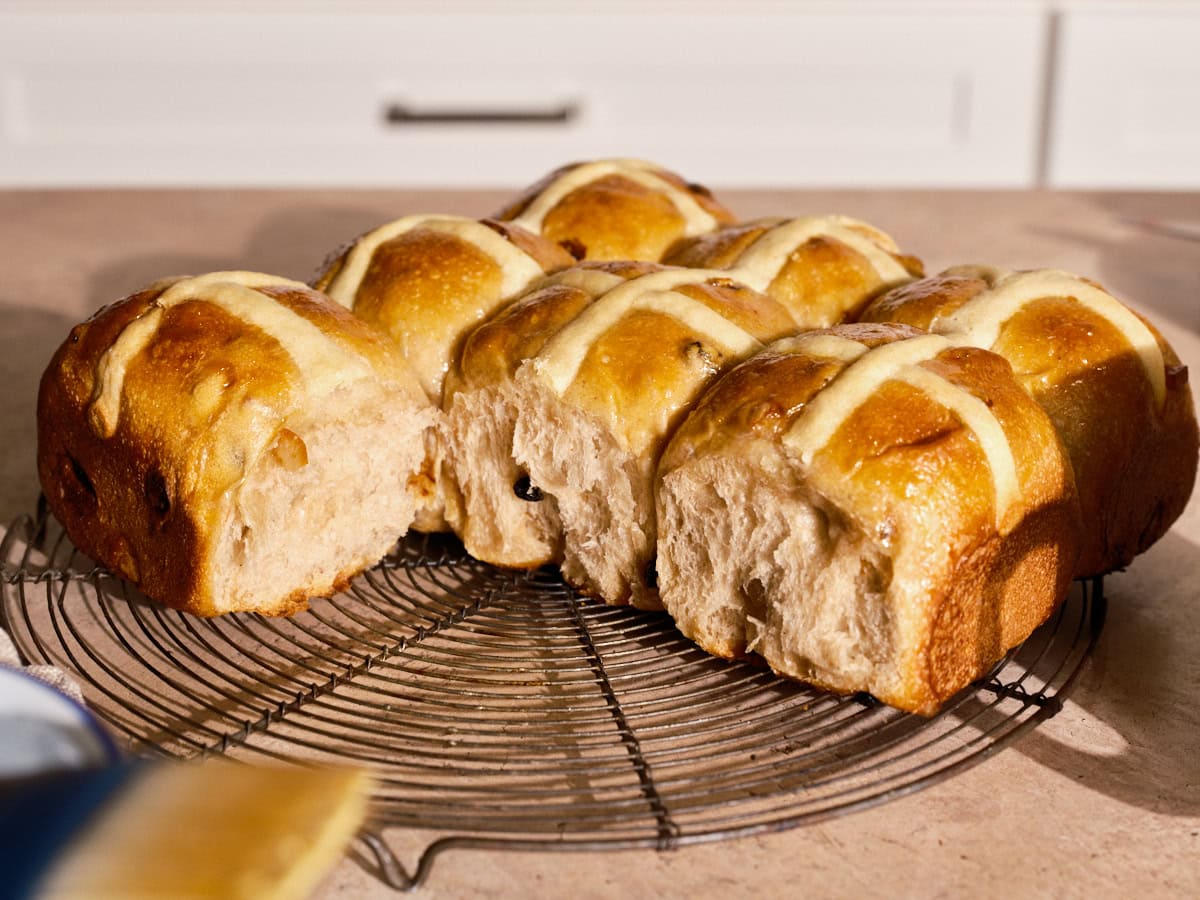
The decision to employ sourdough starter over commercial yeast is a deliberate one, rooted in the pursuit of superior flavor. Sourdough fermentation is a slow and intricate process. The symbiotic relationship between wild yeast and lactic acid bacteria not only leavens the dough but also develops a complex flavor profile. The lactic acid produced contributes a gentle acidity, a subtle tang that cuts through the sweetness of the sugar, dried fruits, and glaze, creating a more rounded and sophisticated taste experience. This contrasts with the rapid fermentation of commercial yeast, which, while efficient, often sacrifices the nuanced flavor development that sourdough offers.
Key Innovations in the Modern Hot Cross Bun Recipe:
- Tangzhong Integration: This cooked flour paste is the cornerstone of the enhanced softness and moisture retention in these buns. It ensures a tender crumb that stays fresh longer than traditional recipes.
- Sweet Levain: A carefully balanced levain, incorporating a touch of sugar, ensures efficient fermentation in the enriched dough while mitigating excessive sourness, allowing the spices and fruit to shine.
- Enriched Dough: The generous inclusion of milk, egg, and butter creates a rich, tender dough that bakes into a luxurious texture.
- Spice and Citrus Harmony: A precise blend of warm spices and bright citrus zest provides a complex aromatic and flavor profile.
- Quality Inclusions: The choice of plump dried fruits and candied peel ensures bursts of sweetness and chewiness throughout the bun.
The Baking Schedule: A Symphony of Patience and Precision
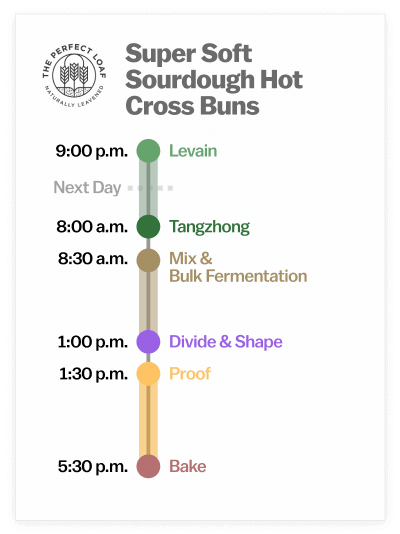
The creation of these sourdough hot cross buns is a multi-day process, carefully orchestrated to allow the sourdough starter to work its magic and the dough to develop its full potential.
Day 1: The Foundation
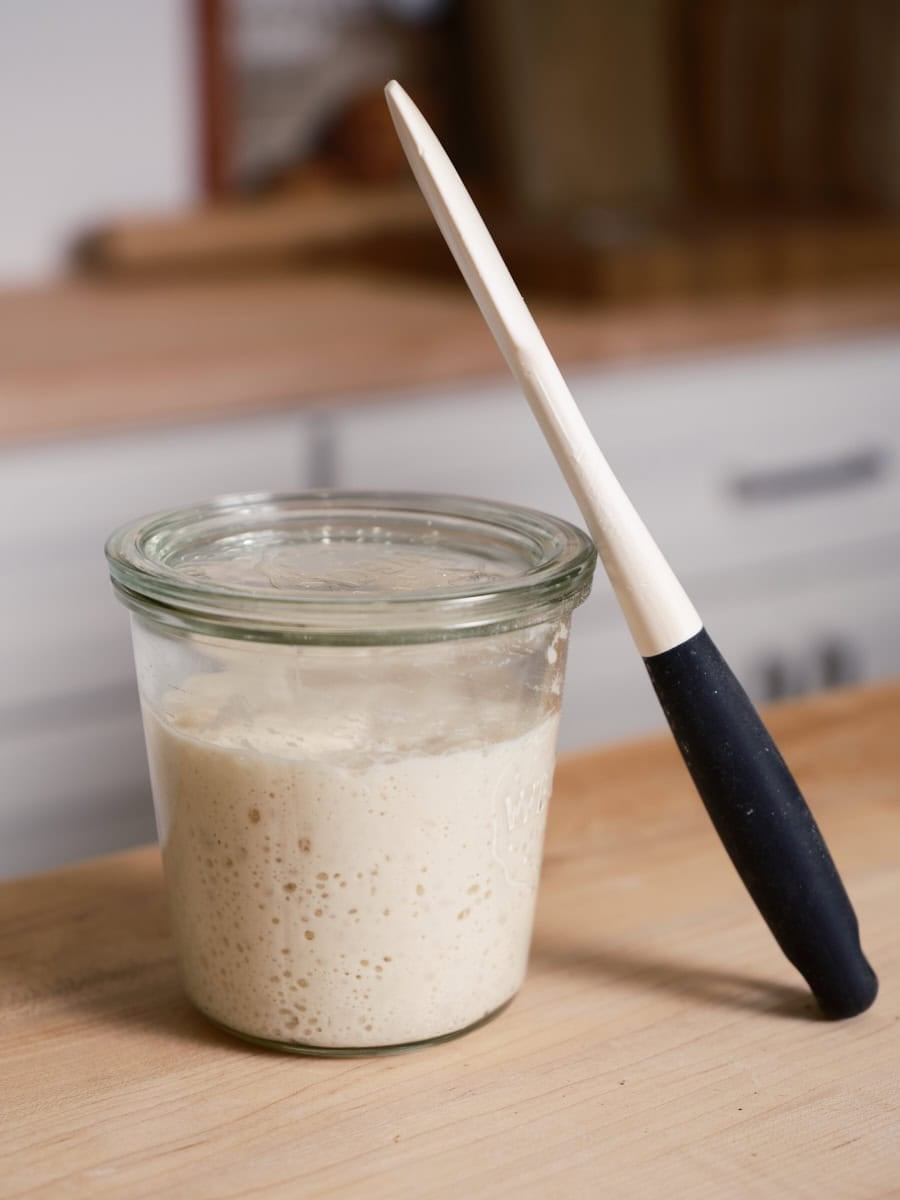
- Evening (9:00 PM): The process begins with the preparation of the sweet levain. A mixture of high-protein flour, superfine sugar, water, and ripe sourdough starter is combined. The sugar acts as a food source for the yeast, promoting vigorous activity in the enriched dough while also contributing to a milder sourdough tang. This mixture is left to ferment overnight in a warm place, typically for 12 hours, allowing the wild yeast to multiply and develop the foundational flavor.
- Optional Fruit Soaking: If using particularly dry dried fruits or candied peel, they can be soaked overnight in water to rehydrate and soften them, ensuring a more pleasant texture in the final buns.
Day 2: The Crafting
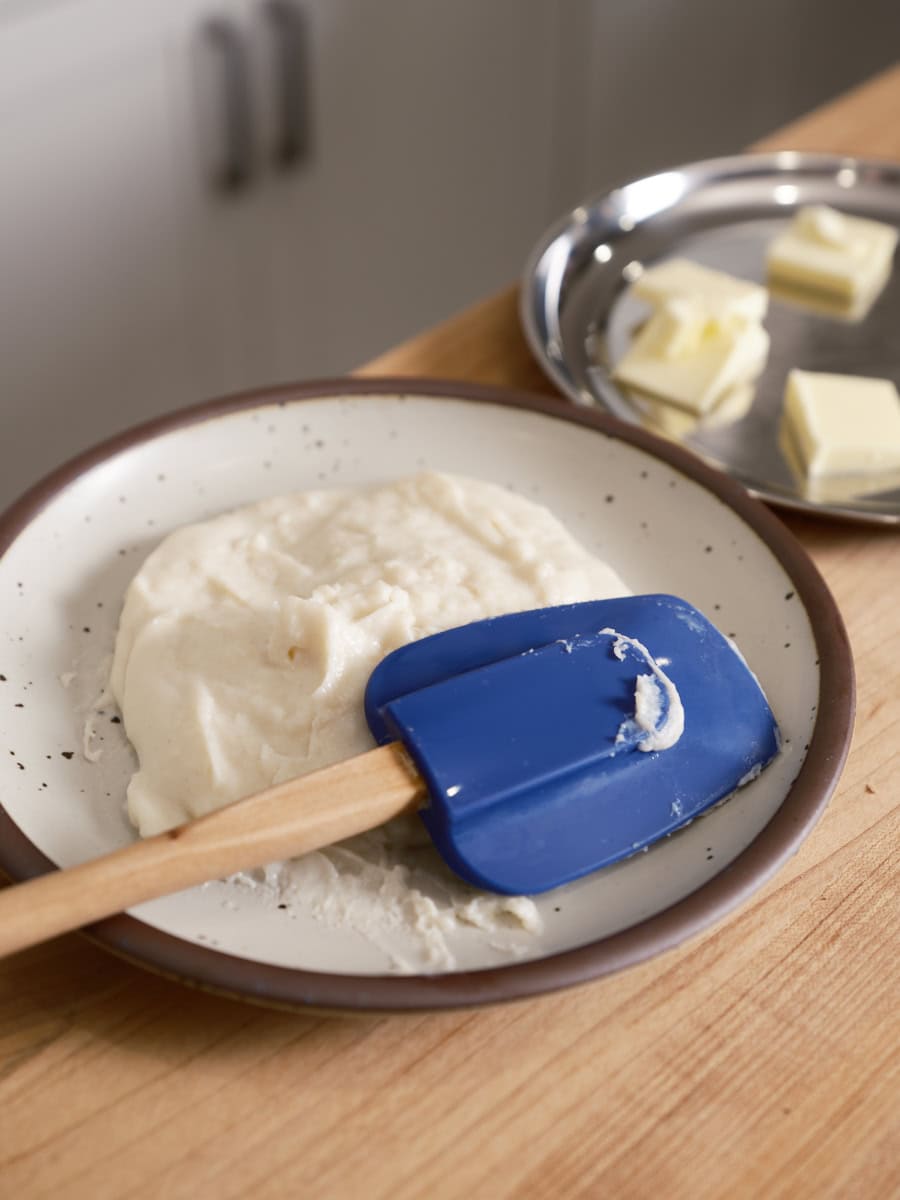
- Morning (8:00 AM): The tangzhong is prepared. Flour and milk are gently heated and whisked continuously until a thick, paste-like consistency is achieved. This process gelatinizes the starches in the flour, enabling it to absorb and retain significantly more moisture. The tangzhong is then spread on a plate to cool. Simultaneously, butter is brought to room temperature for easier incorporation later.
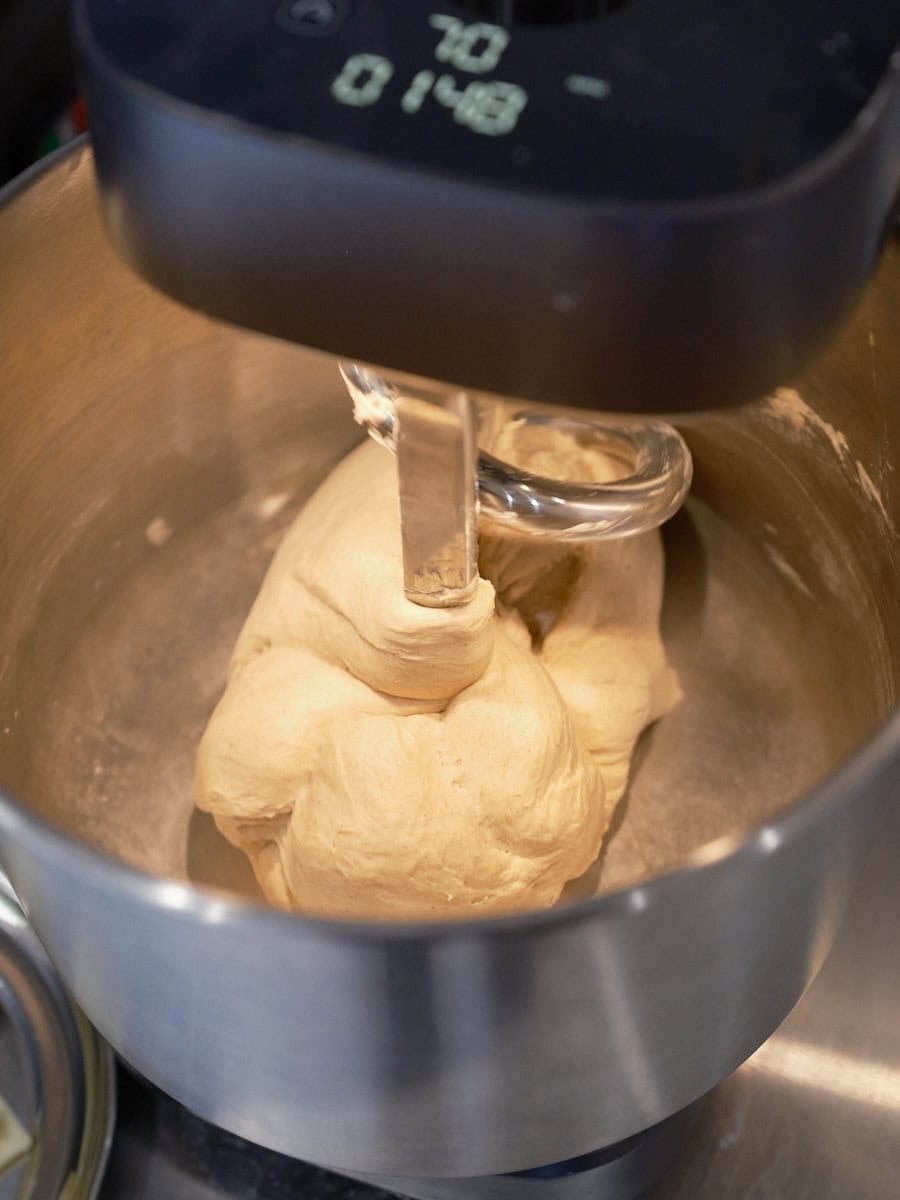
- Mixing (8:30 AM): The main dough ingredients are brought together. This is where the magic truly happens. In a stand mixer or spiral mixer, the cooled tangzhong, high-protein flour, beaten egg, sugar, spices, zest, water, salt, and the active levain are combined. The dough is mixed progressively, first to incorporate, then to develop its structure. The crucial step of adding the softened butter occurs gradually, allowing it to be fully emulsified into the dough. Finally, the plumped dried fruits and candied peel are gently mixed in, ensuring even distribution without tearing the delicate dough. The dough is assessed for strength and extensibility using the windowpane test.
- Bulk Fermentation (9:00 AM – 1:00 PM): The dough undergoes its first significant rise. Over approximately four hours at a warm room temperature (74-76°F or 23-24°C), the dough is gently stretched and folded in two sets at 30-minute intervals. These folds build further gluten strength and evenly distribute the inclusions and developing gases. After the folds, the dough is left to rest and ferment for the remainder of the bulk fermentation period.
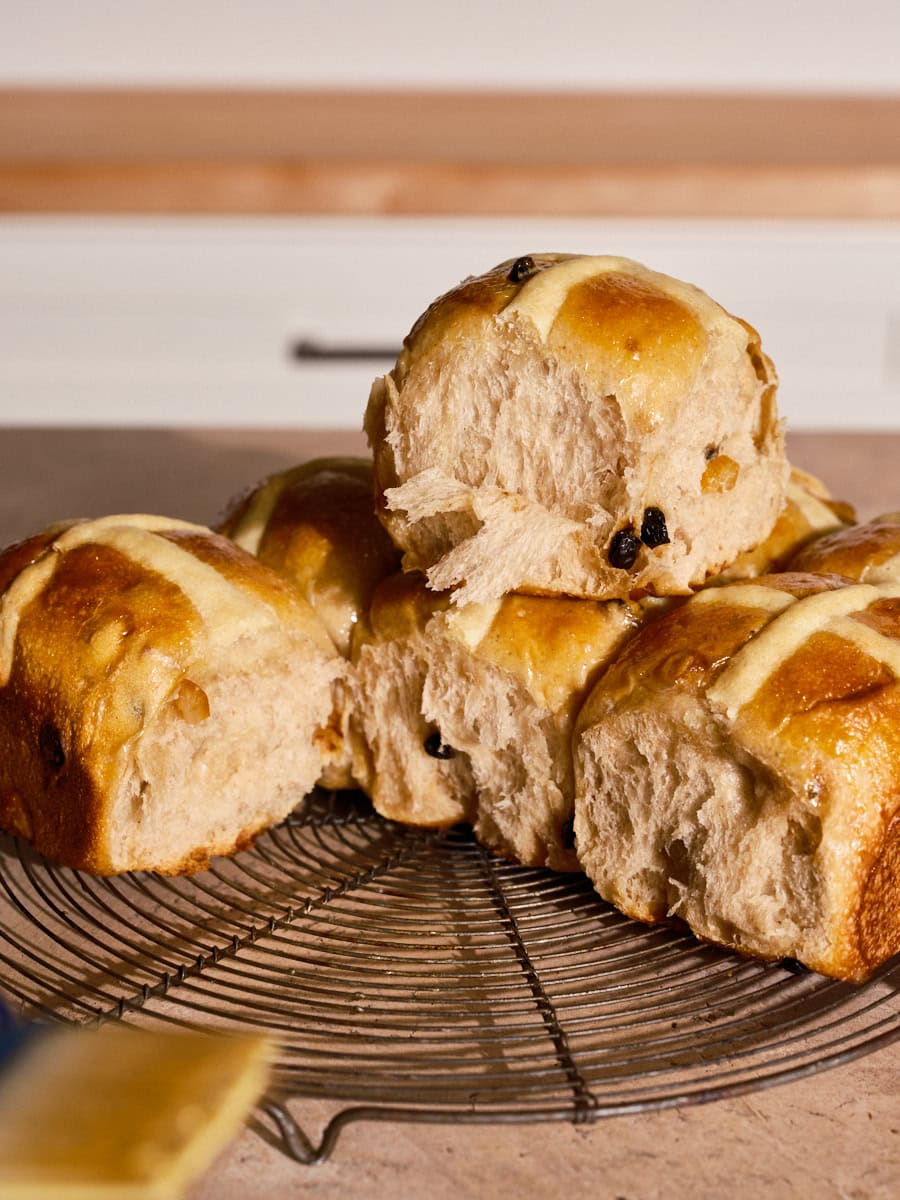
- Dividing and Shaping (1:00 PM): Once bulk fermentation is complete, indicated by a puffy, airy dough, it is gently turned out onto a lightly floured surface. The dough is divided into equal portions (approximately 115g each for 9-11 buns) and then carefully shaped into tight balls. This shaping is critical for creating a uniform crumb and a pleasing appearance. The shaped buns are then placed into a generously buttered baking pan, typically a 9-inch square for ultimate softness, or a sheet pan for more crust development.
- Proofing (1:30 PM – 5:30 PM): The shaped buns undergo their final rise. This can take around 4 to 5 hours in a warm environment. The slow proofing of this enriched dough is essential for achieving the desired light and airy texture. The buns are ready when they are visibly puffy and feel soft to the touch, having risen to just below the rim of the pan.
Day 2 (Continued): The Final Touches and Baking
- Preparation for Baking (5:30 PM):
- Oven Preheat: The oven is preheated to 400°F (200°C).
- Simple Syrup Glaze: Water and sugar are simmered to create a clear syrup, which will be brushed onto the buns post-baking for a beautiful sheen and subtle sweetness.
- Cross Mixture: A simple paste of flour, water, orange juice, oil, and a pinch of salt is prepared. This mixture, when piped onto the buns before baking, forms the iconic cross.
- Egg Wash: An egg and milk mixture is whisked together to create an egg wash, which will give the buns a golden-brown color and a glossy finish.
- Assembly and Baking:
- The risen buns are brushed with the egg wash.
- The cross mixture is carefully piped onto each bun, forming the traditional cross pattern.
- The buns are baked for 15 minutes at 400°F (200°C).
- The oven temperature is then reduced to 350°F (175°C), and the buns are baked for an additional 10-15 minutes, or until they reach an internal temperature of 195°F (90°C) and are golden brown.
- Finishing: Immediately after baking, the buns are brushed with the prepared simple syrup glaze. They are then allowed to cool slightly in the pan before being transferred to a wire rack to cool completely.
Baking Equipment Spotlight
Successful execution of this recipe relies on a few key pieces of equipment:
- Stand Mixer or Spiral Mixer: Essential for effectively developing the gluten in this enriched, high-fat dough.
- 9-Inch Square Baking Pan: Ideal for achieving the ultra-soft, pull-apart texture characteristic of these buns.
- Pastry Bag or Piping Bag: For accurately applying the cross mixture.
- Baking Scale: Crucial for precise ingredient measurements, especially in sourdough baking.
- Oven Thermometer: Ensures accurate oven temperatures for consistent baking results.
- Wire Rack: For proper cooling, preventing the bottoms of the buns from becoming soggy.
Implications and Broader Context
The resurgence of interest in sourdough baking, particularly for enriched doughs like hot cross buns, signifies a broader cultural shift towards appreciating artisanal food production and understanding the science behind what we eat. The "slow food" movement, which emphasizes traditional and sustainable methods, finds a perfect embodiment in this recipe. By dedicating time and attention to nurturing a sourdough starter and mastering techniques like tangzhong, bakers are not just creating delicious food; they are engaging in a form of culinary heritage preservation.
The ability to produce such tender and flavorful hot cross buns at home offers a satisfying alternative to commercially produced options, which often rely on preservatives and artificial flavorings. This recipe empowers home bakers to control the quality of ingredients and the entire production process, leading to a more wholesome and enjoyable outcome.
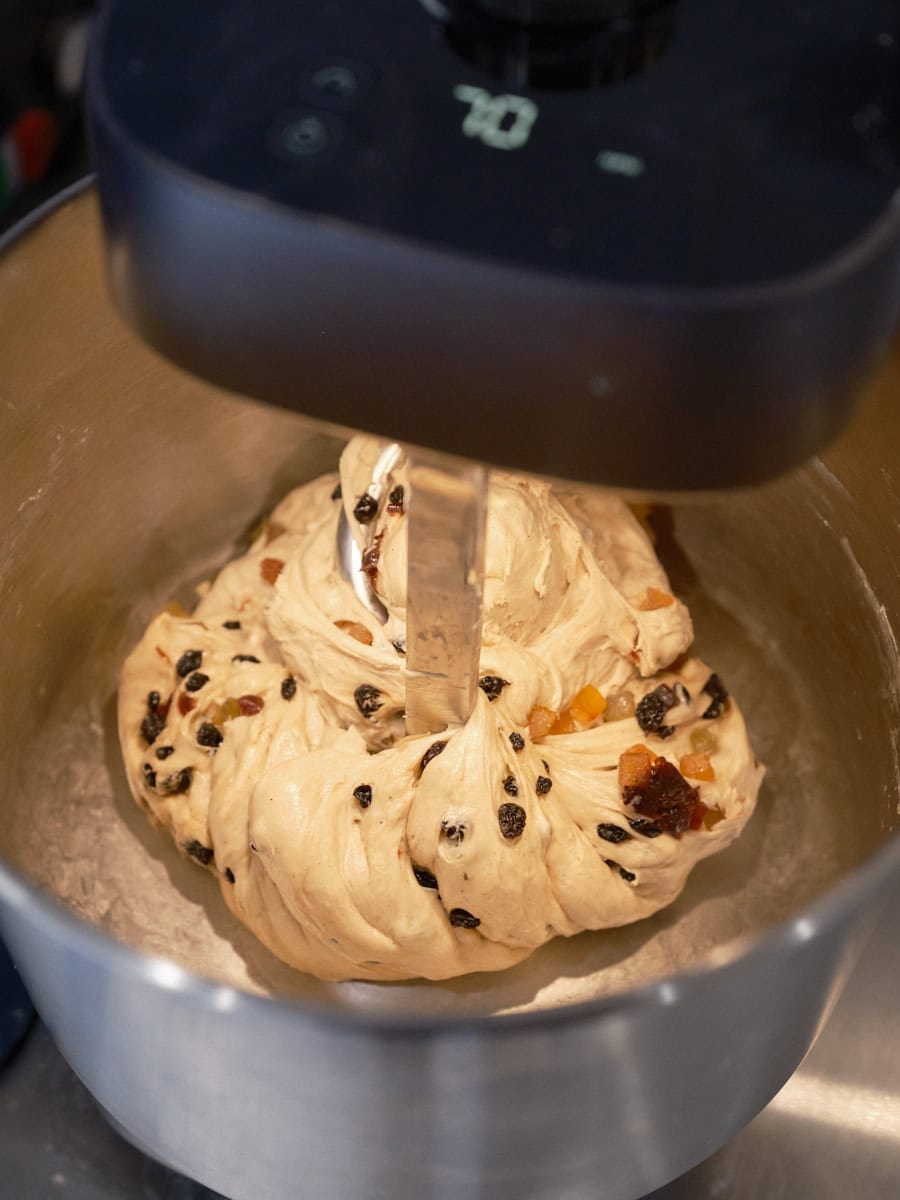
Furthermore, the adaptability of this recipe, with options for overnight proofing and variations in inclusions, speaks to its versatility and its appeal to bakers of all skill levels. The integration of technology, such as the use of spiral mixers, demonstrates how traditional methods can be enhanced by modern tools, making complex baking more accessible.
What’s Next? A Culinary Tradition Evolving
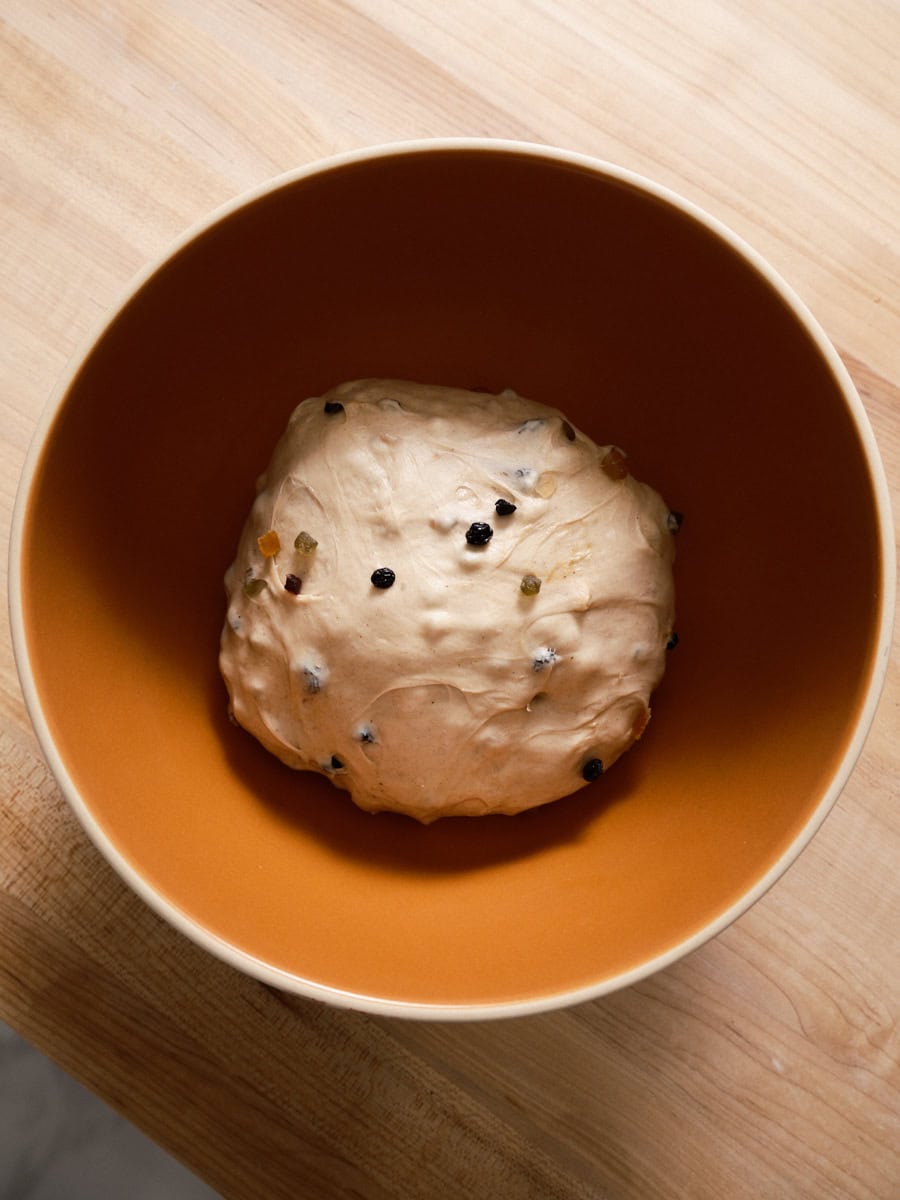
This enhanced sourdough hot cross bun recipe represents more than just a seasonal bake; it’s a celebration of flavor, texture, and the art of patience. The soft, pull-apart crumb, the subtle sourdough tang, and the harmonious blend of spices and fruit make these buns a true delight. As this recipe becomes a cherished spring tradition for many, it underscores the enduring appeal of handcrafted food and the continuous innovation within the world of baking. For those seeking further exploration into enriched sourdough doughs, similar recipes for super-soft sourdough rolls and sourdough pumpkin dinner rolls, also utilizing the tangzhong method, offer exciting avenues for continued culinary discovery. The journey of the hot cross bun, from its historical roots to its modern, naturally leavened iteration, is a delicious testament to the evolving landscape of home baking.