
The American Homebrewers Association (AHA) has officially announced a transformative 2025 Strategic Plan, marking a historic shift as the organization transitions into an independent entity. This evolution signifies the AHA’s departure from the management of the Brewers Association, a 501(c)(6) trade organization that has overseen the association for decades. On June 27, 2025, the newly established AHA Founding Board of Directors released the comprehensive roadmap designed to represent, support, and fuel the global homebrewing community through a period of structural and cultural renewal.
The strategic pivot comes at a critical juncture for the hobby. Since its inception in 1978, the AHA has served as the primary advocacy group for amateur brewers, but its integration within a trade group primarily focused on commercial craft brewing often created complex administrative overlaps. By establishing independence, the AHA aims to prioritize the specific needs of hobbyists, ranging from legislative advocacy for home fermentation to the cultivation of local brewing clubs. Executive Director Julia Herz, alongside a dedicated Strategic Planning Task Force, spearheaded the development of the plan to ensure the organization remains the definitive voice for fermentation enthusiasts.
A Chronology of Transition and the Path to Independence
The journey toward the AHA’s independence was a multi-stage process that began in early 2025. The transition was prompted by a recognized need for the AHA to have its own dedicated governance and financial structures that align strictly with the interests of amateur fermenters rather than commercial industry stakeholders.
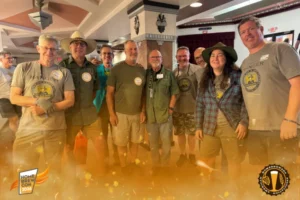
In February 2025, the AHA initiated a massive outreach campaign to its membership, collecting qualitative and quantitative data regarding the proposed vision for the organization. This feedback served as the bedrock for the Strategic Planning Task Force, which was chaired by Shawna Cormier and vice-chaired by prominent homebrewing figure Drew Beechum. The task force also included Cody Matkin, Paulina van Eeden Hill, and Julia Herz, representing the professional staff.
Following the initial feedback phase, the Founding Board of Directors was established and introduced in the March/April 2025 issue of Zymurgy magazine. This board was tasked with finalizing the 2025 Strategic Plan, which was formally adopted and announced in late June. This timeline reflects a rapid but deliberate shift toward self-governance, culminating in the plan’s rollout as the operational blueprint for the remainder of the decade.
Strategic Priorities for a New Era
The 2025 Strategic Plan is anchored by five core priorities intended to ensure the long-term viability and relevance of the association. These pillars address the administrative, financial, and community-based challenges inherent in a large-scale organizational split.
Independence and Organizational Autonomy
The primary objective of the plan is the successful separation from the Brewers Association. This involves establishing new legal frameworks, independent financial accounts, and a self-contained management structure. This autonomy is expected to allow the AHA to be more agile in its decision-making processes, specifically regarding legislative lobbying for homebrewers’ rights and the allocation of membership dues.
Financial Sustainability and Diversification
Transitioning to an independent 501(c) status requires a robust financial strategy. The AHA is focusing on diversifying its revenue streams beyond traditional membership dues. This includes optimizing the "Director’s Cut" and other digital content, enhancing the profitability of Zymurgy magazine, and exploring new sponsorship models for major events like Homebrew Con and the National Homebrew Competition.
Membership Growth and Community Engagement
The AHA’s new vision statement—"A homebrewer in every neighborhood and a homebrew club in every community"—serves as the North Star for its growth initiatives. The 2025 plan emphasizes localized outreach, providing more resources for club leaders, and lowering the barriers to entry for new hobbyists. By fostering a "united and knowledgeable community," the AHA hopes to reverse recent trends of declining membership seen across many traditional hobbyist associations.
Professional Management and Governance
To ensure the organization is run with transparency and efficiency, the plan outlines the establishment of several standing committees. These include Finance, Governance, Membership, and a dedicated committee for Zymurgy and editorial content. These committees are designed to provide oversight and ensure that the staff’s actions remain aligned with the board’s strategic vision.
Defining the Mission and Core Values
Central to the 2025 Strategic Plan is a redefined mission statement that reflects the evolving nature of the hobby. The AHA now defines its mission as: "We celebrate and promote the art, science, and joy of fermentation, championing a united and knowledgeable community of today’s and tomorrow’s homebrewers."
This mission statement is notably broader than previous iterations, utilizing the term "fermentation" to include not just beer, but cider, mead, kombucha, and other fermented beverages. This inclusivity is a strategic move to capture the interests of a younger, more diverse demographic of fermenters who may not identify strictly as "beer brewers."
Supporting this mission are five core values that will guide the organization’s culture:
- Inclusion: Ensuring the hobby is welcoming to individuals of all backgrounds.
- Education: Providing high-quality, science-based resources for brewers of all skill levels.
- Community: Building strong networks through clubs, competitions, and digital forums.
- Integrity: Maintaining transparency in governance and competition standards.
- Advocacy: Protecting the legal right to ferment at home at both the state and federal levels.
Governance and the Role of Volunteers
As the AHA moves toward independence, the role of volunteer leadership has been elevated. The current Founding Board of Directors is tasked with laying the groundwork, but the plan includes a clear path for democratic governance. In 2026, the AHA will conduct its first independent Board of Director elections.
To prepare for this transition, the organization is encouraging members to join committees immediately. Participation in committees—such as the National Homebrew Competition Committee or the Government Affairs Committee—is being positioned as a prerequisite for future board candidates. This "volunteer-to-leader" pipeline is intended to ensure that future board members possess a deep understanding of the organization’s operational complexities before taking on fiduciary responsibilities.
The establishment of the 2025 Committee Charges further illustrates this structured approach. Committees have been formed to tackle specific operational needs, including:
- Finance and Audit: To oversee the transition of assets and ensure fiscal responsibility.
- Governance and Nominating: To manage the bylaws and the 2026 election process.
- Membership and Community: To develop new benefits and support local clubs.
- National Homebrew Competition (NHC): To maintain the integrity of the world’s largest amateur brewing competition.
Analysis of Implications for the Homebrewing Industry
The independence of the American Homebrewers Association carries significant implications for the wider craft beverage industry. Historically, the AHA and the Brewers Association (BA) shared a symbiotic relationship; many professional brewers started as AHA members. However, as the craft beer industry matured and faced economic headwinds, the priorities of commercial breweries and amateur hobbyists began to diverge.
By becoming independent, the AHA can now advocate for legislative changes that might not have been a priority for the BA, such as laws governing the transport of homebrew to competitions or the ability to serve home-fermented beverages at non-profit events. Furthermore, an independent AHA is better positioned to partner with a wider array of sponsors, including those in the cider, mead, and culinary fermentation sectors, which may have previously seen the organization as too beer-centric.
Data from the homebrewing industry suggests that while the "boom" of the early 2010s has leveled off, there is a steady interest in DIY fermentation. The AHA’s move to modernize its strategic goals is a proactive response to a changing market where enthusiasts are seeking more digital-first resources and specialized community connections.
Future Outlook and Conclusion
The 2025 Strategic Plan is more than a simple reorganization; it is a declaration of the AHA’s intent to remain the global leader in home fermentation for decades to come. The success of this plan will depend largely on the organization’s ability to maintain its financial footing during the transition and the willingness of the membership to step into leadership roles.
As Julia Herz and the Founding Board look toward 2026, the focus will remain on execution. The upcoming elections will be a litmus test for the new independent structure, providing a platform for the membership to choose the direction of their association directly. For the millions of homebrewers across the United States and the world, the AHA’s new course offers the promise of a more focused, responsive, and dedicated organization—one that truly seeks to put a homebrewer in every neighborhood and a homebrew club in every community.