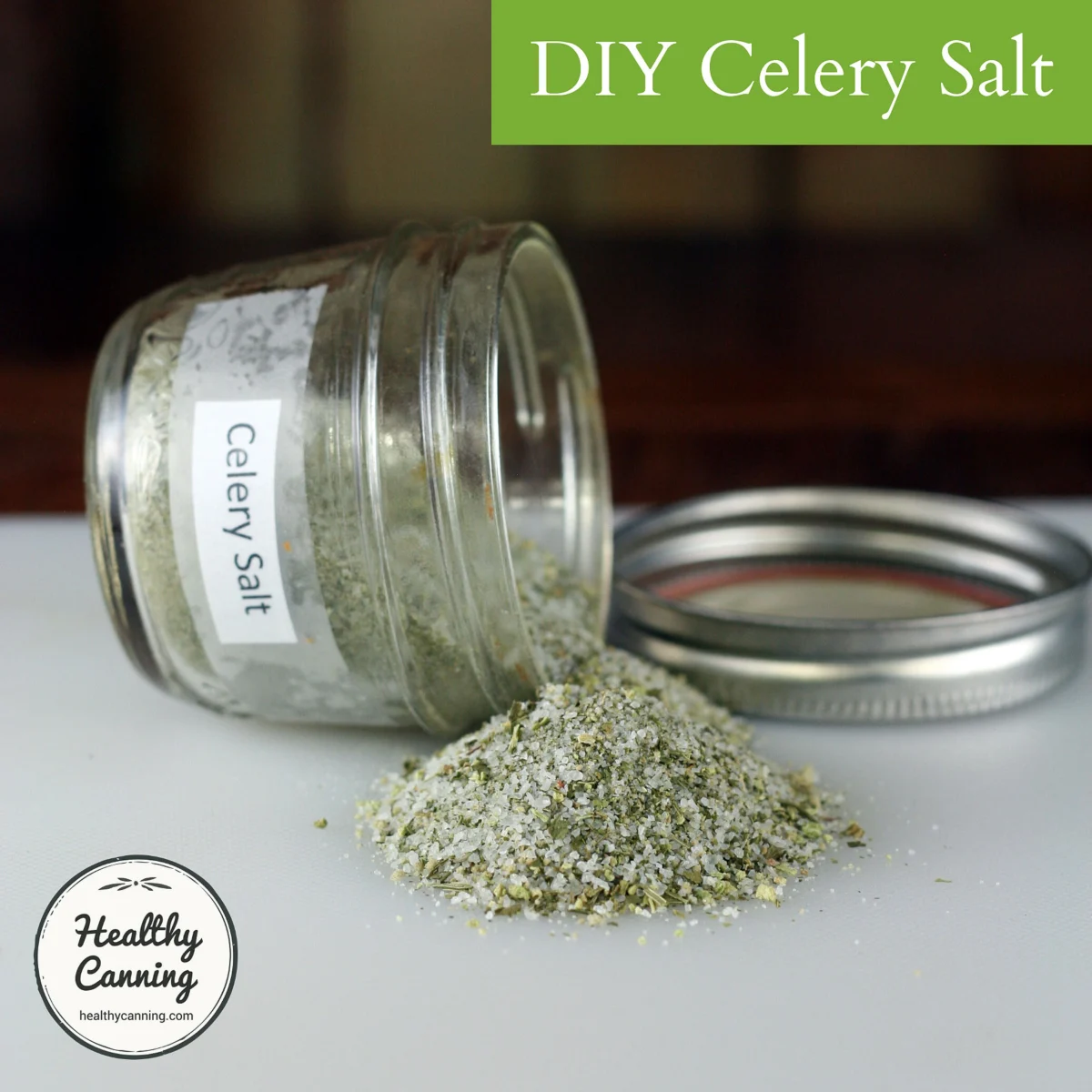

The global spice and seasoning market, valued at over $17 billion as of 2023, is currently witnessing a significant paradigm shift as consumers increasingly pivot toward artisanal, home-manufactured alternatives to mass-produced condiments. Among these staples is celery salt, a versatile seasoning that has transitioned from a niche ingredient in mid-century American cuisine to a foundational element in modern gastronomy, appearing in everything from high-end cocktail programs to specialized meat-curing processes. The process of creating celery salt at home offers a unique intersection of economic efficiency, health-conscious customization, and culinary elevation, allowing individuals to produce high-quality seasonings for a fraction of the retail cost while maintaining absolute control over ingredient integrity.
The Economic Rationale for Home-Based Spice Production
In the current inflationary environment, the retail markup on pre-mixed seasonings can often exceed 500% of the raw material cost. Commercial celery salt typically consists of a simple ratio—usually two parts salt to one part ground celery seed—yet a standard 2-ounce jar can retail for upwards of five dollars. By sourcing bulk sea salt and celery seeds or, more efficiently, utilizing dehydrated celery scraps from one’s own kitchen, the cost of production drops to mere pennies per ounce. This economic viability is driving a resurgence in "pantry-crafting," where the focus is on reducing household grocery expenditures without sacrificing the quality of the final culinary product.
Furthermore, the environmental impact of home production cannot be overlooked. By reusing glass spice jars and eliminating the need for single-use plastic packaging and the carbon footprint associated with the international shipping of small-volume glass containers, home cooks are contributing to a more sustainable food system. The "zero-waste" movement has particularly embraced celery salt production as an ideal method for utilizing celery leaves and stalks that might otherwise be discarded, transforming them into a high-value powder through dehydration.
Historical Context and Culinary Significance
Celery salt’s prominence in the American culinary canon can be traced back to the late 19th and early 20th centuries, particularly in the Midwest. It is most famously recognized as a non-negotiable component of the Chicago-style hot dog—a culinary tradition established during the Great Depression. Beyond the "dragged through the garden" frankfurter, celery salt serves as the backbone of the Bloody Mary cocktail and is a primary ingredient in iconic regional spice blends such as Old Bay Seasoning, which has defined the flavor profile of Mid-Atlantic seafood for decades.
The botanical profile of celery (Apium graveolens) provides a natural source of nitrates and a savory quality often described as "umami." When combined with salt, these properties enhance the natural flavors of proteins and vegetables alike. Historically, celery was a status symbol in Victorian-era America, often served in dedicated "celery vases" on the tables of the wealthy. As the plant became more accessible, its preservation through salting became a logical step for year-round flavor availability.

The Methodology of Production: A Chronological Approach
The creation of an artisanal celery salt involves a precise sequence of events to ensure flavor stability and shelf-life. The process begins with the selection of the base components.
1. Sourcing and Preparation
The traditional method utilizes celery seeds, which are small, bitter, and highly aromatic. However, the "gourmet" approach involves the creation of celery powder from fresh celery. In this stage, celery stalks and leaves are washed, sliced thinly, and placed in a food dehydrator. To preserve the vibrant green color and the volatile oils responsible for the plant’s distinct aroma, dehydration must occur at a low temperature, typically between 125°F and 135°F (52°C to 57°C), for a period of 6 to 10 hours.
2. The Grinding Phase
Once the celery component is fully desiccated, it must be reduced to a fine powder. Using a high-speed blender or a dedicated spice grinder, the celery (either seeds or dried stalks) is processed until it reaches a uniform consistency. This step is critical; uneven particles can lead to "hot spots" of bitterness or overly salty bites in the final dish.
3. The Blending Ratio
The standard journalistic and culinary consensus for a balanced celery salt is a 2:1 or 3:1 ratio of salt to celery powder. However, the DIY nature of the project allows for immediate customization. For a 75-gram yield (approximately 5 tablespoons), a common formulation involves 3 tablespoons of high-quality salt and 2 tablespoons of ground celery.
4. Integration and Storage
The ingredients are combined in a sterile glass jar. Culinary experts suggest that the mixture should be allowed to "mellow" for 24 to 48 hours before use, allowing the salt crystals to absorb the essential oils from the celery.
Customization for Dietary Requirements and Gourmet Profiles
One of the most compelling arguments for home production is the ability to cater to specific health needs. The modern diet is often criticized for excessive sodium levels, which contribute to hypertension and cardiovascular disease. By producing celery salt at home, consumers can substitute traditional sodium chloride with potassium-based salt substitutes or mineral-rich alternatives like pink Himalayan salt or Celtic sea salt.

Specialized products like "Herbamare" or other kelp-based salt substitutes can be used to create a completely sodium-free version of the seasoning. This is particularly relevant for the aging population and those on medically supervised low-sodium diets who still wish to enjoy the complex, savory flavors of traditional seasonings.
From a gourmet perspective, the choice of salt can fundamentally alter the flavor profile:
- Smoked Salt: Adds a campfire, barbecue depth, ideal for seasoning grilled meats.
- Fleur de Sel: Provides a delicate crunch and a clean finish for finishing salads.
- Black Lava Salt: Offers a dramatic visual contrast and a hint of sulfurous complexity.
Technical Analysis of Ingredients and Shelf Stability
The chemistry of celery salt is rooted in the preservation of volatile compounds. Celery seeds contain limonene, selinene, and phthalides. Phthalides are particularly important as they are responsible for the characteristic odor and taste of celery. When ground, these compounds are exposed to oxygen, leading to gradual oxidation.
Commercial spice manufacturers often include anti-caking agents such as silicon dioxide or sodium aluminosilicate to prevent the salt from clumping in humid environments. The DIY approach eschews these additives, requiring the home cook to store the product in a truly airtight container, away from direct sunlight and heat sources. If clumping occurs in a homemade batch, a few grains of raw rice added to the jar can act as a natural desiccant, absorbing excess moisture without altering the flavor profile.
Implications for the Modern Food Industry
The rise of DIY seasonings like celery salt reflects a broader trend toward "food transparency." Consumers are no longer satisfied with opaque ingredient lists that simply state "spices" or "natural flavors." By deconstructing these blends and recreating them at home, the public is reclaiming agency over their nutritional intake.
Market analysts suggest that this trend may force commercial spice brands to innovate by offering "clean label" products or high-end, single-origin components that appeal to the burgeoning demographic of "prosumer" home cooks. The proliferation of online resources and master-food-preserver groups has further democratized this knowledge, providing a support network for those looking to master the art of food preservation.
Broader Impact on Home Preservation and Sustainability
The production of celery salt is often a "gateway" activity into the larger world of canning and food preservation. Organizations such as various Master Food Preserver groups provide critical infrastructure for this education, offering hotlines and workshops to ensure that home preservation is conducted safely. These groups emphasize the importance of using high-quality ingredients to avoid spoilage and ensure the longevity of the pantry staples.
As the movement toward self-sufficiency grows, the humble celery salt serves as a testament to the fact that high-quality, gourmet flavor does not require a high-end price tag. It represents a return to a more intentional form of cooking—one where the origin of every grain of salt and every flake of celery is known, accounted for, and appreciated.
In conclusion, the DIY celery salt movement is more than a simple kitchen hack; it is a calculated response to economic pressures, a commitment to health and wellness, and a celebration of culinary craft. Whether used to rim a glass for a weekend brunch or to season a roast for a family dinner, this homemade staple stands as a symbol of the modern cook’s desire for quality, economy, and transparency in an increasingly complex food landscape. For pennies on the dollar, the home cook can achieve a product that surpasses commercial offerings in both flavor and nutritional integrity, proving that the most essential ingredients are often the ones we prepare ourselves.